
1


Stay in Touch
Get the latest updates, special offers, and exclusive Cinchy perks straight to your inbox.


Jl. Plawa No.50, Seminyak, Kec. Kuta, Kabupaten Badung, Bali 80361

CALL US 24/7
(+62-851-7424-6249)
Copied!

We’re Here
Everyday
8:30 AM-9 PM WITA




Payment Partners


© 2026 CINCHY. ALL RIGHTS RESERVED.
Cinchy Blog / Why a Free Poncho Matters in Bali Rain Season | Cinchy
Published: 03 Sep 2026

By Ulfah Alifah
Travel Enthusiast

Quick Answer
“Why a Free Poncho Matters in Bali Rain Season”
A free poncho or raincoat matters in Bali’s rain season because tropical showers can start fast, soak you, and make riding harder. Wet clothes, a fogged visor, numb hands, and a wet phone all reduce focus. Cinchy includes a raincoat or poncho with every scooter rental at no extra accessory fee, together with a helmet, hairnet, and phone holder.
Free Cancellation
24/7 Support
Insurance
Start Date - End Date
Start Time
End Time
Duration
0 Day(s)
Key Takeaways:
Bali has a tropical climate with two broad seasons. The dry season is usually around April to October. The wet season is usually around November to March. Cinchy’s own guides do not all use the same start month. One travel guide describes the wet season as November to March. That low-season article also notes that rain often comes in short or heavy showers rather than all-day storms. Other Cinchy riding guides describe wet-season risk from October through March, or even into April.
That spread is useful to remember. Rain in Bali is not a calendar switch. A “dry-season” afternoon can still bring a sudden shower. A “wet-season” morning can still be bright. For riders, the practical point is simpler: treat rain as likely, especially from late in the year through early in the next year.
Rain changes more than comfort. It changes grip, braking distance, and how well other people can see you. Painted lines, metal covers, tiled alleys, sand, and oil become slick. Rural roads can also lose lighting and drain poorly. Cinchy’s extreme-weather riding guide says rain can arrive suddenly and intensely, and that you should pull over if the rain becomes heavy or the road begins to flood.
A poncho looks like a small extra. Many riders notice the helmet first and forget the raincoat until they are already wet. That is the mistake. In Bali, the value of a poncho is not fashion. It is control.
When rain hits, an uncovered rider often does three things at once: squint, tense up, and look for shelter. Wet clothes stick. Water hits the visor. Hands get cold. A phone in a pocket or holder can get soaked. All of that steals attention from traffic, potholes, dogs, and other motorcycles. A dry rider still needs to slow down. But a dry rider is less likely to panic-brake, miss a turn, or stop in a dangerous place just to escape the rain.
Cinchy includes the poncho because sudden tropical rain is part of normal island weather. The standard kit also lists an SNI-certified helmet, a phone holder, and a USB charging port. Those items work together in wet weather. The helmet protects your head. The poncho keeps rain off your body. The phone holder helps you follow maps without holding a phone. The USB port can keep the phone charged if you need navigation or roadside help.
For foreign visitors, this matters because many people arrive without rain gear. For local riders, it matters because a rental should already include the basics. Neither group should treat a free poncho as proof that rain riding is easy.
Be clear about the limit. A poncho keeps you drier. It does not add tire grip. It does not shorten braking distance. It does not make floodwater shallow. It does not replace a fitted helmet, working lights, or legal riding documents.
Cinchy’s wet-road tire guide is direct on this point. A full poncho can improve comfort by keeping you drier, but it does not protect your hands and feet. In heavy rain, exposed hands can get cold and numb, which reduces grip and reaction time. That rain-safety article also warns riders to tuck the poncho tightly so it does not catch air or tangle in the wheel.
This is the honest trade-off. A loose poncho can flap, block your view, or snag. A well-fitted poncho can help you stay composed. Use it as rain clothing, not as safety equipment.
Put the poncho on before the rain becomes heavy, not after you are already soaked and rushing. Stop in a safe place first: a shop front, a parking bay, or another spot away from moving traffic. Do not try to unfold it while rolling.
Then check these points:
Keep the poncho in an easy-to-reach place, such as the under-seat storage. If you bury it under bags, you will wait too long to use it. If the rain is too heavy to see clearly, do not keep riding just because you are dry. Pull over and wait.
The poncho helps you stay comfortable enough to ride with care. The riding habits still do the safety work.
Cinchy’s rain guidance says to reduce speed by at least 20 to 30 km/h from your dry-weather pace as soon as rain starts. The first 5 to 10 minutes can be the highest-risk window, because oil, dust, and debris mix with the first water. In dry conditions, a 2-second following gap may be enough. In wet conditions, Cinchy recommends at least 4 seconds. Brake earlier and more gently. Lean less in corners. Avoid painted lines, manhole covers, and metal surfaces while turning or braking.
Wet brakes also need extra room. Cinchy’s brake guide says to increase braking distance by at least 50% in wet conditions. The first light brake touch may only wipe water off the disc before full force returns. Do not assume the scooter will stop as quickly as it did in the sun.
Narrow alleys need even more caution. Tiled, brick, and rough concrete surfaces can feel very different when wet. Water also pools unevenly. Cinchy’s alley-riding guide is useful before you enter a tight gang in the rain. Slow to a near-walking pace if the surface looks slick or the path is blind.
Beginners should be more conservative. If you are new to motorcycles, new to left-side traffic, or new to Bali, rain is not the time to test your limits. Cinchy’s beginner rental guide says to slow down in rain, avoid sudden braking, and keep both hands on the handlebars.
After heavy rain, debris can also sit on the road and hide in puddles. Cinchy’s puncture guide warns that standing water can hide hazards and that a slow leak may start hours later. If you get a flat, call Cinchy. Do not keep riding on a damaged tire.
A poncho can keep rain off your clothes. It cannot keep water out of an engine. Standing water on Bali roads is not just a puddle problem. It can hide holes, hide debris, and stall a motorcycle.
Cinchy’s waterlogged-road guidance uses a simple rule: do not cross water deeper than about 10 to 15 cm. If the water reaches the exhaust, air filter, CVT housing, or footrests, the risk rises sharply. Water in the engine can cause serious damage. Cinchy also states that riders must avoid floodwaters. Forcing a motorcycle through deep water can be treated as rider negligence, and the resulting damage may not be covered by insurance. Cinchy’s flood-damage guide explains hidden risks such as water in the engine and later corrosion.
If the engine cuts out in water, do not keep trying to restart it. Push the motorcycle to dry ground if it is safe to do so, then call Cinchy. The breakdown guide says water in the combustion chamber can cause hydraulic lock if you force the engine to crank. Cinchy’s 24/7 support lines are +62 851-7424-6249 and +62 817-7905-5438.
Low-lying roads around Denpasar, Kuta, and parts of Canggu can flood after heavy rain. If other riders are stalled, or people are turning around, treat that as a warning. Find another route or wait.
Rain reduces how far you can see. Night rain reduces it again. A poncho will not make you visible to other drivers. Working lights will.
Check the headlight, tail light, brake light, indicators, and horn before you leave. In the wet season, humidity can also affect electrical parts. Cinchy’s lights and horn guide says a motorcycle without working headlights can become hard to see on unlit rural roads, especially in heavy rain. If a light fails at night or in rain, pull over at a safe, lit place and contact support. Do not keep riding with a dead headlight.
If you must ride after dark, stay on roads you know, reduce speed again, and keep extra space. Cinchy’s night-riding guide notes that wet roads plus darkness make braking distances longer. Bright or light-colored clothing can help other people notice you, but it is not a substitute for lights and a lower speed.
Do not assume the raincoat is in the storage box. At delivery, confirm the included kit: a fitting helmet, a new hairnet, a secure phone holder, and a raincoat or poncho. Check the tires, brakes, and lights at the same time. Take photos of the motorcycle’s condition before you ride.
If rain is already falling, put the poncho on before you leave the handover point. If you are collecting the motorcycle in Seminyak, Kuta, Legian, or Ngurah Rai Airport, you can still be rained on during the first kilometer. The poncho is for that first kilometer as much as for a later trip to Ubud or the coast.
If you later need a replacement motorcycle, check the kit again. The poncho should still be there. Ask if it is missing.
This booking path is the same whether you choose Ngurah Rai Airport, a Seminyak villa, or another covered spot. The public flow is built to finish in about one minute.
A free poncho is a small item with a large practical effect. It helps you stay drier, keep your focus, and avoid rushed decisions when Bali rain starts. It does not cancel wet-road physics. Combine it with slower speed, more following space, working lights, sound tires, and a firm decision to avoid floodwater.
Ready to check dates, motorcycle types, and delivery options? Explore Cinchy scooter rental. When your plan is set, book your scooter online.
If you're still uncertain about your next steps, don't worry, as we're here to address all your queries and concerns.
Yes. Cinchy lists a raincoat or poncho as a standard rental facility, along with a helmet, hairnet, and phone holder. Confirm it at handover and keep it easy to reach. See the included-accessory list.
No. A poncho helps you stay drier and more focused. Safety still depends on speed, tires, lights, braking, and whether you avoid flooded roads. If rain is too heavy to see clearly, pull over and wait.
The wet season is generally November to March, and rain can also increase around October. Weather varies by day and area, so plan for sudden showers even outside those months.
No. A poncho does not protect the engine. Cinchy says riders must avoid floodwaters, and damage from forcing a motorcycle through deep water may not be covered. If the engine stops in water, do not keep restarting it. Call Cinchy support.
Check tire condition and pressure, both brakes, lights, horn, indicators, and that the poncho is packed where you can reach it. Reduce speed as soon as rain starts, leave at least a 4-second gap, and avoid sudden braking. Use Cinchy’s wet-road tire advice before longer trips.
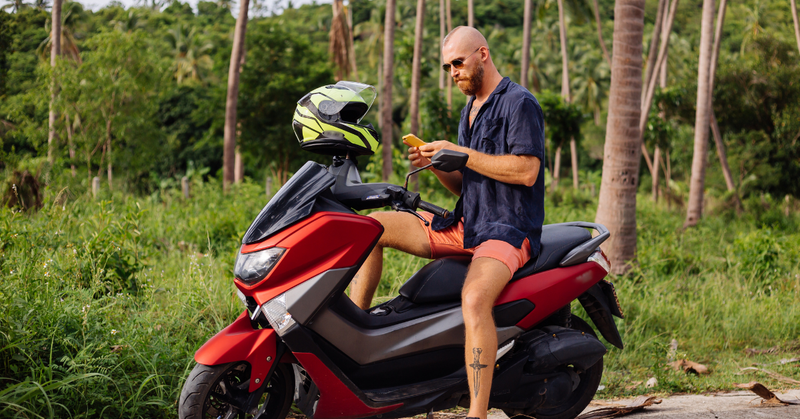
What’s Free With a Cinchy Bali Scooter Rental? Helmet, Hairnet & More
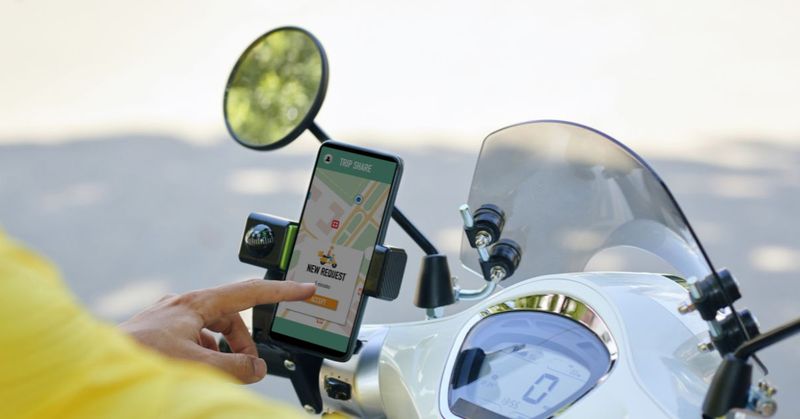
Your Guide to the Best Navigation Apps for Motorcycling Adventures
The Different Between Deposit vs Insurance When Renting a Scooter in Bali, Why Important?
Cinchy Bali Scooter Rental Provides Various Payment Options
What If I Need Help During Renting a Scooter in Cinchy?
 travel tips
 hidden gems
 scooter guides
 riding tips
 bali guides
 cultural insight