1


Stay in Touch
Get the latest updates, special offers, and exclusive Cinchy perks straight to your inbox.


Jl. Plawa No.50, Seminyak, Kec. Kuta, Kabupaten Badung, Bali 80361

CALL US 24/7
(+62-851-7424-6249)
Copied!

We’re Here
Everyday
8:30 AM-9 PM WITA


Payment Partners


© 2026 CINCHY. ALL RIGHTS RESERVED.
Cinchy Blog / Essential Traffic Signs in Bali - A Tourist's Guide
Published: 06 Nov 2026

By Syahrial Maulana Sudarto
Travel Enthusiast
Quick Answer
“What traffic signs should tourists know before riding in Bali?”
Traffic signs in Bali help road users understand speed limits, prohibited movements, potential hazards, and directions. Before riding a scooter, tourists should recognize warning, prohibition, mandatory, and information signs. Understanding these signs makes it easier to navigate Bali’s roads, follow local traffic rules, and ride more safely.
Key Takeaways:
Bali follows Indonesia’s national traffic sign standards. These signs help regulate traffic, warn road users about potential hazards, and provide directions across different types of roads.
Under Indonesia’s traffic sign regulations, road signs are generally divided into four main categories:
Recognizing these categories makes it easier to understand traffic signs in Bali, even when you are unfamiliar with the Indonesian language.
Warning signs alert riders to potential dangers ahead. They are particularly important when traveling through unfamiliar areas, winding roads, or locations with changing road conditions.
Here are some common warning signs you may encounter in Bali:
These signs indicate that the road ahead has a sharp bend or several consecutive turns. Reduce your speed before reaching the turn and avoid sudden braking or acceleration.
You may encounter these signs on hilly roads, mountain routes, and roads leading to Bali’s rural attractions.
A slippery road sign warns that the road surface may have reduced traction. This can happen after rain, particularly on roads covered with mud, sand, gravel, or fallen leaves.
Ride more slowly, maintain a safe distance, and avoid sudden movements when passing through these areas.
This sign indicates that the road becomes narrower ahead. It may appear when approaching a bridge, a construction area, or a road section with limited space.
Slow down and pay attention to vehicles approaching from the opposite direction.
A pedestrian crossing sign warns riders that people may cross the road ahead. Reduce your speed and be prepared to stop, especially near schools, markets, temples, and busy tourist areas.
Roadworks signs indicate construction or maintenance activities ahead. You may encounter temporary barriers, uneven surfaces, workers, or changes to the usual traffic route.
Follow the temporary signs and instructions from traffic officers when passing through construction areas.
Prohibition signs indicate actions that road users are not allowed to take. They are commonly displayed at intersections, busy streets, restricted areas, and roads with specific traffic regulations.
Some important prohibition signs include:
A No Entry sign means that vehicles are prohibited from entering a particular road or section. Do not enter even if the road looks accessible or appears quieter than the alternative route.
This sign indicates that parking is not permitted in the designated area. Pay attention to these signs around tourist attractions, shopping areas, restaurants, and busy streets.
Parking in prohibited areas may obstruct traffic and result in penalties.
If you’re riding in Bali, make sure to know parking etiquette in Bali to make sure you’re not punished by police and disturb other people.
A No Stopping sign means you cannot stop your vehicle in the designated area, even briefly. This restriction is different from No Parking, which specifically prohibits parking.
Avoid stopping in these areas to take photos, check directions, or wait for someone.
This sign prohibits riders from making a U-turn at a particular location. If you miss a turn, continue until you find a permitted place to change direction.
A No Overtaking sign prohibits passing other vehicles in the designated road section. This restriction is especially important on narrow roads, sharp bends, and areas with limited visibility.
Speed limit signs indicate the maximum permitted speed on a particular road. Always follow the displayed limit and adjust your speed according to road conditions, traffic, and visibility.
A No Motorcycles sign indicates that motorcycles are not permitted to enter a particular road or area. If you encounter this sign while riding a scooter, follow the restriction and find an alternative route.
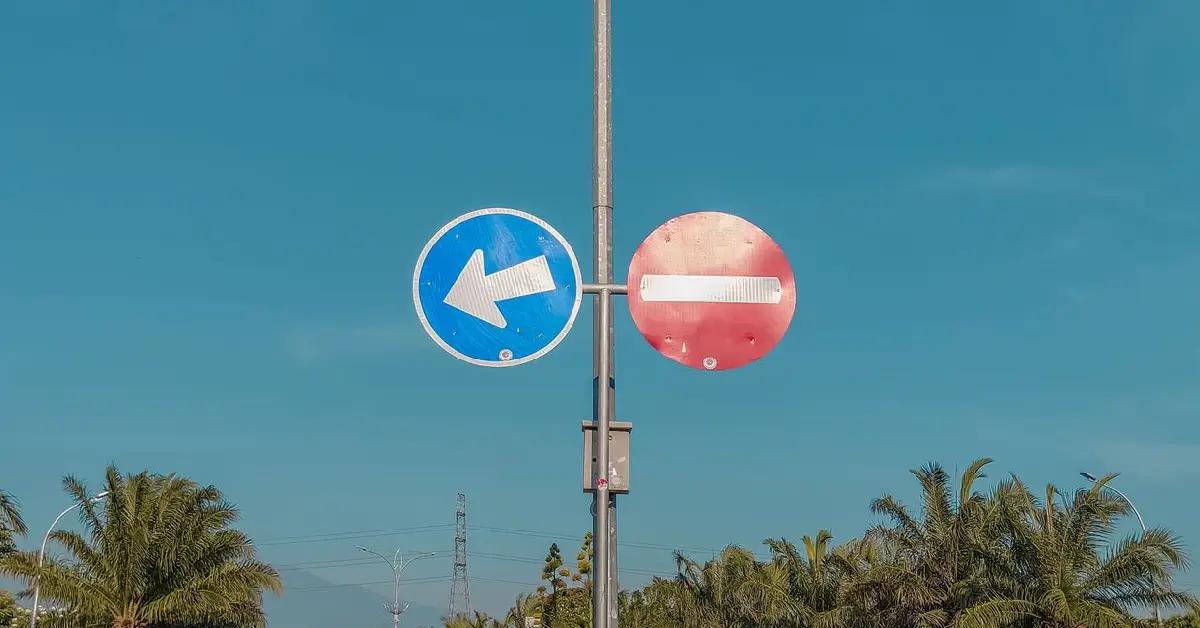
Mandatory signs tell road users which direction or action they must follow. Unlike warning signs, which simply alert you to possible hazards, mandatory signs communicate specific instructions.
Common examples include:
These signs instruct riders to turn in the indicated direction. They may appear at intersections where certain movements are required.
Follow the arrow and avoid turning in another direction, even if your navigation app suggests otherwise.
A Straight Ahead sign indicates that riders must continue forward. Turning left or right may be prohibited at that location.
This sign instructs road users to keep to the left side of the road or an indicated traffic island. It is particularly useful at road dividers, traffic islands, and junctions.
Roundabout signs show the direction in which traffic must move around a roundabout. Follow the indicated direction and give way according to the applicable traffic rules.
Read Also:
A Comprehensive Guide About Traffic Fines in Bali
Bali Scooter Checkpoint Guide 2026 – Police Rules & Tips
4 Longest Traffic Lights in Bali, Almost 3 Minutes!
Honking Etiquette in Bali - Scooter Rules
Information signs help riders navigate roads and identify nearby destinations or facilities. They are useful when exploring Bali, especially if you are traveling between unfamiliar neighborhoods or tourist attractions.
Some information signs you may encounter include:
Information signs can make navigation easier, but always check the surrounding road conditions before following a route.
Although many road signs use familiar symbols, some signs also contain Indonesian words. Learning a few basic terms can help you understand local traffic instructions more quickly.
Here are some useful Indonesian traffic terms:
You do not need to memorize every Indonesian traffic term before riding. However, recognizing these common phrases can help you respond to road instructions and temporary traffic changes.
Traffic signs are not the only things you need to pay attention to when riding in Bali. Traffic lights and road markings also help regulate vehicle movements.
Traffic lights generally use three familiar colors:
Some intersections in Bali can be busy, particularly during commuting hours. Even when the light turns green, check for vehicles and pedestrians before moving forward.
Road markings provide additional instructions and help organize traffic flow. Some common examples include:
Always pay attention to road markings, especially at intersections and busy junctions.
Bali occasionally experiences temporary road closures due to religious ceremonies, cultural events, public celebrations, construction, or other local activities.
When this happens, you may see temporary signs, traffic barriers, or officers directing vehicles toward alternative routes.
Do not ignore these instructions simply because your navigation app still shows the original route. Follow the directions provided by authorized officers and use the designated alternative road.
Knowing what traffic signs mean is important, but applying that knowledge while riding is equally essential. Here are several practical tips for navigating Bali's roads.
Navigation apps are useful for finding destinations, but their route recommendations do not always reflect temporary road closures, local restrictions, or updated traffic arrangements.
Always prioritize official road signs and instructions from traffic officers over navigation suggestions.
In Indonesia, vehicles generally travel on the left side of the road. If you come from a country that uses right-hand traffic, take time to adjust before riding.
Pay extra attention when turning at intersections, entering roundabouts, and joining larger roads.
Warning signs are there to help you anticipate potential hazards. Reduce your speed when approaching sharp turns, slippery surfaces, narrow roads, or construction areas.
Avoid sudden braking, especially when riding on wet or uneven surfaces.
Road conditions in Bali can change due to ceremonies, festivals, construction, and local activities. Be prepared to follow temporary signs and traffic diversions.
If a road is closed, do not attempt to pass through barriers or follow other vehicles into restricted areas.
Traffic officers may direct vehicles at busy intersections, crowded tourist areas, and locations with temporary traffic arrangements.
Their instructions help maintain traffic flow and safety. Follow their directions even when traffic lights or your navigation app indicate something different.
Understanding traffic signs is only one part of preparing for a scooter ride in Bali. You should also make sure you meet the local riding requirements and choose a scooter that suits your travel needs.
Before riding, check that you have the appropriate driving license for Indonesia, wear a properly fastened helmet, and familiarize yourself with the scooter's controls.
It is also a good idea to inspect the tires, brakes, lights, mirrors, and fuel level before starting your trip. If you notice a problem, address it before entering busy traffic.
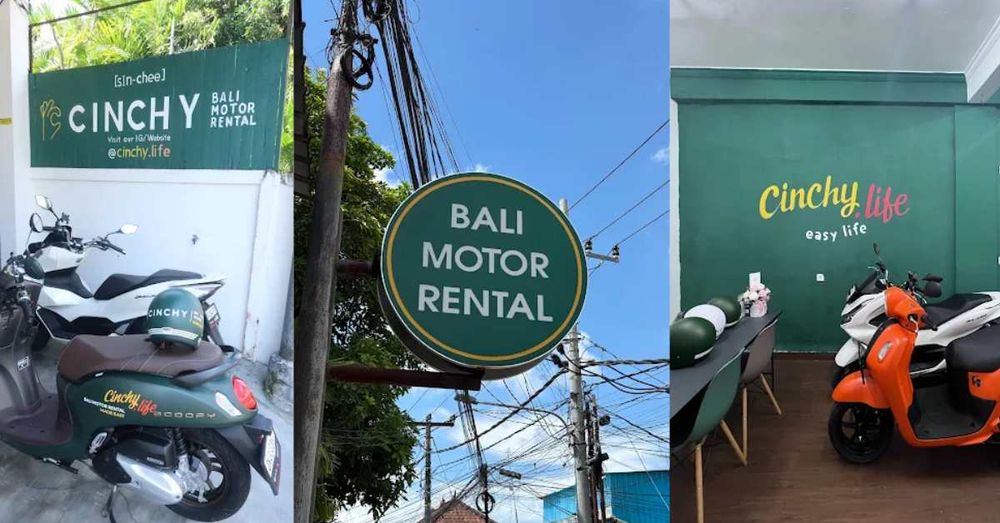
Looking for the best scooter to explore Bali?
Cinchy makes scooter rental in Bali easier with online booking and real-time availability. You can check available units, choose your rental period, and arrange delivery to your preferred location.
Cinchy also provides 24/7 support and maintained scooter units, helping you prepare for your trip with greater convenience.
Cinchy offers two scooter categories for different riding preferences:
The Compact category includes models such as Scoopy, Fazzio, and Vario. These scooters are suitable for riders who prefer a compact and practical option for exploring Bali.
The Comfort category includes NMAX and PCX models. These scooters offer a larger riding profile and may suit travelers who prefer additional comfort for longer journeys.
The weekly and monthly prices are daily rates for the respective rental packages.
Cinchy provides scooter delivery and pickup services in several areas of Bali. The applicable fees are:
Airport delivery is available until 9 PM. Arrange your delivery time in advance to make sure the scooter is ready when you need it.
So, what are you waiting for?
👉 Rent a scooter in Cinchy now, book early and save 5% with code EARLY5!
If you're still uncertain about your next steps, don't worry, as we're here to address all your queries and concerns.
The four main categories are warning signs, prohibition signs, mandatory signs, and information signs. Each category has a different purpose, from alerting road users to potential hazards to providing directions and restrictions.
Some signs use internationally recognized symbols, while others include Indonesian words. Learning common terms such as Dilarang Masuk, Dilarang Parkir, and Kurangi Kecepatan can help tourists understand local road instructions.
Yes. Tourists must follow temporary signs, road closures, and traffic diversions. These arrangements may be introduced for religious ceremonies, public events, construction, or other local activities.
Indonesia uses left-hand traffic. Vehicles generally travel on the left side of the road, and riders should adjust accordingly when turning, entering intersections, or navigating roundabouts.
Tourists should prepare the appropriate driving license, wear a helmet, understand basic traffic signs, and check the scooter's condition before riding. They should also familiarize themselves with local traffic rules and road conditions.
 travel tips
 hidden gems
 scooter guides
 riding tips
 bali guides
 cultural insight