1


Stay in Touch
Get the latest updates, special offers, and exclusive Cinchy perks straight to your inbox.


Jl. Plawa No.50, Seminyak, Kec. Kuta, Kabupaten Badung, Bali 80361

CALL US 24/7
(+62-851-7424-6249)
Copied!

We’ll be Back
at
8:30 AM-9 PM WITA




Payment Partners


© 2026 CINCHY. ALL RIGHTS RESERVED.
Cinchy Blog / Does Bali Drive on the Left or Right? What Travelers Need to Know
Published: 20 Aug 2026

By Syahrial Maulana Sudarto
Travel Enthusiast
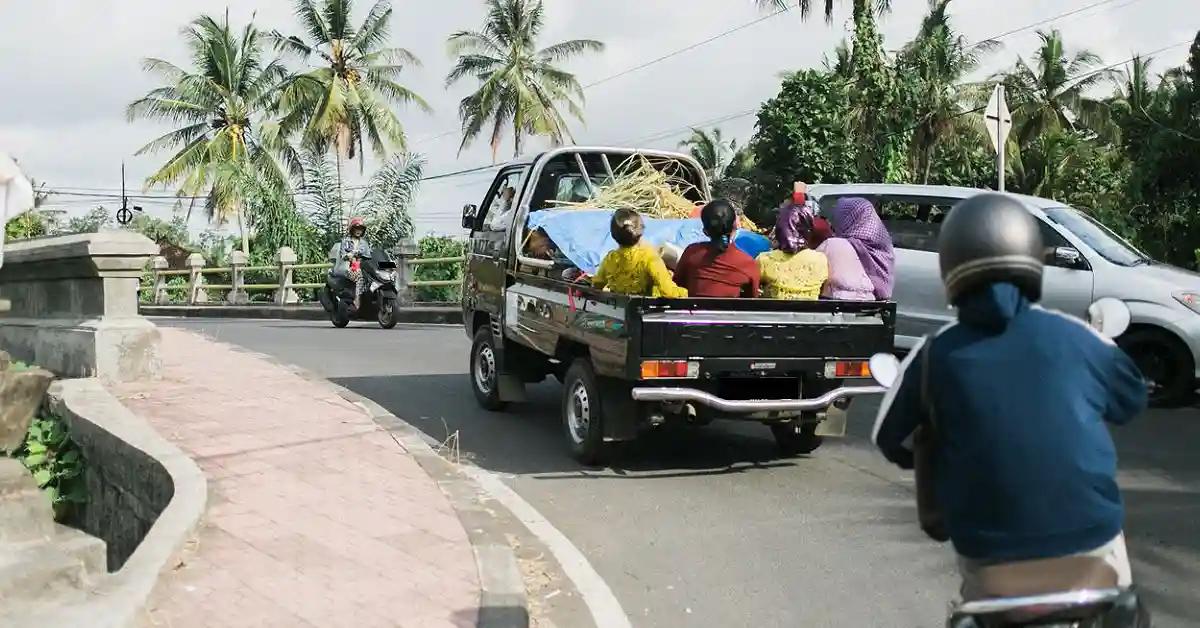
Quick Answer
“Does Bali drive on the left or right?”
Bali drives on the left side of the road. As part of Indonesia, Bali follows the country's left-hand traffic system, so vehicles normally keep left and overtake on the right. Cars generally have the steering wheel on the right. Travelers from right-driving countries may need a little time to adjust, especially at intersections and in busy traffic.
Key Takeaways:
Bali drives on the left, not the right.
This is not a special rule that applies only to Bali. Bali follows Indonesia's national traffic system, where road users are required to use the left side of the road.
Article 108 of Indonesia's Law No. 22 of 2009 states that road users must use the left side, with the right side used in specific circumstances such as overtaking.
Indonesia's official tourism website also confirms that people drive on the left-hand side of the road in Indonesia.
For a traveler, the simplest rule to remember is:
Keep left when driving normally and use the right side when overtaking, turning right, or where road signs and markings indicate otherwise.
If you normally drive in a country with right-hand traffic, the road orientation may initially feel unfamiliar.
When driving in Bali, your vehicle should generally remain on the left side of the road. Traffic coming toward you will normally be on your right.
When you need to overtake another vehicle, you generally move to the right side, provided there is enough visibility and space to do so safely. Indonesian traffic law specifically requires drivers overtaking another vehicle to use the right side and ensure that the road ahead is clear.
This means the basic pattern is:
Normal driving → keep leftOvertaking → move right when safeReturning to your lane → move back left
Do not copy every maneuver you see from other road users, however.
Local traffic can be unpredictable, and following road signs, markings, and safe driving practices is more important than imitating someone else's behavior.
This is an important distinction because the terms can easily cause confusion.
Bali uses left-hand traffic, while vehicles generally use right-hand drive.
In other words, “left-hand traffic” describes which side of the road vehicles drive on
“Right-hand drive” describes where the steering wheel is positioned inside.
So, if you rent a car in Bali, you will generally find the driver's seat and steering wheel on the right side.
This arrangement is also common in countries such as the United Kingdom, Australia, Japan, Singapore, and Malaysia.
If you are from the United States, Canada, Germany, France, or another right-driving country, both the road position and steering-wheel position may feel different at first.
If you have previously driven in a left-driving country, Bali's road orientation may feel more familiar.
| Country or region | Driving side |
| Indonesia / Bali | Left |
| United Kingdom | Left |
| Australia | Left |
| Japan | Left |
| Singapore | Left |
| Malaysia | Left |
| Thailand | Left |
| United States | Right |
| Canada | Right |
| France | Right |
| Germany | Right |
| Italy | Right |
The comparison is especially useful for travelers who are deciding whether self-driving in Bali will feel comfortable.
If you normally drive on the left, the basic road orientation should not be particularly unusual. If you normally drive on the right, give yourself extra time to adjust before tackling busy areas.
The basic left-side rule is relatively simple. The more difficult part can be adapting to Bali's overall traffic environment.
Bali's roads can include potholes and extremely narrow lanes, while the large volume of scooters can make driving particularly demanding.
This is why knowing that Bali drives on the left is only the first step.
You also need to understand how traffic flows around you and avoid making sudden maneuvers simply because another road user does something unexpected.
Expect traffic to feel different from what you may be used to at home.
In popular areas, traffic can become congested, while smaller roads may be narrow and require drivers to slow down.
Intersections can also feel confusing when multiple vehicles and scooters approach from different directions.
The best approach is to drive defensively, maintain a safe speed, leave enough space around your vehicle, and avoid rushing.
When you are driving normally, stay on the left side of the road and follow the available lane markings.
Avoid drifting toward the center or right side simply because the road appears empty.
Indonesian traffic law provides that overtaking should generally be performed on the right when there is sufficient visibility and space.
Never overtake simply because another vehicle is moving slowly. Check the road ahead, signal appropriately, and make sure the maneuver can be completed safely.
Scooters are a major part of Bali's traffic environment. You may encounter several scooters around you, particularly in busy tourist destinations.
Keep a predictable line, check your mirrors regularly, and avoid sudden lane changes.
Intersections deserve extra attention, especially if you are unfamiliar with left-side traffic.
Reduce your speed, check both directions, look for road signs and markings, and watch for vehicles or scooters approaching from unexpected angles.
Some Bali roads are considerably narrower than roads travelers may be accustomed to in their home countries.
On narrow roads, slow down and give approaching vehicles enough space. Do not insist on maintaining your position if doing so creates a dangerous situation.
Driving on an unfamiliar road at night requires more attention. Limited visibility, unfamiliar turns, pedestrians, and other road users can make navigation more difficult.
If you have just arrived in Bali after a long flight, consider whether you are sufficiently rested and familiar with your route before driving.
If you’re riding a scooter in Bali at night, make sure to check our tips to safe riding here: Is It Safe to Ride at Night in Bali? Here Are The Tips You Should Know.
Yes. Travelers should have the appropriate driving documents before driving in Bali.
Indonesia's official tourism authority states that foreigners can drive in Indonesia using an international driving permit together with their home-country driver's license, subject to the applicable requirements.
For travelers renting a scooter, make sure your license and international driving permit cover the relevant vehicle category.
Having the correct documents is important not only for legal compliance but also when dealing with insurance or an accident.
The minimum age for driving with an Indonesian driver's license is 17.
Always follow local signs and road conditions rather than treating these figures as a universal speed target.
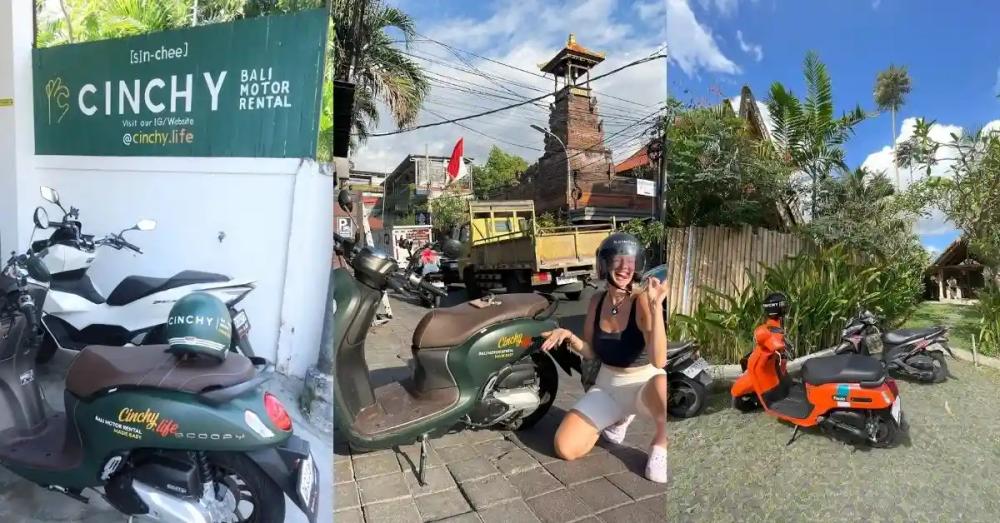
If you are looking for a convenient way to explore Bali after getting familiar with its left-hand traffic system, Cinchy offers well-maintained scooters that are regularly serviced, with a straightforward rental process and 24/7 customer support.
You can also arrange delivery and pickup, including free service around Seminyak and Ngurah Rai International Airport.
Cinchy offers two main scooter categories:
The rental can be arranged with options for Basic Coverage, Full Coverage, or VIP coverage, depending on the protection you prefer.
Required documents include a valid ID, an appropriate driving license, round-trip flight tickets, and hotel booking information for the rental period.
Delivery and pickup are free at Ngurah Rai Airport, Seminyak, Kuta, and Legian, while fees apply for Canggu, Sanur, and Nusa Dua.
If you are planning a Bali trip during peak season, booking early with code EARLY5 gives you 5% off.
👉 Rent a scooter in Cinchy now, book early and save 5% with code EARLY5!
If you're still uncertain about your next steps, don't worry, as we're here to address all your queries and concerns.
Bali drives on the left side of the road. Vehicles generally keep left, while overtaking is done on the right when it is safe and permitted.
Bali uses left-hand traffic, while cars generally have the steering wheel on the right. These terms describe two different things: road position and vehicle configuration.
Yes. The United States uses right-hand traffic, while Bali uses left-hand traffic. American travelers should take extra time to adjust to the different road orientation.
The left-side rule itself is not particularly complicated. Bali's traffic, narrow roads, scooters, intersections, and changing road conditions can be more challenging for first-time drivers.
Generally, yes. Indonesian traffic law requires overtaking to be done on the right when there is sufficient visibility and space, subject to specific exceptions.
Foreign travelers can drive in Indonesia when they meet the applicable licensing requirements. Indonesia Travel advises foreign drivers to carry their home-country driver's license together with an international driving permit.
 travel tips
 hidden gems
 scooter guides
 riding tips
 bali guides
 cultural insight