1


Stay in Touch
Get the latest updates, special offers, and exclusive Cinchy perks straight to your inbox.


Jl. Plawa No.50, Seminyak, Kec. Kuta, Kabupaten Badung, Bali 80361

CALL US 24/7
(+62-851-7424-6249)
Copied!

We’re Here
Everyday
8:30 AM-9 PM WITA


Payment Partners


© 2026 CINCHY. ALL RIGHTS RESERVED.
Cinchy Blog / 4 Longest Traffic Lights in Bali, Almost 3 Minutes!
Published: 30 Oct 2026

By Syahrial Maulana Sudarto
Travel Enthusiast
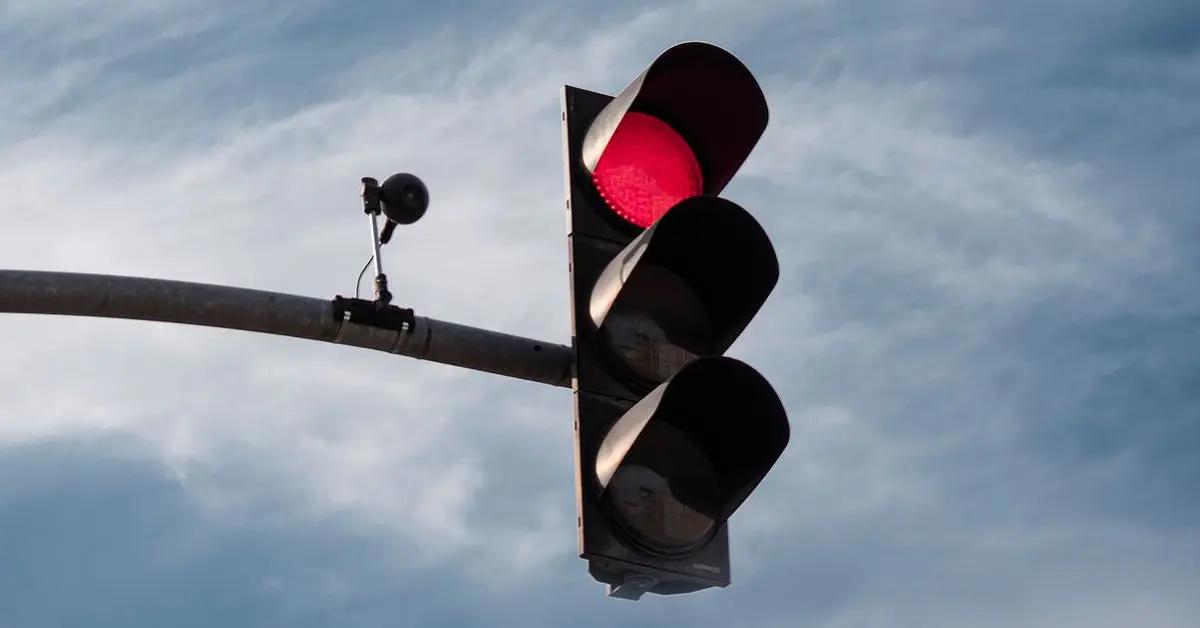
Quick Answer
“Where can you find the longest traffic light in Bali, and how long do you have to wait?”
The longest red light in Bali is at the Pesanggaran intersection in South Denpasar, where the reported waiting time reaches 189 seconds, or 3 minutes and 9 seconds. Other notably long traffic lights are found at Padang Galak, Udayana University, and Tanjung Benoa, with red-light durations ranging from 148 to 162 seconds.
Key Takeaways:
Bali is known for its beaches, cultural attractions, and vibrant tourism areas.
However, traffic congestion is also part of everyday life, particularly around major roads connecting Denpasar, Jimbaran, Sanur, and Nusa Dua.
Some intersections have unusually long red-light durations to accommodate different traffic movements.
Here are four locations with some of the longest reported red lights in Bali:
The Pesanggaran intersection takes the top position on this list, with a reported red-light duration of 189 seconds.
That means drivers and scooter riders may have to wait for more than three minutes before getting their turn to move.
Located in South Denpasar, this intersection is an important connection point for vehicles travelling from the city centre and Jalan Raya Sesetan towards the Bali Mandara Toll Road and Benoa Port.
Its strategic position means that different types of vehicles regularly pass through the area.
These include private cars, scooters, commercial vehicles, and logistics trucks heading towards the port.
Managing these traffic movements requires careful signal timing.
Longer waiting periods for certain approaches can help provide sufficient green-light time for other traffic flows, particularly along major routes.
If you are travelling towards Benoa Port or the toll road from the Sesetan area, consider allowing extra time for this intersection.
The Padang Galak intersection ranks second, with a reported red-light duration of 162 seconds.
Situated around the Sanur and Kesiman areas, this intersection connects traffic along the Ngurah Rai Bypass with roads leading towards Padang Galak Beach and other parts of East Denpasar.
The intersection experiences different traffic movements throughout the day.
Vehicles travelling along the bypass share the road with those entering or leaving nearby residential and tourism areas.
According to the reported traffic signal timing, the complete cycle lasts 210 seconds. During this period, the red light stays on for 162 seconds, followed by 45 seconds of green and 3 seconds of yellow.
Interestingly, a 2025 traffic-performance study also examined the Padang Galak intersection.
It identified substantial vehicle queues and traffic delays, indicating that congestion in this area involves more than just the length of its red-light phase.
Therefore, if you plan to travel between Sanur, Padang Galak, and other parts of Denpasar, checking traffic conditions before departure can help you prepare for potential delays.
The third-longest traffic light on this list is located near Udayana University (Universitas Udayana) in Jimbaran, South Kuta.
With a reported red-light duration of 152 seconds, this intersection can be another waiting point for people travelling around the Jimbaran area.
The intersection connects traffic along the main Denpasar–Nusa Dua route with roads leading towards the university campus and surrounding residential areas.
Traffic can become particularly busy during university arrival and departure periods. Students, employees, residents, and other road users contribute to the daily vehicle flow around the intersection.
Its reported traffic signal cycle lasts 195 seconds, with 40 seconds allocated to green and 2 seconds to yellow.
If your itinerary includes Jimbaran, especially during busy weekday periods, remember to account for possible waiting times around the university intersection.
The Tanjung Benoa intersection completes this list with a reported red-light duration of 148 seconds.
Although it ranks fourth in terms of red-light duration, this intersection has an interesting distinction: its total traffic light cycle reaches 215 seconds, making it the longest reported cycle among the four locations.
The intersection manages vehicle movements towards Tanjung Benoa, a popular tourism destination known for its water sports activities, as well as the hotel and resort areas of Nusa Dua and the ITDC complex.
Its green-light phase lasts 65 seconds, which is longer than the other three intersections on this list.
This provides additional time for vehicles, including larger tourist buses, to move through and clear the intersection.
If you are heading towards Tanjung Benoa's beaches, water sports centres, or Nusa Dua hotels, be prepared for a potentially lengthy wait at this traffic light.
To make the differences easier to understand, here is a comparison of the four intersections based on their reported traffic signal timings.
| Intersection | Red | Green | Yellow | Cycle |
| Pesanggaran | 189 sec | Not specified | Not specified | 225 sec* |
| Padang Galak | 162 sec | 45 sec | 3 sec | 210 sec |
| Udayana University | 152 sec | 40 sec | 2 sec | 195 sec |
| Tanjung Benoa | 148 sec | 65 sec | 2 sec | 215 sec |
The Pesanggaran cycle time is based on the previously reported figure; a complete breakdown of its individual signal phases is not available here. The reported Udayana phase durations also differ by one second from the reported total cycle time.
Based on these figures, Pesanggaran has the longest red-light duration, while Tanjung Benoa has the longest green-light phase.
It is also worth remembering that red-light duration and total cycle time are different measurements. A longer cycle does not necessarily mean that a particular approach has the longest red light.
These figures represent previously reported traffic data, rather than live measurements. Actual signal timings may change depending on traffic management adjustments.
Long red-light durations are generally related to how traffic authorities manage vehicle movements at busy intersections.
Several factors can influence traffic signal timing, particularly at major roads connecting commercial, residential, and tourism areas.
Intersections with heavy traffic need to accommodate vehicles travelling in different directions.
When one road carries substantially more traffic than another, signal timing may be adjusted to provide sufficient green-light time for the busier approach.
Major roads such as the Ngurah Rai Bypass carry substantial traffic throughout the day.
Giving these routes sufficient green-light time can help prevent vehicle queues from extending too far and affecting nearby intersections.
Traffic lights operate through different signal phases, including red, yellow, and green.
Their duration is determined by traffic management requirements, intersection conditions, and the need to provide safe movement for different approaches.
The number of vehicles an intersection can accommodate also influences traffic flow.
If vehicle queues become too long, they may block other approaches and create congestion beyond the original intersection.
In Denpasar, traffic management is also supported by the Area Traffic Control System (ATCS), which helps monitor and coordinate traffic signals across connected intersections.
However, not every traffic light necessarily operates with identical adaptive settings. Signal timing can differ depending on the intersection's configuration and traffic requirements.
Traffic light cycle time refers to the total time required for a complete sequence of traffic signal phases before the sequence repeats.
It generally consists of three main phases:
For example, Padang Galak has a reported cycle time of 210 seconds. Its red-light phase lasts 162 seconds, followed by 45 seconds of green and 3 seconds of yellow.
Understanding this difference helps explain why a traffic light may have a relatively long waiting period even when its complete cycle is longer.
To know more about traffic rules in Bali, make sure to read this e-book: Top Safety Tips for Riding in Bali.
Waiting at traffic lights is part of riding around Bali, especially near busy intersections. However, a few simple preparations can make your journey more comfortable and help you stay safe.
Use Google Maps or available traffic monitoring services to check congestion along your planned route. For Denpasar, you can also look for traffic information through ATCS CCTV services.
Avoid planning your journey too tightly. Major intersections may require additional waiting time, especially during busy periods or holidays.
Keep enough space between your scooter and the vehicle in front of you. This is particularly important near large vehicles such as buses and trucks, which may need more room to manoeuvre.
Always respect traffic signals and stop behind the designated stop line. Avoid moving forward into pedestrian crossings or entering the intersection before your signal turns green.
Bali's tropical weather can make waiting on the road uncomfortable.
Wear breathable clothing, use a properly fitted helmet, and bring drinking water when travelling longer distances.
Some scooters come with an Idling Stop System (ISS), which automatically switches off the engine during certain stops and restarts it when needed.
If your scooter has this feature, use it according to the manufacturer's instructions and the surrounding traffic conditions.
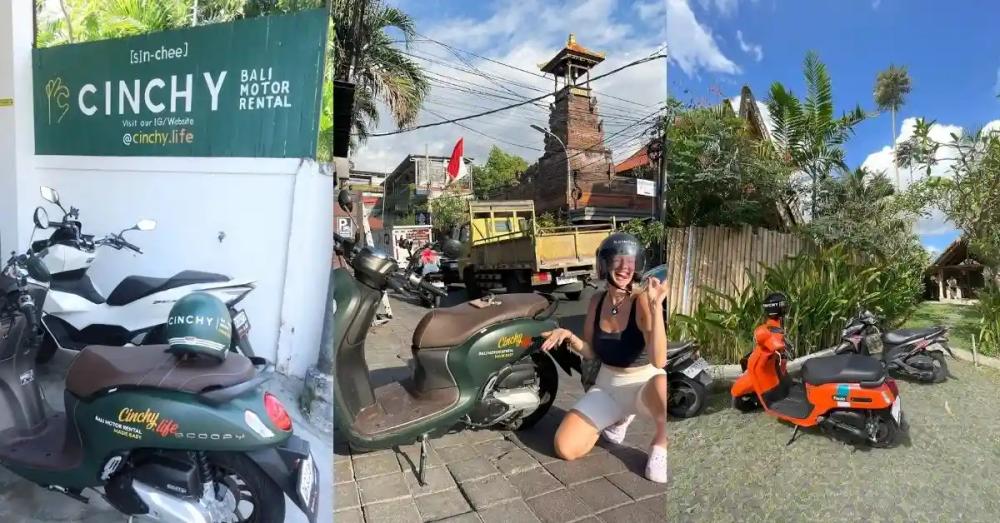
If you are planning to explore Bali independently, having a reliable scooter can make travelling between destinations more convenient.
Cinchy offers Compact and Comfort scooter categories, with rental options for daily, weekly, and monthly stays.
You can check real-time scooter availability through the official website before booking.
This allows you to see which units are available for your selected dates, whether you are visiting during peak season or a quieter period.
Cinchy regularly services its scooters to maintain their condition and support a safer riding experience.
Each rental also includes essential facilities such as a helmet, hair net, phone holder, and raincoat.
You can also choose additional options, including a brand-new helmet, a replacement helmet visor, or a full tank of fuel.
Before booking, prepare the following documents:
Cinchy also provides three insurance options: Basic, Full, and VIP. Basic coverage has a first IDR 2 million deductible for covered repair costs and excludes theft.
Full coverage has no deductible for covered scratches and accident damage, while VIP includes the same zero-deductible damage coverage plus theft protection, subject to compliance with the mandatory theft protocol.
👉 Rent a scooter in Cinchy now, book early and save 5% with code EARLY5!
If you're still uncertain about your next steps, don't worry, as we're here to address all your queries and concerns.
The longest reported red light in Bali is at the Pesanggaran intersection in South Denpasar, with a duration of 189 seconds or 3 minutes and 9 seconds.
The longest reported red-light duration is 189 seconds. This is equivalent to 3 minutes and 9 seconds, making Pesanggaran the longest-waiting location among the four intersections discussed.
The Padang Galak intersection in East Denpasar ranks second, with a reported red-light duration of 162 seconds or 2 minutes and 42 seconds.
Long traffic light durations are generally related to traffic volume, road capacity, and signal timing. Major roads may receive longer green-light phases to help manage vehicle queues and maintain traffic flow.
You can use Google Maps to check traffic congestion and estimated travel times. For additional information, you can also check available ATCS CCTV services in Denpasar and traffic updates from Bali's transportation authorities.
 travel tips
 hidden gems
 scooter guides
 riding tips
 bali guides
 cultural insight