1


Stay in Touch
Get the latest updates, special offers, and exclusive Cinchy perks straight to your inbox.


Jl. Plawa No.50, Seminyak, Kec. Kuta, Kabupaten Badung, Bali 80361

CALL US 24/7
(+62-851-7424-6249)
Copied!

We’ll be Back
at
8:30 AM-9 PM WITA




Payment Partners


© 2026 CINCHY. ALL RIGHTS RESERVED.
Cinchy Blog / Bali Events in August 2026 - What's New?
Published: 28 Jul 2026

By Syahrial Maulana Sudarto
Travel Enthusiast
Quick Answer
“What’s new in Bali for August 2026?”
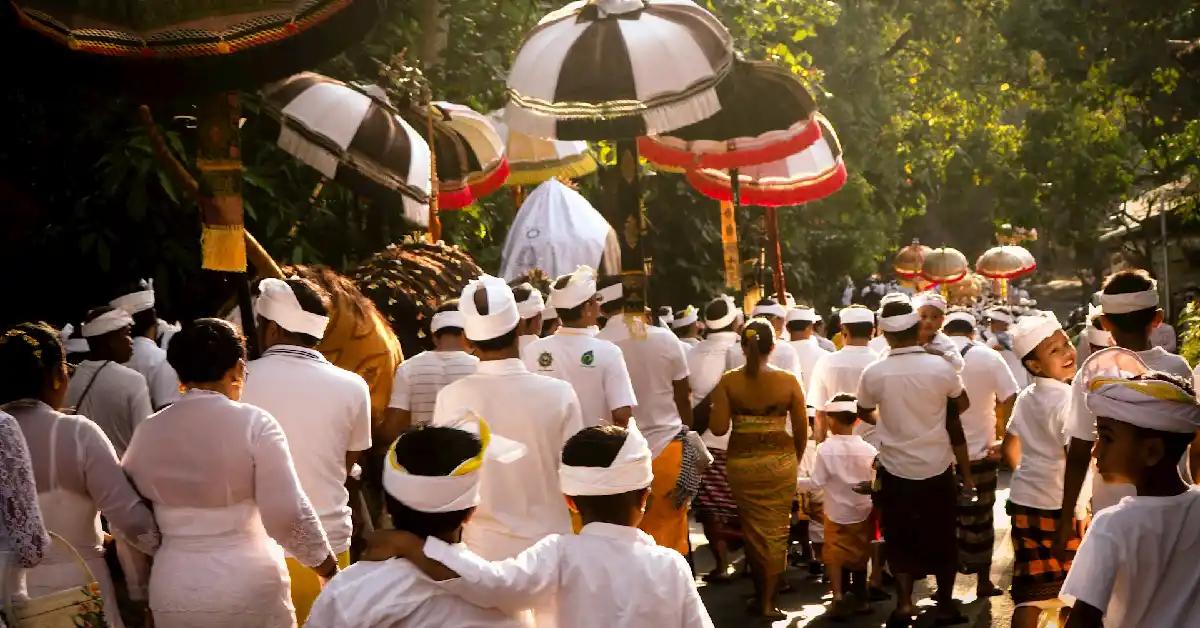
If you're planning a trip to Bali this August, you're in for one of the island's liveliest months. Bali events in August 2026 range from sacred Hindu ceremonies and traditional buffalo races to international jazz festivals and beach parties, giving travelers plenty of reasons to explore beyond Bali's famous beaches.
Key Takeaways:
August is one of the most exciting months to visit Bali. Besides pleasant dry-season weather, the island comes alive with traditional ceremonies, live music, sporting events, food festivals, and cultural performances that showcase the rich heritage of Balinese communities.
Whether you're searching for authentic Bali cultural events, planning your Bali festival calendar for August 2026, or simply looking for unique things to do in Bali in August, these are the events worth adding to your itinerary.
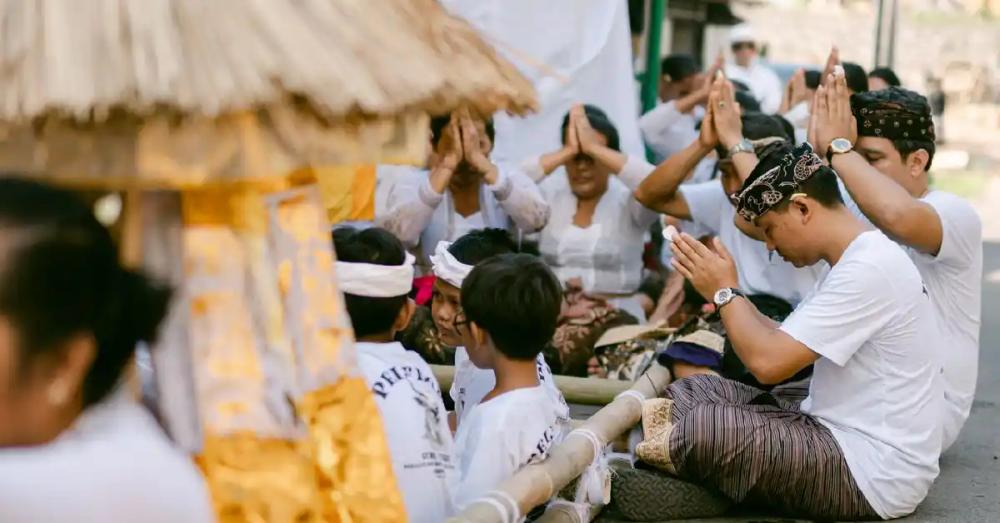
Tumpek Krulut is one of the most meaningful traditional ceremonies you'll encounter during your holiday.
While many visitors casually refer to it as Bali's "Valentine's Day," the celebration is much deeper than that.
It is a spiritual day dedicated to compassion, gratitude, harmony, and strengthening relationships between people, nature, and the divine.
The word Krulut comes from the ancient Kawi word lulut, which represents affection, inner peace, and heartfelt connection. On this sacred day, Balinese Hindus worship Dewa Iswara, the manifestation of God associated with beauty, harmony, and sacred sounds.
One of the most fascinating parts of Tumpek Krulut is its close relationship with music. The day is also widely known as Odalan Gong or Otonan Gamelan, when traditional musical instruments receive blessings before being used in religious ceremonies.
Across Bali, gamelan sets, gongs, and other traditional instruments are carefully cleaned, decorated with offerings, and sprinkled with holy water. These rituals are believed to bless the instruments with taksu, a spiritual energy that allows them to produce beautiful sounds capable of bringing peace and positive energy.
Interestingly, modern musicians sometimes include guitars, violins, or even pianos in these blessing ceremonies, reflecting how Balinese traditions continue to evolve without losing their cultural roots.
If you're staying in Ubud or one of Bali's traditional villages, you'll likely wake up to the sound of gamelan echoing through the morning air. The performances aren't staged for tourists—they're genuine expressions of community devotion.
Many banjar (traditional community halls) also organize mewinten, a special initiation ceremony for young dancers and musicians beginning their artistic journey. Watching these ceremonies offers a rare glimpse into how Balinese culture is passed from one generation to the next.
Several local governments, particularly in Denpasar, often complement the religious celebrations with dance performances, gamelan concerts, and cultural showcases that visitors are welcome to enjoy respectfully.
Credit: Google Maps - Ubud Village Jazz Festival
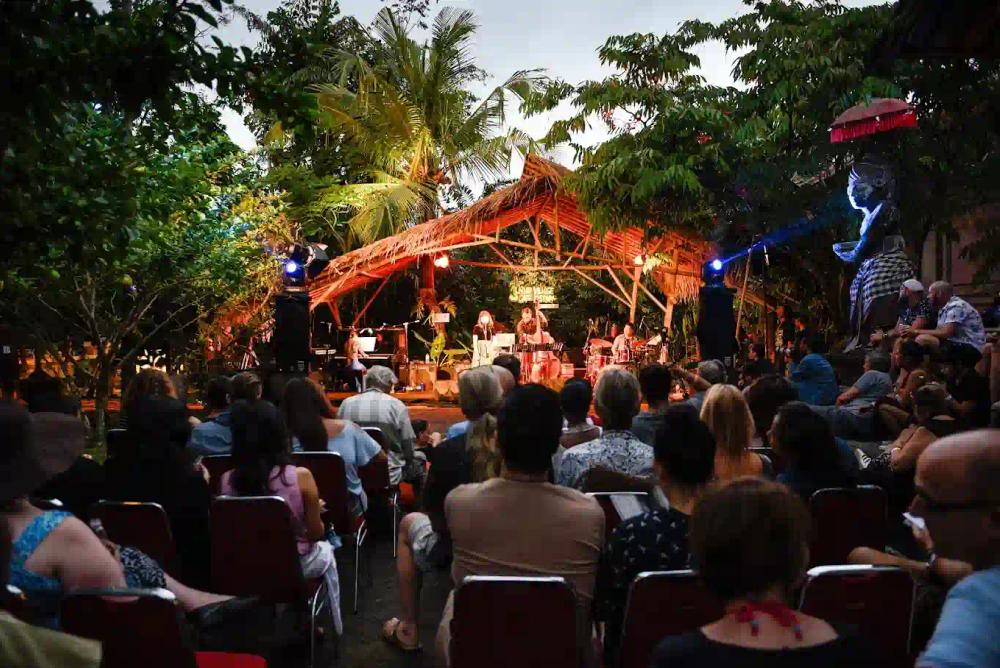
If your idea of a perfect evening includes live music surrounded by lush tropical scenery, the Ubud Village Jazz Festival (UVJF) deserves a place on your itinerary.
Unlike many commercial music festivals, UVJF has built its reputation by staying true to jazz. Instead of mixing multiple genres, the festival focuses entirely on authentic jazz performances, making it one of Asia's most respected jazz festivals.
Now celebrating its 13th edition, the festival is expected to welcome around 100 musicians from across Indonesia, Japan, France, Italy, the Netherlands, Thailand, Vietnam, Singapore, Nepal, the United States, and many other countries.
The riverside setting at Sthala creates an atmosphere that's difficult to replicate anywhere else. As the sun begins to set behind the tropical forest, performances unfold across three intimate stages where audiences can enjoy surprisingly close interactions with the musicians.
Improvised jam sessions, spontaneous collaborations, and relaxed conversations between artists and audiences are all part of what makes UVJF so memorable.
The festival also maintains a strong commitment to sustainability. Organizers continue encouraging environmentally friendly practices by reducing single-use plastics and improving waste management throughout the venue.
If you're arriving in Bali earlier that week, don't miss Ubud Village Jazz Festival by the Sea on Wednesday, August 5, at Reef Beach Club inside The Apurva Kempinski Bali in Nusa Dua. This pre-festival event combines jazz performances with beautiful ocean views, creating an entirely different atmosphere from the main festival in Ubud.
Concerts usually begin around 4:00–4:30 PM, making it easy to spend the morning exploring Ubud before settling in for an evening of world-class music.
Visitors can typically choose between a one-day pass or a two-day festival pass, both available through the festival's official ticketing partners.
If you want to have a day trip to Ubud before or after the concert, please check this out: Itinerary for Day Trip to Ubud [Guide 2026].
Credit: lovebali.baliprov.go.id
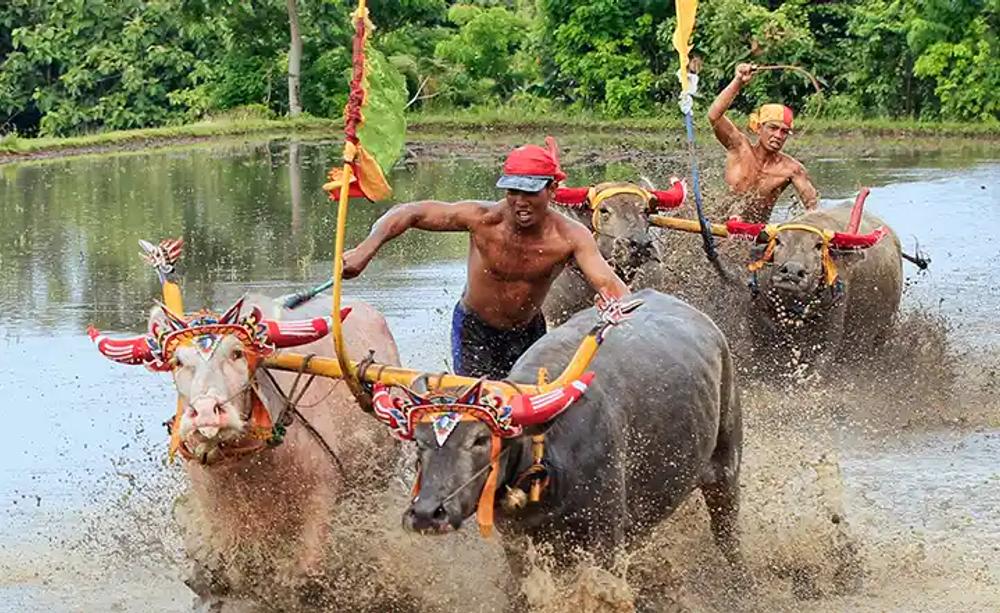
Few cultural experiences in Bali are as thrilling as Makepung, Jembrana's legendary buffalo racing tradition.
Originating from local farming communities in West Bali, Makepung began as friendly competitions between farmers after preparing their rice fields. Over the decades, those informal races evolved into one of Bali's most iconic cultural sporting events.
The name Makepung itself means "to chase each other," perfectly describing the race format.
Unlike buffalo races found elsewhere in Indonesia, Makepung isn't simply about crossing the finish line first. Victory depends on maintaining or closing a specific distance between competing teams.
Two pairs of buffalo race simultaneously along a U-shaped dirt track stretching roughly one to two kilometers. If the leading team finishes more than ten meters ahead, it wins. However, if the chasing team manages to reduce the gap below ten meters before the finish, it claims victory instead.
This unusual scoring system makes every race unpredictable until the very end.
Before the competition even begins, visitors can admire the spectacular decorations worn by each buffalo.
The animals are dressed with elaborate ornaments featuring beautifully carved golden headpieces known as rumbing, while the jockeys stand on specially designed wooden carts called cikar, wearing traditional Jembrana attire.
As the race begins, the atmosphere quickly transforms. Clouds of dust rise behind the charging buffalo, thousands of spectators cheer from both sides of the track, and jockeys skillfully guide their teams around every turn with incredible precision.
Because the races begin around 7:30–8:00 AM, arriving early is highly recommended. The cooler morning temperatures are safer for the buffalo, and early visitors enjoy the best viewing spots before the crowds arrive.
If you happen to miss the main event, another competition, the Makepung Jembrana Cup 2026, is scheduled at the same circuit on August 23, giving travelers another opportunity to witness this extraordinary tradition.
Credit: Instagram @dinaskominfojembrana
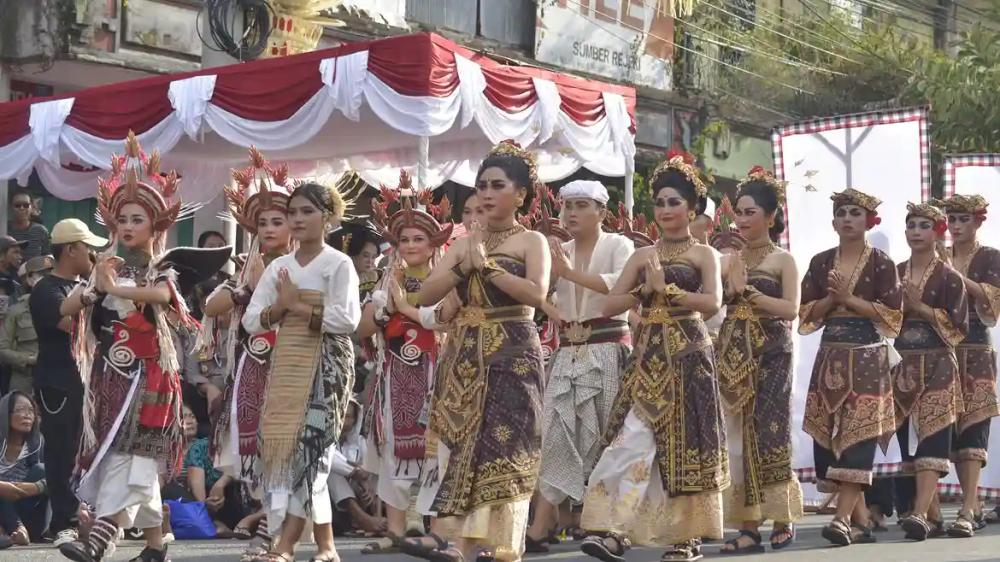
If you want to experience a side of Bali that feels less touristy and deeply rooted in local identity, make time for the Jembrana Cultural Parade.
Held as part of the larger Semarak Jembrana Festival, this celebration marks three important occasions at once: the 131st Anniversary of Negara Town, the 81st Indonesian Independence Day, and the 68th Anniversary of Bali Province.
Located on Bali's western tip, Jembrana has developed a unique cultural identity influenced by Balinese, Javanese, and Malay traditions. This annual parade celebrates that diversity through music, dance, traditional costumes, and community performances that you won't easily find in South Bali.
Thousands of performers from all nine districts of Jembrana participate in the festivities, turning the streets of Negara into an open-air cultural stage.
One of the biggest highlights is the Miniature Makepung Parade, featuring beautifully decorated replicas of the famous buffalo racing carts. These colorful floats are adorned with intricate golden carvings, while participants dress as traditional Makepung jockeys carrying ceremonial whips.
Another unforgettable performance is the thunderous sound of Gamelan Jegog.
Unlike the bronze gamelan commonly heard in central and southern Bali, Jegog instruments are made from giant bamboo. Their deep, resonant tones create a powerful rhythm that can be felt as much as heard, giving the parade a distinctive atmosphere unique to West Bali.
Visitors can also enjoy the Mekepung Dance, where hundreds of dancers recreate the speed and energy of buffalo racing through expressive choreography accompanied by fast-paced gamelan music.
The parade also reflects Jembrana's multicultural heritage. Along the route, you'll find Hadrah performances from the Loloan Malay community, traditional martial arts demonstrations, and guest cultural groups from neighboring regions, including Banyuwangi in East Java.
Beyond the parade itself, the festival offers plenty to explore throughout the week.
Local craft exhibitions showcase handwoven Endek textiles from Jembrana, while food stalls serve regional specialties rarely found elsewhere in Bali. Evening concerts, traditional games, and family-friendly entertainment keep the celebration going well after sunset.
Most street performances begin around 2:00 PM, so arriving early is a good idea if you'd like a front-row view.
One of the best things about this event is that it's completely free, making it an excellent addition to any traveler's Bali festival calendar in August 2026.
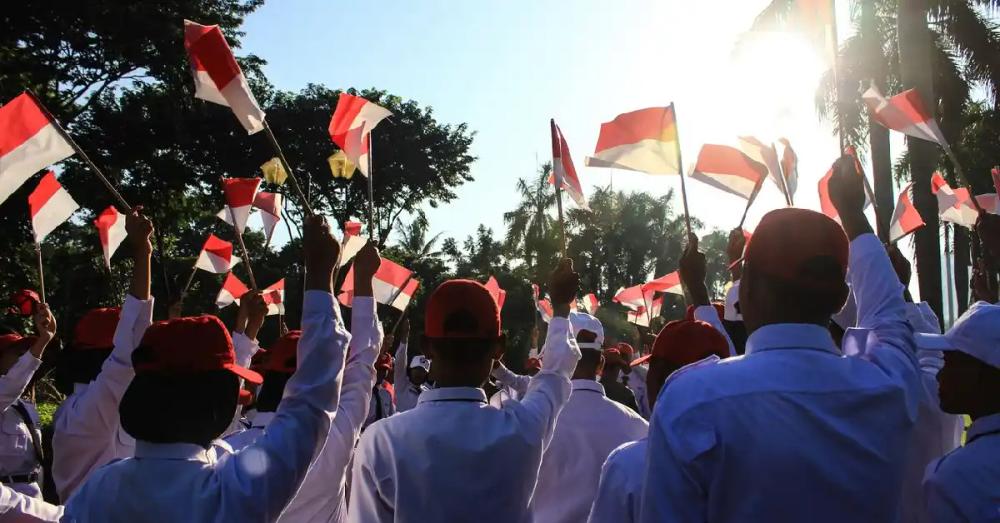
Besides cultural festivals and international events, one of the most meaningful Bali events in August 2026 is the celebration of Indonesia Independence Day on 17 August.
Every year, Bali becomes even more vibrant as local communities, schools, businesses, hotels, and tourism areas decorate their surroundings with the colors of the Indonesian flag, red and white.
For Indonesians, Independence Day is more than just a national holiday. It is a moment to remember the country’s history, celebrate unity, and appreciate the spirit of togetherness that continues to connect communities across the archipelago.
In Bali, the celebration has its own unique atmosphere because national pride blends naturally with the island’s strong cultural traditions.
During the weeks leading up to 17 August, you will notice many streets, villages, and public areas decorated with Indonesian flags, colorful ornaments, and creative decorations made by local communities.
Traditional competitions, commonly known as lomba 17 Agustus, are also one of the most anticipated parts of the celebration.
Visitors may see locals participating in fun community activities such as:
These activities usually take place in villages, schools, and community halls (balai banjar), creating a warm and friendly atmosphere where visitors can experience the local side of Bali.
The morning of 17 August is marked by official flag-raising ceremonies held throughout Bali.
Government offices, schools, and local communities usually organize ceremonies where participants wear formal uniforms or traditional Balinese attire.
In some areas, Independence Day celebrations are also combined with cultural performances, including Balinese dance shows, traditional music performances, and community gatherings.
For travelers, this is a great opportunity to witness how Indonesian national celebrations and Balinese cultural identity come together in one meaningful occasion.

atlas beach club - credits: @atlasbeachclub
Travelers looking for Bali's biggest nightlife event should keep August 15 free. Atlas Beach Club is celebrating its 4th Anniversary with what promises to be one of the island's largest beach parties of the year.
The headline act is none other than OFFSET, the internationally renowned American rapper and former member of Migos. Known for energetic live performances and chart-topping hits, his appearance is expected to draw thousands of visitors from around the world.
As the world's largest beach club, Atlas is transforming its beachfront venue into a full-scale festival space.
Expect massive LED screens, immersive visual effects, synchronized laser shows, and a world-class sound system designed to create an unforgettable concert experience right on Berawa Beach.
The celebration begins around 1:00 PM and continues until late at night, giving guests plenty of time to enjoy the beach atmosphere before the main performances start.
One of the biggest draws is the setting itself. Watching the sunset over Berawa Beach before the headline performance begins creates a uniquely Bali experience that combines tropical scenery with international entertainment.
General Admission tickets are typically released in several phases, starting with Super Early Bird pricing before increasing closer to the event.
For visitors planning to stay throughout the day, reserving a sofa or daybed well in advance is highly recommended, as premium seating usually sells out quickly.
Keep in mind that General Admission tickets generally do not include food or beverages, and the event is restricted to guests aged 16 and above.
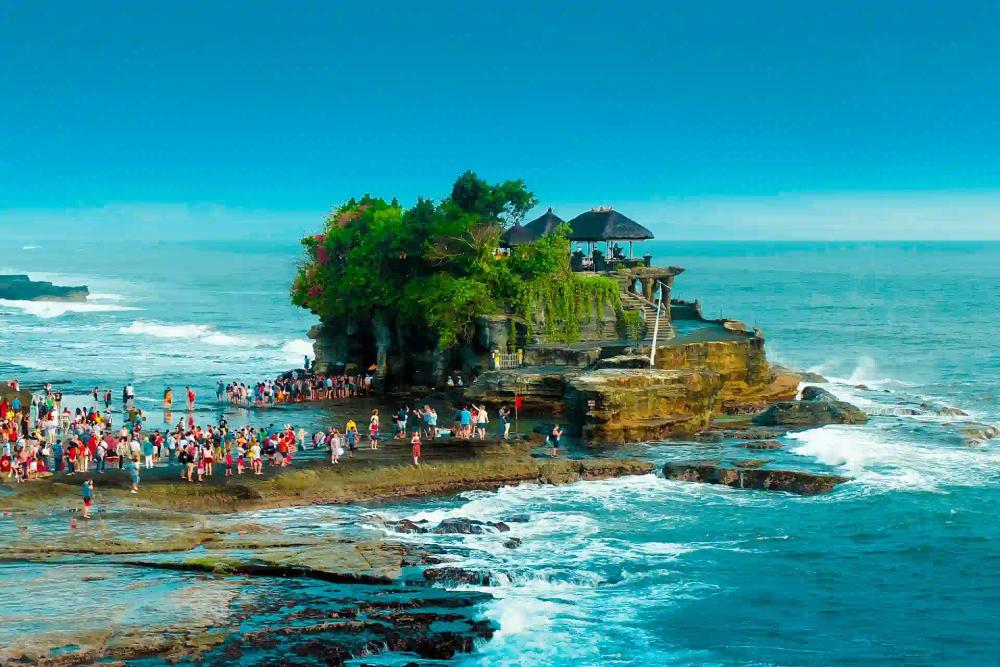
For travelers who love discovering local food while learning about Balinese traditions, the Tanah Lot Art and Food Festival is one of the most rewarding Bali cultural events this month.
Held at one of Bali's most iconic sea temples, the festival combines performing arts, culinary heritage, traditional ceremonies, and creative exhibitions in a spectacular coastal setting.
Organized by the Tanah Lot management together with the Tabanan Regency Government, the event also promotes sustainable tourism while supporting local artists and small businesses.
The opening ceremony is truly breathtaking.
The Rejang Sandat Ratu Segara Dance features approximately 1,800 female dancers dressed in elegant white and green costumes, performing simultaneously along the dramatic coastline of Tanah Lot.
The performance is dedicated to Ratu Segara, the spiritual guardian of the sea, and has even earned recognition from the Indonesian World Records Museum (MURI).
Another crowd favorite is the Gebogan Parade.
Women from surrounding villages gracefully carry towering offerings made from tropical fruits, flowers, and traditional cakes balanced on their heads. It's one of the most photogenic moments of the festival and a wonderful opportunity to witness living Balinese traditions.
Throughout the afternoon and evening, the main stage hosts a variety of cultural performances, including Balinese dance dramas, traditional music ensembles, and live concerts by popular local musicians.
Food lovers will also find plenty to enjoy.
The festival highlights heritage recipes from Tabanan that have become increasingly difficult to find in modern restaurants. Signature dishes such as Ayam Serapah, Lindung Serapah, and Penyon are prepared by local communities using traditional cooking methods passed down through generations.
Don't leave without trying local sweets like Jaja Rengas, Serebet, and freshly made klepon, all produced by village-based small businesses.
For anyone interested in experiencing authentic Balinese cuisine beyond the usual tourist restaurants, this festival offers an excellent opportunity.
Credit: Instagram @bulelengfestival
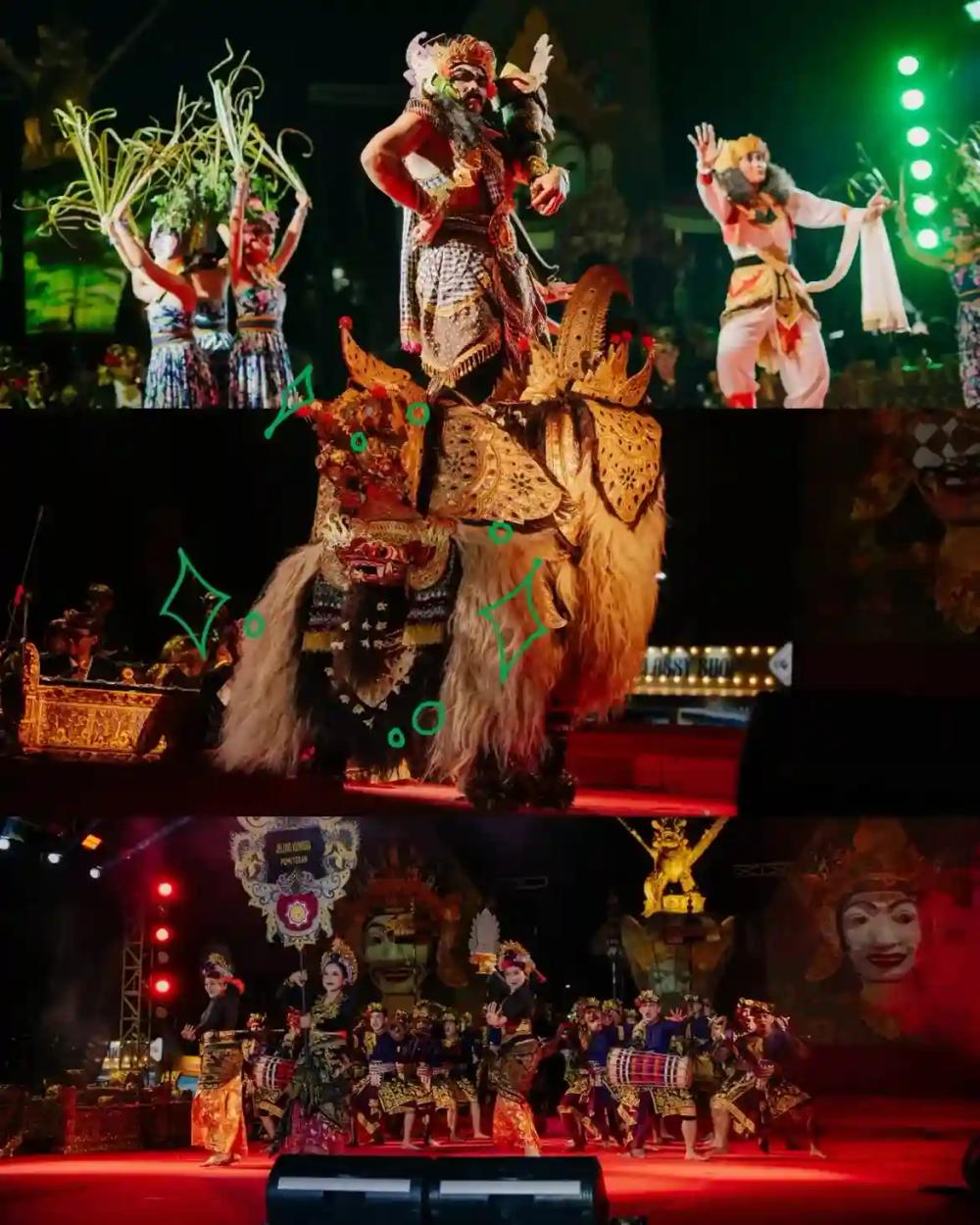
Closing out the month, the Buleleng Festival, often called Bulfest, shines a spotlight on the vibrant traditions of North Bali.
The 2026 edition carries the theme "Samsara: The Cycle of the Titik Mula (Origin)." The concept reflects the continuous connection between the past, present, and future while encouraging younger generations to preserve Buleleng's rich cultural heritage.
Centered around Singaraja's newly revitalized Zero Point area and the Gde Manik Arts Building, the festival brings together more than 1,000 artists, performers, artisans, and community groups from across the regency.
Unlike the cultural expressions commonly seen in South Bali, Buleleng's performing arts are known for their energetic movements, faster rhythms, and bold stage presence.
Visitors can enjoy traditional performances such as Wayang Wong Tejakula, the iconic Trunajaya Dance, bamboo music competitions, and fashion shows featuring woven textiles unique to North Bali.
The opening street parade transforms downtown Singaraja into a lively celebration filled with colorful costumes, cultural floats, and traditional performances.
Meanwhile, the festival marketplace features hundreds of local businesses selling handmade crafts, woven products, and regional specialties, including the famous Siobak Singaraja.
As evening arrives, the atmosphere shifts once again with concerts featuring Balinese musicians and popular Indonesian bands, creating a perfect blend of heritage and contemporary entertainment.
Running daily from morning until around 10:00 PM, Buleleng Festival is ideal for travelers who want to experience North Bali's distinctive culture while escaping the busier tourist areas in the south.

Credit: Instagram @maybankmarathon
If you're an active traveler, the Maybank Marathon is one of the biggest highlights among the Bali events in August 2026. More than just a race, it's one of Southeast Asia's most prestigious running events and the only marathon in Indonesia to hold the World Athletics Elite Label certification.
Its internationally certified course and high organizational standards have earned recognition as part of the Abbott World Marathon Majors (WMM) Wanda Age Group World Rankings, attracting around 15,000 runners from Indonesia and abroad every year.
Participants can choose from several race categories based on their experience and fitness level:
The course itself is one of the marathon's biggest attractions.
Instead of running through busy city streets, participants pass peaceful villages, lush rice fields, and quiet countryside roads around Gianyar. As dawn breaks, the cool morning air and scenic landscapes create an unforgettable running experience.
What truly sets this marathon apart is the incredible local support.
Villagers gather along the course dressed in traditional Balinese attire, cheering runners while the rhythmic sound of gamelan music echoes through the surrounding villages. It's this combination of sport and culture that makes the event feel uniquely Balinese.
The excitement actually begins before race day.
On August 21–22, runners collect their race packs at Race Central, where visitors can browse sports exhibitions, discover the latest running gear, enjoy local food vendors, and watch live entertainment.
For race day, organizers also provide shuttle buses from selected pickup points around Bali, making transportation much easier for participants.
Even if you aren't running, watching thousands of athletes take on one of Asia's premier marathons is a memorable experience and a great way to experience another side of Bali beyond its beaches and temples.
If you want to “warm-up” before join this event, check our recommendation of jogging tracks here:
6 Scenic Spots for Jogging in Seminyak, Bali
7 Best Spots for Jogging in Canggu, Bali
4 Sanur's Jogging Track with Good View
Jogging Track Prapat Beris: Highlights, Activities & Location
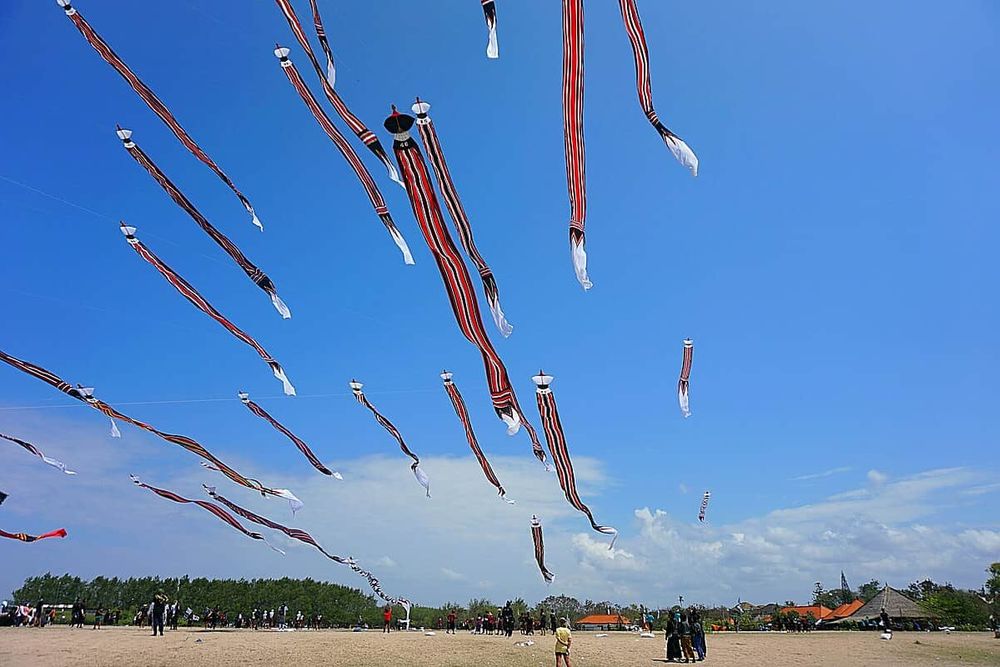
To many visitors, flying kites may seem like a fun beach activity. In Bali, however, it carries a much deeper meaning.
The Denpasar Kite Festival is rooted in Balinese Hindu tradition, where giant handcrafted kites are flown as an expression of gratitude to Dewa Rare Angon, the deity associated with farmers, shepherds, and the wind.
Held during the dry season, when the eastern monsoon winds are strongest, this Bali kite festival transforms Sanur's coastline into a spectacular sea of colorful kites soaring across the sky.
Hundreds of banjar (traditional village communities) spend months designing and building enormous kites before competing in this prestigious event.
The competition features three classic kite categories.
Bebean resembles a fish gliding gracefully through the air with elegant movements.
Janggan is perhaps the most iconic. Designed to resemble a sacred dragon, it features an incredibly long tail that can stretch more than 100 meters, requiring dozens of people to launch and control it successfully.
Meanwhile, Pecukan is famous for its curved leaf-like shape and unpredictable flight pattern, making it one of the most technically challenging kite designs to master.
Watching the festival feels like attending several events at once.
It's part cultural ceremony, part sporting competition, and part giant outdoor carnival.
Whenever a team's kite successfully catches the wind, accompanying musicians perform energetic Gamelan Baleganjur, creating an exciting atmosphere that spreads across the beach.
International kite communities also frequently participate in Bali's kite festival season, bringing creative modern kite designs from around the world. Depending on the schedule, visitors may even witness illuminated night kite demonstrations that add another dimension to the celebration.
For photographers, late afternoon is usually the perfect time to visit, when hundreds of colorful kites fill the sky against the backdrop of Sanur's coastline.
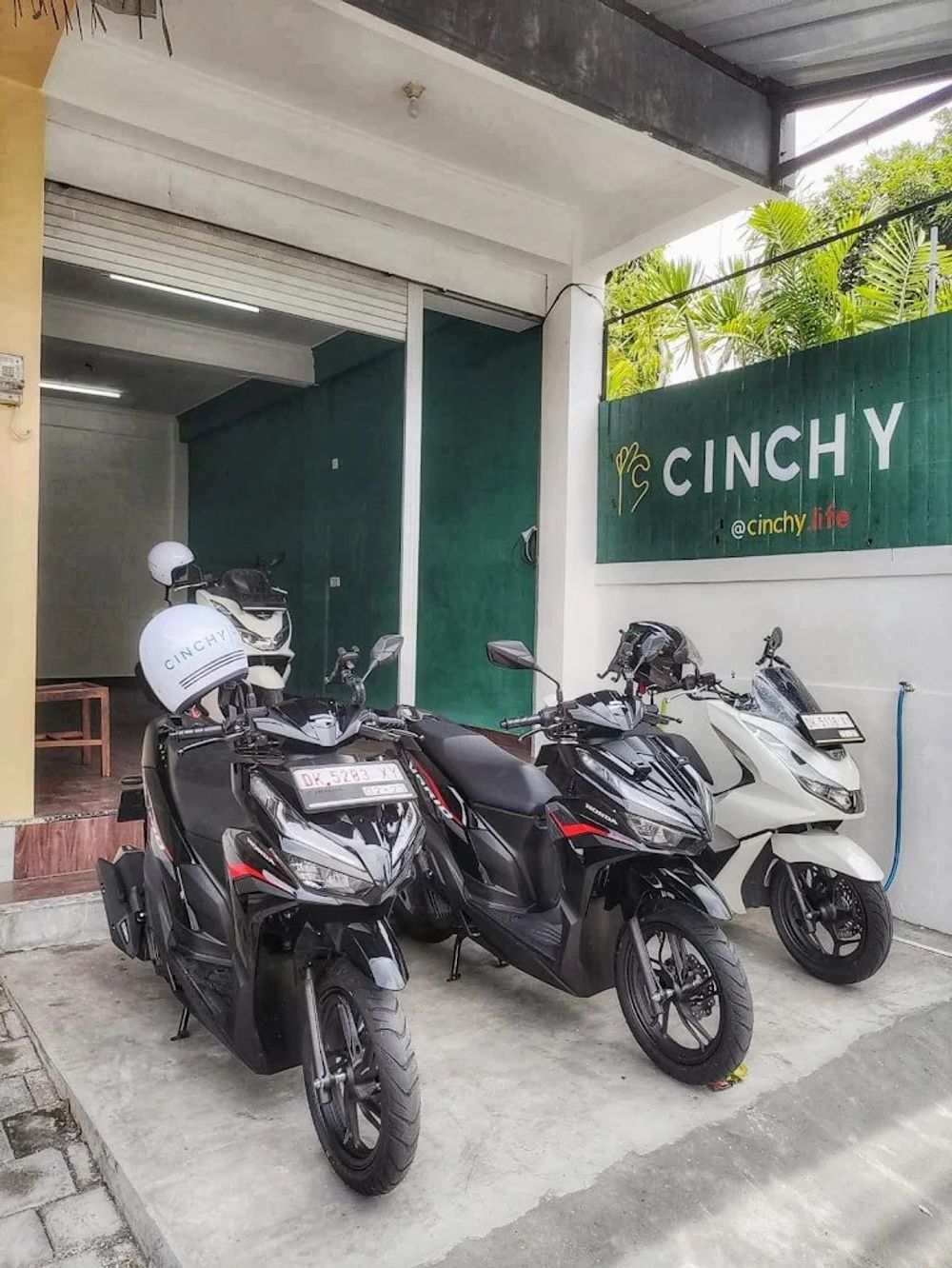
With festivals happening across Ubud, Jembrana, Tabanan, Sanur, Gianyar, and North Bali, having reliable transportation can completely change your travel experience. Instead of depending on ride-hailing apps or waiting for taxis, renting a scooter gives you the freedom to explore Bali at your own pace.
Cinchy makes that process simple. Every scooter is routinely inspected and serviced, so you can travel confidently whether you're riding across town or taking a full-day road trip.
There are flexible rental options for every type of traveler:
The booking process is straightforward. Simply prepare:
To make your arrival even smoother, Cinchy also provides scooter delivery and pickup at Bali Airport, allowing you to start exploring the island almost immediately after landing.
For added peace of mind, travelers can choose between Basic Coverage and Full Coverage insurance. Full Coverage removes repair deductibles for covered incidents, including theft—while Basic Coverage helps reduce repair costs for significant damage.
As with most vehicle insurance, damages caused by negligence, personal injuries, and third-party liability remain outside the coverage terms.
With 24/7 customer support available whenever you need assistance, Cinchy is a practical choice for travelers planning to visit multiple Bali events in August 2026.
👉 Rent a scooter in Cinchy now, book early and save 5% with code EARLY5!
If you're still uncertain about your next steps, don't worry, as we're here to address all your queries and concerns.
Yes. August falls during Bali's dry season, offering sunny weather that's ideal for sightseeing, outdoor festivals, cultural events, and beach activities.
Tumpek Krulut is one of the most authentic cultural experiences, while the Tanah Lot Art and Food Festival offers an excellent combination of traditional performances and local cuisine.
Many cultural festivals, parades, and religious celebrations are free. However, concerts, music festivals, sporting events, and beach club celebrations usually require paid admission.
Yes. Popular events such as the Ubud Village Jazz Festival, Atlas Beach Club Anniversary, and Maybank Marathon often sell out well before the event dates.
Renting a scooter is one of the most convenient ways to explore different parts of Bali, especially if you're planning to attend multiple events across the island.
 travel tips
 hidden gems
 scooter guides
 riding tips
 bali guides
 cultural insight