
1


Stay in Touch
Get the latest updates, special offers, and exclusive Cinchy perks straight to your inbox.


Jl. Plawa No.50, Seminyak, Kec. Kuta, Kabupaten Badung, Bali 80361

CALL US 24/7
(+62-851-7424-6249)
Copied!

We’ll be Back
at
8:30 AM-9 PM WITA




Payment Partners


© 2026 CINCHY. ALL RIGHTS RESERVED.
Cinchy Blog / Should I Wash My Motorcycle After Rain in Bali?
Published: 10 Oct 2026

By Syahrial Maulana Sudarto
Travel Enthusiast
Quick Answer
“Should I wash my motorcycle after rain?”
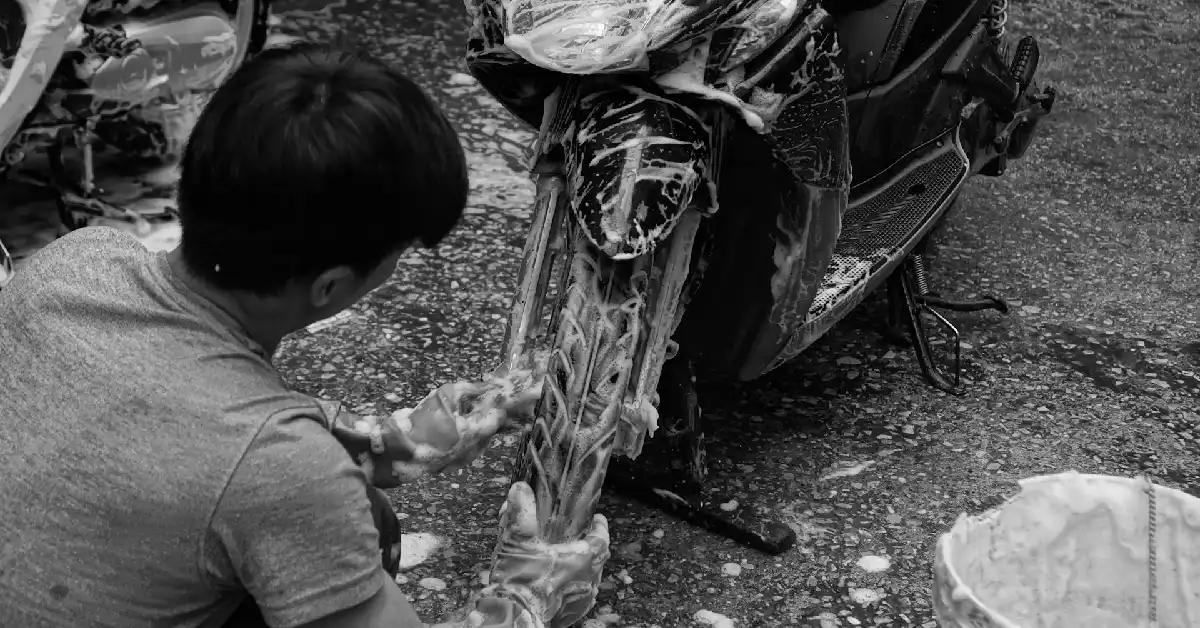
Yes, you should clean your scooter after riding in the rain, but a full wash is not always necessary after every light shower. A quick rinse, wipe, and thorough drying may be enough when there is little dirt. After heavy rain, muddy roads, coastal rides, or floodwater exposure, a more thorough wash and inspection can help prevent corrosion and protect key components.
Free Cancellation
24/7 Support
Insurance
Start Date - End Date
Start Time
End Time
Duration
0 Day(s)
Key Takeaways:
Yes, but the amount of cleaning depends on the conditions.
A short ride through light rain on relatively clean roads may only require drying and wiping the scooter.
However, heavy rain can leave mud, road grime, and dirty water around the wheels, lower body, brakes, and chain.
The main concern is not simply rainwater. Moisture combined with dirt, salt, and other contaminants can increase the risk of corrosion over repeated exposure.
This is particularly relevant in Bali, where riders may encounter humid weather, muddy roads, and coastal environments.
A full wash is more appropriate when your scooter has been exposed to conditions that leave visible dirt or contaminants.
Consider washing your scooter soon after riding if you:
If you only experienced a short, light shower and the scooter remains relatively clean, a complete wash may not be necessary.
If you're still uncertain about your next steps, don't worry, as we're here to address all your queries and concerns.
No. After light rain, drying and wiping the scooter may be enough if there is little dirt. A full wash is more useful after heavy rain, muddy roads, coastal exposure, or visible grime.
Ideally, clean and dry it as soon as reasonably practical, especially if the scooter has collected mud, road grime, or salt.
Rain alone does not guarantee rust. However, repeated moisture exposure combined with dirt, salt, and poor drying can increase corrosion risk over time.
Check the chain after wet riding. If it has become wet or dirty, clean and dry it as needed before applying suitable chain lubricant according to the manufacturer's recommendations.
Avoid excessive water pressure. High-pressure water can force moisture into electrical components, bearings, seals, and other sensitive areas.
Clean the scooter thoroughly and inspect the brakes, wheels, chain, lower components, electrical areas, and air intake. If the water was deep or the scooter develops unusual behavior, seek professional inspection.
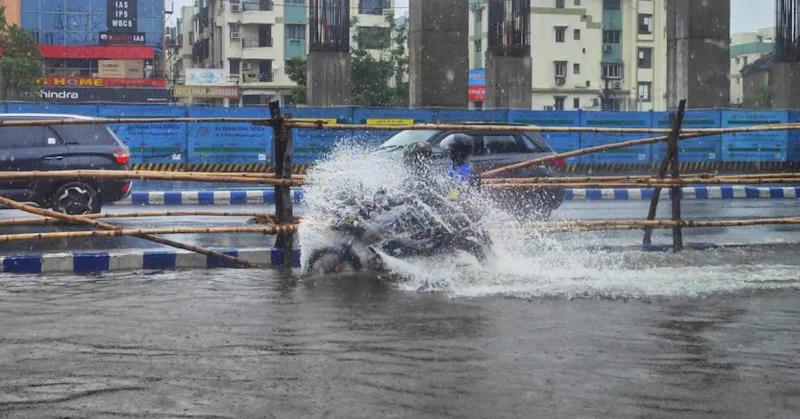
Water Hammer in Motorcycle: Bali Rider’s Guide
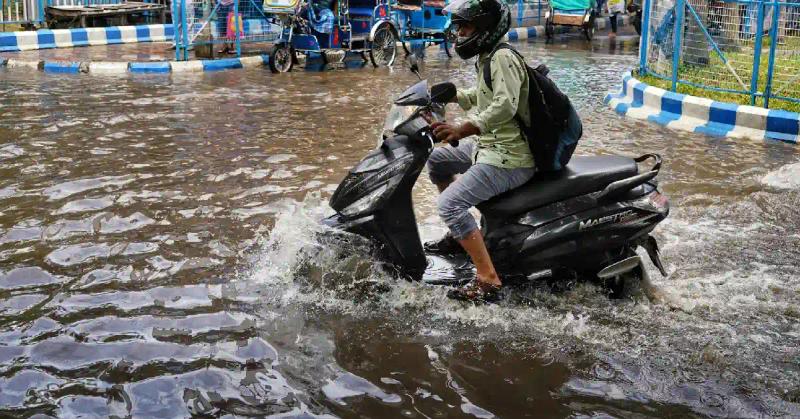
Motorcycle Flood Damage in Bali You Need to Be Aware Of
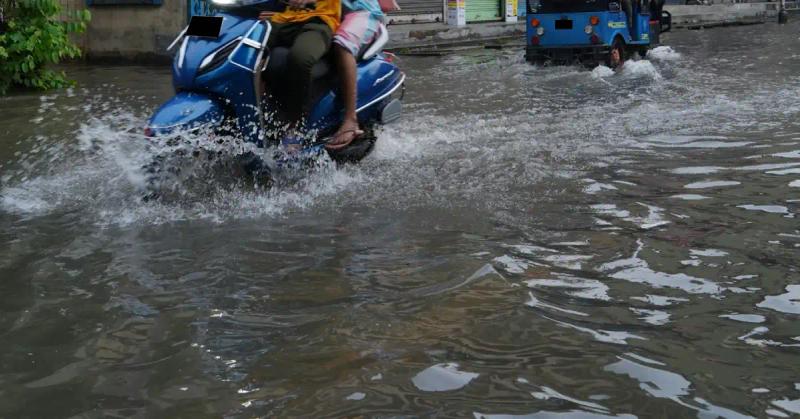
Safe Tips: Motorbike Goes Through Waterlogged Area in Bali

Why a Free Poncho Matters in Bali Rain Season | Cinchy
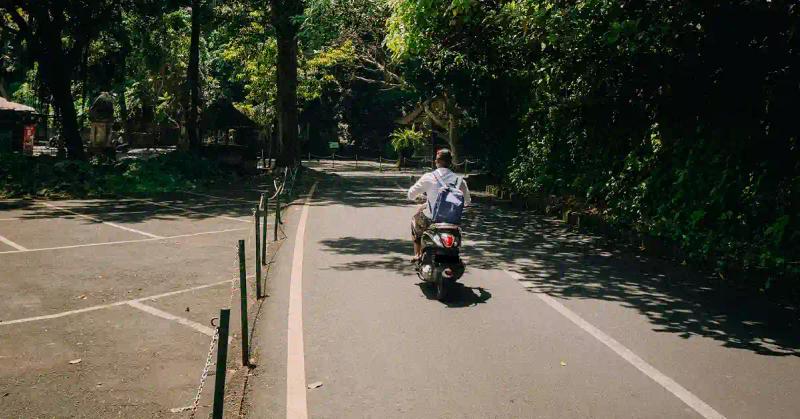
What If I Need Help During Renting a Scooter in Cinchy?
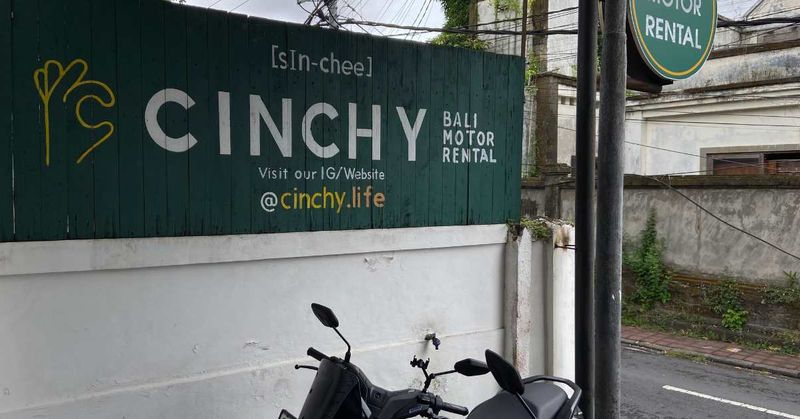
Where Can I Find Cinchy Bali Scooter Rental?
Cleaning after rain is mainly about removing contaminants and reducing prolonged moisture exposure.
Rain does not automatically cause rust after a single ride. However, repeated moisture exposure can contribute to corrosion, particularly when water remains on metal components or is combined with dirt and salt.
Coastal riding deserves additional attention because sea salt can accelerate corrosion when combined with moisture.
Yes. The chain is exposed to water, road debris, and dirt while riding. Wet conditions can also remove or reduce chain lubricant.
That is why chain care is an important part of motorcycle maintenance after rain. Check the chain after wet riding, clean it when necessary, and apply suitable chain lubricant according to the manufacturer's recommendations.
Water can temporarily affect braking feel, particularly immediately after riding through heavy rain or standing water. After wet riding, allow the brakes to operate normally and make sure braking performance feels consistent before continuing at normal speed.
You do not need an elaborate process for every rainy ride. The following routine covers the most important areas.
If the engine, exhaust, or other components are hot, allow the scooter to cool before washing it. A cooler surface also makes cleaning more comfortable and controlled.
Use clean water to remove loose dirt, mud, and road grime.
Pay particular attention to the wheels, lower body, mudguards, swingarm, and other areas that receive direct road spray.
High-pressure water is not automatically better for scooter cleaning.
Excessive pressure can force water into sensitive areas such as electrical components, bearings, seals, and other parts that are not designed to receive concentrated water pressure.
A normal hose or controlled stream is generally more appropriate for routine cleaning.
Use a clean microfiber cloth or suitable drying towel to remove excess water.
Do not leave the scooter wet for an extended period, particularly around metal components, the chain, and areas where water can remain trapped.
Inspect the chain for visible dirt, moisture, or signs of corrosion.
If it needs cleaning, use an appropriate chain cleaner and then apply chain lubricant after cleaning and drying it.
Look for mud, debris, or unusual buildup around the wheels and brake components.
If the scooter has been through particularly deep standing water, a more careful inspection is advisable.
Avoid placing a cover over a wet scooter. A cover can trap moisture against the surface and reduce airflow, which is not ideal for long-term storage.
Read Also:
Some components deserve more attention than others because they are directly exposed to water and road contaminants.
| Scooter Part | What to Check After Rain |
| Chain | Dirt, moisture, lubrication, corrosion |
| Sprockets | Mud and accumulated grime |
| Brakes | Water, mud, and braking performance |
| Wheels | Dirt, debris, and standing water |
| Lower body | Mud and road grime |
| Electrical areas | Signs of unusual moisture exposure |
| Exhaust | Water and signs of corrosion |
| Exposed metal | Moisture and rust |
The goal is not to dismantle the scooter after every rainy ride. Instead, focus on areas that regularly collect water, dirt, and road debris.
Rainwater itself is not necessarily harmful to a modern scooter. Scooters are designed to operate outdoors and can normally handle wet weather.
The bigger concern is prolonged moisture combined with contaminants.
For example, a scooter that rides through clean rain for ten minutes is in a different situation from one that spends an hour riding through heavy rain, muddy roads, standing water, and coastal spray.
That is why post-rain scooter maintenance should be based on exposure rather than treating every rainy ride the same way.
Bali's tropical environment makes drying and cleaning particularly important.
The island experiences humid conditions and seasonal rainfall, while many popular routes also pass through coastal areas. Riders can therefore encounter a combination of rainwater, road dirt, mud, humidity, and sea salt.
If you regularly ride along coastal roads, paying attention to salt and moisture is especially useful. After a particularly wet or coastal ride, rinsing away contaminants and drying the scooter can help reduce unnecessary corrosion risk.
Floodwater should be treated differently from ordinary rain.
Standing water can contain mud, sediment, debris, and other contaminants. If water reaches areas that are normally protected from rain, the scooter may need more than a simple wipe-down.
After riding through significant floodwater:
Do not assume that riding through deep floodwater is equivalent to riding through normal rain.
There is no single washing schedule that works for every scooter.
Your routine should depend on how often you ride, where you ride, and the conditions you encounter.
| Riding Condition | Recommended Care |
| Light rain, clean roads | Dry and wipe |
| Moderate rain | Rinse and dry |
| Heavy rain | Clean and dry thoroughly |
| Muddy roads | Full wash |
| Coastal riding | Rinse or wash contaminants away |
| Floodwater | Clean and inspect |
| Frequent rainy rides | Pay closer attention to chain maintenance |
This approach is more practical than automatically washing a scooter every time it rains.
A few common mistakes can create more problems than the rain itself.
Avoid washing a hot scooter, using excessive water pressure, or directing concentrated water at sensitive electrical and mechanical areas.
Do not leave the chain wet and dirty for extended periods, and do not cover the scooter while it is still wet.
Also, avoid getting cleaning products or chain lubricant onto brake surfaces. Keep products intended for lubrication away from components that need to remain clean for safe braking.
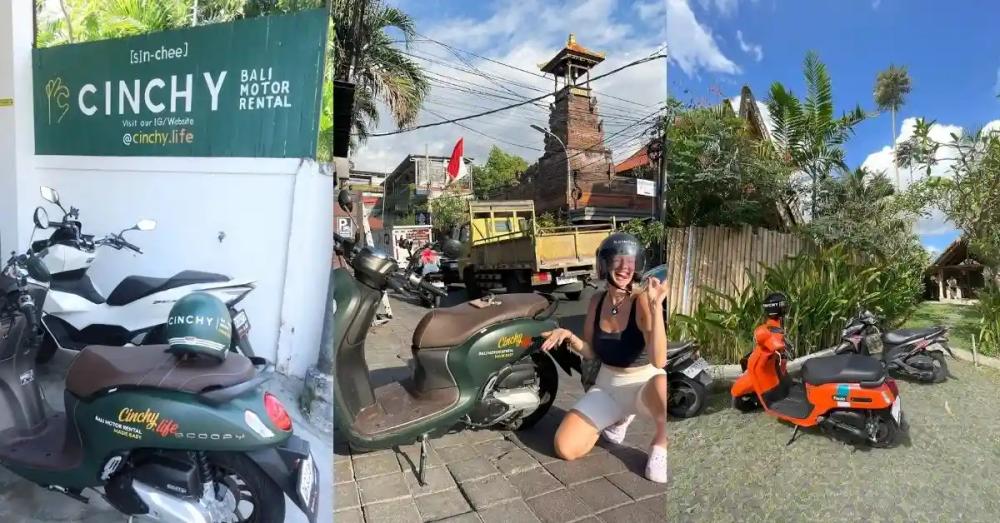
Planning your scooter rental in advance can make wet-season travel easier, especially when availability becomes tighter during Bali's peak travel periods.
With Cinchy, you can select your dates and check real-time scooter availability directly through the website before making a booking.
The rental process is designed to be completed online, with Compact and Comfort options depending on your preferred size and budget.
Cinchy also provides 24/7 customer support and delivery or pickup options at several Bali locations.
Delivery and pickup are free at I Gusti Ngurah Rai Airport, Seminyak, Kuta, and Legian, while Canggu is IDR 20,000, Sanur is IDR 40,000, and Nusa Dua is IDR 65,000.
You can also choose from Basic or Full insurance options during booking. Additional VIP coverage is available for renters who want theft protection subject to the required theft protocol.
If you are planning your Bali trip during peak season, booking earlier can also help secure your preferred scooter.
 travel tips
 hidden gems
 scooter guides
 riding tips
 bali guides
 cultural insight