1


Stay in Touch
Get the latest updates, special offers, and exclusive Cinchy perks straight to your inbox.


Jl. Plawa No.50, Seminyak, Kec. Kuta, Kabupaten Badung, Bali 80361

CALL US 24/7
(+62-851-7424-6249)
Copied!

We’ll be Back
at
8:30 AM-9 PM WITA


Payment Partners


© 2026 CINCHY. ALL RIGHTS RESERVED.
Cinchy Blog / How to Fix a Stuck Motorcycle Seat Lock
Published: 06 Nov 2026

By Syahrial Maulana Sudarto
Travel Enthusiast
Quick Answer
“Why is your motorcycle seat lock stuck, and how can you fix it?”
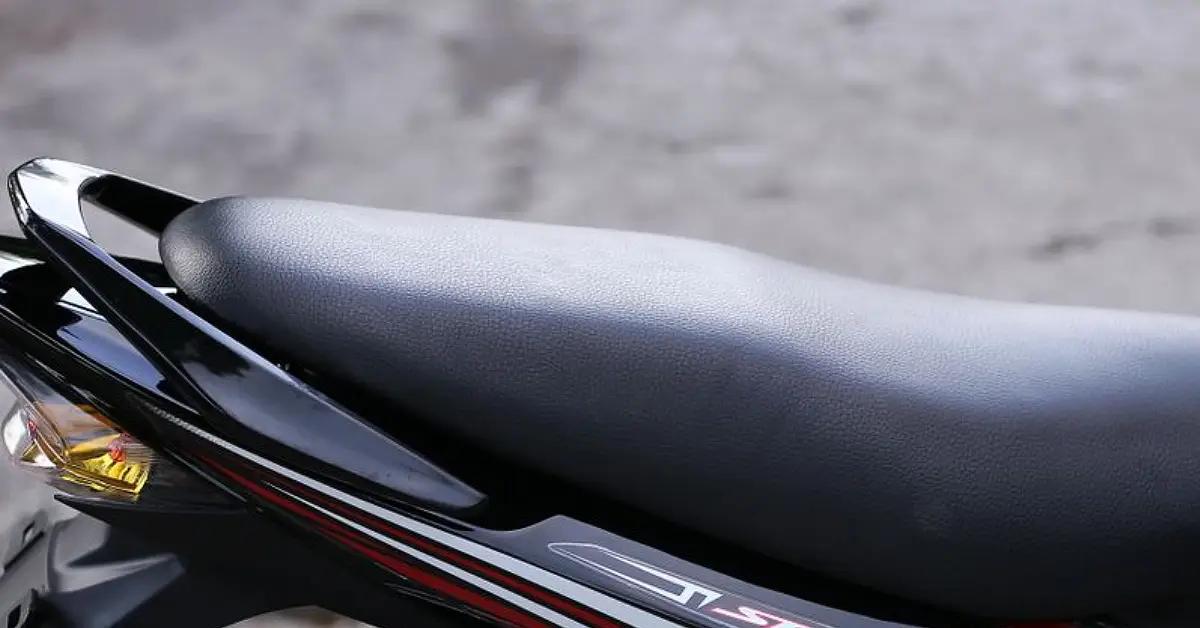
A motorcycle seat lock can get stuck due to a damaged key cylinder, a jammed seat latch, a loose release cable, or misalignment. To fix it, identify the source of the problem, check the locking mechanism, and apply the appropriate solution without forcing the key or pulling the seat aggressively.
Key Takeaways:
A motorcycle seat lock is designed to keep the seat securely closed while allowing convenient access to the under-seat storage compartment. However, several mechanical issues can prevent the locking mechanism from releasing properly.
Understanding the possible causes can help you identify the problem before attempting a repair.
Dirt, dust, and debris can accumulate inside the lock cylinder over time, making it difficult for the key to move.
A worn or bent key can also prevent the internal locking components from engaging correctly. If the key feels unusually tight or refuses to turn, the cylinder may need inspection and appropriate lubrication.
Some scooters use a seat release cable to connect the key-operated mechanism or release lever to the seat latch.
Over time, the cable may become stretched, corroded, disconnected, or damaged. When this happens, turning the key may not generate enough movement to release the latch.
A broken seat lock cable can also make the release mechanism feel unusually loose.
The seat latch is responsible for holding the seat securely in place. Dirt, moisture, and corrosion can interfere with its movement, causing the mechanism to become stiff or stuck.
A damaged return spring may also prevent the latch from returning to its normal position after being operated.
The seat lock pin, also known as the locking striker, must align correctly with the latch mechanism.
If the seat is misaligned or the locking pin is damaged, the latch may become difficult to release. This can happen after repeated use, improper seat installation, or physical impact.
Sometimes, the locking mechanism is not damaged at all. Instead, excessive pressure on the seat can prevent the latch from releasing.
For example, heavy items stored in the under-seat compartment may push against the seat and increase tension around the locking mechanism.
This can make the seat difficult to open even when the key and release cable are working normally.
Before attempting to fix a stuck motorcycle seat lock, it helps to understand how its components work together.
Although the design varies between scooter models, most conventional seat locking systems involve several interconnected parts.
The key cylinder receives the ignition key and activates the seat release mechanism when turned to the designated position.
Some scooters integrate the seat release function into the ignition switch, while others use a separate keyhole or release lever.
When the key or release lever is operated, the seat release cable transfers the movement to the latch assembly.
The cable pulls or activates the latch, allowing it to disengage from the locking pin.
The locking pin holds the seat in place when the seat is closed.
When the latch releases the pin, the seat can be lifted to access the storage compartment. Proper alignment between these components is essential for smooth operation.
Read Also:
Want to Rent Yamaha Fazzio in Bali? Here's How to Open Fazzio Seat
How to Open Honda PCX Seat During Rent This Scooter in Bali
How to Open Yamaha NMAX Seat When You're Renting in Bali
Identifying the symptoms can help narrow down the source of the problem.
If your motorcycle seat won't open, pay attention to how the key and release mechanism respond.
These symptoms are initial indicators rather than definitive diagnoses. If the mechanism remains stuck, a more detailed inspection may be necessary.
Once you have identified the possible cause, you can try the following troubleshooting steps. Always consult your scooter's owner's manual before working on the locking mechanism, as its design and release procedure may differ.
Start by examining the key and lock cylinder.
Make sure you are using the correct key and that it is fully inserted. Check whether the key is bent, worn, or visibly damaged.
If the key feels stiff, avoid forcing it. Dirt inside the cylinder may be preventing smooth movement.
Use a lubricant specifically approved for your lock cylinder, following the manufacturer's instructions. Avoid pouring random oils or sprays into the keyhole, as some products can interfere with the internal lubricant.
If the key still refuses to turn, have the cylinder inspected by a qualified technician.
If the key turns but the motorcycle seat won't open, the latch may be experiencing excessive pressure.
Try the following method:
This method may help when the locking pin is pressing tightly against the latch.
Never pull the seat aggressively or use excessive force. If it does not release, stop and inspect the mechanism.
If the seat latch feels stiff, dirt or corrosion may be interfering with its movement.
When the mechanism is accessible, inspect the latch for visible debris, rust, or signs of damage.
Clean the accessible components using a suitable cleaning product. Apply a compatible lubricant to the designated moving contact points according to the manufacturer's recommendations.
Remember that the correct lubricant for a lock cylinder may differ from the one used for a latch mechanism.
Avoid excessive lubrication, especially around electrical components or areas that should remain dry.
If the key turns but the latch does not respond, inspect the seat release cable if it is safely accessible.
Look for signs of fraying, corrosion, damaged cable housing, or disconnected fittings.
A loose or stretched cable may need adjustment, while a broken cable generally requires replacement.
Do not pull exposed cable wires or attempt to force the mechanism with tools. If accessing the cable requires removing body panels or reaching into the locked compartment, let a qualified mechanic handle the inspection.
A jammed seat latch can prevent the locking pin from disengaging, even when the cable operates normally.
Check the accessible latch assembly for dirt, corrosion, bent components, or a damaged return spring.
Also, inspect the locking pin for signs of misalignment or physical damage.
If the latch is visibly damaged or cannot return to its original position, it may need professional adjustment or replacement.
If cleaning and lubrication do not solve the problem, one or more components may require repair.
A stretched cable may need adjustment or replacement, while a broken release cable must be replaced. Similarly, a severely damaged lock cylinder or seat latch may require a new assembly.
Use replacement components that match your scooter's make and model. After the repair, test the mechanism several times and confirm that the seat locks securely before riding.
Trying to open a stuck motorcycle seat lock without understanding the mechanism can cause additional damage.
Avoid these common mistakes:
If the seat remains locked after basic troubleshooting, professional assistance is the safer option.
Not every stuck seat lock can be fixed through cleaning or lubrication. Some components may have suffered enough wear or damage to require replacement.
Consider having the following parts inspected:
If you are unsure which component needs replacement, have the entire seat lock assembly inspected by a professional mechanic.
Regular maintenance can help keep the seat locking mechanism working properly and reduce the likelihood of unexpected problems.
Protect the keyhole from excessive dirt and moisture. Use an appropriate lock cleaner and lubricant when recommended by the manufacturer.
Inspect the accessible latch mechanism for dirt, corrosion, or unusual movement. Keep its designated contact points clean and properly lubricated.
Check accessible cable connections and look for signs of wear, fraying, or corrosion. Address unusual looseness before the cable stops functioning.
Follow your scooter manufacturer's storage capacity recommendations. Avoid placing heavy objects in positions that may interfere with the seat or locking mechanism.
Regular inspections and proper handling can help extend the service life of your seat lock assembly.
What if I rent a scooter in Cinchy and get an issue in the seat?
If you notice a stuck seat lock or any similar mechanical issue when receiving your scooter from Cinchy, check it immediately and inform the Cinchy team before attempting any repairs yourself.
Do not try to fix the problem independently, as this could potentially cause further damage.
If the issue is not caused by your use of the scooter and is identified during the initial inspection, you can request a replacement unit.
Cinchy will provide another scooter to ensure you can continue your trip comfortably.
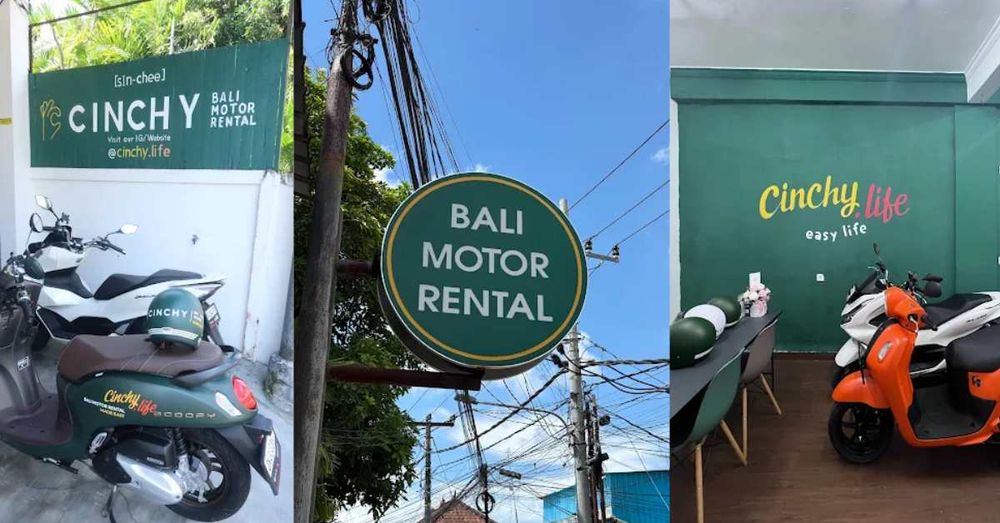
A properly maintained scooter makes exploring Bali more convenient, especially when you need reliable access to your under-seat storage.
If you are planning a trip, Cinchy offers regularly serviced scooters with convenient rental options to help make your journey easier.
Choose between Compact, featuring the Honda Scoopy, Yamaha Fazzio, and Honda Vario, starting from IDR 95K/day, or Comfort, featuring the Yamaha NMAX and Honda PCX, starting from IDR 155K/day. Weekly and monthly packages are also available at lower daily rates.
Cinchy also provides real-time scooter availability through its website, so you can check which models are available for your selected dates, whether you are visiting during peak or low season.
The rental process is straightforward, with 24/7 customer support and convenient delivery arrangements.
👉 Rent a scooter in Cinchy now, book early and save 5% with code EARLY5!
If you're still uncertain about your next steps, don't worry, as we're here to address all your queries and concerns.
This usually indicates a problem with the seat release cable, latch mechanism, or locking pin alignment. Excessive pressure on the seat can also prevent the latch from disengaging. Try relieving the pressure gently while operating the key according to your owner's manual.
A broken seat lock cable may cause the release lever to feel unusually loose or prevent the latch from responding when the key is turned. However, a disconnected cable or damaged latch can produce similar symptoms, so inspect the mechanism before replacing any parts.
Do not assume WD-40 is suitable for every part of a seat lock assembly. Some lock cylinders require specific lubricants that preserve their internal lubrication. Check your scooter manufacturer's recommendations before applying any cleaning product or lubricant.
If you have lost your key or the lock is completely jammed, contact an authorized service center or qualified locksmith. They can help access the seat without unnecessarily damaging the locking mechanism or body panels.
Repair costs depend on the damaged component, scooter model, replacement part availability, and mechanic's labor fees. Cleaning or adjusting a cable may cost less than replacing a lock cylinder or complete seat latch assembly.
 travel tips
 hidden gems
 scooter guides
 riding tips
 bali guides
 cultural insight