1


Stay in Touch
Get the latest updates, special offers, and exclusive Cinchy perks straight to your inbox.


Jl. Plawa No.50, Seminyak, Kec. Kuta, Kabupaten Badung, Bali 80361

CALL US 24/7
(+62-851-7424-6249)
Copied!

We’ll be Back
at
8:30 AM-9 PM WITA




Payment Partners


© 2026 CINCHY. ALL RIGHTS RESERVED.
Cinchy Blog / Does Heavy Rain Affect Motorcycle Gas Mileage During Bali's Monsoon Season?
Published: 12 Oct 2026

By Syahrial Maulana Sudarto
Travel Enthusiast
Quick Answer
“Does heavy rain affect motorcycle gas mileage?”
Yes, heavy rain can indirectly reduce motorcycle fuel economy, especially when it causes traffic congestion, frequent braking, repeated acceleration, and longer travel times. Wet roads alone do not automatically make an engine consume significantly more fuel. In Bali, riding conditions, tire pressure, maintenance, and riding habits all influence how efficiently a scooter uses fuel during the rainy season.
Free Cancellation
24/7 Support
Insurance
Start Date - End Date
Start Time
End Time
Duration
0 Day(s)
Key Takeaways:
Heavy rain can affect fuel economy, but the amount varies depending on road conditions and how you ride.
The most relevant factors are usually traffic, acceleration patterns, journey duration, and the scooter's mechanical condition:
Rain leaves roads wet and can create puddles or standing water. These conditions may change how you ride, encouraging you to slow down, avoid certain road sections, and brake more frequently.
Rolling resistance is the force that opposes a tire's movement along a surface. However, it would be misleading to assume that every wet road creates a substantial increase in rolling resistance or fuel consumption. Tire design, pressure, road surface, and water depth all influence the result.
The practical takeaway: Do not assume rain itself is responsible for a sudden drop in fuel economy. Consider the entire journey and check your tire pressure before investigating other causes.
Traffic is often a more noticeable factor than rainfall alone.
When heavy rain slows vehicles down, you may spend more time waiting at intersections, crawling through congestion, or repeatedly accelerating after stopping.
Frequent acceleration uses energy, while prolonged idling consumes fuel without moving you toward your destination.
As a result, a journey that normally takes 20 minutes may take considerably longer and deliver fewer kilometers per liter.
This is particularly relevant on busy routes around Seminyak, Kuta, and Canggu, where rain can coincide with crowded roads and limited visibility.
Riding cautiously in the rain is essential, but it can also change fuel consumption.
You might travel at lower speeds, brake more frequently, take a longer route, or make additional stops to wait for a downpour to ease.
These changes make it difficult to compare a rainy-day trip with a dry-weather journey directly. A difference in fuel economy does not necessarily mean the scooter has developed a problem.
Ride smoothly, leave enough following distance, and avoid sudden acceleration or braking. Never compromise safe riding simply to save fuel.
Bali's rainy season can affect fuel economy because it changes the conditions in which you travel.
Rainfall patterns, congestion, road drainage, and trip length all influence the result, but there is no single fuel-consumption increase that applies to every scooter.
A short journey through congested streets may use fuel less efficiently than a longer, uninterrupted ride.
A route with standing water, roadworks, or temporary closures may also require detours and additional travel time.
For example, a trip between your accommodation and a restaurant in Canggu may take longer during a heavy downpour than on a clear afternoon. The extra fuel use could be related to congestion and repeated stops rather than the wet road surface alone.
The same applies when travelling between Seminyak, Kuta, and other popular areas.
Your scooter's fuel economy depends on the actual conditions of each journey, not just whether it rains.
If you want to know how much fuel consumption on your scooter, check these out:
Fuel Consumption of Fazzio: Real Test for Your Bali's Adventure
Honda PCX Average Fuel Consumpton: Real Test on Bali's Road
Honda Scoopy Fuel Consumption in Bali Rides
Yamaha Nmax Fuel Consumption for Bali Adventures
Honda Vario Fuel Consumption for Bali Trips
Not every rainy journey is worth continuing. Heavy downpours can reduce visibility, make road markings harder to see, and increase the risk of slipping. Flooded sections may conceal potholes or other hazards.
If conditions become unsafe, stop at a suitable sheltered location and wait for the rain to ease. Never ride through floodwater when its depth, current, or road condition is uncertain.
Planning your departure around the weather can help you avoid unnecessary idling and detours while making your trip safer and more predictable.
If you need to ride a scooter in Bali during heavy rain, make sure to read this one: Essential Tips for Safe Scooter Riding During Bali's Rainy Season.
Rain does not automatically damage a properly maintained scooter. However, water intrusion, existing wear, or a maintenance issue that becomes noticeable in wet conditions may affect engine performance and fuel consumption.
An air filter prevents dust and debris from entering the engine. If it becomes clogged or is affected by water, airflow may be disrupted and engine performance may suffer.
A dirty air filter can contribute to poor performance and inefficient fuel use, but that does not mean a normal ride in the rain will make the filter wet or damaged. The outcome depends on the scooter's design, the condition of its intake system, and the severity of water exposure.
If the engine begins running poorly after riding through heavy rain, have the air intake and filter checked rather than assuming rainfall is the only cause.
Water affecting ignition components or electrical connections can sometimes cause misfiring, difficulty starting, or irregular engine operation. These symptoms may become noticeable during or after heavy rain.
A scooter that suddenly runs roughly, stalls repeatedly, or struggles to start deserves an inspection. Do not attempt to solve persistent engine problems simply by changing your riding style.
If your scooter consistently uses more fuel after rainy weather, look for other symptoms, including:
A mechanic can inspect the tires, air filter, ignition system, and other relevant components. If you suspect water has entered the engine or air intake after crossing floodwater, stop the engine and seek professional assistance instead of trying to restart it.
The most reliable way to determine whether your scooter's fuel economy has changed is to measure it consistently. One rainy trip is not enough to establish that rain caused a difference.
Refill the fuel tank to a consistent level, reset your trip meter, and ride as usual. At the next refill, record the distance travelled and the amount of fuel required to refill the tank to the same level.
For the most useful comparison, repeat the process across several trips and record whether each journey took place in dry or rainy conditions.
Use this formula:
Fuel economy (km/L) = Distance travelled (km) ÷ Fuel used (L)
For example, if you travel 200 km using 5 liters of fuel, your scooter's fuel economy is 40 km/L.
If a comparable trip later delivers 35 km/L, that is a measurable difference. However, the result alone does not prove that rain caused it. Traffic, route changes, passenger weight, tire pressure, and riding style may also explain the change.
For a fair comparison, keep as many variables consistent as possible:
If fuel economy remains noticeably lower across several comparable journeys, consider having the scooter inspected.
You cannot control the weather, but you can reduce unnecessary fuel consumption while prioritising safety.
Underinflated tires can increase rolling resistance and affect handling.
Check tire pressure regularly using the manufacturer's recommended figures, and inspect the tread for excessive wear or damage.
Correct tire pressure supports both fuel efficiency and control, especially on wet roads. Do not overinflate tires in an attempt to save fuel.
If you still confused about flat tire or just need air in a scooter tire, check this out: Flat Tire or Just Needs Air on a Motorcycle, How Do I Know?
Gradual acceleration and anticipating traffic can reduce repeated braking and acceleration. Where it is safe, choose routes that avoid severe congestion and unnecessary detours.
Switching off the engine during a prolonged stop may be appropriate when you are safely parked and it is practical to do so. Never let fuel-saving habits distract you from traffic or road hazards.
Follow the scooter manufacturer's maintenance schedule. Check the air filter, tires, brakes, and other components at the recommended intervals, and investigate any unusual changes in performance.
After riding through heavy rain, inspect the scooter for visible damage or abnormal behaviour. Avoid high-pressure washing or maintenance methods that could force water into electrical parts or the air intake.
Floodwater may hide potholes, debris, or deeper sections of road. It can also expose your scooter to water intrusion that leads to costly damage.
Do not ride through water when the depth or road surface is uncertain. Taking a safer route or waiting for conditions to improve is more important than saving a few minutes or liters of fuel.
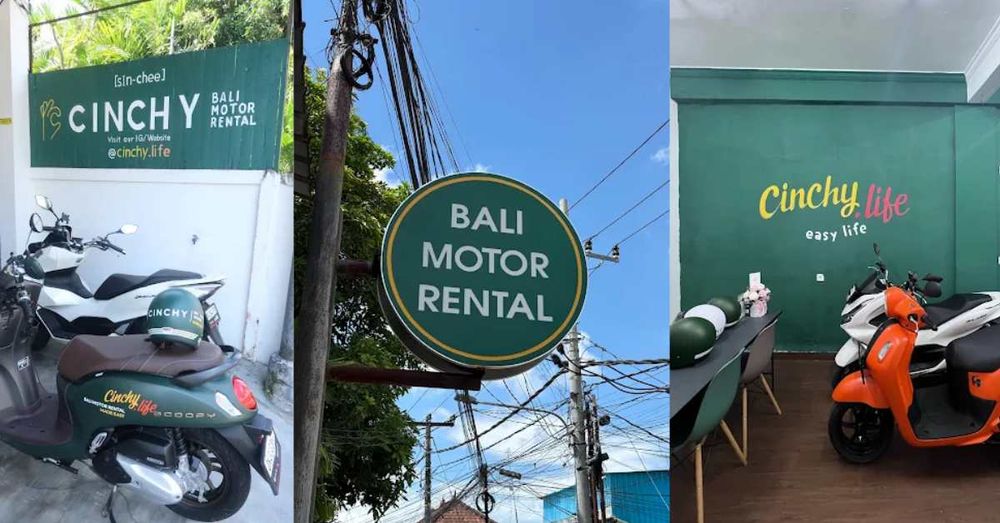
If you plan to explore Bali during the rainy season, start with a scooter that is suitable for your travel needs and properly maintained.
Cinchy offers rental scooters with routine servicing and an online booking system that lets you check availability for your selected dates before travelling.
Its real-time availability feature helps you see which options are available during both peak and low seasons, making it easier to plan ahead. Rental bookings also include practical essentials such as a helmet, hair net, phone holder, and raincoat.
Cinchy offers two categories to suit different preferences and budgets:
The listed rates are per day for the selected rental duration. Choose based on your itinerary, comfort preferences, and budget rather than assuming a larger scooter will automatically use more or less fuel in every situation.
Pickup and delivery options include free service at I Gusti Ngurah Rai Airport, Seminyak, Kuta, and Legian. Delivery to Canggu costs IDR 20,000, Sanur IDR 40,000, and Nusa Dua IDR 65,000.
If you are visiting during Bali's peak season, booking early with code EARLY5 gives you 5% off, subject to the promotion's applicable terms.
👉 Rent a scooter in Cinchy now, book early and save 5% with code EARLY5!
If you're still uncertain about your next steps, don't worry, as we're here to address all your queries and concerns.
It can, mainly when rain causes congestion, frequent stops, detours, and longer travel times. Rain alone does not guarantee higher fuel consumption.
Not necessarily by a predictable amount. Road surface, tire pressure, water depth, traffic, and riding behaviour all influence fuel economy.
Water or contamination affecting the air intake can disrupt engine performance. However, ordinary rain does not automatically damage the air filter.
Divide the distance travelled in kilometers by the liters of fuel used. Repeat the measurement over comparable trips for a more reliable comparison.
Check tire pressure and look for changes in engine performance, starting, or idling. If the problem persists, ask a mechanic to inspect the scooter.
Avoid floodwater when its depth, current, or road condition is uncertain. Water can conceal hazards and potentially damage the scooter.
Motorcycle Bad Fuel Consumption in Bali: Common Causes
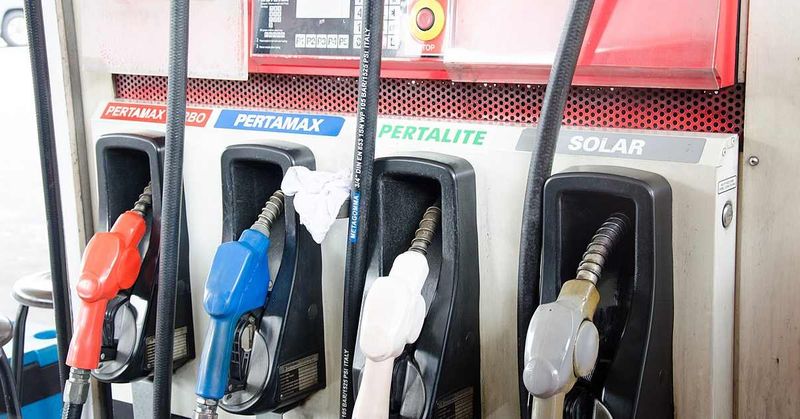
The Difference Between Pertamax and Pertalite for Scooter
Mixing Pertalite with Pertamax, Is It Safe?
Cinchy Bali Scooter Rental Provides Various Payment Options
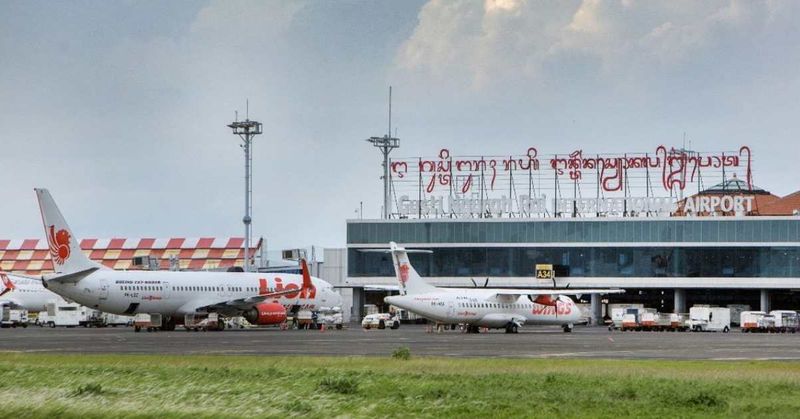
Cinchy Life Scooter Rental Pricing in Ngurah Rai Airport
What If I Need Help During Renting a Scooter in Cinchy?
 travel tips
 hidden gems
 scooter guides
 riding tips
 bali guides
 cultural insight