1


Stay in Touch
Get the latest updates, special offers, and exclusive Cinchy perks straight to your inbox.


Jl. Plawa No.50, Seminyak, Kec. Kuta, Kabupaten Badung, Bali 80361

CALL US 24/7
(+62-851-7424-6249)
Copied!

We’ll be Back
at
8:30 AM-9 PM WITA




Payment Partners


© 2026 CINCHY. ALL RIGHTS RESERVED.
Cinchy Blog / 15 Common Traveling Myths About Bali You Should Stop Believing
Published: 22 Aug 2026

By Syahrial Maulana Sudarto
Travel Enthusiast

Quick Answer
“What common traveling myths about Bali that I should stop believing?”
Many common beliefs about Bali are only partly true, outdated, or exaggerated. Bali can be crowded, affordable, tropical, cultural, and lively, but your experience depends heavily on where you stay, when you visit, and how you travel. Understanding these Bali travel myths can help you plan more realistically and avoid unnecessary surprises.
Key Takeaways:
Bali is one of the world's most recognizable holiday destinations, so it is easy for travelers to develop strong opinions about it before arriving.
Social media can show an idyllic villa one day and a traffic jam the next, making both experiences seem like the complete reality of Bali.
The island is also geographically and culturally diverse. A visitor staying in Canggu may have a very different experience from someone staying in Amed, Ubud, Sidemen, or North Bali. In other words, there is no single version of Bali.
The best way to understand the island is to separate genuine travel concerns from exaggerated assumptions.

Here are several common traveling myths about Bali and reality of it:
False.
Beaches are an important part of Bali, but they represent only one side of the island.
Bali is also known for temples, rice terraces, waterfalls, volcanoes, traditional arts, wellness experiences, local cuisine, diving, surfing, and religious ceremonies.
You can spend a morning visiting a temple, explore rice terraces in the afternoon, and watch a traditional performance in the evening without going near a beach.
Places such as Ubud, Kintamani, and Bali's inland villages offer a completely different experience from the southern coast.
Don't build your entire itinerary around beaches.
If you want to understand Bali beyond the typical tourist image, combine coastal destinations with cultural and nature-focused areas.
Partly true.
Some popular tourist areas can become extremely busy, particularly during peak travel periods
Canggu, Seminyak, Kuta, and parts of Ubud can feel very different from quieter areas of East or North Bali.
However, saying that the entire island is constantly overcrowded is misleading.
Bali's large geographic area means your experience can change significantly depending on your destination, travel dates, and daily schedule.
If crowds are a concern, choose your base carefully and consider visiting less-touristed areas.
Traveling earlier in the day can also help you avoid the busiest periods at popular attractions.
Not really.
Bali may look relatively compact on a map, but road conditions, traffic, and the distance between destinations can make travel time longer than expected.
A trip from southern Bali to northern or eastern areas can take considerably more time than a quick glance at the map might suggest.
Trying to visit too many destinations in one day can leave you spending more time in a car or on a scooter than actually enjoying the places you came to see.
Group destinations by area instead of jumping across the island every day.
A slower itinerary often gives you a better Bali travel experience than trying to check every attraction off a list.
Partly true.
Bali can be affordable, especially when you eat at local warungs, choose simple accommodation, and use cost-conscious transportation.
But Bali is not uniformly cheap.
Prices can vary dramatically between a local restaurant and a high-end beach club, or between a budget guesthouse and a luxury villa.
Activities, private drivers, wellness treatments, and premium experiences can also increase your daily spending quickly.
Build your budget around your actual travel style rather than assuming Bali will automatically be inexpensive.
Bali can work for budget travelers, but it can also become a luxury destination.
Oversimplified.
Bali has a tropical climate, but that does not mean every day is consistently hot and sunny.
Weather varies throughout the year, and rainfall can be significant during the wet season.
Conditions can also differ depending on where you are.
Higher-altitude areas such as Kintamani can feel noticeably cooler than coastal destinations, particularly in the early morning or evening.
Check the Bali weather forecast before heading out and pack for both sunshine and rain.
A lightweight rain jacket can be surprisingly useful, even outside the main rainy season.
Misleading.
Bali Belly is commonly used to describe travelers' diarrhea, but it does not mean that Balinese food itself is inherently unsafe.
The more relevant concerns are food and water contamination, food handling, hygiene, and individual sensitivity.
The World Health Organization (WHO) explains that diarrhoeal infections can spread through contaminated food or drinking water and recommends measures such as safe drinking water and proper hand hygiene.
You do not need to avoid local cuisine.
Instead, pay attention to food hygiene, choose places with good turnover, wash your hands, and be cautious with food or drinks when the source is uncertain.
Too absolute.
The concern is not simply whether a drink contains ice. The important question is whether the ice was made using safe water and handled hygienically.
Be sensible about where you eat and drink.
Established restaurants, hotels, and reputable establishments generally have clearer hygiene practices, while extra caution makes sense when the source of water is uncertain.
Only in some areas.
Bali has a major nightlife scene, particularly around Kuta, Seminyak, and Canggu.
Beach clubs, bars, live music, and late-night venues are an important part of the tourism industry.
But that does not define the whole island. Ubud is strongly associated with arts, culture, and wellness, while places such as Amed, Sidemen, and parts of North Bali can offer a much quieter atmosphere.
Choose your destination based on the experience you want. If nightlife is not your priority, you do not have to stay in the areas where it is most prominent.
To make sure you’re not missing nightlife in Bali, make sure to check this out: Nightlife Guide in Bali 2026: Where to Party and Drink.
But please, don’t drive and ride under alcohol’s influence. Check about risk of drink driving in Bali here: Here's Bali Drink Driving Laws You Should Be Aware Of.
Exaggerated, but some risks are real.
Bali is visited by millions of international travelers every year, but that does not mean visitors should ignore normal travel precautions.
Traffic, road accidents, petty theft, scams, ocean conditions, and nightlife-related incidents can all create genuine risks.
The key is understanding which risks are most relevant to your trip.
A traveler riding a scooter faces different risks from someone staying at a resort and using private transportation.
Treat Bali like any major international destination.
Secure your belongings, be careful around traffic and the ocean, avoid risky driving behavior, and use reputable transportation and service providers.
False.
Being a tourist does not mean local laws, customs, or regulations do not apply to you.
Bali has specific expectations for foreign visitors, particularly around religious sites, cultural practices, public behavior, and tourism regulations.
Bali's 2025 Code of Conduct for Foreign Tourists instructs visitors to respect sacred places, customs, traditions, and local wisdom, dress appropriately, behave respectfully, and comply with applicable rules.
Learn basic Bali etiquette before arriving, especially if you want to visit a temple..
Dress respectfully when visiting temples, follow instructions at religious sites, and remember that being on holiday does not remove your responsibility to respect the local community.
False.
Renting a scooter does not remove the responsibility to ride legally and safely.
Helmets, an appropriate driving license, and responsible road behavior are important parts of scooter travel in Bali.
This is particularly important because Bali traffic can be unpredictable, and road conditions vary considerably between busy urban areas and quieter rural roads. Travelers who are inexperienced with scooters should also think carefully about whether riding is appropriate for them.
What this means for travelers: If you plan to rent a scooter, prepare the required documents and choose a properly maintained scooter from a reputable rental provider.
False.
Balinese culture is not something created exclusively for visitors.
Religious practices, ceremonies, offerings, family structures, arts, and community traditions are part of everyday life on the island.
You may encounter canang sari, temple ceremonies, traditional dress, processions, and other cultural practices while simply walking around a neighborhood.
These are not necessarily performances for tourists.
Treat cultural experiences with genuine respect.
Ask before photographing people or ceremonies, follow temple rules, and remember that sacred spaces are places of worship rather than simply tourist attractions.
False.
Bali is part of Indonesia, the world's largest Muslim-majority country, but Bali itself has a distinctive cultural and religious identity strongly shaped by Balinese Hinduism.
This difference is one reason Bali can feel culturally distinct from many other parts of Indonesia. Hindu temples, religious ceremonies, offerings, and traditional practices are visible throughout the island.
Take time to understand the culture of the place you are visiting rather than assuming that Indonesia's national religious demographics represent every region.
Completely false.
Bali is an island and province of Indonesia, not an independent country.
Its provincial capital is Denpasar, while many famous tourist destinations are located elsewhere across the island.
This may sound like a basic distinction, but understanding Bali's geography helps when planning accommodation, transportation, and day trips.
Think of Bali as one destination within Indonesia.
If you have more time, consider combining your Bali itinerary with other Indonesian destinations rather than assuming the island represents the entire country.
Not exactly.
Bali's main international gateway is I Gusti Ngurah Rai International Airport (DPS).
Although it is often referred to informally as Denpasar Airport, the airport is actually located in the Tuban area of Badung Regency, close to Kuta and the southern tourism corridor.
The distinction matters because travelers often use “Denpasar” as a general reference for the airport even when their actual destination is elsewhere.
Your transfer time can vary substantially depending on whether you are heading to Kuta, Seminyak, Canggu, Sanur, Nusa Dua, Uluwatu, or Ubud.
Check the actual distance and expected travel time between the airport and your accommodation instead of relying only on the destination name.
Decide whether you want beaches, nightlife, culture, wellness, surfing, nature, or a quieter experience. Your choice of location can dramatically influence how you experience Bali.
Group nearby destinations together instead of trying to cross the island every day. This gives you more time to explore and less time dealing with traffic.
Compare accommodation, food, activities, transportation, and nightlife separately. Do not assume that everything in Bali will be inexpensive simply because some local experiences are affordable.
Check the Bali weather forecast, carry rain protection, and allow extra time for traffic. If you plan to ride a scooter, make sure you have the appropriate documents and are comfortable with local road conditions.
Learn basic temple etiquette, dress appropriately at sacred sites, respect ceremonies, and follow the current rules for foreign tourists. Bali's official Code of Conduct makes cultural respect an explicit expectation for visitors.
If you plan to rent a scooter, checking availability before your trip can be particularly useful during peak season.
With Cinchy's real-time availability, you can select your dates and see available Compact and Comfort scooters before confirming your reservation.
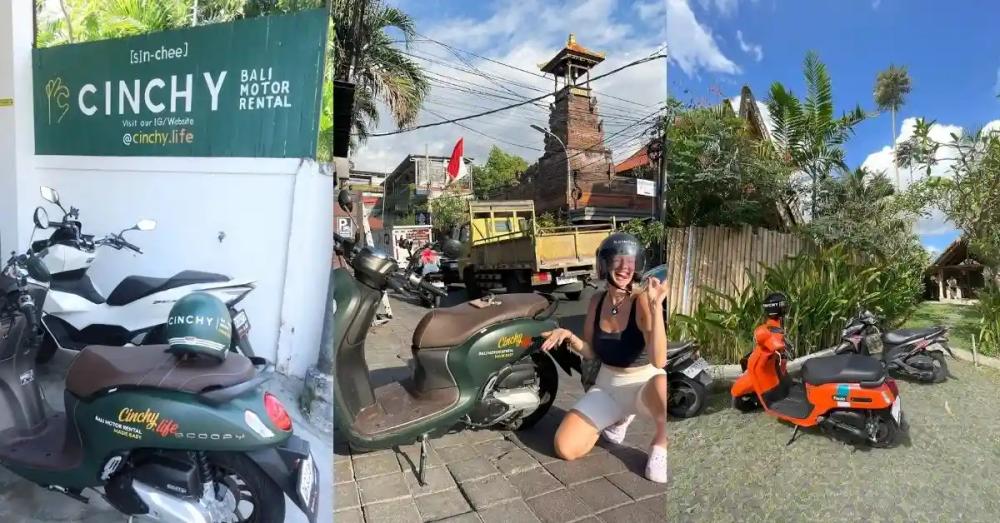
If you want the flexibility of having your own scooter while exploring Bali, Cinchy offers a straightforward rental option with real-time availability through its website.
You can check whether scooters are available for your exact dates before making a booking, which is particularly useful when planning around Bali's peak season.
Cinchy focuses on well-maintained scooters that are regularly serviced, with a simple booking process and 24/7 customer support.
Delivery and pickup are also available across several popular areas, making it easier to get your scooter soon after arriving.
Cinchy's Compact category includes the Honda Scoopy, Yamaha Fazzio, and Honda Vario, with rates starting from IDR 95K/day, IDR 80K/day for weekly rentals, and IDR 50K/day for monthly rentals.
For travelers who prefer a larger scooter, the Comfort category includes the Yamaha NMAX and Honda PCX. Rates start from IDR 155K/day, IDR 125K/day for weekly rentals, and IDR 80K/day for monthly rentals.
Cinchy also offers delivery and pickup options depending on your location.
Delivery and pickup are free at I Gusti Ngurah Rai Airport, Seminyak, Kuta, and Legian, while Canggu starts from IDR 20,000, Sanur from IDR 40,000, and Nusa Dua from IDR 65,000.
The rental includes practical essentials such as a helmet, hair nets, phone holder, and raincoat. Customers can also choose additional options such as a new helmet, new visor, or a full gas tank.
For additional protection, Cinchy offers Basic Coverage, Full Coverage, and VIP options.
Full Coverage provides zero deductible for covered scratches and accident damage, while VIP also includes theft protection subject to the applicable theft protocol.
Coverage does not extend to losses or damage caused by negligence, and personal injury or third-party liability remains the renter's responsibility.
If you are traveling during peak season, booking early can also help you secure your preferred scooter.
👉 Rent a scooter in Cinchy now, book early and save 5% with code EARLY5!
If you're still uncertain about your next steps, don't worry, as we're here to address all your queries and concerns.
Some popular areas can be very crowded, especially during busy periods, but Bali is not uniformly overcrowded. Your experience depends heavily on location, timing, and itinerary.
Bali can be affordable, but it is not cheap everywhere. Local food and budget accommodation can be inexpensive, while luxury villas, beach clubs, private tours, and premium experiences can cost considerably more.
Bali is generally manageable for travelers who take normal precautions, but risks such as traffic accidents, scams, petty theft, and ocean hazards should not be ignored.
Not necessarily. Bali Belly is generally associated with travelers' diarrhea, which can result from contaminated food or water and poor hygiene. You do not need to avoid local cuisine entirely; instead, pay attention to food and water safety.
Yes. Foreign tourists are expected to respect Balinese customs, traditions, sacred places, and local regulations. Bali's current Code of Conduct explicitly sets out these expectations.
Research your destination, choose your area carefully, budget realistically, check current regulations, respect local culture, and avoid treating social media as the complete picture of Bali.

Peak Season in Bali: When It Is, What to Expect & Travel Tips

Solo Travel Safety Tips in Bali: Do's and Don'ts

6 Best Areas to Stay in Bali for First Timers
Cinchy Bali: Scooter Hire for Beginners – Automatic Only!
Cinchy Bali Scooter Rental Provides Various Payment Options
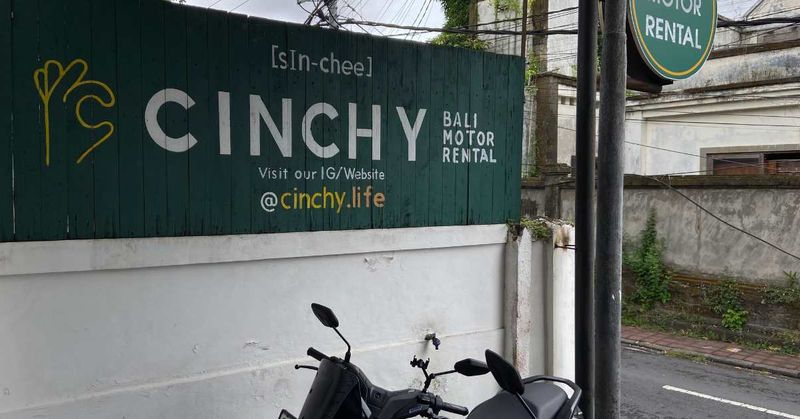
Where Can I Find Cinchy Bali Scooter Rental?
 travel tips
 hidden gems
 scooter guides
 riding tips
 bali guides
 cultural insight