
1


Stay in Touch
Get the latest updates, special offers, and exclusive Cinchy perks straight to your inbox.


Jl. Plawa No.50, Seminyak, Kec. Kuta, Kabupaten Badung, Bali 80361

CALL US 24/7
(+62-851-7424-6249)
Copied!

We’re Here
Everyday
8:30 AM-9 PM WITA




Payment Partners


© 2026 CINCHY. ALL RIGHTS RESERVED.
Cinchy Blog / Local Laws and Cultural Norms in Bali You Must Know
Published: 11 Feb 2026

By Syahrial Maulana Sudarto
Travel Enthusiast

Bali is more than just a tropical paradise; it's an island with a soul deeply rooted in spiritual traditions and a vibrant culture.
While the island welcomes millions of visitors each year, a truly enriching experience requires more than just a swimsuit and a plane ticket.
It requires a genuine understanding and respect for the local laws and cultural norms in Bali.
This guide is designed to help you navigate the island responsibly and ensure your trip is not only memorable but also harmonious.
It’s about being a guest, not just a tourist. By understanding the do's and don'ts, you can fully appreciate the magic of Bali and avoid unnecessary trouble.
The beautiful thing about Bali is its openness, but with that openness comes a shared responsibility. The island operates on a blend of national law and "hukum adat," or customary law, which is deeply tied to Balinese Hinduism.
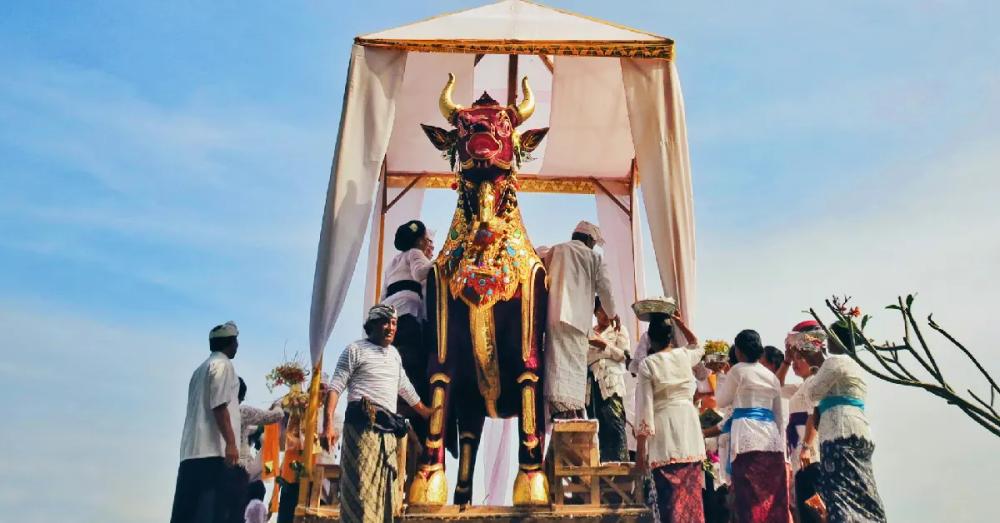
When you visit temples or other sacred sites in Bali, it's essential to wear respectful attire. This means covering your shoulders and knees.
Many temples, like the famous Tanah Lot or Uluwatu, provide sarongs and sashes for you to borrow at the entrance.
Following the guidelines on what to wear in Bali temples is a simple but powerful way to show respect.
If you see a religious procession or a traditional ceremony like a cremation or "Melasti," please stop and wait. These Bali ceremonies and rituals are a part of daily life. Do not walk in front of the participants or disrupt the flow.
You will see small, intricate offerings called Canang Sari everywhere, on sidewalks, in front of shops, and at temples. They are a daily tribute to the gods.
Be mindful of where you step and never, ever walk on or touch them. This small act of respecting canang sari in Bali means a great deal to the locals.
4. Ask Before Taking Photo
Before you snap a photo of a local person, a ceremony, or a religious activity, always ask for permission.
Some rituals are considered sacred and should not be photographed without the permission of the community elders.
Buying from local artisans, eating at a "warung," and hiring a certified local guide are great ways to give back and show you appreciate the culture.
A simple "Om Swastiastu" (a Hindu greeting) when you meet someone and "Matur Suksma" (thank you) when you leave can make a world of difference.
Keep Bali clean by not littering, and always respect the spiritual symbols you encounter.
Read Also:
Bali Temple Etiquette: A Guide for Visitors
Ngaben Ceremony in Bali: What Travelers Should Know
What is Melukat (Water Purification Ritual) in Bali?

It's a long-standing cultural rule in Balinese Hinduism that women who are menstruating should not enter temples.
Avoid making excessive noise during ceremonies, stepping on offerings, or engaging in loud, disruptive public behavior. The Balinese highly value harmony ("Tri Hita Karana"), and maintaining this peace is crucial.
Indonesia has some of the world's strictest drug laws, with severe penalties for possession, use, or trafficking—including life imprisonment and even the death penalty. Do not risk it, ever.
This is a major one. Just as it is everywhere else in the world, Bali drink driving laws are strictly enforced. Driving a scooter or car while intoxicated can lead to severe fines and criminal charges.
While holding hands is generally fine, excessive public affection like passionate kissing is considered inappropriate due to public affection laws in Bali. Be mindful and respectful of local sensibilities.
In Balinese culture, the left hand is considered unclean, so it's polite to use your right hand when giving or receiving something, especially money.
Avoid touching or playing with statues, altars, or any other items used for prayer without explicit permission.
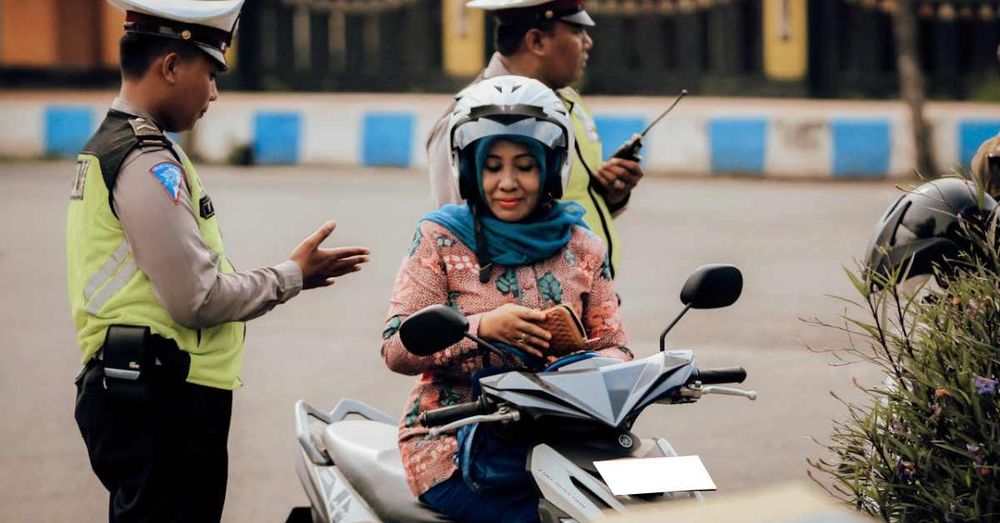
Ignoring these guidelines can lead to serious consequences, ranging from fines to deportation and even jail time. Tourist misconduct is something the Balinese authorities are cracking down on.
The government is serious about enforcement. For general offenses like theft, assault, or public fights, you can be charged under Indonesia's criminal code (KUHP).
For traffic fines and violations, traffic police will often issue tickets, and you may be required to pay the fine at a bank.
If you are stopped while driving, ensure you have a valid international driving permit and your local license with you.
For severe violations, such as drug-related offenses, the penalties are incredibly harsh under national law.
Furthermore, Indonesia’s ITE Law on electronic information and transactions can lead to penalties for social media misuse or uploading content that is deemed to disrespect Balinese culture.
Even if you don't break a national law, you can still face sanctions under customary law.
Village communities can impose penalties like "dedosan" (a fine in money or goods) or "prayascita" (a cleansing ceremony).
In extreme cases, foreigners have been "kesepekang" (ostracized) or even "kanorayang" (expelled from the community), and their property could be seized in the most severe instances.
Since the new Indonesian criminal code (UU No. 1 Tahun 2023) was enacted, customary law is now recognized as part of the national legal system.
This means that a cultural offense could potentially lead to a double-whammy: a traditional penalty from the village and a formal legal penalty from the government.
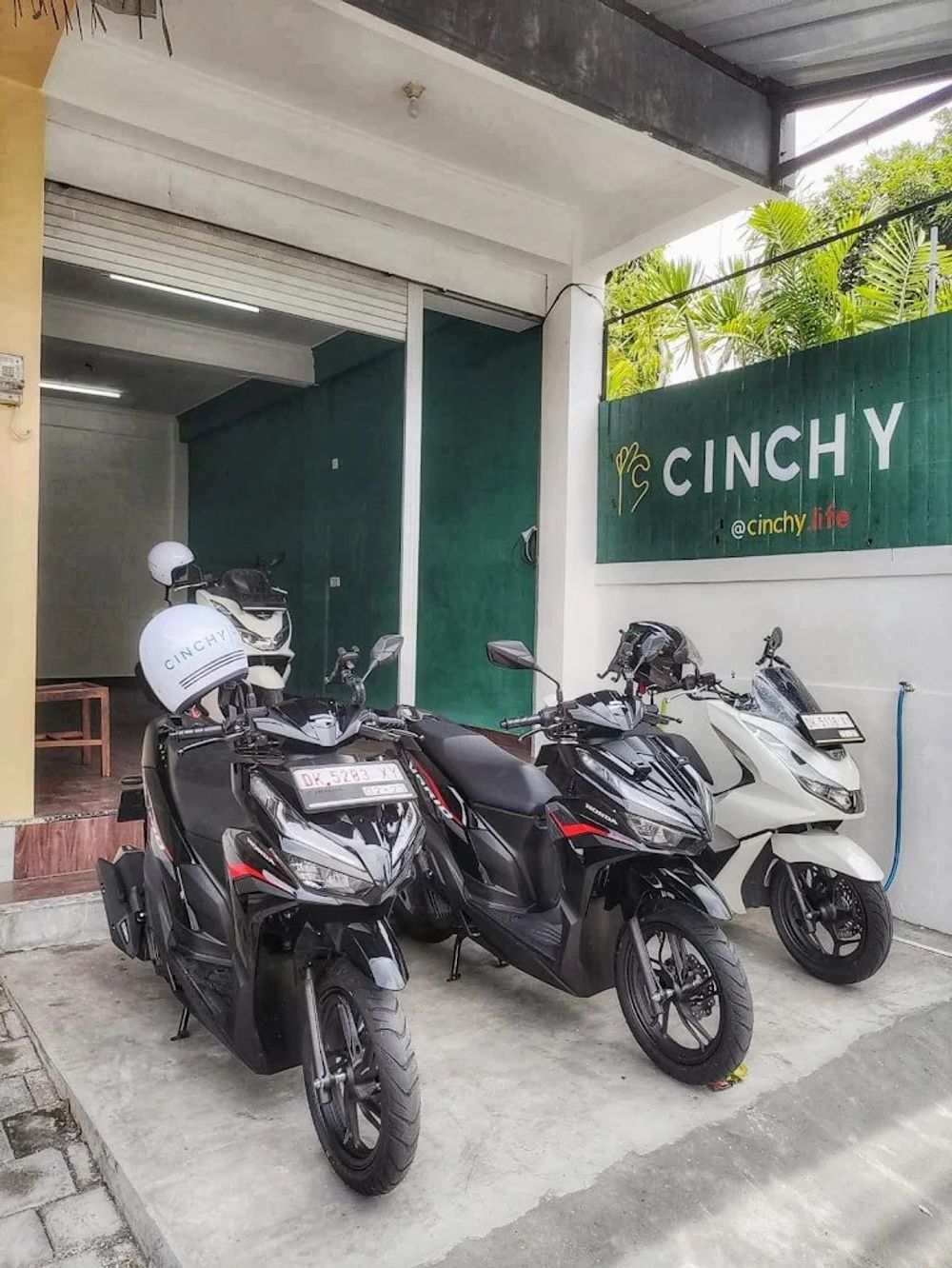
One of the best ways to explore the island is by scooter. It gives you the freedom to go anywhere you want, from serene rice fields to bustling beaches.
However, choosing a reliable ride is key to staying safe. That’s where Cinchy comes in.
We offer a trustworthy, hassle-free way to rent a scooter in Bali. Our well-maintained and safe scooters are regularly serviced to ensure your safety and comfort.
With competitive prices and packages from daily (starting at IDR 95,000) to monthly (starting at IDR 1,500,000), we fit any travel plan and budget.
Our quick and easy rental process makes getting on the road a breeze. Just bring your valid ID (Passport or KTP), a valid driving license (International or SIM C), round-trip flight tickets, and hotel bookings.
You’ll get more than just a scooter with us. Every rental includes a quality helmet for your safety, disposable hair nets for hygiene, a phone holder to help you navigate, and a raincoat or poncho to prepare for Bali's unpredictable tropical rain. Our 24/7 service and free delivery and pickup in major urban areas make your experience seamless from start to finish.
Explore Bali's beauty responsibly. When you respect the local laws and cultural norms in Bali, you'll have an experience that is truly unforgettable.
Rent a scooter with Cinchy and discover the island on your terms.
Click the link below to secure your scooter’s spot in Cinchy!
 travel tips
 hidden gems
 scooter guides
 riding tips
 bali guides
 cultural insight