
1


Stay in Touch
Get the latest updates, special offers, and exclusive Cinchy perks straight to your inbox.


Jl. Plawa No.50, Seminyak, Kec. Kuta, Kabupaten Badung, Bali 80361

CALL US 24/7
(+62-851-7424-6249)
Copied!

We’ll be Back
at
8:30 AM-9 PM WITA




Payment Partners


© 2026 CINCHY. ALL RIGHTS RESERVED.
Cinchy Blog / Bali vs Seychelles: Which One Should I Visit in 2026?
Published: 15 Apr 2026

By Ulfah Alifah
Travel Enthusiast
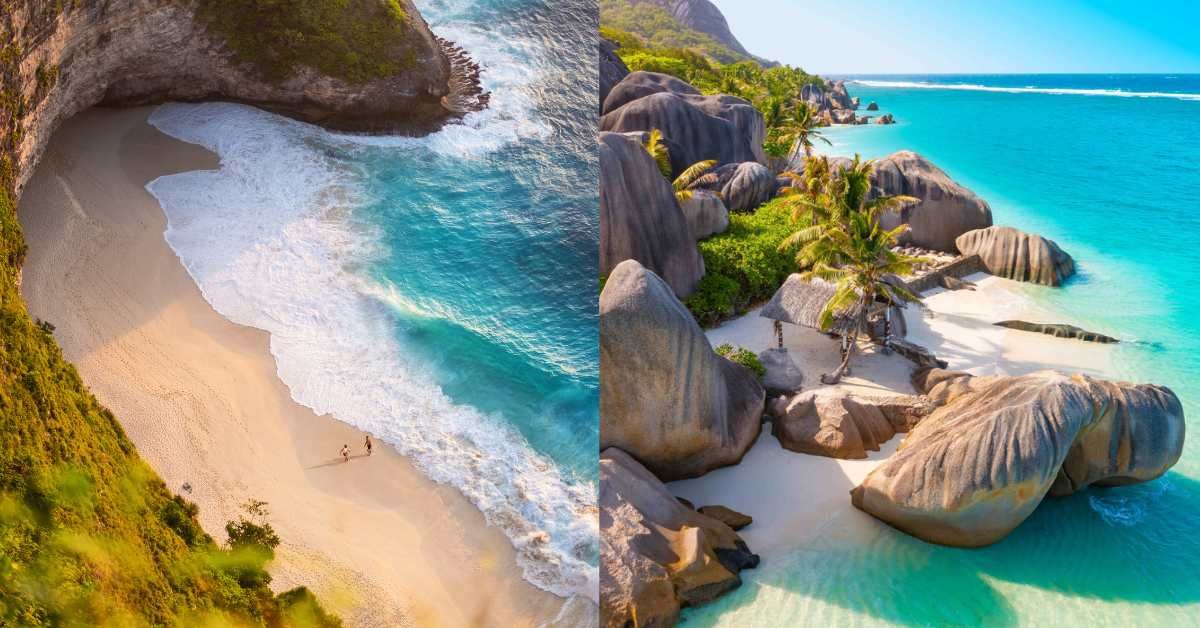
Choosing between Bali and the Seychelles is one of the most exciting — and tricky — travel dilemmas you can face. Both destinations promise turquoise water, warm weather, and memories that last a lifetime. But they are very different places. One is a budget-friendly island full of culture, surf, and street food. The other is a remote archipelago made for luxury, seclusion, and pure natural beauty. This guide breaks down every angle so you can pick the one that truly fits your 2026 travel goals.
Bali is a small island in Indonesia and one of the most visited places on Earth. Every year, millions of travellers fly in to explore its beaches, ancient temples, rice terraces, and buzzing street life.
What makes Bali special is its variety. You can surf wild waves in Uluwatu in the morning, visit a centuries-old Hindu temple in the afternoon, and dance at a rooftop beach club by night. The island suits almost every type of traveller — from backpackers sleeping in hostels to honeymooners staying in private villas with infinity pools. Prices are low, food is incredible, and the locals are warm and welcoming.
Bali is also a spiritual place. The island is home to a deeply rooted Hindu culture full of daily offerings, colourful ceremonies, and sacred rituals. If you want a destination that stimulates all your senses and keeps you engaged from sunrise to sunset, Bali delivers.
The Seychelles is an archipelago of 115 islands scattered across the Indian Ocean, located off the east coast of Africa. It is one of the most remote and exclusive travel destinations in the world.
What sets Seychelles apart is its untouched natural beauty. Granite boulders the size of houses line powdery white beaches. The water is a surreal shade of turquoise. Endemic wildlife — like the giant Aldabra tortoise and the rare black parrot — roam freely across the islands. There are no mass tourism resorts crowding the shoreline. Instead, you get small, boutique hotels and private villas hidden in the jungle.
Seychelles is not a budget destination. It is premium by design. Flights are limited, accommodation costs are high, and dining out adds up fast. But for travellers who want total privacy, spectacular scenery, and a slower pace of life, it is close to paradise on Earth.
Bali's beaches are diverse. You will find everything from the wide, busy stretch of Kuta Beach to the dramatic clifftop scenery of Uluwatu. Seminyak and Canggu draw a stylish crowd with beach clubs and surf culture, while Nusa Dua offers calm, family-friendly water. The sand is sometimes white, sometimes dark volcanic grey, depending on where you go.
Seychelles beaches are in a different league when it comes to visual perfection. Anse Source d'Argent on La Digue is widely considered one of the most beautiful beaches in the world. Anse Lazio on Praslin is consistently ranked among the top beaches globally. The combination of huge pink granite boulders, crystal-clear shallow water, and palm trees creates a scene that looks almost too perfect to be real.
If raw beach beauty is your top priority, Seychelles wins. But if you want a beach that also comes with restaurants, water sports, nightlife, and easy access to the rest of the island, Bali is the smarter choice.
Bali is a world-class destination for water sports. Surfing is the headline act — breaks like Uluwatu, Padang Padang, and Medewi attract surfers from across the globe. Beyond surfing, you can try parasailing, jet skiing, white water rafting, stand-up paddleboarding, and kitesurfing in Sanur.
The Seychelles is calmer on the water sports front. The focus here is on snorkelling, diving, and boat tours. You can also try kayaking and paddleboarding in the still lagoons. Because the islands are not set up for surf culture — the waves are not particularly big — the activities lean more toward exploration and relaxation than adrenaline.
For variety and intensity of water sports, Bali is the clear winner. For peaceful water-based exploration, Seychelles has the edge.
Both destinations offer excellent snorkelling and diving, but the experience is quite different. Bali's best dive sites include Tulamben (home to the famous USAT Liberty shipwreck), Nusa Penida (where you can swim with manta rays), and the crystal-clear waters of Amed. Visibility is good, and dive sites are accessible and affordable.
Seychelles is a diver's dream for those chasing pristine coral, vibrant marine life, and uncrowded dive sites. The outer islands — especially Aldabra Atoll — are remote UNESCO World Heritage Sites with whale sharks, hammerhead sharks, and vast schools of colourful fish. The underwater biodiversity here is extraordinary.
If budget matters, Bali diving is much more affordable. If you want world-class, remote dive sites with rare marine encounters, Seychelles is unmatched.
Bali is an adventure playground. You can hike to the summit of Mount Batur for sunrise, chase waterfalls in Munduk, go white water rafting on the Ayung River, try ATV quad biking through rice fields, or zip-line through the jungle. The island packs a huge amount of land-based adventure into a relatively small area. For a scenic two-wheeled adventure, check out our tips for a safe and scenic scooter ride around Uluwatu to make the most of Bali's dramatic coastal roads.
Seychelles is far more relaxed when it comes to adventure. The main activities are hiking through national parks on Mahé or Praslin, cycling around La Digue, and joining guided nature excursions. The pace is slower, and the scenery is the main attraction rather than any extreme activity.
For adventure seekers, Bali wins by a wide margin. Seychelles is better suited to travellers who prefer scenic exploration over high-energy challenges.
Bali has an almost endless list of things to do. Temples, rice terraces, art markets, cooking classes, surfing lessons, yoga retreats, spa days, volcano hikes, beach clubs, cultural shows — the island rarely lets you sit still unless you want to. Check out our guide to the best things to do in Canggu for a taste of what Bali's hippest neighbourhood has to offer.
Seychelles keeps things simple and nature-focused. You can spend your days island-hopping, snorkelling, hiking forest trails, visiting nature reserves, or simply relaxing on an empty beach with a book. The Vallée de Mai on Praslin — a UNESCO World Heritage jungle — is a must-visit. If you prefer fewer things to do and more time to breathe, Seychelles fits perfectly.
Both destinations are generally safe for tourists. Bali sees millions of visitors every year, and serious crime against tourists is rare. The main concerns are petty theft in crowded areas, scooter accidents, and the occasional scam targeting first-time visitors. Understanding local laws and cultural norms in Bali before you go will help you stay out of trouble and show respect to the local community.
Seychelles has an even lower crime rate. The islands are peaceful, the population is small, and violent crime is uncommon. The biggest safety concerns in Seychelles are related to ocean currents — some beaches have strong rips, so always check local advice before swimming.
Both destinations score well on safety. Seychelles has a slight edge due to its smaller scale and quieter environment, but Bali is very safe for informed and respectful travellers.
Bali has one of the best nightlife scenes in Southeast Asia. Seminyak and Canggu are packed with beach clubs, rooftop bars, live music venues, and restaurants that transition into late-night party spots. Kuta is famous for its high-energy club scene. For a taste of Bali's after-dark culture, our Arak Bali guide covers the island's traditional spirit and where you can enjoy it responsibly.
Seychelles is almost the opposite. The islands are quiet after dark. There are a few bars and small clubs in Victoria on Mahé, but nightlife is minimal by any global standard. Most visitors are in bed by 10 PM, and that is exactly what many of them came for — total peace.
If a buzzing nightlife scene is important to you, Bali wins easily. If you want to fall asleep to the sound of waves instead of bass music, Seychelles is your match.
Bali's culture is one of its most powerful draws. The island follows a unique form of Hinduism that blends ancient tradition, daily rituals, and spectacular festivals. Offerings called canang sari appear on every doorstep. Temples are everywhere. Festivals like Galungan and Kuningan transform the island into a sea of bamboo decorations and ceremony. When visiting temples, be sure to follow proper Bali temple etiquette to show respect and avoid unintentional offences.
Seychelles has a Creole culture shaped by African, French, and Asian influences. The local cuisine, music, and festivals all reflect this fascinating mix. The culture here is warm and relaxed, but it does not offer the same visual spectacle or depth of cultural immersion as Bali. It is more of a background presence than a headline attraction.
For travellers who love rich, living culture as part of their holiday experience, Bali is the stronger choice.
Bali is a food lover's paradise. From cheap warungs serving nasi goreng and satay for under $2 to upscale restaurants with creative menus and ocean views, the island covers every taste and budget. Vegetarian and vegan options are plentiful, and the café culture in Canggu and Seminyak is world-class. You will rarely eat a bad meal in Bali.
Seychelles food is rooted in Creole tradition — fresh fish, coconut, spices, and tropical fruits form the base of most dishes. The food is delicious, but dining out is expensive. A restaurant meal in Seychelles easily costs three to five times what you would pay in Bali. Self-catering can reduce costs, but groceries are also pricier than you might expect on a remote island.
For variety, affordability, and sheer quality of food experience, Bali wins.
Bali is lush, green, and cinematic. Rice terraces cascade down hillsides. Hindu temples sit perched on ocean cliffs. Waterfalls drop into jungle pools. The island has been photographed millions of times and still manages to look fresh. The visual mix of culture, nature, and colour is unlike anywhere else.
Seychelles is pristine and postcard-perfect in a different way. The scenery is dominated by pure nature — giant granite boulders, turquoise lagoons, and untouched forest. There is no visual clutter. Everything looks clean, open, and otherworldly. It is less colourful than Bali, but arguably more jaw-dropping in its raw simplicity.
Both destinations are stunning. Bali is more layered and textured in its beauty. Seychelles is more raw and elemental. Which one moves you more is a matter of personal taste.
Bali is one of the best shopping destinations in Asia. Markets in Ubud, Seminyak boutiques, and surf shops in Canggu give you access to handmade crafts, fashion, jewellery, art, batik textiles, and souvenir gifts at very reasonable prices. Bargaining is part of the experience.
Seychelles has very limited shopping options. You will find a few gift shops and craft stalls in Victoria, but the selection is small and prices are high. Shopping is not a reason to visit Seychelles.
If shopping is on your travel agenda, Bali wins by a huge margin.
Bali is one of the world's top destinations for digital nomads and is consistently ranked among the best remote-work hubs globally. Canggu and Seminyak are packed with co-working spaces, high-speed Wi-Fi cafés, and a large, supportive community of remote workers. Costs are low, the lifestyle is excellent, and the social scene makes it easy to meet like-minded people. If you are exploring the island while you work, renting a scooter is the most practical option — check out the ultimate guide to scooter rental in Canggu and the latest scooter rental costs in Bali to plan your budget.
Seychelles is not set up for digital nomads. Internet connectivity can be inconsistent on the outer islands. There are very few co-working spaces. The cost of living is prohibitively high for long stays. While you could technically work remotely from Seychelles for a week, it is not designed for the lifestyle.
Bali is the undisputed winner for digital nomads. It is not even close.
Bali has a large and well-established expat community. Tens of thousands of foreigners live on the island long-term, attracted by low costs, warm weather, a strong social network, and easy access to quality food, healthcare, and transport. Compare Bali to other major Indonesian hubs in our Bali vs Jakarta guide to understand the lifestyle trade-offs.
Seychelles is far harder to settle in as an expat. The cost of living is very high, housing is expensive, and the remote location makes it impractical for most people. There is a small expat community in Mahé, mainly connected to the maritime industry, government, and hospitality sector.
For long-term living, Bali is the practical choice. Seychelles is better suited to short visits, not extended stays.
Most visitors spend 10 to 14 days in Bali, and even that can feel like not enough. The island is big enough to fill two to three weeks comfortably, especially if you want to explore different regions like Ubud, Seminyak, Uluwatu, and the Gili Islands. A minimum of seven days is needed to get a real feel for what Bali offers.
Seychelles works well as a 7 to 10-day trip. The main islands — Mahé, Praslin, and La Digue — can be explored at a comfortable pace in that time. You do not need more than two to three days per island to feel satisfied. Staying longer is wonderful if your budget allows, but a week is enough to experience the highlights.
Bali, as part of Indonesia, offers visa-on-arrival for citizens of over 90 countries. This costs around $35 USD and grants a 30-day stay that can be extended once for another 30 days. Some nationalities receive a free 30-day visa-free entry. You will need a valid passport, return ticket, and proof of sufficient funds.
Seychelles grants a visitor's permit on arrival for all nationalities — no advance visa required. You will need a valid passport, confirmed accommodation, a return ticket, and proof of sufficient funds. Stays are usually granted for up to 30 days and can be extended through the Department of Immigration in 90-day increments for up to one year.
Both destinations are very easy to enter for most international travellers. Seychelles has a slight edge for simplicity since no fee is required on arrival.
This is where the two destinations diverge most sharply. Bali is one of the best value destinations in the world. A comfortable daily budget for accommodation, food, transport, and activities sits between $50 and $100 USD per person. Budget travellers can survive on far less, while luxury seekers can spend lavishly for a fraction of what it would cost elsewhere.
Seychelles is among the most expensive destinations on the planet. A realistic daily budget runs from $200 to $500 USD or more, depending on accommodation and dining choices. Flights to Seychelles are also costly compared to flights to Bali, which is served by a much larger number of airlines and routes.
For budget-conscious travellers, Bali is the clear winner. For those seeking a high-end experience with no compromise, Seychelles delivers — but you will pay for every moment of it.
Bali has accommodation for every budget. You can find clean hostel dorms for under $10 USD per night, comfortable guesthouses and boutique hotels for $30 to $80 USD, and stunning private villas with pools for $150 to $400 USD per night. The sheer range and quality of accommodation options is one of Bali's greatest strengths. Not sure which area to stay in? Our guide to Seminyak or Denpasar can help you choose the right neighbourhood for your style and budget.
Seychelles accommodation tends to start at a much higher baseline. Mid-range hotels typically start at $150 to $250 USD per night. Luxury resorts and private island retreats — the kind that Seychelles is famous for — can easily exceed $500 to $2,000 USD per night. There are a few guesthouses and self-catering options on La Digue that offer relatively better value, but budget options are scarce across the board.
Bali has a tropical climate with two main seasons. The dry season runs from April to October, with long sunny days, clear skies, and calm seas. This is the best time to visit for beach activities, diving, and hiking. July and August are peak season, bringing larger crowds and higher prices. The shoulder months of May and September offer excellent weather with fewer tourists and lower costs.
Seychelles enjoys a tropical climate with two distinct seasons. The calmer season runs from April to May and again from October to November — these months offer the best combination of sunshine, calm seas, and manageable winds. December to March sees stronger northwest trade winds, while June to September brings the southeast trades, which can make some beaches rough.
For most of the year, both destinations offer warm, pleasant tropical weather. Bali's dry season is longer and more predictable. Seychelles has narrower windows of truly ideal conditions, which requires more careful trip planning.
Bali suits almost every type of traveller. Couples can enjoy romantic dinners in the rice fields, spa retreats, and sunset cocktails at cliffside bars. Families love the calm waters of Nusa Dua, the cultural experiences in Ubud, and the wide variety of kid-friendly activities across the island. Solo travellers thrive in Bali's vibrant social scene, co-working culture, and friendly atmosphere — it is one of the easiest places in the world to make new friends.
Seychelles is best suited to couples, especially honeymooners, who want complete privacy and natural beauty without the crowds. Families can visit and will find the islands safe and beautiful, though the high cost and limited activities for children make it a harder sell. Solo travellers may feel slightly out of place, as Seychelles draws mostly couples and is not set up for the social, community-driven travel style that solo explorers often prefer.
When it comes to pure value for money, Bali wins decisively. You get world-class beaches, incredible food, rich culture, diverse adventures, and excellent accommodation — all at prices that feel almost impossibly low compared to other global destinations.
Seychelles offers extraordinary value in a different sense: if what you want is complete seclusion, pristine nature, and exclusivity, you genuinely cannot find it cheaper anywhere else at that level of quality. But in terms of how much experience you get per dollar spent, Bali is the better all-round value proposition for the majority of travellers.
Both Bali and Seychelles deserve their reputations as world-class destinations. But they serve very different travellers.
For most travellers, Bali offers more bang for your buck and a richer overall experience. For those with a generous budget who prioritise natural beauty and privacy above all else, Seychelles is the ultimate escape.
If Bali is your 2026 destination, make sure you experience the island the way locals do — on two wheels. 🛵 Book your scooter with Cinchy now and explore Bali's hidden roads, quiet temples, and secret beaches at your own pace. And to start planning your entire Bali trip from scratch, visit Cinchy Life here — your go-to guide for making the most of the Island of the Gods.
For young travellers visiting Seychelles, Mahé is the best starting point. It is the largest island, home to the capital Victoria, and offers the most variety in terms of bars, restaurants, and activities. Praslin is perfect for beach lovers who want a slightly livelier atmosphere than La Digue, with easier access and a wider selection of accommodation. La Digue is the most scenic and relaxed island, ideal for cycling and pure beach days, though it can feel very quiet for those seeking social energy.
Yes — whale sharks have been spotted in the waters around Bali, particularly near Nusa Penida and the northern coast around Amed and Tulamben. However, these encounters are not guaranteed and are not as predictable as sightings in other regions. The waters around Nusa Penida are also famous for encounters with oceanic manta rays, which are more reliably sighted. For the most organised and ethical whale shark diving experiences in Indonesia, other regions such as Cenderawasih Bay in Papua offer more consistent encounters.
The best time to visit Seychelles is during the transition months of April to May and October to November. During these periods, the winds are calm, the seas are clear, and both snorkelling and beach days are at their best. The weather is warm and sunny without the strong trade winds that characterise the main seasons.
If you are flexible, April is particularly popular because it combines ideal weather with fewer crowds compared to peak periods. December is also popular for holiday travel but brings stronger northwest winds and rougher conditions on some beaches.
Bali is generally the better choice for families. It offers a wider variety of child-friendly activities — from elephant parks and waterparks to cultural shows and calm swimming beaches in Nusa Dua. Accommodation options cover every budget, eating out is affordable, and the island is well set up for family travel.
Seychelles is beautiful but better suited to families with older children or teens who enjoy nature, snorkelling, and quiet beach days. The high cost of travel and accommodation, combined with fewer family-specific attractions, makes it a harder choice for those travelling with young kids.
For Bali, most international visitors can enter on a visa-on-arrival costing approximately $35 USD for a 30-day stay, extendable for another 30 days. Some nationalities qualify for a free visa-free entry for 30 days. Always check Indonesia's latest immigration rules before you travel, as requirements can change.
For Seychelles, no advance visa is required for any nationality. A visitor's permit is issued on arrival, free of charge, for stays of up to 30 days. You will need to show a valid passport, confirmed accommodation, return ticket, and proof of sufficient funds. Extensions can be requested locally for stays up to one year.
Both are outstanding honeymoon destinations, but in very different ways. Bali offers romance with variety — think candlelit dinners overlooking rice terraces, sunrise volcano hikes, couples' spa treatments, and private pool villas surrounded by tropical gardens. It is the perfect choice for couples who want intimacy alongside adventure and cultural discovery.
Seychelles offers a purer, more secluded form of romance. Deserted beaches, turquoise water, no crowds, and an atmosphere of total peace make it one of the most coveted honeymoon spots on Earth. If your dream honeymoon is about escaping the world together, Seychelles is the winner. If you want romance wrapped in energy and culture, Bali is your paradise.
Ready to start your Bali adventure in 2026? Explore everything Cinchy Life has to offer and hit the road on two wheels — book your scooter rental here and discover the real Bali at your own pace. 🌴
 travel tips
 hidden gems
 scooter guides
 riding tips
 bali guides
 cultural insight