
1


Stay in Touch
Get the latest updates, special offers, and exclusive Cinchy perks straight to your inbox.


Jl. Plawa No.50, Seminyak, Kec. Kuta, Kabupaten Badung, Bali 80361

CALL US 24/7
(+62-851-7424-6249)
Copied!

We’re Here
Everyday
8:30 AM-9 PM WITA




Payment Partners


© 2026 CINCHY. ALL RIGHTS RESERVED.
Cinchy Blog / Arak Bali Guide: A Cultural Treasure and the Traditional Spirit of Bali
Published: 26 Mar 2026

By Ulfah Alifah
Travel Enthusiast
Free Cancellation
24/7 Support
Insurance
Start Date - End Date
Start Time
End Time
Duration
0 Day(s)
If you visit Bali and want to experience something truly local, you need to know about Arak Bali. It is not just a drink. It is a living piece of Balinese culture — poured into glasses at ceremonies, shared between friends, and offered to the gods for centuries. Whether you are traveling to the island for the first time or you call Bali home, this guide gives you everything you need to know about Arak Bali: its history, how it is made, where to find it, and how to enjoy it safely.
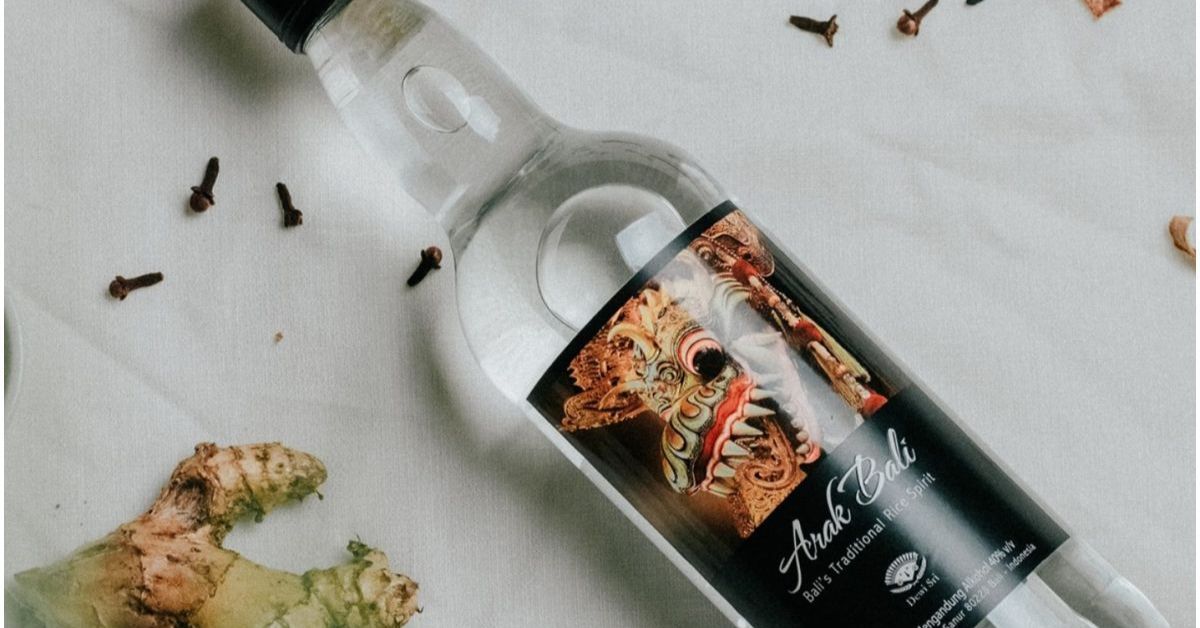
Arak Bali is a traditional Balinese distilled spirit made from fermented coconut flower sap, palm sap, or glutinous rice. The result is a clear, strong liquor that has been part of island life for hundreds of years.
Unlike mass-produced alcohol, Arak Bali is made by hand in small village distilleries, with the process passed down through generations of Balinese families. Today, you can find it in local warungs (small food stalls), upscale cocktail bars, and even supermarkets across the island.
Arak is not just something Balinese people drink for fun. It holds deep meaning in the Hindu-Balinese faith — used in daily offerings, big ceremonies, and important life events. To truly understand Bali, you need to understand Arak.
Arak has been part of Balinese life for centuries. Long before Bali became one of the world's top travel destinations, local families were already distilling Arak in their villages. The tradition goes back so far that historians believe it predates recorded Balinese history.
For most of its history, Arak existed in a legal grey area in Indonesia. It was made and consumed widely, but never officially regulated. That changed in 2020, when the Governor of Bali signed Governor Regulation No. 1/2020, making the production, sale, and consumption of Arak Bali officially legal and recognized. This was a major win for Balinese culture and for the livelihoods of thousands of village producers.
In 2022, the Indonesian government designated Arak Bali as an official Geographical Indication (GI) product, protecting its identity and origin. Today, there is even an official Arak Bali Day celebrated annually, recognizing it as a living cultural heritage of the island.
Understanding local traditions like this is part of what makes Bali so special. If you are new to Balinese culture, reading about the languages spoken in Bali can give you deeper cultural context before your trip.
The making of Arak Bali is a traditional craft rooted in East Bali. Most Arak producers live in the Karangasem regency, in villages like Tri Eka Buana and Bebandem. The process begins with collecting sap from coconut flowers or palm trees.
Here is a simple breakdown of how Arak is made:
The alcohol content of traditional Arak typically ranges from 37% to 50% ABV (alcohol by volume). Some homemade versions can be stronger — always ask before drinking.
Not all Arak is the same. Here are the most common types you will come across:
This is where Arak Bali becomes truly fascinating. In the Hindu-Balinese faith, Arak is not just alcohol — it is considered "air suci", meaning holy water. It plays a sacred role in rituals and ceremonies across the island.
Here is how Arak appears in Balinese spiritual life:
If you want to witness these ceremonies firsthand, plan your trip around Galungan and Kuningan, Bali's most important Hindu celebrations. The detailed guide on Galungan and Kuningan in Bali covers everything — including exactly how to respect the rituals as a visitor.
Arak has a bold, distinctive taste that surprises many first-time drinkers. Here is what most people notice:
If you are trying Arak for the first time, start with Arak Madu (honey Arak) or an Arak cocktail. These versions are much easier to drink and still give you the authentic spirit of the island.
Arak Bali has found a second life in Bali's thriving modern bar scene. Creative bartenders across the island now use it in a wide range of cocktails, giving visitors a fun and approachable way to taste a classic ingredient.
Here are the most popular Arak cocktails to try:
Cocktail bars in Canggu and Seminyak have embraced Arak Bali as a premium local ingredient. The Canggu nightlife guide is a great starting point for finding bars that serve excellent Arak-based cocktails.
You can find Arak Bali almost everywhere on the island, but the experience varies a lot by location. Here are your best options:
Small local eateries in villages and rice field areas often serve simple, unadorned Arak. This is the most authentic experience. Prices are very low, and the atmosphere is genuinely local.
Modern venues in tourist areas like Seminyak and Canggu serve creative Arak cocktails. These spots are great for first-timers. If you are spending time in Seminyak, the guide to best things to do in Seminyak, Bali includes a mix of beach clubs, dining spots, and cultural experiences that often feature local drinks.
Fine dining restaurants across the island now include Arak pairings with local food, and some even offer Arak tasting menus as part of a curated Balinese dining experience.
For the most authentic experience, visit the Arak producers in Karangasem regency in East Bali. You can watch the distillation process and buy directly from the maker. Getting there is easiest on a scooter — more on that below.
You can buy bottled, certified Arak Bali from most supermarkets on the island. Brands like Cap Tiga Bunga and Sekar Jagat are popular and safe choices.
If you are heading to the quieter east side of Bali, be sure to check out what Sanur has to offer — a laid-back area with a strong connection to traditional Balinese culture and cuisine.
This is a question that every traveler should ask. Over the years, Bali has seen isolated incidents of methanol poisoning linked to illegal, unregulated homemade alcohol — not from properly made Arak. The danger comes from counterfeit or poorly distilled liquor sold under the Arak name.
Here is what you need to know to stay safe:
Since the 2020 legalization, certified Arak Bali from registered producers is completely safe. The new regulation set clear quality standards and production guidelines, making commercially produced Arak far more reliable.
Whether you are a first-time visitor or a long-term Bali resident, these tips will help you have the best experience:
One of the best ways to discover authentic Arak Bali is to get off the tourist path. Visit the villages of Karangasem, stop at a roadside warung in Ubud, or explore the neighborhood bars in Canggu or Seminyak. Not sure which part of Bali suits your style? The best areas to stay in Bali for first-timers guide helps you choose the right base for your trip. For a clear head-to-head comparison of Bali's two most popular hubs, the Canggu vs Seminyak guide breaks down both neighborhoods so you can decide where to spend your evenings.
The best way to explore Bali at your own pace — from distillery villages in Karangasem to rooftop cocktail bars in Canggu — is on a scooter. A scooter gives you the freedom to stop wherever something catches your eye, whether it is a local ceremony, a bamboo warung, or a sunset view with a cold Arak cocktail in hand.
The best Arak experiences in Bali are not always in the tourist zone. They are in village lanes, cliff-top bars, and family-run warungs tucked between rice fields. Getting there takes mobility — and that is where Cinchy comes in.
➡️ Book your scooter rental with Cinchy today
Cinchy delivers a well-maintained, insured scooter straight to your villa, hotel, or the airport. No hassle. No deposit required. Just pure freedom to ride.
➡️ Start your scooter booking here
Get on the road, explore Bali at your own speed, taste the culture, visit the ceremonies, and find the best Arak the island has to offer — all on your own schedule.
 travel tips
 hidden gems
 scooter guides
 riding tips
 bali guides
 cultural insight