
1


Stay in Touch
Get the latest updates, special offers, and exclusive Cinchy perks straight to your inbox.


Jl. Plawa No.50, Seminyak, Kec. Kuta, Kabupaten Badung, Bali 80361

CALL US 24/7
(+62-851-7424-6249)
Copied!

We’ll be Back
at
8:30 AM-9 PM WITA




Payment Partners


© 2026 CINCHY. ALL RIGHTS RESERVED.
Cinchy Blog / Bali vs Philippines: Should You Visit Bali or Philippines in 2026?
Published: 12 May 2026

By Ulfah Alifah
Travel Enthusiast
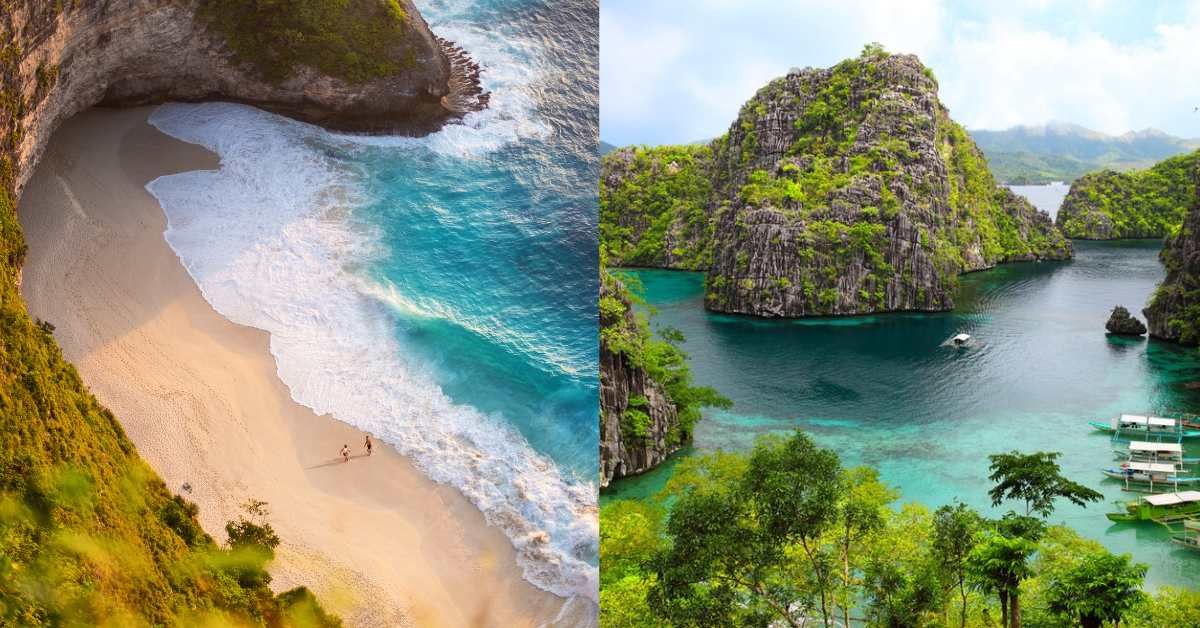
Two of the most talked-about tropical destinations in the world. One genuinely hard decision. Whether you are drawn to the spiritual calm of terraced rice paddies or the raw, scattered beauty of thousands of islands, both Bali and the Philippines deliver unforgettable travel experiences in 2026.
But they are not the same. Not even close.
Bali is a single compact island in Indonesia with a deeply developed tourism ecosystem, iconic Hindu temples, a world-class surf and wellness scene, and a dense concentration of things to do. The Philippines is an archipelago of over 7,600 islands spread across the South China Sea, offering jaw-dropping diving, pristine beaches, and an adventurous spirit that rewards explorers.
This guide covers every major category — from beaches and budget to safety, visas, nightlife, and romantic escapes — so you can make the right call for your 2026 adventure.
Bali is a small island in the Indonesian archipelago, roughly 5,780 square kilometres in size. Despite its modest dimensions, it packs an extraordinary amount into a single destination. Bali earned a reputation as the "Island of the Gods" for a reason. The island's Hindu culture shapes everything — from towering temple ceremonies and daily offerings placed at every doorstep to the rhythmic sound of gamelan music drifting through village streets.
Tourism in Bali is well-developed and well-organised. You will find world-class restaurants in Seminyak, creative surf culture in Canggu, tranquil yoga retreats in Ubud, dramatic cliff-top temples in Uluwatu, and pristine beaches in Nusa Dua. The island runs on tourism, which means the infrastructure is reliable, English is widely spoken, and everything from scooter rentals to luxury villa bookings is straightforward.
Bali attracted over 6.3 million international visitors in 2024, exceeding pre-pandemic numbers. In 2026, the island remains one of Southeast Asia's most visited destinations — and for good reason. It rewards both first-time travelers and long-term visitors who keep coming back.
The Philippines is a Southeast Asian archipelago consisting of more than 7,600 islands. Its largest cities — Manila, Cebu, and Davao — serve as gateways to an enormous spread of natural wonders. The country is home to some of the world's most biodiverse marine ecosystems, UNESCO-listed rice terraces, active volcanoes, and beaches that routinely top global rankings.
Unlike Bali, which offers a single concentrated experience, the Philippines demands exploration. El Nido and Coron in Palawan are widely considered among the world's best island-hopping destinations. Siargao is the surfing capital of the Philippines. Boracay offers vibrant beach nightlife. Bohol combines the famous Chocolate Hills with one of the finest dive sites in Asia.
The Philippines is friendly, English-speaking, and deeply hospitable. Travel infrastructure is less polished than Bali in many areas, but the trade-off is authenticity, natural beauty, and a sense of discovery that is hard to find in a more developed destination.
Bali covers approximately 5,780 square kilometres. The Philippines, by contrast, covers 300,000 square kilometres across its island chains — making it roughly 52 times the size of Bali. In practical terms, this means Bali is a tight, navigable destination where you can cross the island in a couple of hours by scooter. The Philippines requires flights, ferries, and careful logistical planning to island-hop between its standout regions.
If you want everything in one place, Bali wins on convenience. If you want variety and an explorer's journey, the Philippines has no rival.
The best time to visit Bali is during its dry season, which runs from April to October. May, June, and September are particularly good months — you get excellent weather, clear skies for diving, lower humidity, and slightly fewer crowds than the peak July–August window. Shoulder season in April and October can also yield 20–30% lower prices on accommodation.
The best time to visit the Philippines depends on which island you plan to explore. Generally, the dry season runs from November to May in most regions. The eastern coast of Visayas and parts of Mindanao follow different weather patterns. For popular destinations like Palawan (El Nido, Coron), January to March offers the calmest seas and clearest skies.
Bali has a tropical climate with two main seasons. The dry season (April–October) brings warm temperatures of 26–32°C, low humidity, and consistent sunshine with 8–10 hours of sun daily. The wet season (November–March) brings heavier rain, particularly in the afternoons, though travel remains entirely possible.
The Philippines has a more variable climate shaped by typhoon seasons and contrasting microclimates between islands. The country sits in the Pacific typhoon belt, meaning storms can affect travel between July and November. However, the southern islands — including parts of Palawan, Siargao, and Cebu — tend to be more sheltered and accessible year-round.
Bali is a hub for outdoor sports. Surfing is the headline act, with world-class breaks in Uluwatu, Padang Padang, Medewi, and Canggu. White-water rafting on the Ayung River is one of the most popular adventure activities. Cycling, hiking, and zip-lining are widely available. Exploring Bali's hidden beach roads and jungle tracks on two wheels is one of the best ways to experience the island — check out our guide on scooter rental at Cinchy Life Bali without deposit to plan your land adventures.
The Philippines is every bit as adventurous, and in some respects more so. Siargao is a world-ranked surf destination. Cebu offers canyoneering in Kawasan Falls. Bohol, Batanes, and Sagada offer extraordinary hiking terrain. Adventure activities here feel more raw and less commercial — part of the charm, but also something to plan carefully for.
Bali's scenery is iconic and diverse within a small space. The tiered rice terraces of Tegallalang and Jatiluwih are among Southeast Asia's most photographed landscapes. Towering volcanoes — including Mount Agung and Mount Batur — rise above the island's interior. Sacred waterfalls, jungle ravines, and cliff-top ocean vistas are found within short drives of each other.
The Philippines offers broader natural spectacle at a grander scale. The karst limestone cliffs of Palawan, the underground river in Puerto Princesa, the Chocolate Hills of Bohol, the Mayon Volcano in Luzon, and the marine-rich waters of Tubbataha Reef all sit in a category of their own. For sheer variety and scale of natural landscapes, the Philippines has a genuine edge.
Bali's beaches are beautiful and varied. Seminyak and Legian offer golden-sand stretches with beach clubs and sunset views. Nusa Dua is calm and family-friendly. The Bukit Peninsula beaches — including Bingin, Padang Padang, and Thomas Beach — are dramatic and secluded. Nusa Penida's Kelingking Beach is one of the most photographed cliffs in the region.
However, the Philippines wins on raw beach quality. White Beach on Boracay, El Nido's Secret Beach, and the powdery coves of Coron are consistently ranked among the most beautiful in the world. The water is shallower, the sand is finer, and the colour of the sea reaches a shade of turquoise that is difficult to find elsewhere.
Bali has an extraordinary range of hotel options at every price point. From budget guesthouses and boutique eco-resorts in Ubud to five-star luxury hotels in Nusa Dua and design-forward properties in Seminyak, the island's hotel scene is one of the most developed in Southeast Asia. Bali's hospitality infrastructure means high-quality stays are available without requiring premium budgets.
The Philippines also offers excellent hotels, particularly in Boracay, Cebu, Palawan, and Manila. International chains, boutique resorts, and eco-lodges are all present. However, availability and quality vary more significantly between islands. In Bali, even a mid-range budget guarantees a high standard. In the Philippines, doing research and booking ahead matters more, especially for remote island destinations.
Bali is the global benchmark for private villa holidays. The island offers thousands of private pool villas at price points that would be impossible to match in most other destinations. In Seminyak, Canggu, or Ubud, a beautifully designed villa with a private pool, daily breakfast, and a personal staff team can cost as little as USD 100–150 per night. For couples and groups, the value is exceptional.
The Philippines has its own growing villa rental market, particularly in El Nido, Siargao, and Boracay. Quality villas are available, but the breadth of choice and the price-to-quality ratio does not yet match Bali's scale. If a private villa experience is central to your trip, Bali remains the better choice by a clear margin.
Bali's dining scene is world-class. Seminyak, Canggu, and Ubud are home to restaurants that compete with major global food cities. From authentic warung (local Indonesian eateries) serving nasi goreng and babi guling to international fine dining, raw food cafés, and trendy brunch spots, the food variety in Bali is extraordinary. A single day in Canggu alone could take you from a $2 bowl of mie goreng to a $40 tasting menu dinner.
The Philippines has a growing and underrated food scene. Filipino cuisine — adobo, sinigang, lechon, kare-kare — is deeply flavourful and warming. Cebu is the food capital of the country with outstanding lechon and seafood. While the overall dining variety is less global than Bali, particularly outside major cities, fresh seafood straight from the water is a consistent highlight across the islands.
Bali delivers a strong water sports offering. Surfing is the island's undisputed specialty, with consistent breaks across the Bukit Peninsula and Canggu that suit all levels. Kitesurfing at Sanur, white-water rafting on the Ayung River, jet skiing in Tanjung Benoa, and parasailing are all widely available.
The Philippines is equally well-equipped. Siargao ranks as one of the top surfing destinations in Asia. Kiteboarding is popular in Bulalacao and La Union. Paddle boarding, kayaking, and cliff jumping opportunities are found across Palawan and the Visayas. Both destinations offer rich water sports, but the sheer number of islands in the Philippines gives it a broader catalogue overall.
Bali has genuinely impressive dive sites. Nusa Penida is home to manta ray cleaning stations and the famous Mola Mola (ocean sunfish) sightings from July to October. The USS Liberty shipwreck in Tulamben is one of the most accessible and photographed wreck dives in the world. Crystal Bay and the coral gardens of Menjangan Island round out a strong offering.
However, the Philippines is one of the top three diving destinations on the planet. Tubbataha Reef — a UNESCO World Heritage Site — hosts extraordinary marine biodiversity. Coron's WWII wrecks are among the most famous in the world. Moalboal in Cebu is home to a legendary sardine run. Apo Island offers pristine reef ecosystems. If diving and snorkelling are your primary reason for travel, the Philippines is the more compelling destination.
Bali's inland is just as rewarding as its coast. The central highlands around Ubud are a hub for rice terrace walks, cooking classes, waterfall hikes, and temple exploration. Mount Batur offers one of Southeast Asia's most accessible and rewarding sunrise treks, with a guided 2-hour ascent and crater rim views. The Sekumpul and Gitgit waterfalls in North Bali are stunning and uncrowded.
The Philippines rewards inland explorers with extraordinary diversity. The Batad Rice Terraces in Ifugao are older and arguably more dramatic than those in Bali. The Puerto Princesa Subterranean River is a UNESCO World Heritage Site. The Chocolate Hills of Bohol are unique to the world. Getting to these inland attractions requires more planning in the Philippines, but the reward is often a deeper sense of discovery.
Bali is considered one of the safer destinations in Southeast Asia. Petty theft exists, particularly around crowded areas and tourist markets, but violent crime targeting tourists is rare. The island is well-policed in tourist areas, and most visitors complete their stay without incident. The biggest safety concerns for most travelers are road safety on scooters and current-related risks while swimming at certain beaches.
Before you ride around Bali, make sure you understand the things to consider before using scooter rental in Bali — including license requirements, insurance, and traffic tips that keep you safe on the road.
The Philippines has a more varied safety picture. Popular tourist destinations like Boracay, El Nido, and Siargao are generally safe for tourists. However, Manila requires more caution, particularly in certain districts. Petty theft and scams exist in high-traffic tourist areas. Checking current travel advisories for specific regions before booking is important.
Bali's nightlife is famous worldwide. Seminyak and Canggu have evolved into sophisticated late-night dining and beach club destinations. Kuta remains the island's party heartland with clubs that run until sunrise. Finns Beach Club, Potato Head, and La Favela are among the most talked-about venues in Southeast Asia. Bali's nightlife caters to a wide range — from chilled sunset cocktails on a cliff to full-on parties with international DJs.
The Philippines has a thriving nightlife scene, concentrated in Manila's BGC and Makati districts, Boracay's White Beach, and Cebu's Mango Square. Boracay in particular has earned a reputation for its beach party culture. That said, Bali's nightlife is more polished, more internationally recognised, and more densely concentrated in a smaller area, making it easier to experience in a short trip.
Bali has built one of the most distinctive slow-lifestyle cultures in the world. The combination of wellness, surf, creativity, and spirituality creates a daily rhythm that feels both indulgent and intentional. Morning yoga, cold brew coffee, midday surf, afternoon naps in a garden café, and evenings at a beachside restaurant — this is the standard Bali day for many long-term visitors.
The Philippines lifestyle varies enormously by island. Siargao offers a similar surf-and-slow vibe. El Nido attracts adventure-seekers who spend days island-hopping. Manila is fast, urban, and chaotic. Overall, the Philippines feels less curated as a lifestyle destination than Bali, which can be a positive or negative depending on your preferences.
Bali's Hindu culture is its most distinctive feature in a predominantly Muslim Indonesia. Temples dot every village, rice fields, beach, and mountaintop. Ceremonies happen throughout the year and are open for respectful visitors to observe. The traditional arts — including Legong dance, Kecak fire dance, woodcarving, and batik weaving — are alive and actively practised, not just performed for tourists.
The Philippines has a complex and layered culture shaped by indigenous, Malay, Spanish, American, and Chinese influences. Christianity is deeply woven into daily life — the country is the largest Christian nation in Asia. Festivals such as Sinulog in Cebu, Ati-Atihan in Aklan, and Panagbenga in Baguio are extraordinary cultural experiences. For cultural depth in a single destination, Bali leads. For cultural variety, the Philippines has a broader canvas.
Bali serves outstanding food at every price point. Indonesian staples like nasi goreng (fried rice), mie goreng (fried noodles), satay, babi guling (suckling pig), and lawar are deeply satisfying. Beyond local cuisine, Bali's international food scene is one of the best in Southeast Asia — with Japanese, Italian, Mexican, Indian, and fusion restaurants that rival any major city.
Filipino food is rich, savoury, and deeply comforting. Adobo (meat braised in vinegar and soy sauce), sinigang (sour tamarind soup), crispy lechon, and fresh kinilaw (Filipino ceviche) are highlights. Filipino cuisine is underappreciated internationally but has been gaining recognition rapidly. For sheer variety and global quality, Bali edges ahead. For authentic regional cooking and incredible fresh seafood, the Philippines holds its own.
Bali is a shopper's paradise. Seminyak and Kuta are packed with boutique clothing stores, leather goods markets, handmade jewellery, silver crafts, woodcarvings, and artisan homewares. Ubud's market is famous for textiles, traditional paintings, and carved figurines. Prices are generally negotiable in markets, and Bali's artisan culture means you can find genuinely handmade, one-of-a-kind pieces.
The Philippines also has excellent shopping. Manila's Binondo district is a treasure trove for Chinese-influenced goods. Divisoria is the local market landmark for budget shoppers. Regional crafts — including weaved textiles from Mountain Province, pearls from Palawan, and shells from Cebu — are outstanding. However, for a concentrated boutique shopping experience, Bali remains the easier and more rewarding destination.
Bali is very family-friendly, particularly in areas like Sanur, Nusa Dua, and Ubud. Sanur has calm, shallow waters that are perfect for young children. Nusa Dua has resort-style beaches with full facilities. Ubud's rice terraces, animal parks, and cooking classes keep kids engaged. Many restaurants cater to children, and private villas with pools make family stays both comfortable and affordable.
The Philippines is also a fantastic family destination. Boracay's beach is calm and shallow at the northern end. The Bohol tour circuit — combining the Chocolate Hills, tarsier sanctuary, and river cruise — is popular with children. However, the logistics of getting between Philippine islands require more planning and can make a family trip with young children more complex than Bali, where everything is contained and easily accessible.
Bali is one of the world's most popular honeymoon destinations. Private pool villas, romantic cliff-top dinners, temple walks at sunrise, couples' spa treatments, and intimate beach clubs make it ideal for newlyweds. The island balances romance with convenience — everything is well-organised, the infrastructure is reliable, and the setting is deeply beautiful without requiring exhausting logistics.
The Philippines can be absolutely magical for a honeymoon, particularly in El Nido or Palawan. Overwater bungalows and private island resorts exist in the Philippines that rival the Maldives in beauty. The trade-off is that reaching these locations requires more flights and ferry transfers. If you want romantic convenience, choose Bali. If you want a raw, adventurous romance in places few people reach, the Philippines delivers.
Bali's romantic credentials are built into its DNA. Sunset at Tanah Lot Temple, private candlelit dinners in Seminyak, couples yoga at dawn in Ubud, and watching the Kecak fire dance at Uluwatu together — the island packages romance into almost every experience. Cliff-top villas overlooking the Indian Ocean are plentiful and genuinely affordable for what they offer.
The Philippines also creates romantic moments of extraordinary beauty. Watching the sun rise over the limestone karsts in El Nido from a private beach, or sharing a boat during an island-hopping day in Coron — these are experiences that stay with you. The Philippines trades Bali's polished romance for something wilder and more spontaneous, which some couples find even more powerful.
Bali wins the aesthetics battle for most travelers. The combination of ornate temples, terraced landscapes, flower offerings on every surface, vibrant sarongs, and carefully designed cafés and villas creates a visual experience that is uniquely its own. Instagram brought millions of people to Bali, and while that has created crowds, the visual beauty of the island is entirely real.
The Philippines has its own stunning visual identity — the blue-green lagoons of Palawan, the symmetrical cone of Mayon Volcano, the emerald terraces of Batad — but these require more travel to piece together. As a single concentrated aesthetic destination, Bali is unmatched in Southeast Asia.
Daily travel costs in Bali run approximately USD 60–120 for a comfortable mid-range experience in 2026. Budget travelers can get by on USD 30–50 per day by staying in guesthouses and eating at local warungs. A private pool villa with daily café visits, surf lessons, and temple tours can be done comfortably for under USD 100 per person per day.
The Philippines is generally cheaper at the baseline. Accommodation in El Nido and Siargao runs at USD 20–30 per night at mid-range. Local meals cost USD 3–5. However, the Philippines has a widespread system of environmental fees, entrance fees, boat fees, and inter-island transport costs that add up quickly. In practice, both destinations cost similarly for a well-planned trip, with the Philippines being roughly 30–40% cheaper for longer-term stays.
Bali delivers exceptional value for the quality of experience you receive. A private pool villa, three meals, spa treatment, surf lesson, and beach club entrance can all be done in a single day for under USD 100. The combination of first-class tourism infrastructure, beautiful settings, and low prices makes Bali one of the world's best value-for-money destinations.
The Philippines offers raw value at lower price points, but infrastructure inconsistencies and constant additional fees can erode the advantage. For pure quality-to-cost ratio, Bali edges ahead. If you are a budget backpacker willing to deal with logistics, the Philippines can stretch your money further — especially for long-term travel.
Bali is the clear winner for shopping. The island's strong artisan tradition means markets and boutiques carry genuinely handmade crafts — silver jewellery from Celuk, woodcarvings from Mas, batik textiles from Gianyar, and fashion pieces from Seminyak's boutique strip. Prices are lower than in Manila's malls, and the variety of handmade goods is broader and more distinctive.
The Philippines has excellent shopping in Manila and regional craft markets, but getting to the best shopping areas often requires navigating a large, traffic-heavy city. For quality artisan purchases in a compact, easy-to-navigate setting, Bali wins decisively.
Bali — specifically Canggu and Seminyak — is one of the world's leading digital nomad hubs. Coworking spaces are plentiful, fast internet is standard in most cafés, international community events run daily, and the cost of living is high but manageable on a USD 1,500–2,500 per month budget. The visa situation improved with Indonesia's introduction of a digital nomad visa option.
If you are comparing Bali to other Southeast Asia destinations, our full breakdown of the Bali vs Thailand digital nomad comparison gives a detailed look at infrastructure, visa options, and community life.
The Philippines is gaining popularity with digital nomads, particularly in Siargao, Cebu, and BGC Manila. Internet speeds in Cebu and Manila are competitive. The Philippines issues tourist visas on arrival with relatively easy extensions. However, Bali's nomad community is larger, more organised, and better served by coworking infrastructure — making it the stronger choice for most location-independent workers.
Bali remains one of the most popular expat destinations in Asia. The combination of affordable living, excellent food, wellness culture, and a large international community makes it deeply appealing for long-term residents. Getting a legal long-term visa used to be the primary challenge, but Indonesia's expanded visa options in recent years have made staying longer more accessible.
The Philippines is also a well-established expat destination, particularly for retirees. The Philippine Retirement Authority (PRA) offers a Special Resident Retiree's Visa (SRRV) that allows foreign retirees to stay indefinitely with relatively straightforward requirements. The English-speaking culture removes a major barrier for Western expats. Both destinations support expat life well — Bali for active, younger expats; Philippines for retirees and those seeking a slower pace.
Bali — as part of Indonesia — offers visa-on-arrival for citizens of many countries, valid for 30 days and extendable to 60 days. Indonesia has introduced a Social-Cultural Visa and a B211A visa for longer stays. A digital nomad visa is also available for eligible applicants. One important admin step: all international travelers entering Indonesia must complete the All Indonesia Arrival Card before landing. Make sure you understand the All Indonesia Arrival Card requirements before your trip to avoid delays at immigration.
The Philippines is widely regarded as having one of the easiest visa policies in Southeast Asia. Most Western, Australian, and ASEAN passport holders receive a 30-day visa on arrival, which can be extended up to 36 months in the country — making it one of the most flexible destinations for long-term travelers without a dedicated long-stay visa.
Bali wins the overall value-for-money contest in 2026. The quality of accommodation, food, wellness, surf, and culture per dollar spent is genuinely hard to beat anywhere in the world. A USD 100 daily budget in Bali includes experiences that would cost three to five times more in Europe, Australia, or the United States.
The Philippines offers excellent value for budget travelers who are happy to deal with ferry logistics and additional fees. For long-stay travelers and retirees, the Philippines' lower base cost of living — roughly 30–40% cheaper than Bali for long-term stays — makes it more economical overall.
Both destinations share a tropical climate, so your packing list will overlap significantly. Here is what you should not leave home without:
Booking tours in Bali is highly straightforward. Most hotels, villas, and guesthouses can arrange temple tours, rice terrace treks, cooking classes, and surf lessons directly. Online platforms and local tour operators in Seminyak, Ubud, and Canggu offer transparent pricing for day trips.
For getting around Bali independently — which is truly the best way to explore the island — renting a scooter gives you unmatched freedom. You can cover the terraced roads of central Bali, find hidden beaches on the Bukit Peninsula, and chase sunsets along the coast all on your own schedule. Book your Bali scooter rental through Cinchy and get your ride delivered straight to your accommodation — no deposit required.
For the Philippines, booking tours requires more forward planning, particularly for island-hopping. El Nido and Coron tours should be booked in advance during peak season (December–April). Ferries between major islands fill quickly. Apps like Bookaway and 12GoAsia are reliable for inter-island ferries. Domestic flight deals between Cebu, Manila, Puerto Princesa, and Siargao should be booked weeks ahead to secure good prices.
If you are still weighing up how Bali compares to other regional destinations, our Bali vs Malaysia guide and Bali vs Phuket guide offer detailed breakdowns on cost, culture, and logistics across Southeast Asia.
Both destinations are genuinely world-class. Neither is objectively better. They serve different types of travelers, and the right answer depends entirely on what kind of experience you are looking for in 2026.
Choose Bali if you want:
Choose the Philippines if you want:
If you are still undecided, consider splitting your trip. Many travelers fly into Bali, spend a week or two exploring the island, then continue to the Philippines for a second leg of island-hopping. The two destinations complement each other beautifully — and together they represent the best of what Southeast Asia has to offer in 2026.
Ready to start your Bali adventure? Explore Bali your way with Cinchy — your trusted local partner for scooter rentals, travel tips, and everything you need to get the most out of the island.
It depends on your travel style. Bali is better for a compact, all-in-one island experience with great infrastructure, world-class villas, rich culture, and reliable logistics. The Philippines is better if you want raw natural beauty, world-class diving, more adventurous island-hopping, and greater variety across a larger geographical canvas. For first-time Southeast Asia visitors or those with limited time, Bali is usually the easier and more rewarding single-destination choice.
At the base level, the Philippines is slightly cheaper than Bali for accommodation and local food. Accommodation in popular Philippine islands runs USD 20–30 per night at mid-range, compared to USD 40–70 in Bali. However, the Philippines has frequent environmental, entrance, and boat fees — often called the "Feelopines" by travelers — that add up quickly during island-hopping trips. For long-term stays, the Philippines is 30–40% cheaper than Bali overall.
Siargao is the Philippine island most often compared to Bali. It shares a similar surf culture, a laid-back creative community, boutique cafés, and a wellness-focused lifestyle that attracts digital nomads and long-term travelers. El Nido in Palawan shares Bali's appeal for couples and honeymooners seeking natural beauty. For cultural richness and heritage, Vigan in Ilocos Norte offers a different kind of depth with its Spanish colonial architecture. If you enjoy comparing Bali to its regional counterparts, take a look at our Bali vs Koh Samui and Bali vs Phu Quoc guides for more Southeast Asia comparisons.
For most travel scenarios, the Philippines is slightly more affordable than Indonesia at the base level — particularly for accommodation and local food outside of Bali. Indonesia's major costs are driven by Bali, which has become significantly more expensive due to its global popularity. However, Indonesia as a whole — including destinations like Lombok, Java, and Sumatra — is very affordable. Bali specifically compares closely to the Philippines in total daily spending once travel fees and activities are factored in. For a deeper dive into how Bali stacks up against other Southeast Asian destinations, explore our Bali vs Singapore and Bali vs Langkawi comparisons.
 travel tips
 hidden gems
 scooter guides
 riding tips
 bali guides
 cultural insight