1


Stay in Touch
Get the latest updates, special offers, and exclusive Cinchy perks straight to your inbox.


Jl. Plawa No.50, Seminyak, Kec. Kuta, Kabupaten Badung, Bali 80361

CALL US 24/7
(+62-851-7424-6249)
Copied!

We’ll be Back
at
8:30 AM-9 PM WITA




Payment Partners


© 2026 CINCHY. ALL RIGHTS RESERVED.
Cinchy Blog / Bali Rainy Season: When It Starts, What to Expect, and Travel Tips
Published: 22 Nov 2026

By Syahrial Maulana Sudarto
Travel Enthusiast

Quick Answer
“When is the rainy season in Bali?”
Bali's rainy season generally runs from November to March, with the heaviest rainfall typically occurring between December and February. January is usually the wettest month in Denpasar. However, rainfall patterns vary each year and across different parts of the island, so travelers should prepare for changing weather conditions.
Key Takeaways:
Bali has a tropical climate with two main seasons: the dry season and the rainy season. Understanding these seasonal patterns can help you choose the right travel dates and prepare for the weather.
The rainy season in Bali typically begins around November and continues until March. During this period, rainfall increases, humidity remains relatively high, and tropical showers become more frequent.
However, these months represent general seasonal patterns rather than fixed dates. The actual start and end of the wet season can change depending on annual climate conditions and geographical location.
Bali's rainy season generally starts in November, when rainfall becomes more frequent following the drier months. It usually reaches its wettest period between December and February before gradually transitioning toward the dry season in March and April.
Here is what travelers can generally expect throughout the season:
Keep in mind that seasonal transitions do not happen simultaneously across the entire island. Some areas may experience rainfall earlier or later than others.
January is generally the wettest month in Bali, particularly when looking at long-term rainfall data for Denpasar.
According to Japan Meteorological Agency (JMA) climate normals for Denpasar/Ngurah Rai, January receives approximately 350.7 mm of rainfall. December follows with around 327.4 mm, while February receives approximately 289.8 mm.
These figures provide a useful reference for travelers planning their holidays. However, they represent climatological data from a specific observation station rather than rainfall measurements for the entire island.
If you prefer to avoid the wettest period, consider visiting during the transition months or dry season instead.
Yes. The timing and intensity of Bali's rainy season can vary from year to year because of changing atmospheric and oceanic conditions.
Phenomena such as El Niño, La Niña, and the Indian Ocean Dipole can influence rainfall patterns across Indonesia. These climate drivers may affect when the rainy season begins, how much rain falls, and when the wettest period occurs.
For example, BMKG's 2026/2027 seasonal forecast indicates that the onset of the rainy season is expected to be later than normal across many parts of Indonesia.
Therefore, travelers should distinguish between typical seasonal patterns and current seasonal forecasts. Check BMKG updates before finalizing your travel plans.
Understanding the weather conditions during Bali's wet season can help you prepare for different outdoor activities and travel experiences.
Although rainfall increases during these months, the island does not necessarily experience continuous rain throughout the day.
No. It does not necessarily rain all day during Bali's rainy season.
The island can still experience sunny mornings, followed by afternoon showers or evening thunderstorms. Some days may have only brief rainfall, while others can experience prolonged heavy downpours.
However, there is no guaranteed schedule for tropical rain. Weather conditions can change quickly, so it is better to keep your itinerary flexible.
If you plan to visit outdoor attractions, consider scheduling them when the forecast is favorable and keeping indoor alternatives available.
Bali remains warm throughout the year because of its tropical climate. Even during the rainy season, daytime temperatures in coastal areas generally stay around 28–31°C.
Humidity can also feel particularly high, making the weather warm and sticky even when the sky is cloudy.
Inland and highland destinations such as Ubud, Bedugul, and Kintamani can feel cooler, especially during rainy or cloudy conditions.
Travelers should pack lightweight clothing, comfortable footwear, and quick-drying materials to stay comfortable throughout their trip.
One advantage of visiting Bali during the wet season is the island's lush tropical scenery.
Increased rainfall helps maintain green rice terraces, dense vegetation, and flowing rivers. Areas such as Tegallalang, Sidemen, and Munduk can offer beautiful landscapes during this period.
Waterfalls may also have stronger water flows, creating impressive natural scenery.
However, heavy rainfall can make walking paths slippery and increase water levels around rivers and waterfalls. Always check local conditions before visiting these attractions.
Rainy weather can influence beach conditions and water activities around Bali.
Strong winds, changing wave patterns, and heavy rainfall may affect snorkeling, diving, surfing, and boat transportation. Rainfall can also carry sediment and debris into coastal waters, potentially reducing water visibility.
Some beaches may experience more washed-up debris during the wet season, particularly after periods of heavy rain.
This does not mean every beach becomes unsuitable for swimming. Conditions vary depending on location, wind direction, waves, and daily weather.
Before heading out, check local beach conditions and follow lifeguard instructions or marine activity advisories.
Bali experiences different rainfall patterns throughout the year. Knowing which months are generally wetter or drier can help you decide when to visit.
January and February are generally among the wettest months in Bali. Expect frequent tropical showers, high humidity, and occasional thunderstorms.
March usually marks the beginning of a gradual transition toward drier conditions, although rainfall can still occur regularly.
These months are suitable for travelers who enjoy green landscapes, wellness experiences, and flexible itineraries. However, outdoor adventures and island-hopping plans may require additional preparation.
April generally marks the transition toward Bali's dry season, with rainfall becoming less frequent.
May and June typically bring more sunshine and better opportunities for outdoor activities.
These months can be appealing for travelers who want to explore beaches, temples, rice terraces, and other attractions without the heavier rainfall associated with the wet season.
July, August, and September are generally among the driest months in Bali.
Travelers can usually expect more consistent sunshine, lower rainfall, and favorable conditions for many outdoor activities.
This period is particularly popular for beach holidays, surfing, hiking, and exploring different parts of the island.
However, it is also an important travel period, so accommodation and transportation should be arranged in advance.
October generally marks the transition from dry to wet conditions. Rainfall begins to increase, although sunny days can still be common.
By November, tropical showers become more frequent. December usually brings considerably higher rainfall, marking the beginning of the wetter part of the season.
Travelers visiting during these months should prepare waterproof essentials and allow flexibility when scheduling outdoor activities.
Read Also:
When is The Best Time to Visit Bali? Here's The Complete Guide!
Peak Season in Bali: When It Is, What to Expect & Travel Tips
Low Season in Bali: When It Is, What to Expect & Travel Tips
Yes. Bali can still be an enjoyable holiday destination during the rainy season, depending on your travel preferences and planned activities.
Although rainfall may interrupt some outdoor experiences, there are several reasons why travelers still choose to visit during these months.
1. Lush green landscapes
Rainfall helps maintain Bali's tropical vegetation, making rice terraces, forests, and countryside destinations look vibrant and green.
2. A potentially quieter travel experience
Outside major holiday periods, some tourist attractions and accommodation areas may be less crowded than during the busiest travel months.
3. Potential accommodation deals
Some hotels and villas may offer more competitive rates during periods of lower demand. This can provide additional flexibility when planning your holiday budget.
4. Great opportunities for wellness experiences
Bali has plenty of indoor experiences, including traditional massages, spa treatments, yoga classes, and wellness retreats.
These activities can be enjoyable alternatives when outdoor plans are interrupted by rain.
5. A different perspective of Bali
The rainy season offers a different atmosphere, from misty highlands and flowing waterfalls to peaceful tropical landscapes.
Despite its advantages, there are several things to consider before booking a trip.
1. Unpredictable weather
Sudden rain showers can interrupt sightseeing, beach visits, and outdoor activities.
2. Potential flooding
Heavy rainfall can cause localized flooding and water accumulation in certain low-lying areas, potentially affecting transportation.
3. Changing ocean conditions
Strong waves and poor visibility may occasionally disrupt snorkeling, diving, surfing, and boat trips.
4. Limited outdoor activities
Some hiking trails, waterfalls, and nature attractions may become slippery or temporarily inaccessible during unfavorable weather.
5. Higher humidity
Clothing and personal belongings may take longer to dry, especially when rain continues over several days.
Ultimately, Bali's rainy season is not necessarily a reason to cancel your holiday. The key is understanding the conditions and planning activities accordingly.
Bali's geographical landscape includes coastal areas, inland destinations, and highland regions. Consequently, rainfall and local weather conditions may differ across the island.
Popular destinations such as Kuta, Seminyak, Canggu, Sanur, and Uluwatu are located in southern Bali.
These Southern Bali areas offer beaches, restaurants, shopping, and nightlife. During the rainy season, travelers should be aware of possible coastal showers, wet roads, and localized flooding.
Denpasar's rainfall data can provide a useful climatological reference for this region, although individual coastal destinations may experience different conditions.
Ubud and its surrounding areas are known for rice terraces, tropical forests, temples, and wellness retreats.
Rainfall helps maintain the region's green landscapes, but visitors should prepare for muddy pathways and slippery surfaces when exploring outdoor attractions.
Northern Bali includes destinations such as Lovina and Munduk.
Coastal areas and highland destinations have different geographical characteristics, so their rainfall patterns should not be treated as identical.
Munduk, in particular, is known for its cooler highland atmosphere and waterfalls, which can become more challenging to access after heavy rainfall.
Eastern Bali includes destinations such as Amed, Sidemen, and Karangasem.
Travelers can enjoy coastal scenery, countryside landscapes, and cultural attractions. However, road conditions and local weather should be checked before planning longer journeys.
Bedugul and Kintamani are among Bali's well-known highland destinations.
Temperatures are generally cooler than in coastal areas, and cloudy or rainy conditions can reduce visibility around mountain viewpoints.
When visiting these areas during the wet season, prepare suitable clothing and avoid outdoor excursions during heavy rain or weather warnings.
Rain should not prevent you from enjoying your holiday. Bali offers plenty of experiences that can be adapted to changing weather conditions.
1. Enjoy a Balinese spa treatment
Relax with traditional massages and wellness treatments while taking a break from outdoor activities.
2. Join a Balinese cooking class
Learn how to prepare local dishes and discover Indonesian culinary traditions through a hands-on experience.
3. Visit museums and art galleries
Explore cultural attractions such as Museum Puri Lukisan in Ubud or SAKA Museum in Jimbaran.
4. Join a yoga or wellness class
Bali has numerous yoga studios and wellness centers offering indoor sessions for different experience levels.
5. Explore cafes and restaurants
Enjoy Balinese cuisine, specialty coffee, and international dining experiences while waiting for the rain to pass.
6. Visit indoor entertainment attractions
Places such as Trans Studio Bali offer indoor entertainment options that can be considered when outdoor activities are less suitable.
1. Explore Bali's rice terraces
Visit destinations such as Tegallalang or Jatiluwih when the weather and walking conditions are favorable.
2. Discover traditional temples
Explore Bali's cultural landmarks and learn more about the island's architecture and traditions.
3. Visit waterfalls
Waterfalls can offer impressive scenery during the wet season. However, avoid visiting when water levels are dangerously high or heavy-rain warnings are issued.
4. Enjoy the beaches
Beach visits remain possible when rainfall, waves, and ocean conditions are suitable. Always check local safety information before swimming or participating in water sports.
A little preparation can make your Bali holiday more comfortable, even when the weather is unpredictable.
Consider scheduling outdoor activities earlier in the day when the forecast is favorable.
This can give you more flexibility to visit rice terraces, temples, beaches, and scenic viewpoints before potential afternoon showers.
However, do not assume mornings will always be dry. Check the forecast before leaving your accommodation.
A practical rainy-season packing list should include:
These essentials can help protect your belongings and keep you comfortable when sudden showers occur.
Avoid planning too many outdoor activities in a single day without alternative options.
For example, if heavy rain affects your beach plans, consider visiting a museum, joining a cooking class, or enjoying a spa treatment instead.
Having a flexible itinerary can help you make the most of your holiday without constantly worrying about changing weather conditions.
Always monitor weather updates before visiting outdoor attractions or traveling between destinations.
The Indonesian Meteorology, Climatology, and Geophysics Agency (BMKG) provides weather forecasts, seasonal information, and early warnings that can help travelers make informed decisions.
You can check the latest information through the BMKG official website and Bali Climatology Station.
Remember that monthly climate averages are not the same as daily weather forecasts.
Rain can make Bali's roads slippery, reduce visibility, and increase the risk of accidents.
If you plan to explore the island using a scooter during extreme weather, follow these precautions:
If conditions become unsafe, stop somewhere sheltered and wait until the rain becomes lighter.
For longer journeys or severe weather conditions, consider using a car or private driver instead.
Warm and humid conditions can create favorable environments for mosquitoes.
Apply insect repellent, wear appropriate clothing, and avoid leaving standing water around your accommodation.
These simple precautions can help reduce mosquito bites and lower your exposure to mosquito-borne illnesses such as dengue.
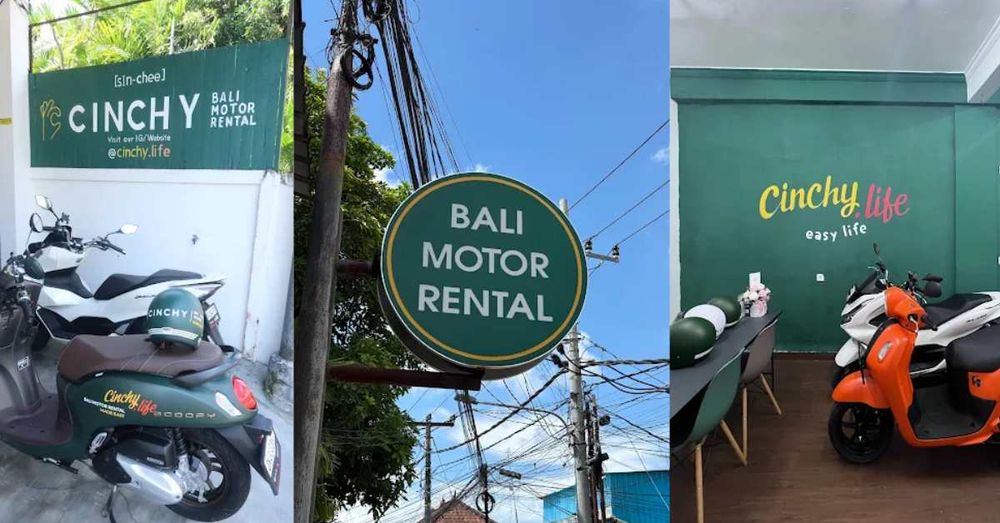
Exploring Bali during the rainy season is easier when you have reliable transportation and a flexible schedule.
With Cinchy, you can rent a well-maintained scooter with convenient online booking and real-time availability, so you can check which units are available for your travel dates before making a reservation.
Choose a Compact scooter, such as a Honda Scoopy, Yamaha Fazzio, or Honda Vario, starting from IDR 95,000 per day, or a Comfort scooter, such as a Yamaha NMAX or Honda PCX, starting from IDR 155,000 per day.
Every rental also includes a free raincoat, helmet, hair net, and phone holder to help you prepare for changing weather conditions.
Cinchy also offers 24/7 customer support and convenient scooter delivery to selected areas, including free delivery to Bali Airport, Seminyak, Kuta, and Legian.
You can book directly through Cinchy’s website by selecting your rental dates, choosing a scooter, and arranging your pickup and drop-off locations.
For a smoother trip, check the available insurance options and prepare your valid ID, driving license, round-trip flight tickets, and hotel booking.
If you are planning ahead for the peak season, use the EARLY5 code to get 5% off eligible early bookings.
👉 Rent a scooter in Cinchy now, book early and save 5% with code EARLY5!
If you're still uncertain about your next steps, don't worry, as we're here to address all your queries and concerns.
Bali's rainy season generally runs from November to March. December, January, and February are usually the wettest months, although the exact timing and rainfall intensity can vary each year.
Not necessarily. Bali can still experience sunny periods during the rainy season. Rainfall may occur as short tropical showers or prolonged downpours, depending on daily weather conditions.
January is generally the wettest month in Denpasar, with approximately 350.7 mm of rainfall based on JMA climate normals. However, rainfall patterns differ across Bali.
Yes, December can still be a good time to visit Bali if you have a flexible itinerary. Expect more frequent rainfall and prepare alternative indoor activities, especially during the Christmas and New Year holiday period.
January is typically one of Bali's wettest months, but it does not necessarily rain all day. You can still enjoy indoor attractions, wellness experiences, and outdoor activities when weather conditions are favorable.
Riding a scooter is possible when weather and road conditions are suitable. However, wet roads increase accident risks. Avoid riding during heavy rain, thunderstorms, or flooding, and always wear a helmet.
 travel tips
 hidden gems
 scooter guides
 riding tips
 bali guides
 cultural insight