1


Stay in Touch
Get the latest updates, special offers, and exclusive Cinchy perks straight to your inbox.


Jl. Plawa No.50, Seminyak, Kec. Kuta, Kabupaten Badung, Bali 80361

CALL US 24/7
(+62-851-7424-6249)
Copied!

We’re Here
Everyday
8:30 AM-9 PM WITA




Payment Partners


© 2026 CINCHY. ALL RIGHTS RESERVED.
Cinchy Blog / 20 Things You Need to Know Before Going to Bali
Published: 14 Aug 2026

By Syahrial Maulana Sudarto
Travel Enthusiast

Quick Answer
“What I need to know before going to Bali?”
Planning a trip to Bali is easier when you know what to prepare before you arrive. Check your visa and entry requirements, complete the All Indonesia arrival declaration, pay the Bali tourist levy, understand local customs, plan transportation, prepare for tropical weather, and know how to manage money, connectivity, and scooter travel.
Free Cancellation
24/7 Support
Insurance
Start Date - End Date
Start Time
End Time
Duration
0 Day(s)
Key Takeaways:
Before you start your Bali adventure, there are a few practical details worth knowing.
From entry requirements and transportation to local customs, money, and everyday safety, these tips can help you prepare better and avoid common surprises during your trip.
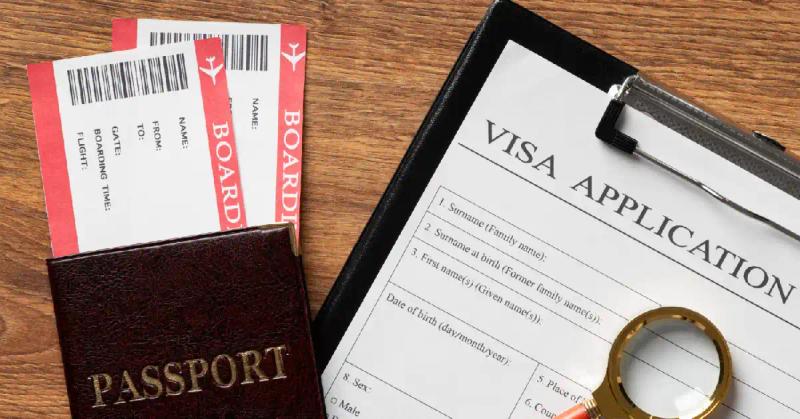
Visa requirements depend on your nationality, purpose of travel, and length of stay.
Some travelers can use Indonesia's Visa on Arrival (VoA) or electronic Visa on Arrival (e-VOA), while others may need a different visa arrangement.
Before your flight, check the latest requirements from Indonesian Immigration rather than relying on an old Bali travel guide. Also make sure your passport meets the required validity period.
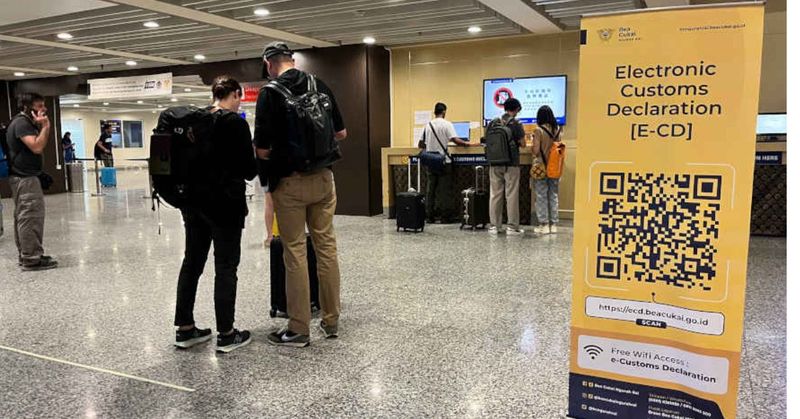
One of the most important things to know before going to Bali is that international passengers must complete the All Indonesia arrival declaration.
The system combines immigration, customs, health, and quarantine declarations into one digital process.
Travelers can complete it up to three days before arriving in Indonesia. International passengers arriving at I Gusti Ngurah Rai International Airport are included in this system.
Step 1: Open All Indonesia.Use the official All Indonesia platform.
Step 2: Enter your travel information.Prepare your passport, flight details, and required personal information.
Step 3: Submit the declaration.Complete the form within the permitted three-day window before arrival.
Step 4: Keep your confirmation.Save the resulting information or QR code so it is easy to access when you arrive.
International tourists visiting Bali are subject to a Foreign Tourist Levy of IDR 150,000 per person.
The levy is paid once during your trip and can be paid electronically through the official Love Bali system.
It is best to arrange this before your trip and keep the payment confirmation accessible.
Bali is a year-round destination, but the weather, crowds, and prices can vary.
The dry season is generally popular for beach trips and outdoor activities, while the rainy season can bring heavier showers and more humid conditions.
July, August, Christmas, and New Year can also be particularly busy.
Instead of asking only for the “best time to visit Bali,” consider what matters most to you: weather, crowds, prices, surfing, hiking, or cultural experiences.
Bali can look small on a map, but travel times can be surprisingly long.
Traffic congestion is particularly relevant around busy areas in South Bali.
For this reason, don't plan your itinerary based only on distance.
A hotel that looks close to an attraction may still require significant travel time during busy periods.
Where you stay can dramatically affect your trip.
Seminyak and Canggu are popular for restaurants, cafes, and nightlife.
Uluwatu is better suited to travelers looking for beaches, cliffs, and a more southern location.
Ubud offers a different atmosphere centered around culture, nature, and wellness.
If you want to explore multiple areas, factor traffic into your accommodation decision rather than choosing a hotel based solely on price.
A scooter can be one of the most convenient ways to explore Bali, but riding one is not automatically suitable for every traveler.
Bali's foreign tourist rules require visitors who drive to have a valid international or national driving license, follow traffic regulations, wear helmets, and use appropriate transportation services.
UK government travel advice also warns about road conditions and the increase in serious scooter and motorcycle accidents in Bali.
Travelers should have the appropriate license and confirm that their travel insurance covers scooter use.
A few apps can make traveling around Bali much easier.
Consider having Google Maps for navigation, Google Translate for communication, WhatsApp for contacting hotels and businesses.
Downloading them before you leave can save time if you have limited internet access immediately after landing.
Reliable mobile data is useful for navigation, ride-hailing, translation, restaurant searches, and communicating with your accommodation.
An eSIM can be convenient if your phone supports it because you can arrange connectivity before landing.
Alternatively, you can purchase a local SIM after arriving in Bali.
Cards are widely accepted at hotels, restaurants, shops, and other established businesses, but cash is still useful for smaller local businesses and everyday purchases.
Bali's tourist guidelines also recommend transactions in Indonesian Rupiah and encourage the use of QRIS, Indonesia's standardized QR payment system.
Carry smaller denominations when possible, and use officially licensed money changers if you need to exchange foreign currency.
Bali is not simply a beach destination. Balinese Hinduism is deeply connected to everyday life, ceremonies, temples, and local traditions.
Visitors are expected to respect sacred places, religious symbols, ceremonies, local customs, and the people who live on the island.
Bali's current foreign tourist code of conduct specifically emphasizes respectful behavior and appropriate clothing.
Swimwear may be perfectly appropriate at a beach or hotel pool, but it is not appropriate everywhere.
When visiting temples or other sacred areas, wear modest clothing and follow any local dress requirements. Some temples may provide or require a sarong.
Don't climb sacred structures, pose disrespectfully, or treat religious ceremonies as ordinary photo opportunities.
Nyepi, the Balinese Day of Silence, is unlike an ordinary public holiday.
During Nyepi, Bali observes a period of silence and restricted activity. This can significantly affect transportation, businesses, and your ability to move around the island.
If your trip coincides with Nyepi, plan to remain at your accommodation and confirm the arrangements with your hotel or villa beforehand.
You don't need to avoid local food to enjoy Bali. However, sensible food hygiene can help reduce the risk of stomach problems often referred to as Bali Belly.
Choose food establishments with good hygiene practices, wash your hands regularly, and stay hydrated.
If you're unsure about drinking water, use bottled or properly filtered drinking water.
Bali's tropical climate means strong sun, humidity, and sudden rain can all be part of the same trip.
Pack sunscreen, lightweight clothing, a reusable water bottle, and a compact rain jacket or poncho.
Mosquito repellent can also be useful, particularly during the rainy season and in areas surrounded by greenery.
As with many popular tourist destinations, visitors should be cautious with scams for money changers, transportation prices, tours, and rental services.
Use licensed money changers, confirm prices before paying, and check what is included in a service.
Bali's tourism authority specifically advises foreign tourists to exchange currency through officially licensed money changers.
Bali has specific rules for foreign tourists covering behavior, transportation, accommodation, currency exchange, and environmental responsibility.
The Bali Government Tourism Office's 2025 code of conduct requires visitors to respect sacred places, dress appropriately, follow traffic laws, avoid illegal activities, and stay in legally operated accommodation.
Understanding these rules before your trip helps you avoid unnecessary problems.
If you are staying in Seminyak or planning to explore Bali by scooter, arranging your transportation before arrival can make your first day much easier.
For travelers who choose a scooter, look for a provider with well-maintained scooters, transparent rental terms, appropriate licensing requirements, and clear insurance information.
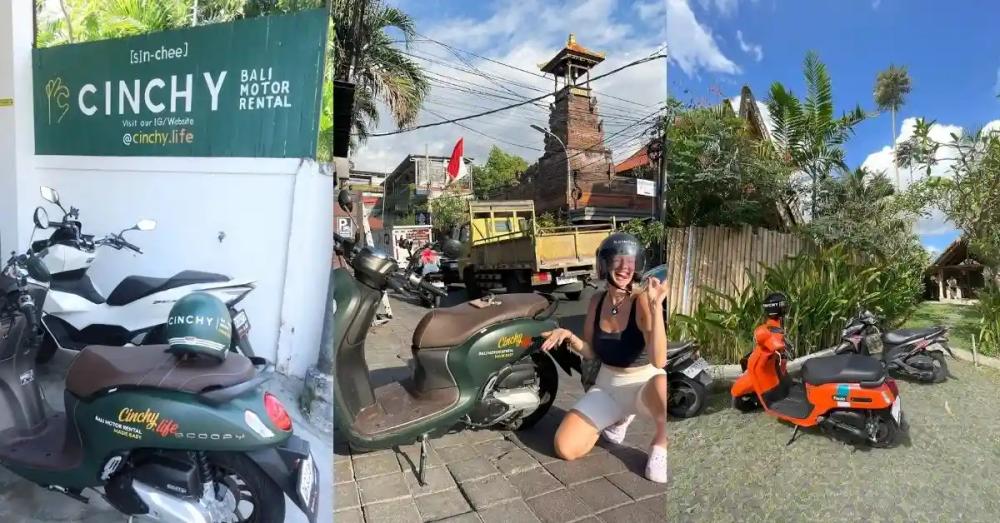
If a scooter fits your travel plans, Cinchy offers two scooter categories designed for different travel preferences.
Compact includes models such as Honda Scoopy, Yamaha Fazzio, and Honda Vario, starting from IDR 95K/day, while Comfort includes Yamaha NMAX and Honda PCX, starting from IDR 155K/day. Weekly and monthly packages are also available.
Cinchy focuses on making scooter rental straightforward, with regularly maintained scooters, 24/7 customer support, and convenient delivery and pickup.
Free delivery and pickup are available in Seminyak and at I Gusti Ngurah Rai Airport, which can be especially convenient if you want your scooter ready soon after landing.
Cinchy also offers optional Basic and Full Coverage plans, with different terms and exclusions, so review the policy before selecting your coverage.
Booking ahead can make your arrival smoother, particularly during busy travel periods.
Cinchy's rental process lets you select your dates, check availability, choose a Compact or Comfort scooter, select pickup or delivery, add optional facilities, choose insurance, and complete payment online.
For your rental, prepare a valid ID such as a passport or KTP, a valid international or national driving license, round-trip flight tickets, and hotel booking information covering your rental period.
Rentals include essentials such as a helmet, hair net, phone holder, and raincoat.
If you book early, use the code EARLY5 to receive 5% off.
Make your Bali arrival easier by arranging your scooter before your trip.
With convenient pickup and delivery in Seminyak and at Bali Airport, well-maintained Compact and Comfort scooters, flexible rental periods, and 24/7 support, Cinchy helps you spend less time arranging transportation and more time enjoying Bali.
👉 Rent a scooter in Cinchy now, book early and save 5% with code EARLY5!
If you're still uncertain about your next steps, don't worry, as we're here to address all your queries and concerns.
Check your visa requirements, complete the All Indonesia arrival declaration, pay the Bali tourist levy, prepare internet and payment options, and understand local customs and transportation rules.
If you plan to drive a scooter, you need an appropriate valid driving license. Check the requirements for your nationality and make sure your travel insurance covers scooter use.
The Foreign Tourist Levy is IDR 150,000 per international tourist, paid once during the trip.
Drinking water should come from a safe, properly treated source. If you're uncertain about the water at your accommodation, choose bottled or filtered drinking water.
Avoid disrespectful behavior at sacred places, littering, illegal activities, driving without the appropriate license, and violating local regulations.
 travel tips
 hidden gems
 scooter guides
 riding tips
 bali guides
 cultural insight