
1


Stay in Touch
Get the latest updates, special offers, and exclusive Cinchy perks straight to your inbox.


Jl. Plawa No.50, Seminyak, Kec. Kuta, Kabupaten Badung, Bali 80361

CALL US 24/7
(+62-851-7424-6249)
Copied!

We’re Here
Everyday
8:30 AM-9 PM WITA




Payment Partners


© 2026 CINCHY. ALL RIGHTS RESERVED.
Cinchy Blog / Pura Blanjong in Sanur: History, Highlights, Entrance Fee
Published: 11 Feb 2026

By Syahrial Maulana Sudarto
Travel Enthusiast
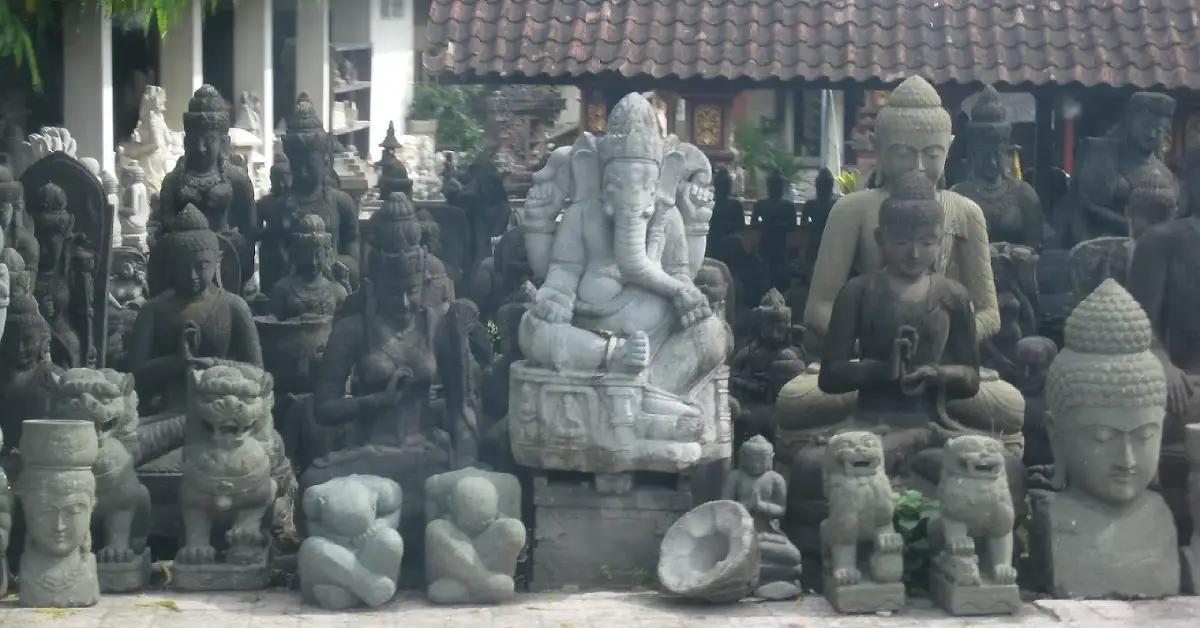
Bali is widely celebrated for its beaches, surf breaks, and vibrant nightlife, but beyond the coastal charm lies a deep historical layer that many travelers often overlook.
One of the most fascinating windows into Bali’s ancient past can be found in Pura Blanjong, a modest yet historically priceless temple located in southern Sanur.
For travelers who enjoy cultural exploration and meaningful sightseeing, Pura Blanjong offers far more than just a quick photo stop. It is a place where history, spirituality, and local tradition intersect, quietly but profoundly.

Located in the southern part of Sanur, Pura Blanjong (formally known as Pura Dalem Blanjong) is a small but historically vital Hindu temple.
While Bali is famous for its grand "Mother Temples" like Besakih, this site is revered for a very different reason: the Blanjong Inscription (Prasasti Blanjong).
Found in 1932, this stone pillar dates back to 914 CE. It is the oldest known written artifact in Bali that mentions a specific Balinese king, Sri Kesari Warmadewa.
For history buffs, this is a big deal. It effectively marks the beginning of recorded history for the island.
Beyond its archaeological value, the site serves as a spiritual hub. It represents an early fusion of Shiva-Buddhist teachings, showing how diverse and sophisticated Balinese spirituality has been for over a millennium.
One of the best things about visiting Pura Blanjong is that it remains very accessible to the public.
Currently, there is no mandatory entrance fee.
However, like most local temples in Bali, a small donation is appreciated for the maintenance and upkeep of the grounds.
You will usually see a donation box or a guest book near the entrance. A small contribution of IDR 10,000 to 20,000 is considered respectful.
Also, remember that as this is a holy site, you should wear a sarong and a sash. If you don't have one, there are often some available to borrow at the entrance.
To make sure you have a proper appearance and attitude when visiting this temple, please read our article here: Bali Temple Etiquette: A Guide for Visitors.
You can find Pura Blanjong in the southern Sanur area at the following address:
Jl. Danau Poso Pura Blanjong No. 80227, Sanur Kauh, Denpasar Selatan, Bali.
The temple is generally open to visitors daily from 6:00 AM to 6:00 PM.
If there is a major ceremony happening, access to certain inner courtyards might be restricted, but the main inscription area is usually visible.
Getting to Sanur is relatively easy, but the traffic in Bali can be unpredictable. Here is a quick breakdown of travel times:
| From Area | Approx. Distance | Estimated Drive Time | Primary Route |
| Ngurah Rai Airport | 13 – 16 km | 20 – 30 mins | via Bali Mandara Toll Road |
| Kuta | 13 – 16 km | 30 – 40 mins | via Jl. Bypass Ngurah Rai |
| Seminyak | 15 km | 35 – 45 mins | via Jl. Sunset Road |
| Ubud | 21 – 24 km | 45 – 60 mins | via Jl. Raya Singapadu |
| Denpasar | 6 – 8 km | 15 – 20 mins | via local city roads |
Tips: Once you arrive on Jalan Danau Poso, don't just look at the main temple gate. The famous Blanjong Inscription is actually situated in a small alleyway about 10–15 meters to the left of the main temple structure, protected inside a glass-enclosed pavilion.
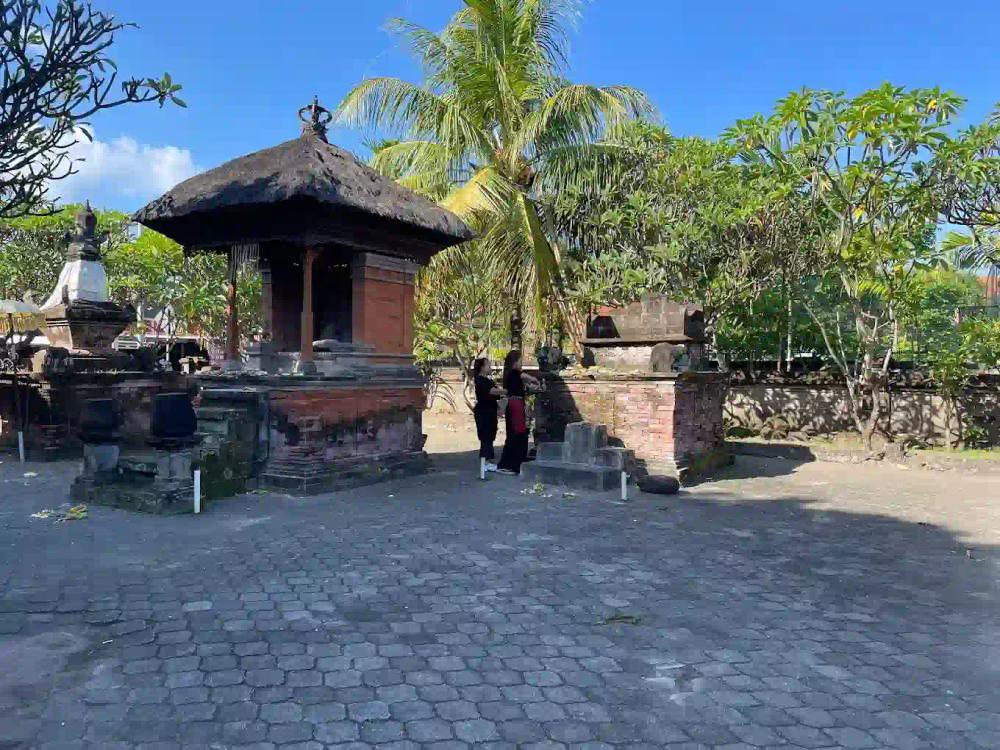
credit: Google Maps - Pura Blanjong | Shot by noriyuki aqqwd (s)
The history of Pura Blanjong is inseparable from the Prasasti Blanjong itself.
The cylindrical stone pillar, known as a Jaya Stamba or victory monument, was erected on February 4, 914 CE (Saka 835).
It commemorates the military victories of Sri Kesari Warmadewa over enemies in regions identified as Gurun and Swal, areas believed to correspond to Nusa Penida and Ketewel.
This inscription is historically groundbreaking, as it is the first written record to refer to Bali as “Walidwipa.”
The inscription’s complex cross-script system demonstrates Bali’s early international connections.
It also reflects a rare Shiva-Buddhist fusion, as Sri Kesari Warmadewa is believed to have been a Buddhist ruler governing a predominantly Hindu society.
The name Blanjong is thought to derive from belahan (broken pieces) and ngenjung (fishing boat).
Local folklore tells of a shipwreck along the Sanur coast, with the temple built where fragments washed ashore, adding a layer of myth to the site’s history.
Excavations in 1932 revealed several ancient relics, including an Arca Ganesha, Lingga-Yoni, and animal statues representing sacred figures in Hindu belief.
Read Also:
10 Famous Temples in Bali: Best Spiritual Tourism
8 Temples in Sanur You Need to Explore
5 Beautiful Water Temples in Bali
4 Temples in Seminyak Bali for Cultural Visit
Pura Petitenget: History, Attractions, & Price
Pura Luhur Uluwatu: Ticket Price, Attractions, Best Time to Visit
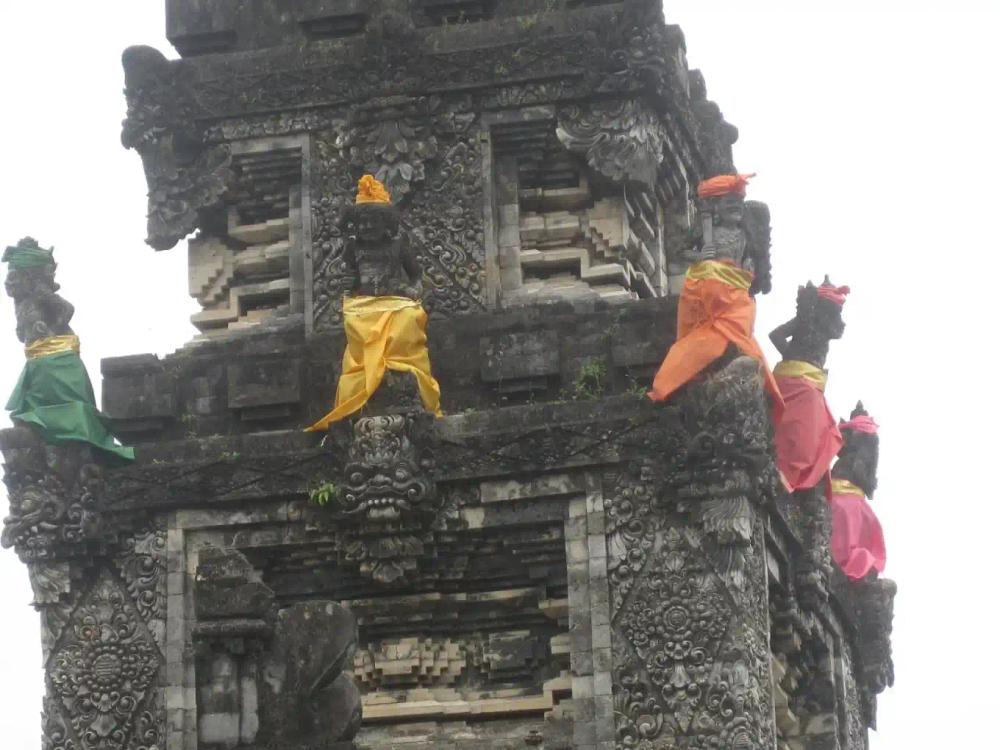
credit: Google Maps - Pura Blanjong | Shot by Paulo Gustavo
When you walk into the grounds of Pura Blanjong, keep an eye out for these highlights:
Standing about 1.77 meters tall, this pillar is displayed in a glass-enclosed pavilion. It remains the undisputed highlight of Pura Blanjong and a cornerstone of Balinese history.
Visitors can observe the stone Arca Ganesha, Nandini statues, and preserved lingga that offer insight into early religious practices.
Though many structures are more recent, the temple showcases classic Sanur-style design, complete with intricate stone carvings and a brick-and-stone candi rising approximately 4.35 meters.
Unlike crowded tourist temples, Pura Blanjong offers a calm, reflective atmosphere. Visitors often witness locals performing daily rituals, adding authenticity to the experience.
The best time to visit Pura Blanjong is early in the morning, when the temple is quiet and the air is cool, or late afternoon, when temperatures drop and natural light enhances the historic details of the site.
To make the most of your trip to Sanur, you’ll want the freedom to move around. Sanur's streets are charming but can be narrow, making a scooter the most efficient way to get around.
If you’re looking for a reliable scooter rental in Bali, Cinchy is highly recommended.
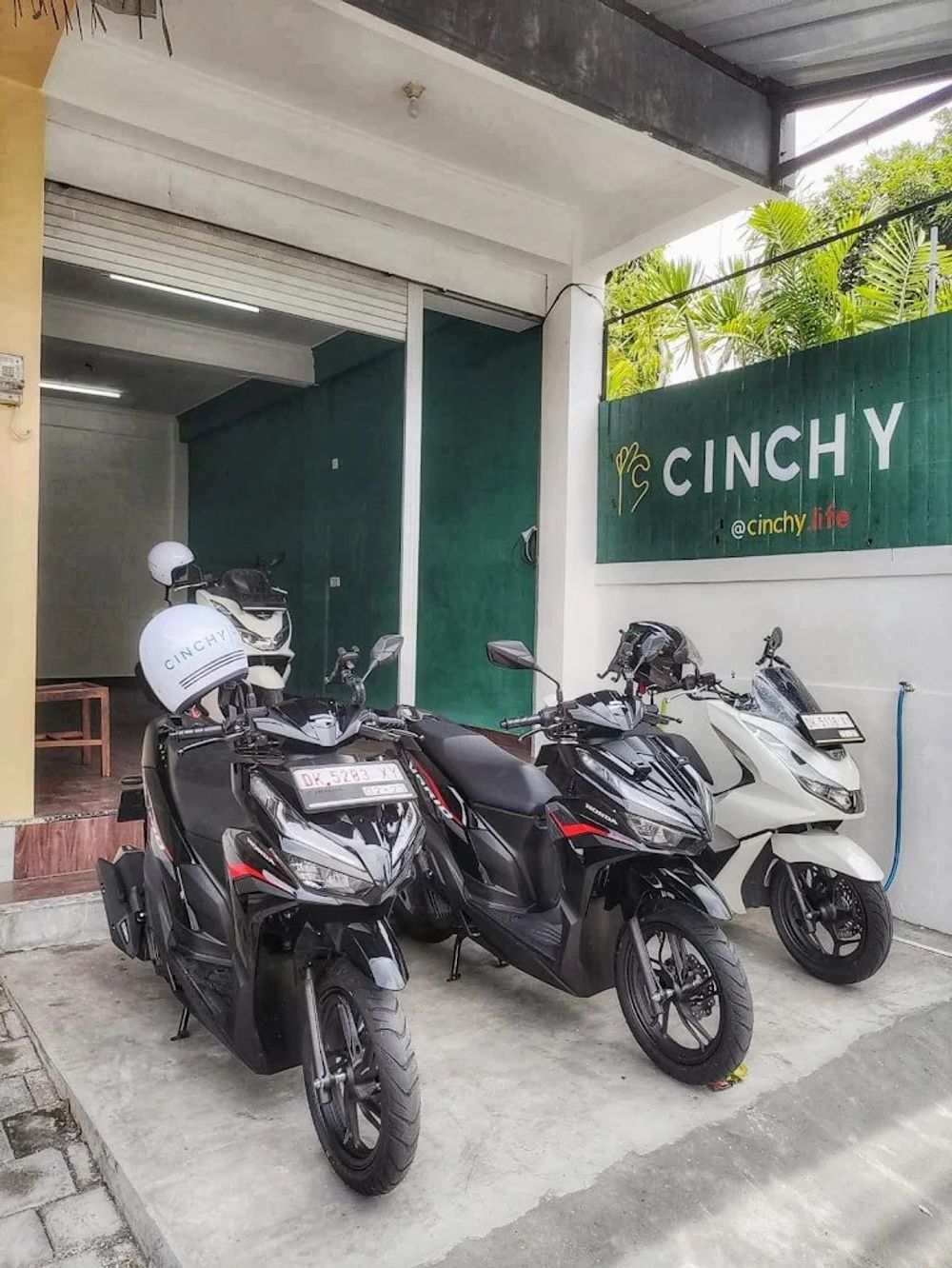
Whether you're heading to Pura Blanjong or exploring the hidden cafes of Sanur, Cinchy makes the process incredibly smooth.
One of the best perks is their free delivery and pickup service in the airport. No need to haggle or worry about how to get your scooter, they bring it right to you.
| Scooter Type | Daily Rate | Weekly Rate | Monthly Rate |
| Compact (Scoopy, Fazzio, Vario) | IDR 95K | IDR 80K/day | IDR 50K/day |
| Comfort (NMAX, PCX) | IDR 155K | IDR 125K/day | IDR 80K/day |
When you rent from Cinchy, you don't just get a scooter. You get a complete safety kit:
Visiting Pura Blanjong is a journey back in time, and having a reliable scooter from Cinchy ensures that your journey is as comfortable as it is enlightening.
Make sure your Sanur and Bali exploration is easy by renting a scooter from Cinchy now!
 travel tips
 hidden gems
 scooter guides
 riding tips
 bali guides
 cultural insight