1


Stay in Touch
Get the latest updates, special offers, and exclusive Cinchy perks straight to your inbox.


Jl. Plawa No.50, Seminyak, Kec. Kuta, Kabupaten Badung, Bali 80361

CALL US 24/7
(+62-851-7424-6249)
Copied!

We’ll be Back
at
8:30 AM-9 PM WITA


Payment Partners


© 2026 CINCHY. ALL RIGHTS RESERVED.
Cinchy Blog / Passenger Grab Handle Motorcycle: Function & Best Tips to Use It
Published: 13 Nov 2026

By Syahrial Maulana Sudarto
Travel Enthusiast
Quick Answer
“What is a passenger grab handle on a motorcycle?”
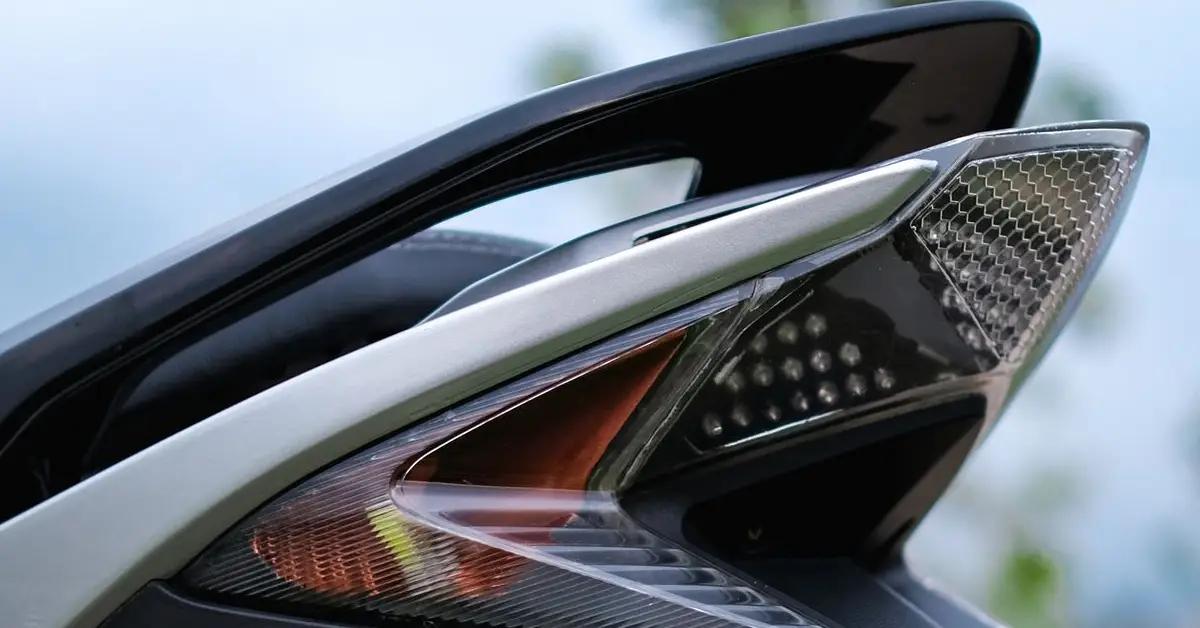
A passenger grab handle is a handhold attached to the rear or sides of a motorcycle, giving passengers a dedicated place to grip while riding. Also called a grab rail or passenger grab bar, it helps passengers maintain their position and comfort during acceleration, braking, and everyday journeys.
Key Takeaways:
A passenger grab handle is a component designed to give the person sitting behind the rider a place to hold onto during a journey. It is generally attached to the rear frame, near the passenger seat, or along the sides of the scooter.
Depending on the model, this component may appear as a metal rail, separate handles, or a strap positioned across the seat. These designs serve a similar purpose: providing a convenient handhold for the passenger.
Most passenger grab handles are positioned around the rear seat. Some scooters have a single grab rail behind the passenger, while others feature separate handles on both sides.
The location and design depend on the manufacturer's specifications. You can usually identify the component near the rear bodywork, passenger seat, or tail section.
The grab handle provides a fixed point for passengers to hold while the scooter moves. By gripping it, passengers can maintain a more comfortable position without constantly holding the rider's body.
However, it is not designed to replace the passenger footrests or support the entire body weight. Passengers should use it as an additional handhold while maintaining a balanced sitting position.
A motorcycle passenger grab handle has several practical functions, particularly for people who regularly travel as passengers.
Its primary function is to provide passengers with a dedicated gripping point. This can be especially helpful when riding without holding the rider's waist or shoulders.
A properly designed and securely installed handle gives passengers another way to maintain their position throughout the journey.
Acceleration, deceleration, and road vibrations can affect how passengers sit on a scooter.
Holding the grab handle can help passengers maintain their position and avoid unnecessary movements. However, they should still follow the rider's movements rather than pulling against the scooter.
Not every passenger feels comfortable wrapping their arms around the rider. A rear grab rail or side grab handle provides an alternative hand position.
This can make longer journeys more comfortable, particularly when the handle is positioned within easy reach.
When a scooter accelerates or slows down, passengers may experience changes in momentum.
Having a handhold helps them maintain a steady grip while adjusting their body position. Nevertheless, the rider must still accelerate and brake smoothly to avoid sudden movements.
Passenger grab handles come in several designs depending on the scooter's structure and intended use.
A rear grab rail is a bar-shaped handle positioned behind the passenger seat. It is commonly found on scooters with a continuous rear handle design.
Its position provides a convenient gripping point for passengers who prefer holding something behind them.
Side grab handles are positioned on the left and right sides of the passenger seat.
Some designs are integrated into the rear bodywork, while others use separate metal components. Their position can make them easier to reach without extending the arms too far backward.
A seat grab strap is a flexible strap installed across the passenger seat.
Unlike metal grab rails, it allows passengers to hold a softer and more compact handhold. However, passengers should check that the strap is properly attached and in good condition before using it.
Some modern scooters incorporate passenger grab handles directly into their rear bodywork or seat design.
These integrated handles create a cleaner appearance while providing a dedicated gripping area. Their shape and accessibility vary between models.
Using a passenger grab handle correctly can improve comfort and help passengers maintain their position. Follow these practical tips before and during your journey.
Before getting on the scooter, inspect the grab handle to make sure it is firmly attached.
Look for loose mounting bolts, visible cracks, rust, or damaged components. If the handle feels unstable, inform the rider and avoid relying on it until it has been inspected.
Once seated, place your hands on the designated passenger handhold.
Maintain a comfortable grip rather than squeezing it excessively. Your hands should remain relaxed enough to adjust naturally as the scooter moves.
Passenger footrests serve a different purpose from grab handles. They provide support for your feet and help you maintain a balanced sitting position.
Keep both feet on the designated footrests throughout the journey. Avoid letting them hang near the road or placing them on parts that are not designed for foot support.
Sit comfortably in the passenger seat and keep your body aligned with the scooter.
Avoid leaning too far backward or shifting your weight unnecessarily. When the scooter turns, follow its natural movement instead of leaning in the opposite direction.
Communication between the rider and passenger is essential.
Follow the rider's movements during acceleration, braking, and cornering. Avoid sudden movements, particularly when the scooter is changing direction or slowing down.
Read Also:
How to Lock Handlebars on Honda Smart Key Scooters
How to Lock Yamaha Scooter Steering for Keyless Mode
How to Lock a Scooter Handle with Key for Bali's Traveler
Motorcycle Handlebar Not Straight? Causes & How to Fix It
Yes, using a passenger grab handle can be appropriate when it is designed for passenger use, securely installed, and permitted by the manufacturer's instructions.
However, it is not the only way passengers can hold on. The best option depends on the scooter's design, passenger comfort, and riding conditions.
Passengers generally have two common hand positions when riding together.
Neither option is universally safer. Passengers should choose an appropriate position based on comfort, the scooter's design, and communication with the rider.
Even when using a grab handle, passengers should avoid habits that can affect their balance.
Common mistakes include:
Following basic passenger safety practices helps make the journey more comfortable and predictable.
Like other scooter components, passenger grab handles need occasional inspection to ensure they remain in good condition.
Check the bolts and mounting points for looseness or missing hardware. Follow the manufacturer's torque specifications when tightening them.
Look for corrosion, cracks, deformation, or signs of excessive wear. Damaged components should be inspected and replaced when necessary.
Dirt and moisture can accumulate around the handle, particularly near its mounting points.
Clean it regularly using suitable cleaning products to help maintain its appearance and prevent corrosion.
If the handle is cracked, badly corroded, or no longer securely attached, have it inspected by a qualified technician.
Avoid installing replacement components without checking their compatibility with your scooter.
If you want to replace or upgrade an existing passenger grab handle, consider these factors before purchasing one.
Choose a handle specifically designed for your scooter model. Check the mounting points and product specifications before buying.
Consider the material, durability, corrosion resistance, and overall construction. A well-made handle should be suitable for regular use and the conditions in which you ride.
The handle should be easy for passengers to reach without forcing them into an uncomfortable sitting position.
Check whether the accessory requires additional brackets or specific mounting hardware. Follow the manufacturer's installation instructions and avoid modifying structural components without professional guidance.
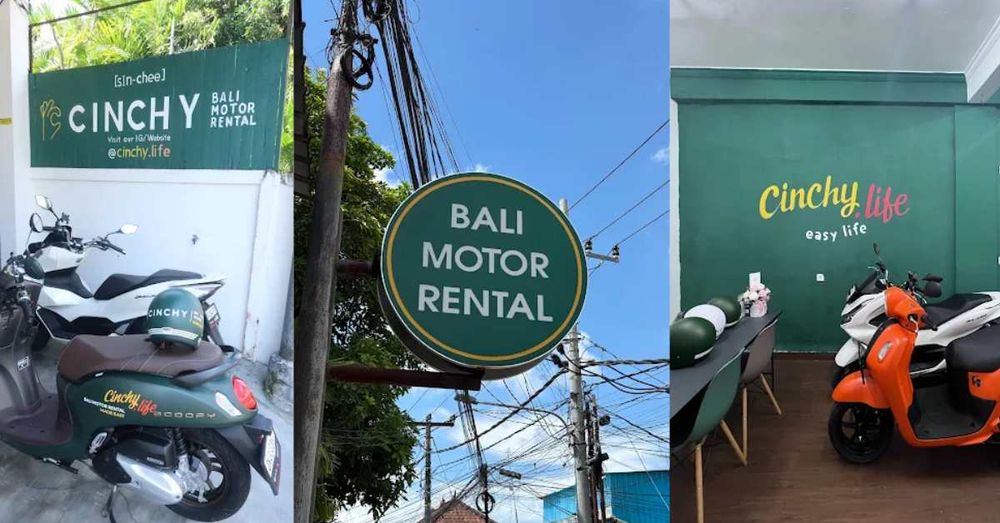
Planning to explore Bali on a scooter?
Cinchy makes renting convenient with well-maintained scooters, straightforward booking, and customer support available 24/7.
You can choose a rental period that suits your itinerary and arrange delivery to your preferred location.
Whether you need a scooter for a short getaway or an extended stay, Cinchy offers practical options to help you explore Bali at your own pace.
Choose your scooter category with Cinchy:
Cinchy also offers delivery and pickup services, including free service to I Gusti Ngurah Rai Airport, Seminyak, Kuta, and Legian.
Delivery to Canggu starts at IDR 20,000, Sanur at IDR 40,000, and Nusa Dua at IDR 65,000.
👉 Rent a scooter in Cinchy now, book early and save 5% with code EARLY5!
If you're still uncertain about your next steps, don't worry, as we're here to address all your queries and concerns.
No. Their availability depends on the motorcycle model and passenger-carrying design. Some scooters have rear grab rails, while others use side handles or seat straps.
Yes, if the handle is designed for passenger use and properly secured. Passengers should maintain a comfortable grip while keeping their feet on the designated footrests.
Both terms describe passenger handholds, but their designs can differ. A grab rail generally has a rail-like shape, while a grab bar refers to a bar-shaped gripping component.
Some models are designed without a separate passenger grab handle. However, always check the manufacturer's passenger-carrying specifications and ensure the scooter provides appropriate passenger handholds and footrests.
Yes. A damaged or worn grab handle can generally be replaced with a compatible component. Make sure the replacement matches your scooter model and is installed according to the manufacturer's instructions.
 travel tips
 hidden gems
 scooter guides
 riding tips
 bali guides
 cultural insight