1


Stay in Touch
Get the latest updates, special offers, and exclusive Cinchy perks straight to your inbox.


Jl. Plawa No.50, Seminyak, Kec. Kuta, Kabupaten Badung, Bali 80361

CALL US 24/7
(+62-851-7424-6249)
Copied!

We’ll be Back
at
8:30 AM-9 PM WITA


Payment Partners


© 2026 CINCHY. ALL RIGHTS RESERVED.
Cinchy Blog / Motorcycle Handlebar Not Straight? Causes & How to Fix It
Published: 12 Nov 2026

By Syahrial Maulana Sudarto
Travel Enthusiast
Quick Answer
“Why is your motorcycle handlebar not straight?”
A motorcycle handlebar may become misaligned due to bent handlebars, loose handlebar mounts, twisted front forks, damaged triple clamps, or impact after a fall. The correct solution depends on the affected component. Inspect the steering system carefully before attempting any adjustments to avoid further damage or unsafe handling.
Key Takeaways:
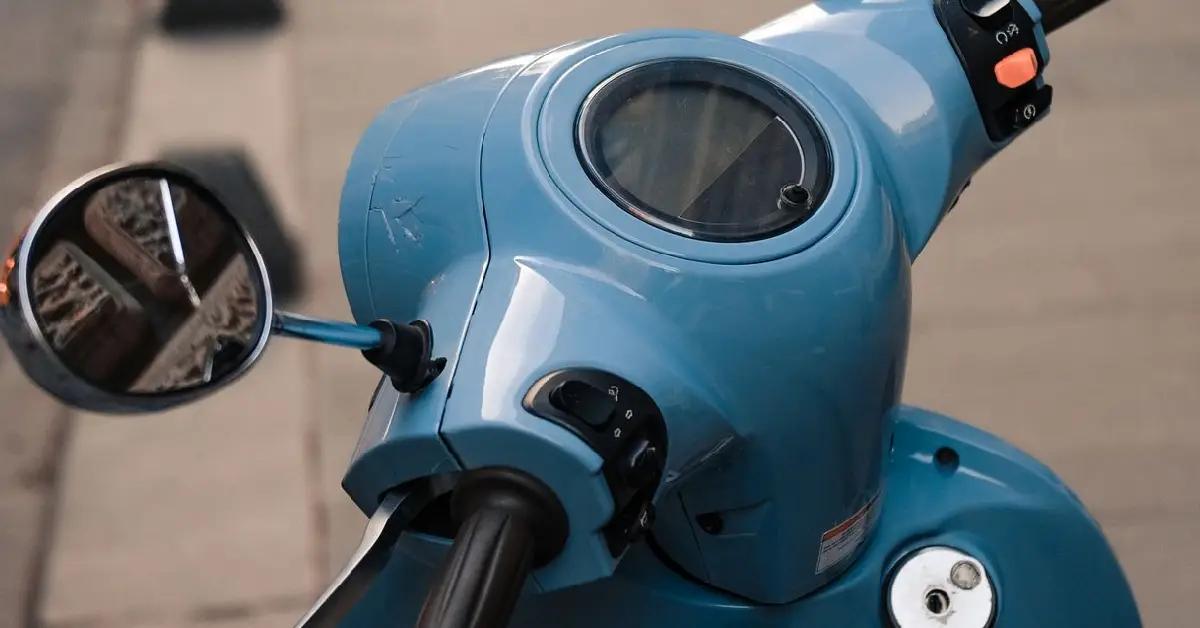
A motorcycle handlebar that does not align with the front wheel usually indicates a problem with the steering or front-end assembly.
You might notice that the handlebar points slightly to one side even when the front wheel appears straight.
This condition can happen after dropping your motorcycle, hitting a pothole, experiencing a collision, or incorrectly installing front-end components during maintenance.
Before attempting a repair, determine whether the handlebar itself is bent or whether another component is causing the misalignment. These problems may look similar but require different solutions.
Several components can cause motorcycle handlebar misalignment. Here are the most common possibilities to check.
A physically bent handlebar is one possible reason your motorcycle handlebar is not straight.
This commonly happens after a fall or collision when the handlebar takes direct impact against the ground or another object.
Look for uneven handlebar ends, unusual bends, cracks, or differences in the position of both grips. If the handlebar has visible deformation, replacing it is generally safer than attempting to straighten it.
Handlebar clamps and risers hold the handlebar in its intended position.
If their mounting bolts become loose or the components shift following an impact, the handlebar may appear crooked even when the front wheel remains straight.
Inspect the mounting area for loose fasteners, uneven positioning, or visible damage. Damaged clamps and risers should be replaced rather than forced back into position.
Twisted front forks can make the handlebar and front wheel appear misaligned.
This condition may occur when a motorcycle falls or experiences an impact that causes the fork tubes to rotate or shift within the triple clamps.
However, twisted forks are not necessarily physically bent. If the components remain structurally sound, a qualified mechanic may be able to restore their alignment using the manufacturer's recommended procedure.
The triple tree, also called the triple clamp or fork yoke, connects the front forks to the steering assembly.
If the upper or lower triple clamp shifts or becomes damaged after an impact, the fork positioning may change. This can affect handlebar alignment and overall steering stability.
A cracked or physically deformed triple clamp requires professional inspection and replacement when necessary.
Unlike twisted forks, bent fork tubes have physical deformation. This may happen after a severe collision, a hard impact, or a significant fall.
You might notice uneven fork positioning, unusual suspension behavior, or difficulty keeping the front wheel aligned.
A bent fork tube should not simply be straightened at home. It may have lost structural integrity, so replacement and further inspection are necessary.
If the front wheel has recently been removed for tire replacement or maintenance, incorrect installation could contribute to front-end alignment problems.
Incorrectly positioned spacers, axle installation, or fork positioning may affect the assembly.
The axle and pinch bolts must be installed and tightened according to the motorcycle's service manual. Incorrect tightening sequences can create additional mechanical problems.
Steering head bearings allow the steering assembly to rotate smoothly. If these bearings become worn, damaged, or incorrectly adjusted, the steering may feel stiff, loose, or uneven.
A damaged steering stem can also affect handlebar alignment and steering control.
These components require proper inspection because the symptoms may overlap with other front-end problems.
Recognizing the symptoms can help you identify the problem before it affects your riding experience.
This is one of the clearest signs of handlebar misalignment. The front wheel points forward, but the handlebar appears tilted toward the left or right.
Possible causes include bent handlebars, shifted handlebar mounts, or misaligned front forks.
If your motorcycle consistently pulls toward one side while moving, there may be an alignment or handling problem.
However, crooked handlebars are not the only possible cause. Uneven tire pressure, tire damage, wheel problems, suspension issues, and frame damage can also affect directional stability.
One handlebar grip may appear higher, lower, or farther forward than the other. This can indicate a bent handlebar or uneven mounting position.
Compare both sides carefully, but remember that some handlebar designs naturally have different bends and shapes.
Misaligned or damaged steering components may cause unusual resistance when turning. You might also experience loose steering, unusual vibrations, or knocking sounds around the front end.
These symptoms should not be ignored because they can affect your ability to control the motorcycle.
Before deciding on a repair, inspect the relevant components to narrow down the possible cause.
Park the motorcycle on stable, level ground and switch off the engine. Look at both handlebar ends and check for visible bends, cracks, or uneven positioning.
Next, inspect the handlebar clamps and risers for signs of shifting or damage. Do not ride the motorcycle if any mounting component appears loose or compromised.
Examine both fork tubes from the front and side. Look for visible bends, uneven positioning, scratches, or signs of oil leakage.
A visual inspection cannot confirm whether a fork tube is perfectly straight. Measuring and checking fork alignment may require specialized tools and professional expertise.
Look for cracks, deformation, or signs of impact around the upper and lower triple clamps.
Also pay attention to unusual steering resistance or excessive movement around the steering head. These symptoms may indicate bearing or steering stem problems.
If the problem started after front wheel maintenance, have the axle installation, spacers, and fork positioning checked.
The correct installation procedure varies between motorcycle models, so always follow the manufacturer's service manual.
A mechanic can inspect whether the steering head bearings rotate smoothly and whether excessive play or resistance is present.
Do not attempt to diagnose bearing problems through an unsafe riding test. Proper inspection should be performed with suitable workshop equipment.
Read Also:
How to Lock Handlebars on Honda Smart Key Scooters
How to Lock a Scooter Handle with Key for Bali's Traveler
Parking Etiquette for Scooter in Bali That Tourists Should Know
How to Use a Motorcycle Side Stand and Center Stand
Motorcycle Services in Bali: Types, Costs & Duration Guide
The correct repair depends on which component is responsible for the misalignment. Here are the appropriate approaches for different conditions.
If the handlebar mounts have shifted but remain undamaged, a mechanic may reposition them according to the manufacturer's specifications.
The mounting bolts must be tightened using the correct torque values. Avoid guessing the torque or tightening bolts excessively because this can damage the mounting components.
If the front forks have shifted within the triple clamps without structural damage, professional realignment may restore their correct position.
This process requires checking the fork tubes, triple clamps, axle, and front wheel assembly. Simply loosening random bolts and twisting the handlebar is not a reliable repair method.
A visibly bent handlebar should generally be replaced with a compatible component.
After replacement, the mechanic should check the handlebar mounting position, controls, cables, and steering movement to ensure everything operates correctly.
Bent fork tubes and damaged triple clamps require proper assessment. If structural deformation is confirmed, replacing the affected components is generally the appropriate solution.
Do not attempt to straighten damaged structural components yourself. Further damage could compromise steering control and riding safety.
If incorrect wheel installation is responsible, a qualified mechanic should reinstall the front wheel, spacers, axle, and related fasteners following the service manual.
The mechanic should also verify the fork positioning and check that the wheel rotates correctly without interference.
Worn steering head bearings, damaged steering stems, and other compromised steering components may require adjustment or replacement.
Once the repair is complete, the entire steering assembly should be inspected to confirm smooth movement and proper alignment.
Riding with crooked handlebars is not recommended until the cause has been identified. Even a small alignment problem can indicate damage to components that affect steering control.
If the handlebar is loose, the fork appears bent, the steering feels unstable, or the triple clamps show signs of damage, stop riding and arrange professional inspection.
Avoid testing the motorcycle by riding without holding the handlebars or attempting to compensate for the misalignment while moving.
Your safety depends on having a properly functioning steering system, so resolve the issue before returning to the road.
Some handlebar alignment problems may involve more than simple mounting adjustments. Professional inspection is particularly important if you notice:
A qualified mechanic can measure the relevant components, identify hidden damage, and determine whether adjustment or replacement is necessary.
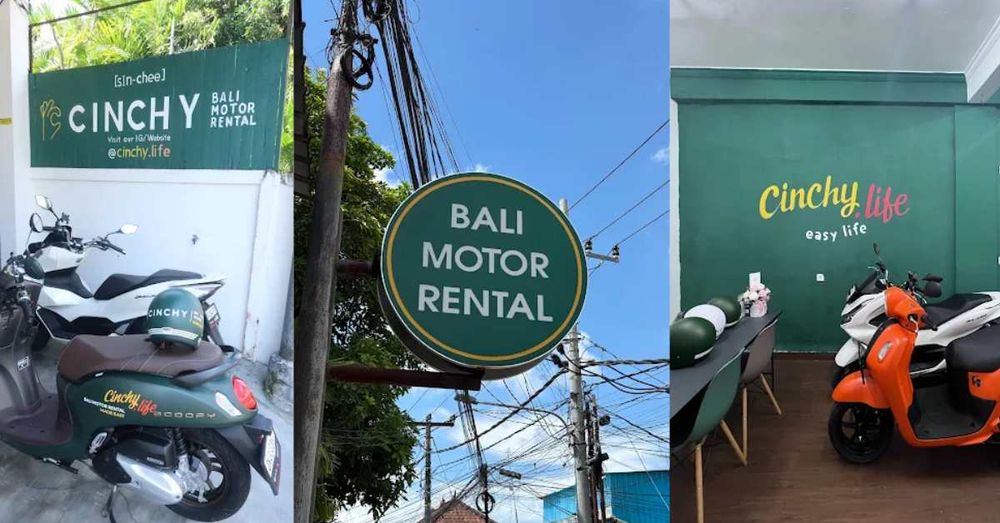
If you notice that the handlebar is not straight when receiving your rental scooter from Cinchy, inform the team immediately. Do not attempt to adjust or repair the scooter yourself.
Although this issue is uncommon because Cinchy scooters receive regular maintenance, the team is committed to providing comfortable and reliable scooters for exploring Bali.
If a unit has a problem, Cinchy can arrange a replacement scooter in good condition so you can continue your trip with greater peace of mind.
Planning to explore Bali?
Choose a well-maintained scooter from Cinchy, with Compact options starting at IDR 95K/day and Comfort options starting at IDR 155K/day.
Enjoy convenient delivery, 24/7 assistance, and flexible rental packages.
Book early for peak season and use EARLY5 to get 5% off your reservation.
👉 Rent a scooter in Cinchy now, book early and save 5% with code EARLY5!
If you're still uncertain about your next steps, don't worry, as we're here to address all your queries and concerns.
This may happen because the handlebar is bent, its mounting clamps have shifted, or the front fork assembly is misaligned. Inspect the handlebar and mounting components first, then have the front-end assembly checked by a mechanic if the problem persists.
Yes. When a motorcycle falls, the handlebar, risers, fork tubes, or triple clamps may experience an impact. Even if the damage is not immediately visible, the steering assembly should be inspected before riding again.
The correct method depends on the damaged component. Mispositioned mounts may be realigned, while physically bent handlebars generally require replacement. Fork and triple clamp problems should be assessed by a qualified mechanic.
Yes. Twisted forks can shift the front-end alignment and cause the handlebar and front wheel to point in different directions. However, twisted forks are different from physically bent fork tubes, which may require replacement.
It is not recommended until the cause has been identified. Misalignment may indicate damage to the steering or suspension system, potentially affecting handling and control. Have the motorcycle inspected before riding if any steering damage is suspected.
The cost depends on the affected components. A simple handlebar mounting adjustment may cost less than replacing bent handlebars, fork tubes, triple clamps, or steering head bearings. Ask a mechanic for an inspection and repair estimate before proceeding.
 travel tips
 hidden gems
 scooter guides
 riding tips
 bali guides
 cultural insight