1


Stay in Touch
Get the latest updates, special offers, and exclusive Cinchy perks straight to your inbox.


Jl. Plawa No.50, Seminyak, Kec. Kuta, Kabupaten Badung, Bali 80361

CALL US 24/7
(+62-851-7424-6249)
Copied!

We’re Here
Everyday
8:30 AM-9 PM WITA




Payment Partners


© 2026 CINCHY. ALL RIGHTS RESERVED.
Cinchy Blog / Odalan in Bali: Understanding the Meaning, Traditions, and Ceremonies
Published: 23 Nov 2026

By Syahrial Maulana Sudarto
Travel Enthusiast
Quick Answer
“What is Odalan in Bali?”
Odalan is a Balinese Hindu temple anniversary ceremony commemorating the sacred day associated with a temple's establishment or consecration. Celebrated through prayers, traditional offerings, and religious rituals, it reflects devotion to God and the importance of community traditions. Most Odalan ceremonies follow the 210-day Pawukon calendar.
Key Takeaways:
Odalan is one of the important religious traditions in Balinese Hinduism. It marks the anniversary of a temple or sacred shrine and provides an opportunity for the Hindu community to express devotion through prayers, offerings, and ceremonies.
Although it is often described as a Balinese temple anniversary, Odalan is more than a birthday celebration for a religious building. It is a sacred occasion connected to Dewa Yadnya, a form of religious offering dedicated to Ida Sang Hyang Widhi Wasa, the Supreme God in Balinese Hindu belief.
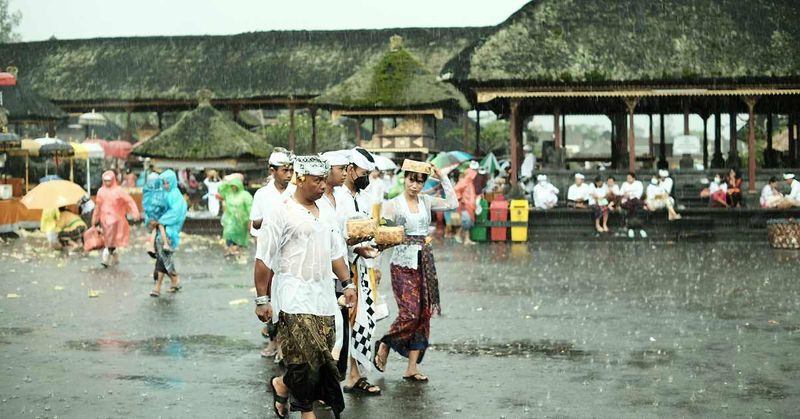
During this occasion, devotees gather at the temple to pray, present offerings, and participate in religious activities. The ceremony also brings together families and local communities to maintain their spiritual and cultural traditions.
Odalan, Piodalan, and Pujawali are terms associated with temple anniversary ceremonies and religious worship in Bali. Their usage can vary depending on local customs and regional traditions.
You may encounter these terms when visiting temples or speaking with local residents. Although their wording differs, they generally refer to sacred celebrations connected to a temple's anniversary and religious significance.
Odalan holds religious, cultural, and social significance for Balinese Hindu communities. It is an opportunity to strengthen their relationship with God while preserving traditions passed down through generations.
One of its main purposes is expressing gratitude and devotion through Dewa Yadnya. Devotees prepare offerings, perform prayers, and participate in ceremonies as expressions of respect toward the divine.
Odalan also strengthens community relationships. Preparing a ceremony requires cooperation between families, temple members, and local residents. Through these shared responsibilities, traditions remain an important part of everyday Balinese life.
For visitors, understanding this cultural context helps explain why Odalan is treated with considerable respect. It is a living religious tradition rather than simply a festival organized for entertainment.
Unlike holidays that follow the Gregorian calendar, Odalan dates are determined by traditional Balinese calendar systems. This means different temples can celebrate their anniversaries on different dates throughout the year.
Many Odalan ceremonies follow the Pawukon calendar, a traditional Balinese calendar consisting of a 210-day cycle.
The system contains 30 wuku, with each wuku lasting seven days. A temple's anniversary is determined by a particular combination of days within this cycle.
Once its anniversary date arrives again in the Pawukon cycle, the temple holds another Odalan ceremony.
For this reason, some temples celebrate their anniversaries approximately every seven months according to the Gregorian calendar. However, the exact interval should not be treated as six calendar months or a fixed annual date.
Not every temple follows the Pawukon calendar. Some determine their anniversary according to the Balinese Saka calendar, which is based on lunar cycles.
Certain ceremonies are associated with particular full moons, known as Purnama, or specific lunar months.
This explains why Odalan celebrations can occur throughout the year rather than following one island-wide schedule.
Why Does Each Temple Have a Different Odalan Date?
Each temple has its own anniversary date based on its religious tradition and calendar system. Therefore, two temples in the same village may celebrate Odalan on different days.
Travelers should check with local communities or temple representatives when looking for an upcoming ceremony.
Odalan takes place at different types of Hindu sacred places throughout Bali, not only at famous temples visited by tourists.
These include village temples, family temples, and other sacred shrines.
The scale of each celebration depends on the temple and the community responsible for maintaining it.
Some ceremonies take place at large public temples and may be visible to visitors. Others are more private, particularly those held at family temples. Tourists should never assume that every Odalan ceremony is open to the public.
An Odalan ceremony involves several preparations and religious activities.
While the exact sequence varies between temples, visitors may encounter a combination of community work, offerings, prayers, and traditional performances.
Before the ceremony begins, members of the local community prepare the temple and its surroundings.
They clean the temple compound, arrange religious equipment, and decorate sacred structures with traditional fabrics and ornaments.
Penjor, decorated bamboo poles with curved tops, may also appear around temple entrances or village streets during certain religious celebrations.
These decorations create a distinctive atmosphere and reflect the community's preparation for the sacred occasion.
Ngayah is a traditional form of voluntary community service associated with Balinese Hindu customs.
During Odalan preparations, community members contribute their time and effort to support the ceremony. Activities may include preparing offerings, decorating the temple, cleaning communal spaces, and arranging necessary equipment.
This tradition demonstrates the importance of cooperation and shared responsibility in Balinese culture.
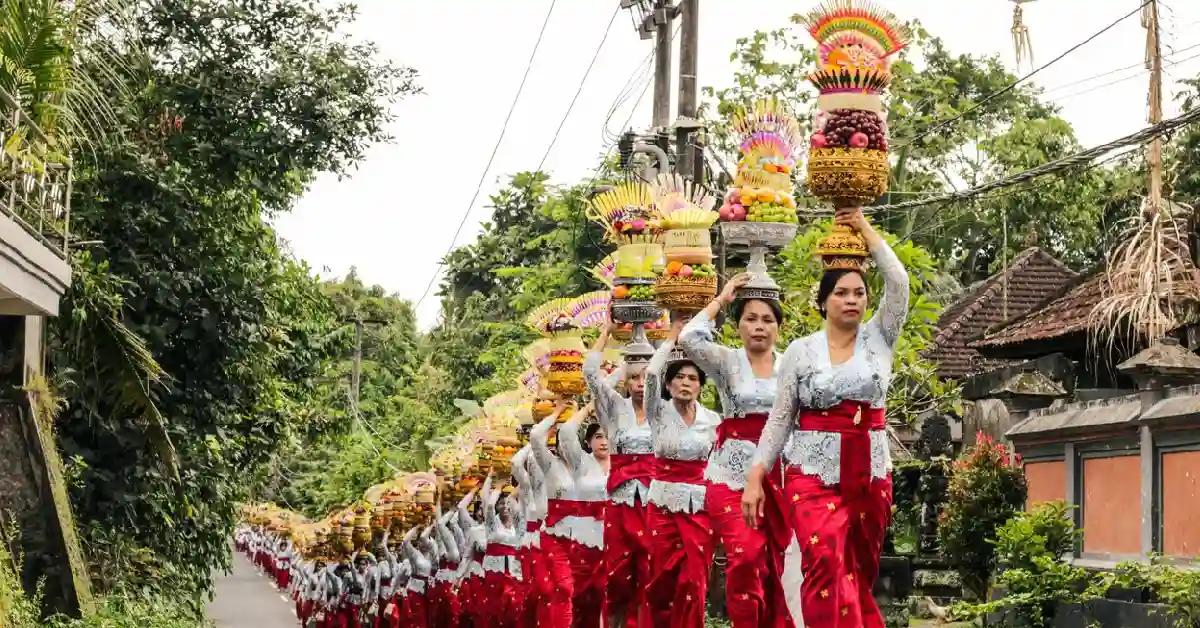
Offerings, commonly known as banten, are essential elements of many Balinese Hindu ceremonies.
They are carefully prepared using materials such as flowers, fruits, leaves, and traditional food. Their arrangements and contents depend on their specific religious purposes.
Some offerings visitors may recognize include:
These offerings should not be regarded merely as decorations. They represent devotion and have important meanings within Balinese Hindu practices.
Prayer is central to an Odalan ceremony. Devotees gather at the temple to worship, present offerings, and participate in various religious rituals.
Depending on the ceremony, a pemangku or sulinggih may lead particular parts of the proceedings.
Visitors may notice devotees holding flowers, burning incense, and receiving tirta, or holy water, as part of religious practices.
The atmosphere is generally respectful and focused on worship, making it important for visitors to remain quiet and avoid interrupting the proceedings.
Some Odalan ceremonies also feature traditional Balinese arts.
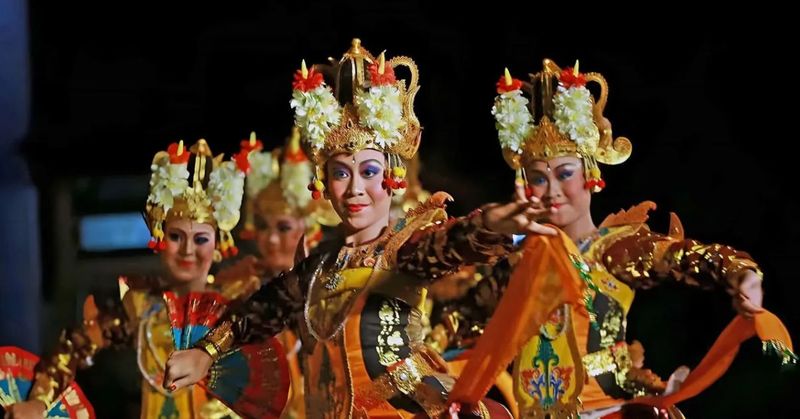
Gamelan music may accompany particular activities, while traditional dances and other performances can form part of the celebrations.
Depending on the temple and local traditions, visitors might also encounter religious chants or wayang kulit, a traditional shadow puppet performance.
However, these performances are not compulsory elements of every Odalan. Their presence depends on the scale and customs of the ceremony.
Nyineb is a term associated with the closing of certain religious ceremonies in Bali.
It can mark the conclusion of a temple celebration after the main religious activities have taken place.
The specific closing arrangements depend on the temple's traditions and the structure of its ceremony.
The duration of Odalan varies depending on the temple, the scale of the celebration, and local religious customs.
Some ceremonies last a relatively short time, while many celebrations continue for around three days. Larger ceremonies may extend to seven days or longer.
Certain significant temple celebrations can have much longer schedules, with some lasting several weeks.
Therefore, there is no universal duration for every Odalan ceremony in Bali.
Odalan involves different people who contribute to the religious and community activities.
Some important participants include:
Each participant has a different responsibility, from leading religious rituals to preparing offerings and managing the surrounding community activities.
For travelers, witnessing an Odalan ceremony can provide a meaningful introduction to Balinese religious and cultural traditions.
Depending on the location and ceremony, you may encounter several distinctive elements.
Traditional Balinese Clothing
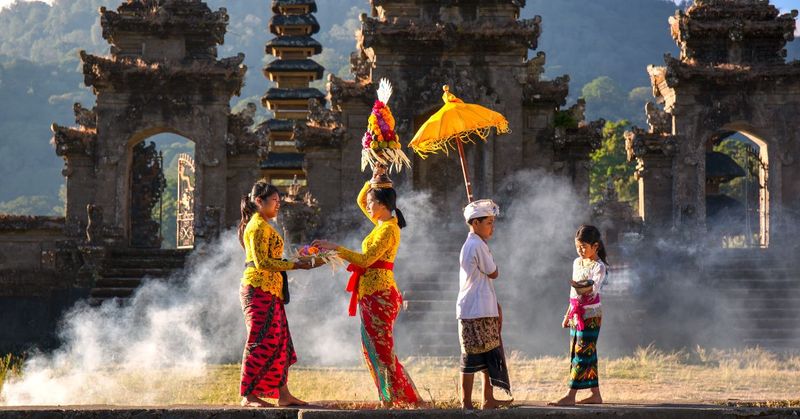
Devotees generally wear traditional clothing during religious ceremonies. Women may wear kebaya with a kamen, while men may wear a traditional shirt, kamen, and udeng (traditional headcloth).
Penjor and Temple Decorations
Decorated bamboo poles, traditional fabrics, and carefully arranged offerings can make temple surroundings visually distinctive.
Religious Processions and Offerings
You may see community members carrying offerings, gathering for prayers, or participating in ceremonial activities.
Traditional Music and Dance
Gamelan performances and traditional dances may accompany certain celebrations, depending on local customs.
Remember that these are religious activities, so observing them respectfully is more important than getting photographs or videos.
Tourists may be able to observe certain Odalan ceremonies, but access depends on the temple's regulations, the nature of the ceremony, and applicable local rules.
Not every temple welcomes visitors into its sacred areas. Some celebrations are intended primarily for the temple's own community.
Bali's Governor Circular Letter No. 7 of 2025 also establishes rules for foreign visitors regarding respect for sacred places and temple access.
Foreign tourists are restricted from entering the main and middle temple zones (Utamaning Mandala and Madyaning Mandala), except when praying while wearing Balinese traditional attire and complying with the applicable requirements. The exception does not apply to women who are menstruating.
Before attending, ask temple representatives or local authorities whether visitors may observe the ceremony and which areas are accessible.
If visitors are permitted to enter a temple, modest clothing and appropriate traditional attire are essential.
Common requirements include:
Follow the specific dress code provided by temple staff, as requirements can differ between locations.
Check this out to know Balinese temple etiquette: Bali Temple Etiquette: A Guide for Visitors.
If you want to experience an Odalan ceremony during your holiday, a little preparation can help you find an appropriate opportunity.
Start by asking hotel or villa staff whether any ceremonies are scheduled in the surrounding area. Local drivers and knowledgeable guides may also be familiar with temple anniversary dates.
You can consult a Balinese calendar as an initial reference, but remember to confirm the actual schedule with the temple community. Not every calendar provides a complete listing of celebrations across the island.
If you happen to notice penjor, temple decorations, or community members preparing offerings, there may be a religious event taking place nearby. However, always ask before approaching or entering the temple.
Odalan, Galungan, and Kuningan are important traditions in Balinese Hinduism, but they commemorate different occasions.
Odalan is associated with the anniversary of a particular temple. Its date depends on the temple's religious calendar.
Galungan celebrates the victory of dharma (goodness or righteousness) over adharma (unrighteousness). It is observed every 210 days according to the Pawukon calendar.
Kuningan takes place ten days after Galungan and marks another important occasion in the Balinese Hindu religious calendar.
Understanding these differences helps visitors appreciate Bali's diverse religious celebrations without confusing their meanings.
Odalan offers an opportunity to understand how religion, community, and cultural heritage remain closely connected in Bali.
From the 210-day Pawukon calendar to traditional offerings, ngayah, and temple prayers, every element reflects the importance of maintaining spiritual and communal relationships.
For travelers, witnessing an Odalan ceremony can be a memorable cultural experience. However, the best way to appreciate it is to approach the occasion with curiosity, respect, and an understanding that it is first and foremost a sacred religious tradition.
If you encounter an Odalan ceremony during your Bali holiday, take the opportunity to learn about its meaning while respecting the people and customs that make this tradition an important part of Balinese life.

Experiencing Bali's cultural traditions can be even more convenient when you have flexible transportation to explore different areas of the island.
Cinchy provides scooter rental services with an online booking system designed to make arranging your transportation straightforward.
Whether you are visiting temples, exploring traditional villages, or discovering other destinations, you can choose a scooter that suits your travel plans and budget.
Choose your scooter category in Cinchy:
Cinchy also offers real-time scooter availability through its website, allowing you to check which units are available for your selected dates, including during Bali's peak and low seasons. Every rental includes essential equipment such as a helmet, hair net, phone holder, and a complimentary raincoat.
Enjoy free delivery and pickup at I Gusti Ngurah Rai Airport, Seminyak, Kuta, and Legian, with additional delivery options across Bali.
👉 Rent a scooter in Cinchy now, book early and save 5% with code EARLY5!
If you're still uncertain about your next steps, don't worry, as we're here to address all your queries and concerns.
Odalan is a Balinese Hindu temple anniversary ceremony that commemorates a sacred day associated with a temple's establishment or consecration. It involves prayers, religious offerings, and traditional rituals as expressions of devotion and community participation.
Many Odalan ceremonies take place every 210 days according to the Pawukon calendar. However, some temples follow the Saka lunar calendar, meaning their anniversary dates follow different cycles.
The duration varies depending on the temple and the scale of the celebration. Many ceremonies last around three days, while larger religious celebrations may continue for a week or several weeks.
Tourists may observe certain Odalan ceremonies if the temple allows public access. However, visitors must follow temple regulations, respect restricted areas, and comply with applicable government requirements regarding access to sacred temple zones.
Visitors should wear modest clothing and follow the temple's dress requirements. When permitted to enter, traditional attire may include a sarong (kamen) and sash (senteng). Additional requirements can vary between temples.
No. Odalan commemorates a temple's anniversary, while Galungan celebrates the victory of dharma over adharma. Although both are important in Balinese Hinduism, they have different meanings and religious purposes.
 travel tips
 hidden gems
 scooter guides
 riding tips
 bali guides
 cultural insight