
1


Stay in Touch
Get the latest updates, special offers, and exclusive Cinchy perks straight to your inbox.


Jl. Plawa No.50, Seminyak, Kec. Kuta, Kabupaten Badung, Bali 80361

CALL US 24/7
(+62-851-7424-6249)
Copied!

We’re Here
Everyday
8:30 AM-9 PM WITA




Payment Partners


© 2026 CINCHY. ALL RIGHTS RESERVED.
Cinchy Blog / Nyang-nyang Beach: Entrance Fee, Attractions, Best Time to Visit
Published: 26 Sep 2026

By Syahrial Maulana Sudarto
Travel Enthusiast

Quick Answer
“Is Nyang-nyang Beach free to enter, and when is the best time to visit?”
Nyang-nyang Beach in Uluwatu, Bali, has no fixed entrance ticket and is generally accessible for free, although a voluntary donation may be requested. Visitors should budget around IDR 5,000 for scooter parking, IDR 10,000 for car parking, and about IDR 25,000 for an optional local scooter taxi. The dry season and early morning are ideal for visiting.
Key Takeaways:
Nyang-nyang Beach is located in Pecatu, Uluwatu, on Bali's Bukit Peninsula in South Bali. The beach sits below a dramatic stretch of limestone cliffs overlooking the Indian Ocean.
Its relatively remote position is one of its biggest attractions. Unlike some of Uluwatu's more developed beaches, Nyang-nyang has a quieter and more natural atmosphere, making it appealing to travelers who want to spend time away from crowded beach clubs and heavily commercialized areas.
The beach is also relatively close to other popular Uluwatu attractions, including Uluwatu Temple, Padang Padang Beach, Bingin Beach, and Suluban Beach.
This makes Nyang-nyang Beach easy to include in a South Bali itinerary, particularly if you are exploring the area by scooter.
There is no fixed entrance ticket for Nyang-nyang Beach. Access is generally free, although visitors may encounter a local donation point and choose to contribute a small amount.
Because local arrangements and fees can change, it is best to carry some cash in small denominations rather than relying entirely on card payments.
For a practical visit, prepare approximately:
| Expense | Estimated Cost |
| Beach entrance | Free / voluntary donation |
| Scooter parking | Around IDR 5,000 |
| Car parking | Around IDR 10,000 |
| Local scooter taxi | Around IDR 25,000 |
The local scooter taxi can be useful if you need assistance with the steep route between the upper access area and the beach. Availability and pricing may vary, so confirm the cost locally before using the service.
Nyang-nyang Beach is best known for its combination of natural scenery and relatively quiet atmosphere.
The long stretch of pale sand is bordered by green cliffs, creating a dramatic landscape that feels very different from Bali's more developed coastal destinations.
The beach is particularly attractive to photographers, couples, surfers, and travelers who enjoy exploring less commercialized places.
Another major attraction is the old shipwreck on the shoreline. Its weathered appearance has made it one of the most recognizable photo spots associated with Nyang-nyang Beach.
The surrounding cliffs and open Indian Ocean also create excellent scenery for landscape photography, particularly when the light is softer in the morning or late afternoon.

One of the simplest ways to enjoy Nyang-nyang is to walk along its shoreline.
The beach's long stretch of sand gives visitors plenty of space to explore, take photographs, or simply enjoy the sound of the waves without the dense crowds found at some of Bali's better-known beaches.
The shipwreck is one of Nyang-nyang Beach's most recognizable visual landmarks.
Its weathered structure provides a distinctive backdrop for photography. However, avoid climbing on the wreck because old metal and wooden structures can be unstable.
The journey down to Nyang-nyang is part of the experience.
From the upper section, you can see the contrast between the green cliffs, white sand, and deep blue Indian Ocean. Bring a camera if you enjoy landscape photography, but make sure you also leave enough attention for the trail itself.
Nyang-nyang Beach can be beautiful in the late afternoon, when the sunlight becomes softer and the cliffs and shoreline take on warmer tones.
However, sunset visitors need to plan their return carefully. The route back to the upper area can be physically demanding, and visibility becomes an important consideration after dark.
Nyang-nyang is known for its waves and is more closely associated with surfing than relaxed swimming.
Experienced surfers may find the open-ocean conditions appealing, but beginners should not assume that every day offers suitable conditions. Swell, tide, wind, and local sea conditions can change significantly.
If your goal is simply to find a quieter beach in Uluwatu, Nyang-nyang can be a good option.
Rather than expecting beach clubs, rows of restaurants, or extensive facilities, come prepared for a more natural beach experience.
Nyang-nyang Beach is not the best choice for casual swimming.
The beach faces the open Indian Ocean, and conditions can include powerful waves and currents. There are also no lifeguards providing the type of supervision you might find at a developed resort beach.
If you are considering entering the water, check the conditions first and stay within your ability. Do not enter the ocean simply because the water looks calm from the shore.
For many visitors, the safer way to enjoy Nyang-nyang is from the beach itself: walk along the sand, take photographs, watch the waves, and enjoy the scenery.

Access to Nyang-nyang Beach is one of the most important things to understand before visiting.
Depending on the access point and current conditions, the route can involve a steep road, uneven paths, stairs, or a combination of these. The exact experience can therefore vary.
Head toward the Pecatu area of Uluwatu and use a reliable map pin for your chosen Nyang-nyang Beach access point.
Because several beaches and coastal access roads are located close together, checking the destination before leaving can help prevent confusion.
If you are traveling by car, you may need to leave the vehicle at the upper parking area before continuing toward the beach.
Scooters can be more practical for exploring Uluwatu because they are easier to maneuver through smaller roads and provide more flexibility between attractions.
Before walking or riding farther down, make sure you have water, sun protection, and appropriate footwear.
Do not underestimate the return journey. Going down may feel easy at first, but climbing back up can be significantly more tiring.
If you visit in the afternoon, leave enough daylight for the journey back.
A beautiful sunset is not worth rushing up a steep and unfamiliar route in poor visibility. If you are unfamiliar with the area, an early morning visit is generally easier to manage.

The dry season, generally from April to October, is a convenient period to explore Nyang-nyang Beach.
Lower rainfall usually means better conditions for the descent and less chance of dealing with muddy or slippery paths. However, Bali's weather can change, so checking the forecast before leaving is still recommended.
For most travelers, early morning is the most practical time to visit.
Morning temperatures are generally more comfortable for the descent and eventual climb back up. You may also find fewer visitors and softer light for photography.
Arriving earlier also gives you more flexibility if you want to explore the beach without feeling rushed.
Yes, sunset can be attractive at Nyang-nyang Beach, particularly for photography.
The important consideration is the journey back. If you stay until the last light disappears, you may have to deal with a steep and poorly lit route.
For that reason, early morning is generally the easier option for first-time visitors, while late afternoon works better for travelers who are prepared to manage the return before it becomes dark.
Read Also:
Peak Season in Bali: When It Is, Expectation & Travel Tips
Low Season in Bali: When It Is, What to Expect & Travel Tips
When is The Best Time to Visit Bali? Here's The Complete Guide!
Nyang-nyang Beach can still be visited during Bali's wet season, but the experience may be less predictable.
Rain can make steep access routes slippery, while cloud cover and changing sea conditions can affect the appearance of the beach. Heavy rain can also make the return journey more challenging.
If you visit between November and March, check the weather before setting out and avoid the beach if conditions make the access route or ocean unsafe.
Nyang-nyang has limited facilities compared with Bali's developed beach destinations, so preparation matters.
Bring:
It is also better to carry only what you need. A heavy bag can make the descent and especially the return climb more difficult.
Most importantly, take your rubbish with you and help keep the coastline clean.
Nyang-nyang Beach can be attractive for families who are comfortable with a more physically demanding beach visit, but it is not a conventional family beach.
The steep access, limited facilities, strong ocean conditions, and lack of lifeguards mean parents should consider the age and mobility of their children before visiting.
Travelers with mobility limitations may also find the access challenging.
If your priority is a beach with easy access, restaurants, toilets, loungers, and other facilities close to the shoreline, another Uluwatu beach may be more convenient.
You can combine Nyang-nyang Beach with several other destinations in South Bali.
Uluwatu Temple is one of Bali's most famous cliffside temples and is a natural addition to a Uluwatu itinerary.
Karang Boma Cliff offers dramatic views over the Indian Ocean and is particularly popular around sunset.
Padang Padang Beach is another well-known beach in the area, while Bingin Beach is popular for surfing, coastal scenery, and its collection of cafes and accommodations.
Suluban Beach is also worth considering if you want to explore another coastal area around Uluwatu.
Before heading to Nyang-nyang Beach, keep these practical tips in mind:
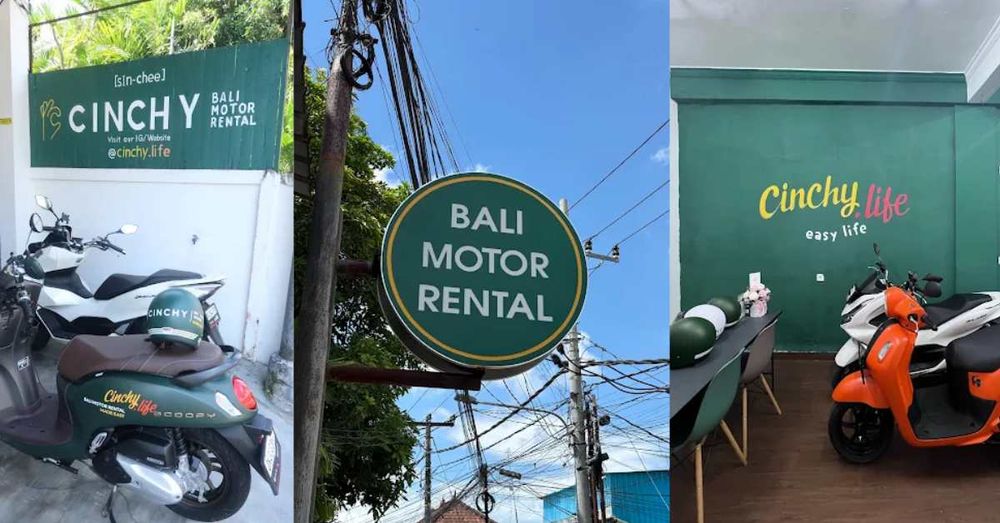
Exploring Nyang-nyang Beach and other Uluwatu attractions is easier when you have flexible transportation.
Cinchy offers well-maintained scooters with regular servicing, straightforward booking, and packages designed for different rental durations.
You can also check scooter availability in real time on the website, which is useful when planning a trip during either Bali's peak season or quieter periods.
Cinchy has two scooter categories:
Booking is designed to be simple: choose your dates on Cinchy's website, check real-time availability, select your Compact or Comfort scooter, choose pickup and drop-off locations, select optional insurance and add-ons, provide your details, and complete payment.
Required documents include a valid Passport or KTP, an International Driving License or SIM C, round-trip flight tickets, and hotel booking covering the rental period.
Cinchy also provides 24/7 support, with free delivery and pickup in Seminyak and at I Gusti Ngurah Rai Airport, plus delivery options to Kuta & Legian, Canggu, Sanur, and Nusa Dua.
Planning to explore Nyang-nyang Beach, Uluwatu, and other parts of South Bali?
👉 Rent a scooter in Cinchy now, book early and save 5% with code EARLY5!
If you're still uncertain about your next steps, don't worry, as we're here to address all your queries and concerns.
Yes. Nyang-nyang Beach generally has no fixed entrance ticket, although a voluntary donation may be requested. Parking and local transport are separate costs.
Scooter parking is around IDR 5,000, while car parking is around IDR 10,000. Rates may change, so carrying small cash is recommended.
The dry season from around April to October is generally the most convenient. Early morning is particularly suitable because it is cooler and usually quieter.
Swimming is not the main attraction because ocean conditions can be strong and there are no lifeguards. Check local conditions carefully before entering the water.
Access can be steep and physically demanding, with different routes involving stairs, uneven paths, or steep roads. The return journey can be harder than going down.
Nyang-nyang Beach is particularly suited to travelers who enjoy natural scenery, quieter beaches, photography, surfing, and exploring less developed coastal destinations. Visitors looking for easy access and extensive beach facilities may prefer another beach in Uluwatu.
 travel tips
 hidden gems
 scooter guides
 riding tips
 bali guides
 cultural insight