1


Stay in Touch
Get the latest updates, special offers, and exclusive Cinchy perks straight to your inbox.


Jl. Plawa No.50, Seminyak, Kec. Kuta, Kabupaten Badung, Bali 80361

CALL US 24/7
(+62-851-7424-6249)
Copied!

We’ll be Back
at
8:30 AM-9 PM WITA


Payment Partners


© 2026 CINCHY. ALL RIGHTS RESERVED.
Cinchy Blog / Motorcycle Rear Tire Wobble - Common Causes and How to Fix It
Published: 06 Nov 2026

By Syahrial Maulana Sudarto
Travel Enthusiast
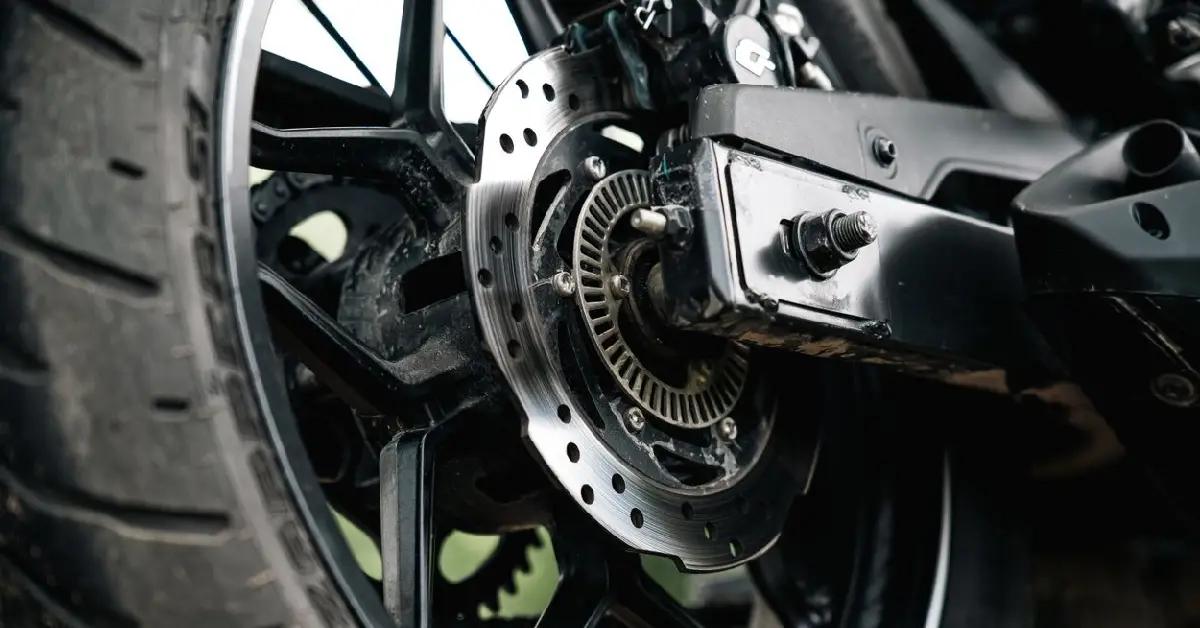
Quick Answer
“Why does a motorcycle rear tire wobble, and how can you fix it?”
A motorcycle rear tire can wobble because of incorrect tire pressure, an unbalanced wheel, a bent rim, worn wheel bearings, or improper wheel alignment. Damaged tires and faulty suspension components can also affect stability. Identifying the symptoms and inspecting the rear wheel assembly are essential to finding the right solution.
Key Takeaways:
Motorcycle rear tire wobble is an unusual side-to-side movement or instability involving the rear wheel or the motorcycle's rear end.
Instead of tracking smoothly in a straight line, the motorcycle may feel like it is swaying, shaking, or moving unpredictably.
The problem can occur at low or high speeds, although some causes become more noticeable as speed increases.
For example, an unbalanced rear wheel may produce vibration at certain speeds, while a damaged wheel bearing can create instability that becomes more noticeable during riding.
Rear tire wobble should not be ignored. Even if the motorcycle remains controllable, the underlying issue may affect tire contact, wheel stability, and overall handling.
Rear tire wobble and motorcycle vibration are related symptoms, but they do not always indicate the same problem.
These symptoms can overlap. Therefore, the sensation alone is not enough to determine the exact cause.
Several mechanical and tire-related problems can cause a motorcycle rear tire to wobble. Here are eight common causes to check.
Incorrect tire pressure is one of the first things to check when experiencing rear wheel instability. A tire with insufficient pressure can flex excessively, affect handling, and produce an unstable feeling.
Overinflation can also reduce the tire's ability to maintain the intended contact with the road. Both conditions may affect traction, comfort, and stability.
How to fix it:
Do not use a universal PSI recommendation because the correct pressure varies depending on the motorcycle model, tire, and load.
A rear wheel becomes unbalanced when its weight is not distributed evenly around the wheel and tire assembly.
This can happen after tire replacement, incorrect installation, or the loss of a balancing weight.
An unbalanced rear wheel may cause vibration or shaking that becomes more noticeable at certain speeds. In some cases, the rider may also feel instability through the seat, footpegs, or rear section of the motorcycle.
How to fix it:
Have a qualified technician inspect the rear wheel balance using an appropriate wheel-balancing machine.
The technician can identify uneven weight distribution and install or adjust balancing weights as necessary.
If the vibration started after installing a new tire, ask the technician to check the tire installation and wheel balance.
A bent or damaged rim can prevent the rear tire from rotating in a consistent circular path. This may happen after hitting a deep pothole, striking a curb, or experiencing a strong impact.
A damaged rim can create radial or lateral runout. Radial runout refers to up-and-down movement as the wheel rotates, while lateral runout describes side-to-side movement.
How to fix it:
Do not continue riding with a cracked or significantly bent rim. The damage may compromise wheel strength and stability.
Rear wheel bearings allow the wheel to rotate smoothly around its axle. When these bearings become worn, damaged, or excessively loose, the rear wheel may develop unwanted movement.
Common warning signs include grinding noises, unusual humming, rough wheel rotation, or noticeable play when the wheel is checked.
How to fix it:
A qualified technician should inspect the rear wheel bearings for roughness, damage, and excessive play. Worn or damaged bearings generally need to be replaced rather than simply lubricated.
Avoid riding if the rear wheel has excessive movement or produces unusual grinding noises. A bearing failure can affect wheel stability and make the motorcycle difficult to control.
Incorrect rear wheel alignment can cause the motorcycle to track improperly. On chain-driven motorcycles, this may happen after rear wheel removal, tire replacement, or incorrect adjustment of the rear axle.
Misalignment can also contribute to uneven tire wear and unusual handling. However, alignment marks on the swingarm may not always provide a sufficiently accurate measurement.
How to fix it:
Motorcycles with belt or shaft drives have different adjustment requirements, so the correct procedure depends on the drivetrain design.
The swingarm connects the rear wheel assembly to the motorcycle frame and allows the rear suspension to move. Worn swingarm bearings, damaged bushings, or loose mounting components can cause unwanted movement at the rear of the motorcycle.
This may feel like the rear wheel is shifting sideways, particularly when cornering, accelerating, or riding over uneven surfaces.
How to fix it:
Have a technician inspect the swingarm pivot, bearings, bushings, and mounting hardware. Any worn or damaged components should be replaced, and loose fasteners must be tightened according to the manufacturer's torque specifications.
Do not attempt to compensate for worn swingarm components by adjusting the rear wheel alignment alone.
The rear suspension helps keep the tire in contact with the road while absorbing bumps and controlling movement. A worn shock absorber, damaged suspension component, or incorrect damping can affect rear wheel stability.
You may notice excessive bouncing, poor handling over uneven roads, or a rear end that feels unstable when accelerating or cornering.
How to fix it:
Ask a qualified technician to inspect the rear shock absorber, suspension mounts, and related components. Depending on the condition, the solution may involve adjusting the suspension settings, replacing worn parts, or installing a new shock absorber.
Use the manufacturer's recommended suspension settings for your motorcycle and riding conditions.
A damaged or incorrectly installed tire can also cause rear wheel wobble. Possible problems include uneven tread wear, a deformed tire, an improperly seated tire bead, or internal structural damage.
A tire may become damaged after hitting a sharp object, riding over a severe road hazard, or being used with incorrect pressure for an extended period.
How to fix it:
A tire with a bulge or internal structural damage should not be repaired with a simple patch. It needs professional assessment and, when necessary, replacement.
Read Also:
Flat Tire or Just Needs Air on a Motorcycle, How Do I Know?
Nail in Tubeless Motorcycle Tire, What Should I Do?
What Should You Do If Your Scoopy's Tubeless Tire Gets a Puncture
Dangers of Worn-out Scoopy Motorcycle Tires and How to Stay Safe
Finding the cause of motorcycle rear wheel wobble requires checking when the symptoms occur and inspecting the relevant components. Avoid replacing parts based on assumptions alone.
Pay attention to the conditions under which the instability appears. This information can help a technician narrow down the possible causes.
For example:
These are diagnostic clues, not definitive conclusions. Multiple problems can produce similar symptoms.
Start with a visual inspection of the rear tire. Look for uneven tread wear, cuts, cracks, bulges, embedded objects, and unusual deformation.
Also check whether the tire appears properly seated on the rim. If you notice a bulge, exposed internal material, or significant damage, stop riding and arrange a professional inspection.
Use a tire pressure gauge to check whether the rear tire matches the manufacturer's recommended pressure.
Next, inspect the rim for visible damage. If the wheel appears bent or does not rotate consistently, a technician may need to measure its radial and lateral runout.
If the tire and rim appear normal but the wobble continues, the problem may involve the wheel bearings, rear axle alignment, swingarm, or suspension.
A professional inspection can identify excessive bearing play, worn pivot components, loose mounting hardware, or faulty shock absorbers.
The correct solution depends on the component causing the instability. Some problems can be addressed through routine adjustments, while others require replacement or professional repair.
Here are the main solutions based on the suspected cause:
After repairs, the technician should check the wheel rotation, tire pressure, alignment, and relevant fasteners before the motorcycle returns to regular use.
If the rear wheel suddenly starts wobbling while you are riding, prioritize your safety rather than trying to diagnose the problem on the road.
Follow these steps:
Do not continue riding if you notice any of these warning signs:
Continuing to ride with these problems can increase the risk of a tire failure or loss of control.
Preventive maintenance can help reduce the risk of rear wheel instability. Make these checks part of your regular motorcycle maintenance routine.
Check tire pressure according to the manufacturer's recommended schedule, particularly before long trips. Use a reliable pressure gauge rather than judging tire pressure by appearance alone.
Look for uneven tread wear, cracks, cuts, embedded objects, and sidewall damage. Replace tires that have reached their wear limit or show signs of structural damage.
Whenever the rear wheel is removed or adjusted, make sure it is installed and aligned correctly. Follow the manufacturer's procedure, including the specified axle torque and drivetrain adjustment requirements.
Have the wheel bearings, swingarm components, and rear suspension inspected during routine servicing. Address unusual noises, excessive movement, or changes in handling promptly.
Ask the technician to check wheel balance whenever a tire is replaced. Proper installation and balancing can help prevent vibration and instability caused by uneven weight distribution.

Exploring Bali by scooter is more enjoyable when your vehicle is in good condition.
Cinchy provides regularly maintained scooters to help you travel around the island with greater convenience and confidence.
You can choose between Compact scooters, including Honda Scoopy, Yamaha Fazzio, and Honda Vario, starting from IDR 95,000 per day.
For a more comfortable ride, Comfort scooters such as Yamaha NMAX and Honda PCX are available from IDR 155,000 per day.
Cinchy also offers real-time availability checks, 24/7 customer support, and delivery to selected areas in Bali.
So, what are you waiting for?
👉 Rent a scooter in Cinchy now, book early and save 5% with code EARLY5!
If you're still uncertain about your next steps, don't worry, as we're here to address all your queries and concerns.
A rear tire may wobble at high speed because of wheel imbalance, incorrect tire pressure, a damaged rim, tire deformation, or worn wheel bearings. High-speed symptoms should be taken seriously because they can affect motorcycle stability. Stop riding if the wobble is severe or persistent and arrange a professional inspection.
Yes. Low tire pressure can cause excessive tire flex, affect the tire's contact with the road, and make the motorcycle feel unstable. Check the pressure with a gauge and adjust it according to the manufacturer's specifications.
Yes. Worn or damaged rear wheel bearings can create excessive wheel play, rough rotation, and instability. Grinding noises and unusual movement are common warning signs. Damaged bearings should be inspected and replaced by a qualified technician.
No, you should not continue riding if the rear tire wobble is severe, persistent, or accompanied by visible damage, unusual noises, or excessive wheel movement. These symptoms may indicate a problem that compromises wheel stability. Stop in a safe location and arrange professional assistance.
A bent rear wheel may show visible dents, cracks, or deformation. You may also notice unusual vibration or inconsistent wheel rotation. A technician can measure radial and lateral runout with suitable equipment to determine whether the rim is within the manufacturer's specifications.
 travel tips
 hidden gems
 scooter guides
 riding tips
 bali guides
 cultural insight