1


Stay in Touch
Get the latest updates, special offers, and exclusive Cinchy perks straight to your inbox.


Jl. Plawa No.50, Seminyak, Kec. Kuta, Kabupaten Badung, Bali 80361

CALL US 24/7
(+62-851-7424-6249)
Copied!

We’re Here
Everyday
8:30 AM-9 PM WITA




Payment Partners


© 2026 CINCHY. ALL RIGHTS RESERVED.
Cinchy Blog / 12 Local & Traditional Balinese Drinks You Should Try
Published: 13 Sep 2026

By Syahrial Maulana Sudarto
Travel Enthusiast
Quick Answer
“What local and traditional drinks in Bali should I try?”
Balinese drinks range from refreshing coconut-based beverages such as Es Kuwut and Es Bir to herbal drinks, Kintamani coffee, and traditional alcoholic beverages such as Arak Bali, Tuak, and Brem. Many use local ingredients such as coconut, palm sugar, tamarind, glutinous rice, and herbs, reflecting Bali's tropical environment and culinary traditions.
Free Cancellation
24/7 Support
Insurance
Start Date - End Date
Start Time
End Time
Duration
0 Day(s)
Key Takeaways:
Balinese drinks are local beverages associated with the food culture and everyday life of Bali. They include tropical iced drinks, herbal beverages, coffee, and fermented or distilled drinks.
Some are widely available at warungs, local restaurants, and traditional markets, while others are strongly associated with particular areas.
For example, Kintamani is closely linked with Balinese Arabica coffee, Penglipuran with Loloh Cemcem, Tabanan with Es Waneng, and Singaraja with Es Ancruk.
For travelers, trying traditional drinks in Bali is an easy way to experience the island's local ingredients and culinary culture beyond its famous food.
Here are some local and traditional Balinese drinks you should try:
Es Kuwut is one of the most refreshing traditional Balinese drinks to try on a hot day.
The drink commonly combines young coconut meat, coconut water, melon, basil seeds, lime juice, and melon syrup.
The result is a sweet, lightly tangy, fruity drink with plenty of tropical flavors and textures.
The name “kuwut” is associated with coconut, which makes young coconut one of its defining ingredients.
Because it combines coconut water, fruit, ice, and citrus, Es Kuwut works particularly well as a cooling drink while exploring Bali during the day.
It is also relatively easy to find at local food stalls and restaurants.
Best for: Travelers looking for a refreshing tropical drink with coconut, fruit, and a citrusy taste.
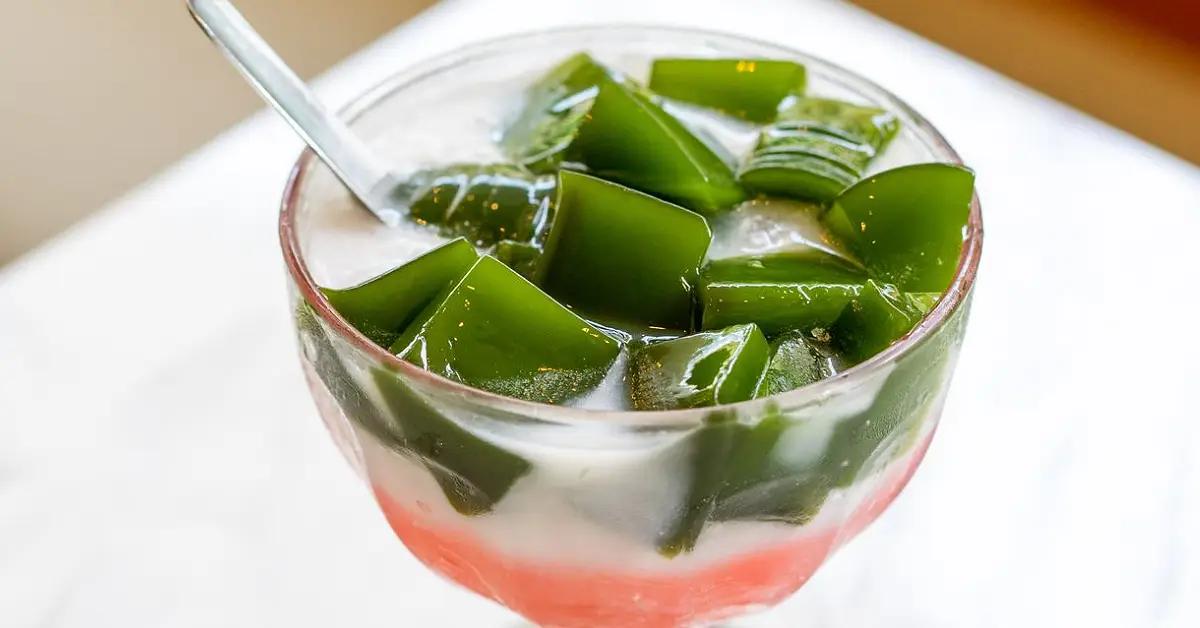
Es Daluman is a traditional Balinese green grass jelly drink made from daluman leaves, which are associated with the plant Cyclea barbata.
The jelly has a soft, slightly chewy texture and a mild vegetal flavor. It is usually served cold with coconut milk, palm sugar syrup, and ice.
Unlike some tropical drinks that rely heavily on fruit, Es Daluman has a creamier and more dessert-like character.
The combination of green grass jelly, coconut milk, and palm sugar creates a balance of earthy, sweet, and creamy flavors.
It is commonly found at warungs, local restaurants, and food vendors around Bali.
Best for: Anyone who wants to try a refreshing Balinese dessert drink with a soft jelly texture.
Es Gula Kintamani is a local-style iced drink associated with the Kintamani area of Bali.
Its appeal comes from the use of sweet ingredients and plenty of ice, making it particularly suitable for Bali's warm tropical climate.
Kintamani is better known internationally for its coffee-growing highlands, but its local food and drink culture offers much more than coffee.
When you encounter Es Gula Kintamani during a culinary trip, consider it an opportunity to explore a less internationally known side of local Balinese beverages.
Best for: Travelers who want to discover lesser-known local drinks rather than only the most popular Bali beverages.
Kopi Bali, or Balinese coffee, is an essential drink for coffee lovers visiting the island.
One of its most notable varieties is Kintamani Arabica coffee, which is grown in Bali's highland coffee-producing areas.
Kintamani Arabica has held a Geographical Indication registration since 2008, reflecting its recognized regional identity.
The coffee-growing tradition of Bali is closely connected with the island's highland agriculture.
For travelers, visiting a coffee plantation in the Kintamani area can turn a simple cup of coffee into a broader culinary experience.
You can also find Balinese coffee in cafes, restaurants, local markets, and specialty coffee shops across the island.
If you enjoy Indonesian coffee, don't confuse Kopi Bali with Kopi Luwak. They are different products, and Kintamani coffee itself has a distinct regional identity.
Best for: Coffee lovers who want to taste locally grown Arabica coffee while exploring Bali.
Despite its name, Es Bir is not an alcoholic beer.
It is a traditional non-alcoholic Balinese drink, commonly based on young coconut and served with ice.
Lime juice can also be added to provide a refreshing sour note.
This makes Es Bir one of the more interesting Bali drinks for first-time visitors.
The name can easily create confusion for international travelers, so it is worth remembering that “Es Bir” does not mean iced beer.
Instead, think of it as a refreshing coconut-based drink that can be enjoyed without alcohol.
Best for: Travelers who want a refreshing non-alcoholic drink and something with an unexpectedly intriguing name.
Read Also:
40 Best Cafes in Seminyak 2026 [+Maps]
The 40 Best Cafes in Canggu 2026 [+Maps]
The 40 Best Cafes in Sanur 2026 [+Maps]
40 Best Cafes Near and in Ngurah Rai Airport 2026
Arak Bali is a traditional Balinese distilled spirit and one of the island's most culturally significant alcoholic drinks.
It has traditionally been produced through fermentation and distillation, with local production methods varying according to ingredients and region.
Arak Bali is more than simply a local alcoholic beverage.
The Indonesian government formally recognized Arak Bali as Intangible Cultural Heritage in 2022, while Bali introduced regulations governing traditional Balinese fermented and distilled beverages in 2020.
For visitors, Arak Bali is best experienced through reputable producers, established venues, or properly licensed establishments. Its cultural importance also means that trying it responsibly can provide a deeper understanding of Bali's traditional beverage heritage.
Alcohol alert: Arak Bali contains alcohol. Never ride a scooter after drinking Arak Bali or any other alcoholic beverage. Arrange alternative transportation and only ride when you are completely sober.
Best for: Travelers interested in traditional Balinese spirits and local cultural heritage.
Tuak is traditionally associated with fermented palm or coconut sap, but the term can cover beverages at different stages of fermentation.
Tuak Manis refers to the sweeter, fresh sap before substantial fermentation develops an alcoholic character.
The drink offers a glimpse into traditional palm-sap beverages and the relationship between fresh local ingredients and fermentation.
As fermentation progresses, the beverage can develop a different taste and alcoholic content, which is why it is useful to distinguish fresh, sweet sap from fermented tuak.
If you encounter Tuak Manis during a local culinary experience, ask the seller about its preparation and fermentation stage.
This is particularly useful for international travelers who may not be familiar with the terminology surrounding traditional Balinese drinks.
Alcohol alert: Fresh Tuak Manis is not necessarily the same as fermented alcoholic tuak. Ask about the drink before consuming it, and never ride a scooter after drinking any alcoholic version of tuak.
Best for: Curious travelers who want to understand Bali's traditional palm-sap and fermentation culture.
Brem Bali is a traditional Balinese fermented rice wine made from glutinous rice.
It should not be confused with the solid brem snack commonly associated with parts of Java.
Liquid brem is a distinct traditional beverage with its own fermentation process and cultural significance.
A 2026 systematic review in the Journal of Ethnic Foods describes Balinese liquid brem as a traditional fermented rice wine embedded in cultural, ritual, and social practices.
The fermentation process produces a beverage with sweet, sour, and alcoholic characteristics, with flavor and quality influenced by fermentation conditions.
For visitors interested in traditional alcoholic drinks in Bali, Brem offers a different experience from Arak because it is a fermented rice beverage rather than a distilled spirit.
Alcohol alert: Brem Bali is alcoholic. Do not ride a scooter after drinking Brem. If you plan to drink, arrange another way to get back to your accommodation.
Best for: Travelers interested in traditional fermented beverages and Balinese culinary heritage.
Loloh Cemcem is a traditional Balinese herbal drink strongly associated with Penglipuran Village in Bangli.
It is made using cemcem leaves and has a distinctive herbal character that can be sweet, sour, salty, or slightly spicy depending on the preparation.
Unlike the fruit-forward profile of Es Kuwut, Loloh Cemcem is an example of Bali's traditional herbal beverages, often referred to as loloh.
Its unique taste makes it particularly interesting for travelers who want to explore local drinks beyond familiar tropical fruit beverages.
Penglipuran is one of the best-known traditional villages in Bali, making Loloh Cemcem an especially interesting drink to seek out when exploring the cultural side of Bangli.
Rather than treating it simply as a “healthy drink,” focus on its local ingredients, distinctive flavor, and cultural context.
Best for: Travelers looking for an authentic Balinese herbal drink with a distinctly local flavor.
Es Ancruk is a traditional drink and dessert-style specialty associated with Singaraja and Buleleng in northern Bali.
It is much more substantial than a simple glass of iced juice, combining several sweet ingredients and textures in one serving.
A typical serving can include ancruk or small glutinous-rice dumplings, banana compote, black-rice porridge, rice-flour porridge, sago pearls, jelly, palm ingredients, coconut milk, and shaved ice. The exact combination can vary between vendors.
The ancruk itself is what gives the drink its distinctive identity. Made from glutinous rice flour and shaped into small pieces, it adds a chewy texture to the creamy, sweet, and icy mixture.
If you are traveling through North Bali, Es Ancruk is worth seeking out for a more regional taste of Balinese culinary culture.
Best for: Travelers who enjoy sweet, filling, dessert-like drinks and want to discover North Bali specialties.
Es Waneng is a traditional drink associated with Tabanan and is one of the lesser-known Balinese beverages you are unlikely to find on generic tourist lists.
Its history is particularly interesting: local reporting traces the drink's legacy back to 1938.
The drink is made with coconut milk prepared from roasted coconut, sugar, and ice.
Roasting the coconut before extracting the milk gives Es Waneng a deeper flavor than a standard coconut drink, while the ice makes it especially refreshing in Bali's warm weather.
Its long local history is part of what makes Es Waneng worth trying.
Rather than being another generic tropical beverage, it represents a specific culinary tradition from Tabanan that has continued across generations.
Best for: Travelers who want to find a historic and less touristy local drink in Bali.
Es Tambring is a refreshing Balinese drink that combines young coconut, coconut water, tamarind, palm sugar, and ice. Some versions also use egg white, which may sound unusual at first but creates a distinctive texture without making the drink taste strongly of egg.
Its flavor is one of its biggest attractions. The sweetness of coconut and palm sugar is balanced by the natural sourness of tamarind, creating a sweet-and-sour profile that works particularly well in Bali's tropical climate.
For travelers who want something different from standard coconut water, Es Tambring is an excellent choice. It combines familiar tropical ingredients with a distinctly Balinese preparation and flavor profile.
Best for: Travelers who enjoy refreshing sweet-and-sour drinks with coconut and tamarind.
In general, there are two types of drinks in Bali:
If you want to enjoy traditional beverages without alcohol, start with Es Kuwut, Es Daluman, Es Gula Kintamani, Kopi Bali, Es Bir, Loloh Cemcem, Es Ancruk, Es Waneng, or Es Tambring.
These drinks range from light and citrusy to creamy, herbal, fruity, and coffee-based, so there is plenty of variety even if you avoid alcohol.
Arak Bali, fermented Tuak, and Brem Bali are among the traditional alcoholic beverages associated with Bali.
They have different production methods and flavor profiles, with Arak being distilled and Brem being a fermented rice wine.
If you choose to try them, drink responsibly and make sure you have a safe way to return to your accommodation.
Although all three are traditional alcoholic beverages, they are not the same.
Tuak is associated with fermented palm or coconut sap.
Arak Bali is a distilled spirit traditionally produced from fermented ingredients.
Brem Bali is a fermented rice wine made from glutinous rice. Their ingredients, fermentation or distillation processes, strength, and flavor therefore differ.
For travelers, the easiest way to remember the difference is: Tuak is fermented sap, Arak is a distilled spirit, and Brem is fermented rice wine.
| If you want... | Try |
| A refreshing tropical drink | Es Kuwut |
| A creamy jelly drink | Es Daluman |
| A local sweet drink | Es Gula Kintamani |
| Freshly grown local coffee | Kopi Bali |
| A non-alcoholic drink with a surprising name | Es Bir |
| A traditional Balinese spirit | Arak Bali |
| A traditional palm-sap beverage | Tuak Manis |
| Fermented rice wine | Brem Bali |
| A herbal local drink | Loloh Cemcem |
| A filling dessert-style drink | Es Ancruk |
| A historic Tabanan specialty | Es Waneng |
| A sweet-and-sour coconut drink | Es Tambring |
You can find Balinese drinks in different settings depending on the beverage.
Local warungs and traditional food stalls are good places to look for drinks such as Es Kuwut, Es Daluman, Es Bir, Es Ancruk, and Es Tambring.
For a stronger cultural connection, look for regional specialties in their associated areas.
Try Kintamani coffee in Bali's highlands, seek out Loloh Cemcem around Penglipuran and Bangli, and look for Es Ancruk when exploring Singaraja and Buleleng.
Es Waneng is associated with Tabanan.
For alcoholic beverages such as Arak Bali and Brem, choose reputable and properly licensed establishments or producers rather than consuming unidentified homemade spirits.
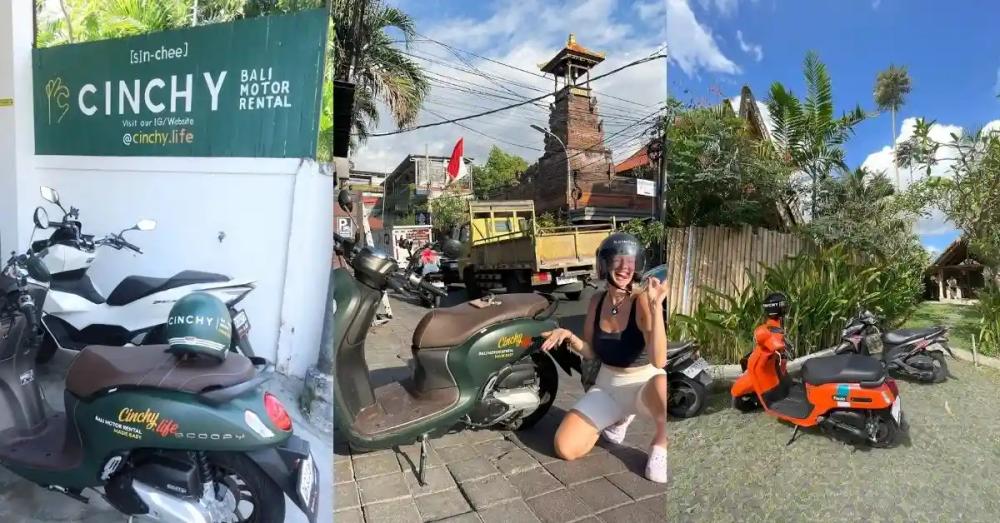
Cinchy offers well-maintained scooters that are regularly serviced, with rental options designed for different trip lengths and budgets.
You can choose Compact or Comfort depending on whether you prioritize a practical scooter or a larger, more comfortable option.
The booking process is designed to be straightforward. You need a valid Passport or KTP, a valid International Driving License or SIM C, round-trip flight tickets, and a hotel booking covering your scooter rental period.
You can also check scooter availability online in real time before booking, which is particularly useful when planning around Bali's peak season.
For convenience, Cinchy provides delivery and pickup options including free service at I Gusti Ngurah Rai Airport and Seminyak, while delivery to Canggu, Sanur, and Nusa Dua is available for an additional fee.
Customer support is also available 24/7. Every scooter comes with a helmet, while a brand-new helmet can be added to your booking for IDR 100,000.
If you are planning ahead for a busy Bali holiday, booking early can also help you secure your preferred scooter.
👉 Rent a scooter in Cinchy now, book early and save 5% with code EARLY5!
If you're still uncertain about your next steps, don't worry, as we're here to address all your queries and concerns.
Some of the best-known traditional Balinese drinks include Es Kuwut, Es Daluman, Kopi Bali, Loloh Cemcem, Arak Bali, Brem, Tuak, and Es Tambring.
No. Despite its name, Es Bir is a non-alcoholic Balinese drink. It is generally a refreshing coconut-based beverage with lime and ice.
Yes. Arak Bali is a traditional distilled alcoholic beverage and has been officially recognized as Indonesian Intangible Cultural Heritage.
Balinese coffee refers to coffee produced in Bali, with Kintamani Arabica being one of the island's best-known regional coffees. Kintamani Arabica has a Geographical Indication registered in Indonesia.
Es Tambring is generally made with young coconut, coconut water, tamarind, palm sugar, and ice. Some versions also include egg white.
Brem Bali is a traditional fermented rice wine made from glutinous rice. It is an alcoholic beverage and is different from the solid brem snack associated with other parts of Indonesia.
 travel tips
 hidden gems
 scooter guides
 riding tips
 bali guides
 cultural insight