
1


Stay in Touch
Get the latest updates, special offers, and exclusive Cinchy perks straight to your inbox.


Jl. Plawa No.50, Seminyak, Kec. Kuta, Kabupaten Badung, Bali 80361

CALL US 24/7
(+62-851-7424-6249)
Copied!

We’re Here
Everyday
8:30 AM-9 PM WITA




Payment Partners


© 2026 CINCHY. ALL RIGHTS RESERVED.
Cinchy Blog / How to Stop Motorcycle Vibration (Causes & Quick Fixes)
Published: 14 Nov 2026

By Syahrial Maulana Sudarto
Travel Enthusiast

Quick Answer
“How can you stop excessive vibration on a scooter?”
Excessive scooter vibration can be reduced by identifying its source, such as worn spark plugs, dirty air filters, loose engine mounts, unbalanced wheels, or drivetrain problems. Inspect the engine, tires, and other components regularly, replace damaged parts, and seek professional assistance when the vibration persists.
Key Takeaways:
Understanding what causes scooter vibration can help you determine whether the issue requires a simple adjustment or professional inspection.
Spark plugs ignite the air-fuel mixture inside the engine. When a spark plug becomes worn, dirty, or damaged, combustion may become inconsistent.
This can cause engine misfires, rough idling, reduced acceleration, and unusual vibration. You may notice the scooter shaking more noticeably when the engine is running at low speeds or when accelerating.
How to fix it:
Always use a spark plug that matches the scooter manufacturer's specifications.
The air filter prevents dust and debris from entering the engine. Over time, it can become clogged, restricting airflow and affecting the air-fuel mixture.
When the engine does not receive enough clean air, combustion may become less efficient. This can lead to rough engine performance and increased vibration.
How to fix it:
Riding in dusty environments can make air filters dirty more quickly, so regular inspection is important.
Engine mounts hold the engine in position and help absorb vibrations produced during operation. If these mounts become worn, cracked, or loose, more vibration can transfer to the scooter's frame.
You may feel excessive shaking through the footrest, seat, or handlebar, even when the scooter is stationary.
How to fix it:
Have a mechanic inspect the engine mounts, mounting bolts, and surrounding components. Damaged mounts should be replaced, while loose mounting hardware should be tightened according to the manufacturer's specifications.
Do not attempt to reposition or dismantle engine mounts without the necessary mechanical knowledge.
Read Also:
12 Most Expensive Scooter Damages in Bali (Real Costs)
Engine Damage on a Rental Scooter: Up to IDR 2.5 Million
Tires play an important role in maintaining stability. When a tire is unbalanced, unevenly worn, or improperly installed, it can create vibration while riding.
The vibration may become more noticeable as the scooter gains speed. You might feel it through the handlebar, footrest, or seat.
How to fix it:
Avoid riding with a visibly damaged tire because it can affect handling and increase the risk of losing control.
If you still confuse how to know whether your tires are flat or just need air, better check this out: Flat Tire or Just Needs Air on a Motorcycle, How Do I Know?
In case there are nails in your tires, and you don’t know how to solve it, check this out: Nail in Tubeless Motorcycle Tire, What Should I Do?
The transmission system transfers engine power to the rear wheel. Depending on the scooter model, worn or damaged drive components can cause unusual vibration during acceleration.
For example, a scooter with a CVT transmission may experience vibration due to worn rollers, a damaged drive belt, or clutch-related problems.
How to fix it:
Ask a qualified mechanic to inspect the CVT components, drive belt, rollers, and clutch assembly. Replace worn parts according to the manufacturer's service recommendations.
Avoid opening the transmission housing yourself if you are unfamiliar with the system.
Wheel bearings allow the wheels to rotate smoothly. When they become worn, damaged, or contaminated, they may produce unusual noise and vibration.
You might notice a grinding sound, wheel wobble, or vibration that becomes more noticeable as the scooter moves.
How to fix it:
Have a mechanic inspect the wheel bearings and check for excessive play or rough rotation. Damaged bearings should be replaced rather than ignored.
If the wheel feels unstable or makes unusual grinding noises, stop riding and arrange an inspection.
The suspension system absorbs road impacts and helps keep the tires in contact with the road. Damaged shock absorbers, worn suspension bushings, or steering-related problems can make the scooter feel unstable.
You may experience excessive vibration when passing over bumps, difficulty maintaining a straight line, or unusual movement through the handlebar.
How to fix it:
Do not continue riding if the handlebar shakes excessively or the scooter feels difficult to control.
Not all scooter vibrations come from internal engine problems. Sometimes, loose exhaust brackets, body panels, mirrors, or mounting bolts can create rattling sounds and noticeable shaking.
This type of vibration may become more apparent when the engine is running or when riding over uneven roads.
How to fix it:
Be careful when inspecting the exhaust because it can remain hot after riding.
One way to narrow down the cause is to observe when the vibration occurs. Pay attention to whether it happens while idling, accelerating, maintaining speed, or riding over uneven surfaces.
If your scooter vibrates while stationary with the engine running, the issue may be related to engine performance or mounting components.
Possible causes include:
A mechanic can check the engine's condition and determine whether adjustments or replacement parts are needed.
Vibration that appears when accelerating may indicate problems with the transmission or engine performance.
Potential causes include worn CVT rollers, clutch issues, a damaged drive belt, or inconsistent combustion.
If the vibration is accompanied by unusual noises or reduced acceleration, arrange a professional inspection.
When vibration becomes more noticeable as road speed increases, inspect the tires and wheels first.
Possible causes include:
Do not try to identify the problem by riding faster. A mechanic can inspect the wheels and related components safely.
If the scooter shakes more noticeably when passing over uneven roads, the suspension system may not be absorbing impacts properly.
Worn shock absorbers, damaged suspension bushings, or loose components can affect riding comfort and stability.
Have these components checked before continuing long-distance rides.
Some basic checks can help you identify potential problems before visiting a repair shop. However, these checks should not replace a professional inspection when the vibration is severe or persistent.
Incorrect tire pressure can affect handling and riding stability. Use a reliable pressure gauge and follow the recommended pressure listed in your scooter's manual or manufacturer's specifications.
Look for uneven tread wear, cracks, bulges, or objects embedded in the tire. Replace damaged tires when necessary.
Check accessible body panels, mirrors, and other external components for visible looseness. Do not tighten critical mechanical components without knowing the correct torque specifications.
Low or degraded engine oil can affect engine lubrication and performance. Check the oil level using the method recommended in the owner's manual and replace it according to the service schedule.
Rattling, grinding, knocking, or squeaking sounds can provide useful clues about the source of vibration. Describe these sounds to your mechanic during an inspection.
Some vibration is normal, especially when the engine is running or the scooter is moving over uneven roads. However, excessive or sudden vibration should not be ignored.
Normal vibration may include:
Abnormal vibration may include:
If you notice these warning signs, reduce your speed safely, stop in a suitable location, and arrange a mechanical inspection. Avoid continuing your journey if the scooter feels unstable or difficult to control.
Preventive maintenance can help reduce the risk of excessive vibration and keep your scooter operating properly.
Here are several habits worth following:
Regular inspections and responsible riding habits can help keep your scooter comfortable and reliable.
If you notice unusual vibration when receiving your Cinchy scooter, inform the Cinchy team immediately. Do not attempt to dismantle, repair, or adjust mechanical components yourself.
The team can help assess the situation and arrange a replacement unit in good condition when necessary, particularly if the issue is present at the initial handover and is not caused by your use.
Cinchy scooters are regularly serviced to help maintain their condition and provide a comfortable riding experience. Reporting any unusual vibration promptly allows the team to assist you before continuing your Bali trip.
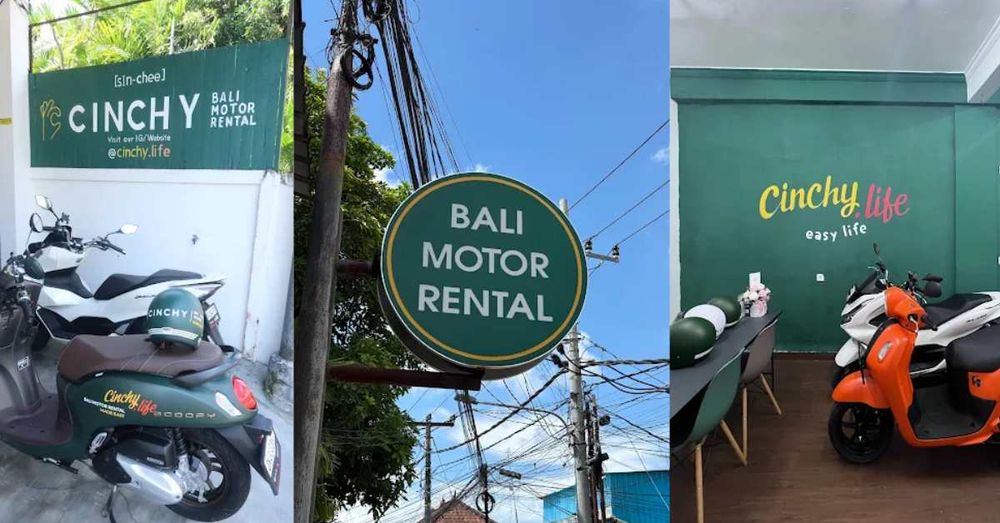
Exploring Bali is more comfortable when your scooter is properly maintained.
Cinchy provides regularly serviced scooters to help support a smooth and convenient riding experience throughout your trip.
You can choose between Compact options, such as the Honda Scoopy, Yamaha Fazzio, and Honda Vario, or Comfort options, including the Yamaha NMAX and Honda PCX.
Cinchy also offers convenient online booking, scooter delivery to selected areas in Bali, and 24/7 customer support if you need assistance during your rental.
👉 Rent a scooter in Cinchy now, book early and save 5% with code EARLY5!
If you're still uncertain about your next steps, don't worry, as we're here to address all your queries and concerns.
A scooter may vibrate during acceleration because of worn CVT components, clutch problems, engine misfires, or damaged engine mounts. A mechanic should inspect the transmission and engine to identify the exact cause.
Yes. Incorrect tire pressure can affect stability, handling, and tire contact with the road. Check the pressure regularly and follow the manufacturer's recommended specifications.
Mild vibration may be normal, but excessive or sudden shaking can indicate a mechanical problem. If the vibration affects steering, stability, or braking, stop riding and arrange an inspection.
Vibration while idling may be caused by worn spark plugs, dirty air filters, inconsistent combustion, incorrect idle speed, or damaged engine mounts.
The cost depends on the cause. Simple maintenance, such as replacing a spark plug, may cost less than repairing transmission components, wheel bearings, or suspension parts. Ask a mechanic to diagnose the issue and provide an estimate before authorizing repairs.
 travel tips
 hidden gems
 scooter guides
 riding tips
 bali guides
 cultural insight