1


Stay in Touch
Get the latest updates, special offers, and exclusive Cinchy perks straight to your inbox.


Jl. Plawa No.50, Seminyak, Kec. Kuta, Kabupaten Badung, Bali 80361

CALL US 24/7
(+62-851-7424-6249)
Copied!

We’re Here
Everyday
8:30 AM-9 PM WITA


Payment Partners


© 2026 CINCHY. ALL RIGHTS RESERVED.
Cinchy Blog / How to Protect Motorcycle Seat from Sun in Bali
Published: 17 Oct 2026

By Syahrial Maulana Sudarto
Travel Enthusiast
Quick Answer
“How can you protect a scooter seat from the sun in Bali?”
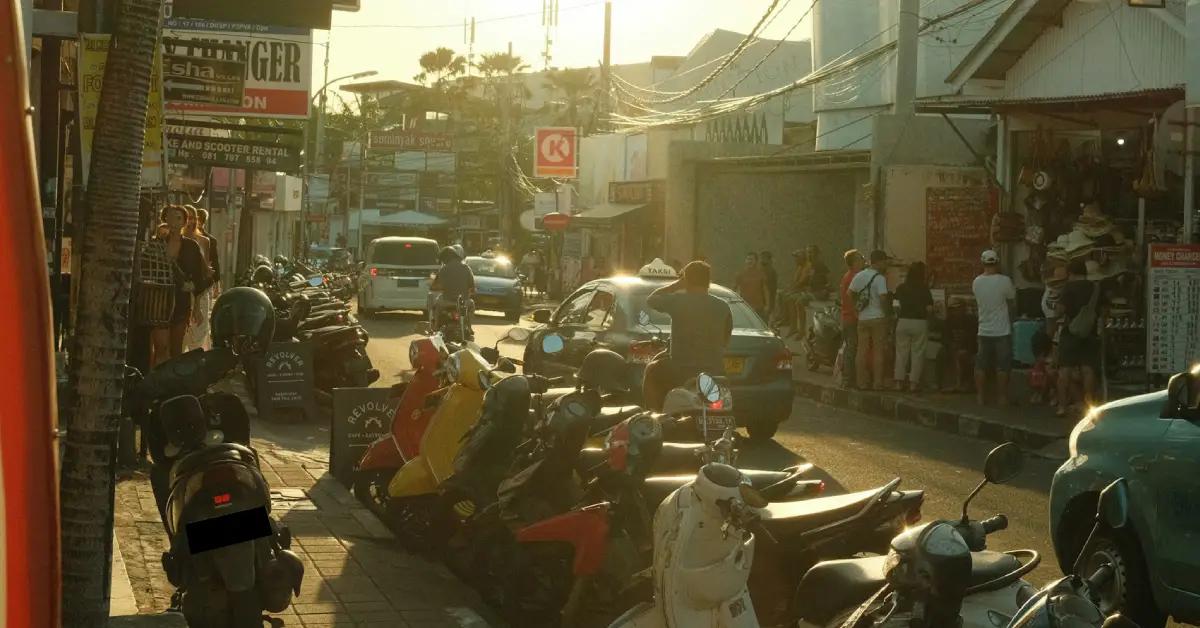
The best way to protect a scooter seat from the sun in Bali is to park in a covered area whenever possible, use a suitable seat cover, and maintain the seat with products designed for its material. Local parking attendants often place cardboard or repurposed banners over exposed seats, which can help reduce direct sunlight. For longer parking periods, covered parking offers better protection.
Key Takeaways:
Scooter seats are designed for regular use, but prolonged exposure to sunlight, heat, and changing weather conditions can gradually affect their appearance and durability.
Many scooter seats use vinyl or synthetic leather rather than genuine leather.
These materials are practical for everyday riding, but their protective surfaces can deteriorate over time when exposed to UV radiation, heat, dirt, and general wear.
Ultraviolet (UV) radiation can contribute to the breakdown of certain materials and surface coatings. Over time, a seat may lose its original color, become less flexible, or develop cracks.
Once the outer layer becomes damaged, the underlying material may be more vulnerable to moisture and further deterioration. Regularly inspecting the seat can help you identify early signs of wear before the damage becomes more extensive.
A scooter parked under direct sunlight can develop a hot seating surface, especially when the seat is dark-colored. This is different from long-term UV damage, although both can occur together.
A shaded parking space or a suitable cover can reduce direct solar exposure. However, the actual surface temperature depends on factors such as sunlight intensity, material, color, and airflow.
In Bali, you may leave your scooter outdoors while visiting beaches, restaurants, temples, or other attractions. Strong sunshine can expose the seat to prolonged heat, while sudden rain can introduce moisture.
This combination makes practical parking habits important. Protecting the seat is not only about blocking sunlight but also about preventing moisture from becoming trapped beneath a cover.
Here are several ways to protect your scooter seat from the sun in Bali:
The simplest way to reduce sun damage is to keep your scooter out of direct sunlight.
Look for covered parking at your accommodation, shopping centers, restaurants, or other destinations where it is available.
A roofed parking space can reduce direct solar exposure more consistently than relying on a small seat cover. It can also help protect other exposed scooter components.
When choosing a parking spot, follow the attendant's instructions and park only in designated areas. If covered parking is unavailable, use the following methods to provide additional protection.
In many parts of Bali, parking attendants are accustomed to placing pieces of cardboard or repurposed advertising banners over scooter seats exposed to the sun.
These simple materials can provide a useful layer of shade by blocking direct sunlight from reaching the seat. They are especially practical when you are stopping briefly and do not have your own cover.
However, cardboard can absorb water and become soggy when it rains. Repurposed banners may also vary in durability and fit, so treat both options as temporary protection rather than a substitute for proper covered parking or a purpose-made UV-resistant cover.
Before riding away, remove the material completely and check that nothing remains on the seat or interferes with the scooter's controls.
If you frequently park outdoors, consider carrying a dedicated scooter seat cover. Choose one designed to reduce UV exposure and sized appropriately for your scooter.
A well-fitted cover is easier to secure and less likely to shift in the wind. Depending on its design, it may also help protect the seat from dust and light rain.
Check the manufacturer's specifications before buying. A waterproof cover is not necessarily UV-resistant, and a material that blocks sunlight may still trap moisture if it does not allow adequate ventilation.
A seat cover protects the seating area, while a full scooter cover can shield a larger portion of the vehicle from sunlight, dust, and weather exposure.
This option can be useful when leaving a scooter outdoors for several hours or overnight. Choose a cover designed for outdoor use, with appropriate UV resistance, secure fastening, and a suitable fit.
Before covering the scooter, follow the cover manufacturer's instructions and allow hot components to cool as required. Make sure the seat is dry and avoid trapping moisture underneath the cover.
Some seat-care products are designed to help maintain vinyl, synthetic leather, or genuine leather surfaces. Depending on the formulation, they may help condition compatible materials or provide additional surface protection.
Always check whether the product is suitable for your particular seat material. Genuine leather, synthetic leather, and other upholstery materials can require different care products.
Avoid applying tire dressing, greasy polish, or any product that can leave the seating surface slippery. Follow the manufacturer's directions, remove excess residue, and let the surface dry as instructed before riding.
A protectant should complement good parking habits rather than replace a physical cover.
Dust, dirt, and other contaminants can accumulate on a scooter seat during everyday use. Cleaning the surface regularly helps maintain its appearance and makes it easier to spot early signs of damage.
Use a soft cloth and a cleaner recommended for the seat material. Avoid harsh solvents, abrasive brushes, and household chemicals that may damage the finish.
After cleaning, remove any remaining moisture and allow the seat to dry fully. If the manufacturer recommends a specific conditioner or protectant, apply it according to the product instructions.
Make a habit of checking the seat for fading, stiffness, peeling, or small cracks. Pay particular attention to areas that experience frequent friction or where the material has begun to separate.
Early wear may be manageable with appropriate cleaning and material-specific care. However, a cracked or torn outer layer may require professional repair or replacement.
Do not assume that applying a protectant will restore material that has already split. Addressing damage early can help prevent further deterioration and maintain riding comfort.
Read Also:
Want to Rent Yamaha Fazzio in Bali? Here's How to Open Fazzio Seat!
How to Open Yamaha NMAX Seat When You’re Renting an NMAX in Bali
How to Open Honda PCX Seat During Rent This Scooter in Bali
How to Prevent Motorcycle Seat Scratch by Cat
Outdoor parking is common when exploring Bali, and a covered space may not always be available. A few simple habits can help you protect your scooter seat while keeping your travel plans convenient.
First, check whether there is a designated covered parking area nearby. If there is not, follow the parking attendant's guidance and use a suitable seat cover or temporary shade if available.
The cardboard or repurposed banners commonly used by parking attendants can be helpful for short stops. For longer outings, carrying a purpose-made seat cover offers a more dependable option because it can be selected for fit and weather resistance.
When returning to your scooter, remove any temporary covering before riding. If the seat feels hot, give it time to cool naturally rather than pouring cold water over it, which may cause unnecessary thermal stress to some components and create additional moisture.
Rain protection matters too. A cover that prevents water from reaching the seat may still trap moisture underneath if the seat or cover is wet when installed.
After rain, wipe the seat with a clean cloth and let it dry before covering the scooter. If you use a full cover, follow its ventilation and storage instructions.
These habits help reduce prolonged moisture exposure while maintaining the seat's condition in Bali's changing weather.
If your seat has faded, start by cleaning it with a product suitable for its material. A compatible protectant may help maintain the surface, but it cannot reliably reverse UV damage that has already occurred.
For small cosmetic issues, consult the seat manufacturer or a qualified upholstery specialist about suitable restoration options. Avoid aggressive sanding, unapproved solvents, or treatments that could weaken the material.
If the seat has deep cracks, tears, exposed padding, or water entering through damaged seams, arrange a suitable repair or replacement. A damaged seat can become increasingly uncomfortable and may deteriorate further if left exposed to sunlight and rain.
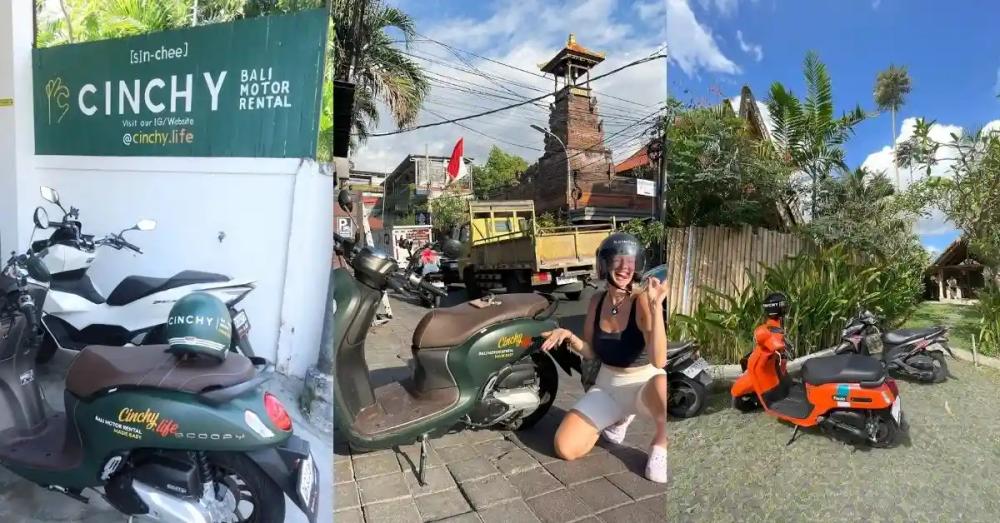
Cinchy makes exploring Bali by scooter more convenient with a simple online booking process, regularly serviced scooters, and customer support available 24/7.
You can check real-time availability on the website before choosing your rental dates, helping you plan ahead during both peak and low seasons.
Choose Compact scooters, including the Honda Scoopy, Yamaha Fazzio, and Honda Vario, starting at IDR 95,000 per day.
For a larger ride, the Comfort category includes the Yamaha NMAX and Honda PCX, starting at IDR 155,000 per day, with lower daily rates for weekly and monthly rentals.
Cinchy also offers delivery and pickup in selected areas, including free service in Seminyak, Kuta, Legian, and Bali Airport.
Your rental includes essential items such as a helmet, hair net, phone holder, and raincoat.
Reserve your scooter through Cinchy's website, select your dates, and check real-time availability before confirming your booking.
👉 Rent a scooter in Cinchy now, book early and save 5% with code EARLY5!
If you're still uncertain about your next steps, don't worry, as we're here to address all your queries and concerns.
Yes. Prolonged UV exposure and environmental wear can contribute to fading, loss of flexibility, and cracking. The extent of damage depends on the seat material, its condition, and how it is maintained.
Cardboard can provide temporary shade by blocking direct sunlight. However, it is not designed for long-term outdoor use and can absorb rain, so a purpose-made cover or covered parking is preferable for longer periods.
Not necessarily. Waterproofing and UV resistance are different properties. Check the product specifications to confirm that a cover is designed to protect against UV exposure.
Only if the product is explicitly suitable for your seat material and the seating surface. Avoid products that leave a slippery residue, and follow the manufacturer's instructions.
Park in a shaded or covered area whenever possible. If that is unavailable, use a suitable cover to reduce direct sunlight. Allow the seat to cool naturally before riding if it becomes uncomfortably hot.
Not every small crack requires immediate replacement, but deep cracks, tears, and exposed padding should be assessed promptly. A qualified repair specialist can advise whether the seat can be repaired or needs replacing.
 travel tips
 hidden gems
 scooter guides
 riding tips
 bali guides
 cultural insight