1


Stay in Touch
Get the latest updates, special offers, and exclusive Cinchy perks straight to your inbox.


Jl. Plawa No.50, Seminyak, Kec. Kuta, Kabupaten Badung, Bali 80361

CALL US 24/7
(+62-851-7424-6249)
Copied!

We’re Here
Everyday
8:30 AM-9 PM WITA




Payment Partners


© 2026 CINCHY. ALL RIGHTS RESERVED.
Cinchy Blog / Front Brake or Rear Brake on a Motorcycle, Which One Should I Use?
Published: 26 Nov 2026

By Syahrial Maulana Sudarto
Travel Enthusiast

Quick Answer
“Should you use the front brake or rear brake on a motorcycle?”
You should generally use both the front and rear brakes when slowing down or stopping a scooter. The front brake provides most of the stopping power, while the rear brake helps control deceleration. Applying both brakes smoothly and progressively improves stability and reduces the risk of wheel lock-up, especially on wet or slippery roads.
Key Takeaways:
The front and rear brakes have different functions, but both are essential for controlling a scooter's speed and bringing it to a safe stop.
Understanding how each brake works helps you develop better motorcycle braking techniques and avoid common mistakes, especially if you are a beginner.
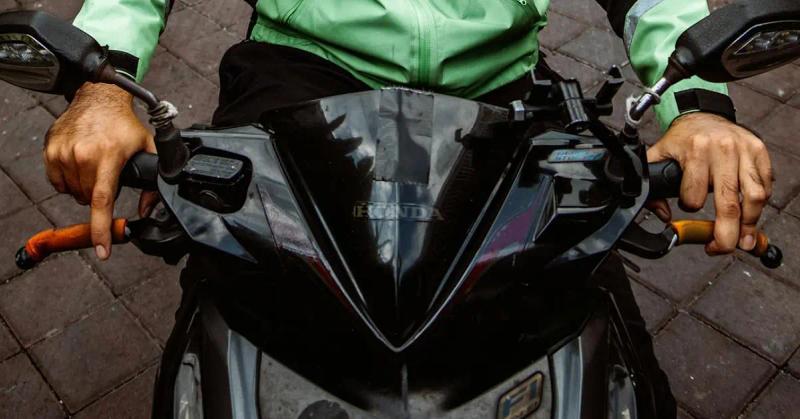
The front brake controls the braking force applied to the front wheel. On most scooters, you operate it using the lever on the right side of the handlebar.
The front brake generally provides around 70% or more of a motorcycle's stopping power under many braking conditions. This happens because braking transfers weight toward the front wheel, increasing its available traction.
However, the actual braking contribution depends on the scooter's design, weight distribution, tire grip, and road conditions.
Although powerful, the front brake must be applied progressively. Pulling the lever too abruptly can cause the front wheel to lose traction, particularly on slippery surfaces.
The rear brake applies braking force to the rear wheel. On most automatic scooters, it is controlled using the lever on the left side of the handlebar.
Its primary function is to complement the front brake, helping you slow down smoothly and maintain control.
The rear brake is particularly useful when maneuvering at low speeds, such as entering a parking area or moving through slow traffic.
However, applying excessive pressure can lock the rear wheel and cause it to skid. Therefore, it should be used smoothly rather than squeezed abruptly.
The front brake generally provides more stopping power than the rear brake because the vehicle's weight shifts forward during deceleration.
As the front wheel receives more vertical load, it can typically generate greater braking force. Meanwhile, the rear wheel becomes lighter and may lose traction more easily during hard braking.
This is why relying only on the rear brake is generally less effective when you need to stop quickly.
Yes. Using both brakes together is generally the recommended technique for normal stopping and emergency braking.
The front brake provides most of the stopping force, while the rear brake complements it. Coordinating both controls allows you to slow down more effectively without relying excessively on either wheel.
However, proper motorcycle braking requires smooth and progressive pressure rather than suddenly grabbing the front brake or pressing the rear brake too hard.
Follow these basic steps when slowing down or stopping:
Avoid sudden steering movements while braking, especially when traveling on slippery surfaces.
Although both brakes should generally be used together, certain riding situations require adjustments to your braking technique.
When approaching traffic lights, intersections, or vehicles slowing down ahead, use both brakes progressively.
For example, riding through busy areas such as Canggu and Seminyak often involves frequent stopping and starting.
Anticipate traffic movements, release the throttle early, and maintain enough distance from the vehicle in front. This gives you more time to slow down without sudden braking.
Emergency braking is necessary when something unexpected happens, such as a vehicle suddenly stopping in front of you.
In this situation:
If your scooter has ABS, the system helps prevent wheel lock-up by automatically adjusting braking pressure. However, ABS cannot eliminate every risk of skidding or guarantee a short stopping distance on slippery roads.
The rear brake can be particularly helpful when controlling your scooter at low speeds.
For example, when navigating a narrow parking area or moving slowly through congested traffic, applying gentle rear brake pressure can help regulate your speed.
However, this does not mean the front brake should never be used at low speeds. Both brakes remain useful, provided you apply them smoothly and according to the situation.
Bali has several routes with steep descents, particularly around Bedugul, Munduk, and Kintamani.
When riding downhill, gravity naturally increases your scooter's speed. Therefore, controlling your speed before reaching a steep descent is important.
Follow these tips:
Motorcycles with manual transmissions can also use engine braking to help control speed on downhill roads. However, automatic scooters have different transmission systems, so do not attempt manual downshifting techniques that your scooter does not support.
Rain can significantly change road conditions in Bali, especially during the rainy season.
Wet asphalt, road markings, metal covers, loose sand, and gravel can reduce tire traction, like aquaplanning.
For safer braking:
Be particularly careful around Canggu, Seminyak, and Kuta, where busy roads may contain sand, road debris, and wet surfaces.
Never assume that using only the rear brake is safer in the rain. Both brakes are important, but you must adjust the pressure to the available tire grip.
Braking while turning requires extra attention because your tires are already using traction to maintain the scooter's direction.
Ideally, reduce your speed before entering a corner rather than braking aggressively while leaning.
If you need to slow down during a turn, apply the brakes gently and progressively. Avoid sudden braking or steering movements that could cause the tires to lose grip.
This is particularly important when navigating winding roads around Ubud, Bedugul, and other hilly areas in Bali.
Please check these out to know the best way to brake in a scooter when riding in Bali: Best Way to Brake a Motorcycle [Bali Riding Tips].
Using only one brake can reduce your ability to stop effectively, particularly when you need to slow down quickly.
Here is what can happen with each approach.
The front brake can provide substantial stopping power, but relying on it exclusively has disadvantages.
Applying it too abruptly may cause the front wheel to lose traction. During hard braking, the rear wheel also becomes lighter, potentially increasing the risk of instability.
Using only the rear brake generally provides less stopping power because the rear wheel carries less weight during deceleration.
Applying excessive pressure can also lock the rear wheel, causing it to skid.
Therefore, neither brake should be treated as a complete replacement for the other. Using both correctly is generally the more effective approach.
Not all scooters use identical braking technology. Understanding the differences can help you become more familiar with your vehicle.
ABS helps prevent the wheels from locking during hard braking by automatically adjusting brake pressure.
This technology can help maintain steering control during emergency braking, although it does not eliminate every risk associated with slippery surfaces.
CBS connects the front and rear braking systems. Depending on the design, operating one brake control can activate braking force on both wheels.
This helps distribute braking force without requiring the rider to control each wheel entirely independently.
A conventional braking system operates the front and rear brakes separately, without ABS intervention or a linked braking mechanism.
The rider must coordinate both controls according to the riding situation.
Remember that braking features vary depending on scooter model, production year, and variant. Always check the specifications of your particular scooter.
Even experienced riders can develop habits that reduce braking effectiveness.
Here are some common mistakes to avoid:
Developing smooth braking habits and maintaining your scooter properly are essential for safer riding.
Read also:
Scooter Brake Not Working? Causes and How to Fix It
How To Handle Motorcycle Brake Failure in Bali?
Why Is Your Scooter Brake Making Noise? Top Causes & How to Fix It
How to Use Engine Brake in Automatic Motorcycle for Bali Riding
Before starting your journey, take a few moments to familiarize yourself with your scooter's braking system.
This is particularly important when renting a scooter in Bali and riding an unfamiliar model.
Follow this simple checklist:
If either brake feels unusual or does not respond properly, do not continue riding. Contact your rental provider and request assistance.
The best approach is to use both the front and rear brakes when slowing down or stopping your scooter.
The front brake generally provides more stopping power, while the rear brake helps complement braking and maintain control.
Apply both brakes smoothly, anticipate road conditions, and avoid sudden movements. Whether you are riding through busy streets in Seminyak or navigating downhill roads in Kintamani, developing proper braking habits is essential for a safer journey.
Exploring Bali is easier when you have a reliable scooter that suits your travel plans.
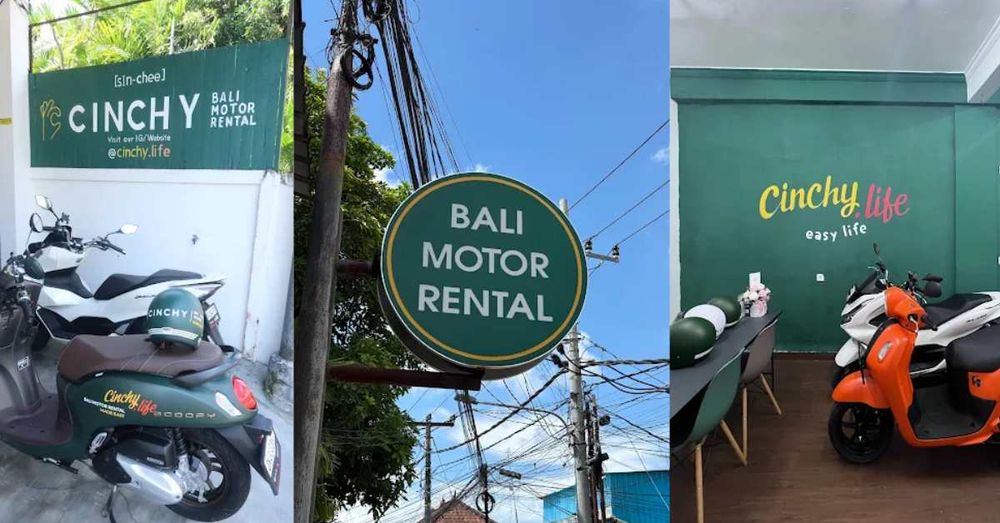
Cinchy offers well-maintained scooters that are regularly serviced, giving you a more convenient way to explore the island.
You can check real-time scooter availability through the Cinchy website, making it easier to find an available unit during both peak and low seasons.
With flexible daily, weekly, and monthly rental packages, you can choose a scooter that matches your budget and itinerary.
Cinchy also provides 24/7 customer support and convenient delivery services to selected locations, including Bali Airport, Seminyak, Kuta, and Legian.
👉 Rent a scooter in Cinchy now, book early and save 5% with code EARLY5!
If you're still uncertain about your next steps, don't worry, as we're here to address all your queries and concerns.
You should generally use both brakes together when slowing down or stopping. The front brake provides most of the stopping power, while the rear brake helps maintain controlled deceleration.
Yes. The front brake generally provides more stopping power because braking transfers weight toward the front wheel, increasing its available traction.
You can slow down using only the rear brake, but it generally provides less stopping power. For effective braking, using both brakes together is recommended.
No. The front brake is essential for effective stopping. However, applying it too abruptly can cause the front wheel to lose traction, particularly on slippery roads.
Yes. Both brakes should still be used, but apply pressure gently and progressively. Reduce your speed and maintain a greater following distance on wet roads.
 travel tips
 hidden gems
 scooter guides
 riding tips
 bali guides
 cultural insight