1


Stay in Touch
Get the latest updates, special offers, and exclusive Cinchy perks straight to your inbox.


Jl. Plawa No.50, Seminyak, Kec. Kuta, Kabupaten Badung, Bali 80361

CALL US 24/7
(+62-851-7424-6249)
Copied!

We’re Here
Everyday
8:30 AM-9 PM WITA




Payment Partners


© 2026 CINCHY. ALL RIGHTS RESERVED.
Cinchy Blog / How to Use Engine Brake in Automatic Motorcycle for Bali Roads [Guide]
Published: 30 May 2026

By Syahrial Maulana Sudarto
Travel Enthusiast
Free Cancellation
24/7 Support
Insurance
Start Date - End Date
Start Time
End Time
Duration
0 Day(s)
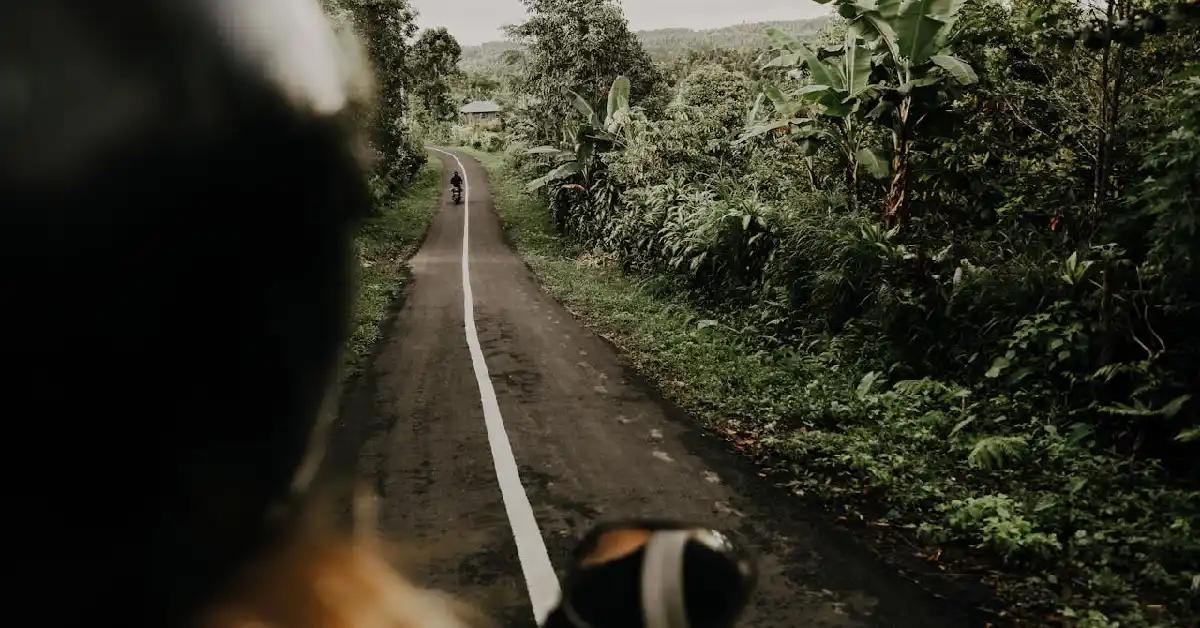
Riding an automatic motorcycle in Bali can be one of the best ways to explore the island.
From the winding roads of Ubud to the steep mountain descents in Kintamani and Bedugul, scooters give travelers the freedom to reach places that cars often cannot access easily.
However, many riders, especially tourists who are new to scooters, do not fully understand how to use the engine brake in automatic motorcycle riding situations.
This is important because Bali’s roads are not always flat or predictable. Long downhill routes, sharp corners, wet roads during the rainy season, and sudden traffic conditions can become dangerous if riders rely only on their brakes.
Learning how to use engine braking properly can help reduce brake overheating, improve control, and make downhill scooter riding much safer. In this guide, we will explain how engine braking works on automatic scooters, when to use it, and why it is especially important for Bali roads.
Engine braking is a riding technique that slows down a motorcycle by using the resistance of the engine instead of relying entirely on the brakes.
On an automatic motorcycle or scooter with a CVT (Continuously Variable Transmission), engine braking happens naturally when you release the throttle.
As the engine speed decreases, the scooter gradually slows down without requiring constant brake pressure.
Many people assume engine braking only exists on manual motorcycles, but automatic scooters also have engine braking capabilities, although the effect is generally softer compared to manual bikes.
For riders in Bali, understanding scooter engine braking is extremely useful, especially when traveling on steep downhill roads or mountain routes.
When you twist the throttle, the engine sends power to the rear wheel through the CVT system.
Once you release the throttle, the engine begins resisting the wheel’s rotation, creating a slowing effect.
This resistance helps reduce speed naturally.
On automatic scooters, engine braking is usually more noticeable when:
Because CVT scooters behave differently from manual motorcycles, engine braking may feel lighter.
However, it still plays a major role in downhill scooter riding and overall motorcycle safety.
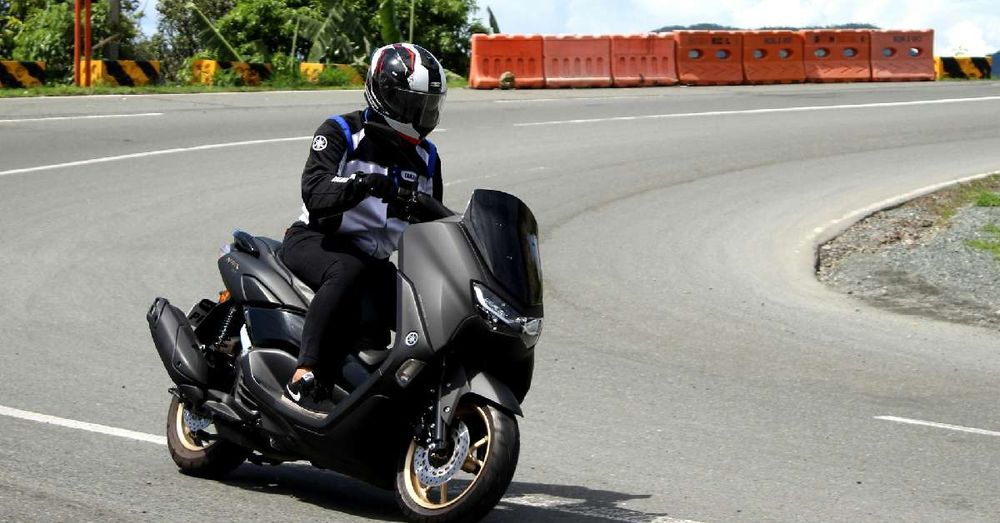
Using engine braking correctly is simple, but many beginner riders do it improperly. Here are the safest ways to use the engine brake on an automatic scooter.
The most basic step is simply letting go of the throttle gradually.
Avoid suddenly accelerating and immediately releasing the gas aggressively. Smooth throttle control allows the engine braking effect to work more naturally and keeps the scooter stable.
This technique is especially useful on Bali mountain roads where sudden braking can reduce traction, particularly during rainy weather.
Engine braking should work together with your front and rear brakes, not replace them completely.
Many beginner riders make the mistake of holding the brakes continuously during long downhill rides. This can cause brake fade, which happens when the brakes overheat and lose stopping power.
By combining engine braking with gradual braking, you reduce stress on the brake system and maintain better control of the scooter.
One of the best downhill riding techniques is reducing speed before entering steep descents.
If you enter a downhill road too fast, you may panic and overuse the brakes. Instead:
This is particularly important in places like Kintamani or Bedugul, where downhill roads can be long and winding.
Even while using engine braking, proper brake balance is still important.
Many scooter riders only use the rear brake because it feels safer. However, relying solely on the rear brake can reduce stopping performance and increase skidding risks on wet roads.
The safest method is:
Smooth inputs are the key to safe scooter riding in Bali.
Bali roads often include narrow village streets, sharp downhill turns, and uneven surfaces. Riders who panic usually squeeze the brakes too hard, which can lead to loss of control.
Instead:
This technique helps improve overall balance and riding confidence.
Read Also:
Honda Vario Fuel Consumption for Bali Trips
Honda PCX Average Fuel Consumption on Bali's Road
Fuel Consumption of Yamaha Fazzio: Real Test for Your Bali's Adventure
Honda Scoopy Fuel Consumption in Bali Rides
Yamaha NMAX Fuel Consumption for Bali Adventures
Many tourists only ride scooters while visiting Bali. Unlike local riders who are already familiar with mountain roads and scooter handling, visitors may underestimate how challenging Bali roads can be.
Learning how to slow down an automatic motorcycle downhill is important because:
For beginner riders, engine braking adds an extra layer of control and safety.
This is why many experienced Bali scooter riders use engine braking regularly, especially outside crowded urban areas.
To explore every’s beauty spots in Bali with your scooter, don’t forget to check this out: Sunday Morning Ride in Bali: Best Scenic Routes, Stops & Riding Tips.
No, normal engine braking does not damage automatic motorcycles.
In fact, engine braking is a standard riding technique recommended for safer speed control. Modern scooters are designed to handle engine resistance during deceleration.
However, aggressive riding habits such as:
can contribute to unnecessary wear over time.
As long as you ride smoothly and maintain the scooter properly, engine braking is completely safe.
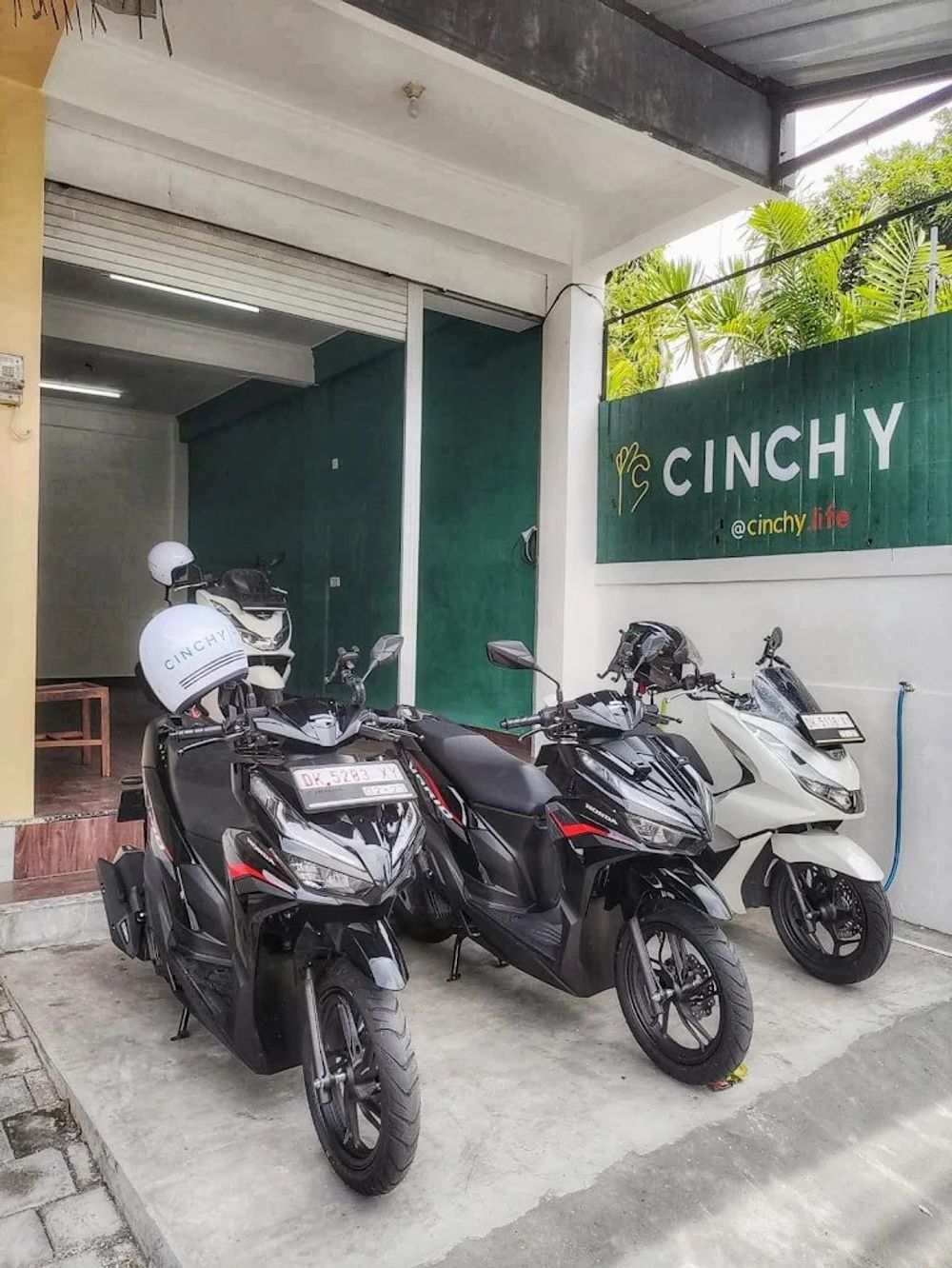
Planning to explore Bali’s mountain roads, coastal routes, and scenic routes by scooter?
Choosing a reliable rental service is just as important as learning proper riding techniques like engine braking.
Cinchy offers well-maintained scooters that are regularly serviced for comfort and safety, making them ideal for both short city rides and longer trips around Bali.
The rental process is also simple and traveler-friendly, with 24/7 customer support and convenient delivery services available in Bali airport, Seminyak, and nearby areas.
Here are some reasons why many travelers choose Cinchy for scooter rental in Bali:
Whether you are riding through Kintamani’s downhill roads or exploring Bali’s hidden beaches, using a properly maintained scooter can make your trip safer and more comfortable.
Ready to ride around Bali with confidence?
👉 Rent a scooter in Cinchy now, book early and save 5% with code EARLY5!
 travel tips
 hidden gems
 scooter guides
 riding tips
 bali guides
 cultural insight