1


Stay in Touch
Get the latest updates, special offers, and exclusive Cinchy perks straight to your inbox.


Jl. Plawa No.50, Seminyak, Kec. Kuta, Kabupaten Badung, Bali 80361

CALL US 24/7
(+62-851-7424-6249)
Copied!

We’ll be Back
at
8:30 AM-9 PM WITA




Payment Partners


© 2026 CINCHY. ALL RIGHTS RESERVED.
Cinchy Blog / Visor Upgrade 101: When a New Helmet Visor Is Worth the Extra IDR 30K
Published: 21 Sep 2026

By Ulfah Alifah
Travel Enthusiast
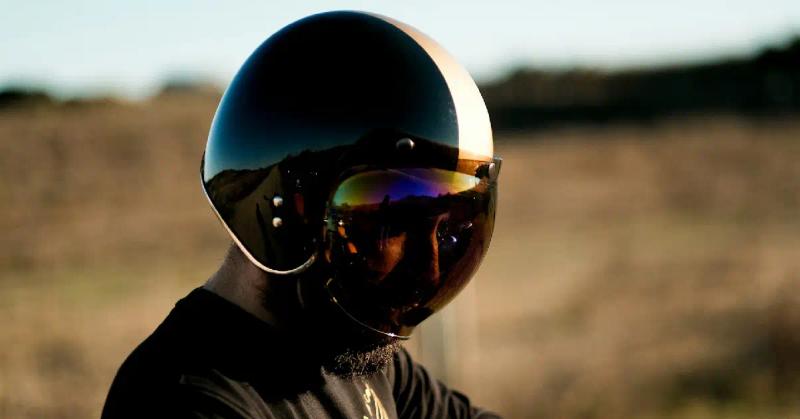
Quick Answer
“Visor Upgrade 101: Is the Extra IDR 30K Worth It?”
Cinchy's "New Helmet Visor" add-on costs IDR 30,000 and gives you a fresh visor for the standard included helmet, without upgrading the entire helmet shell. It is worth paying for when your riding plans involve changing light conditions, such as daytime sun, sudden rain, evening rides, or early morning starts, since a clear, scratch-free visor genuinely improves how well you can see the road.
Free Cancellation
24/7 Support
Insurance
Start Date - End Date
Start Time
End Time
Duration
0 Day(s)
Key Takeaways:
Cinchy's standard scooter rental already includes a helmet, a hairnet, a phone holder, and a raincoat at no extra cost. The New Helmet Visor add-on is a separate, optional upgrade priced at IDR 30,000 that gives you a fresh visor fitted to that same standard helmet, rather than replacing the whole shell.
This is a distinct option from the "Brand New Helmet - Be the First to Use" add-on, which costs IDR 100,000 and provides an entirely unused helmet, visor included. Cinchy's guide on the brand-new helmet option covers that broader upgrade in detail, but the two add-ons solve different problems. If your main concern is scratches, fogging, or general wear on the visor specifically, the IDR 30,000 option addresses exactly that at a fraction of the cost of a full helmet swap.
A visor is not just a stylistic feature. It functions as a physical barrier between your eyes and the road environment, and its absence has a real, measurable effect on how safely and comfortably you can ride.
Without a visor, your eyes are directly exposed to wind, dust, insects, and airborne particles. At the speeds a scooter reaches on open roads, ordinary airflow becomes uncomfortable and can genuinely affect your vision, since wind can make your eyes water involuntarily. A visor keeps this barrier in place while still letting you see clearly, which sunglasses alone cannot always replicate, particularly at night or in the rain.
If you're still uncertain about your next steps, don't worry, as we're here to address all your queries and concerns.
The New Helmet Visor add-on costs IDR 30,000. It gives you a fresh visor fitted to the standard included helmet, without upgrading the entire helmet shell.
For most riders, a clear visor is the better all-round choice, since it works well during daytime, rain, cloudy weather, evening, and night riding. A tinted visor is more specialized for bright daytime conditions and should be avoided at night.
A visor improves eye and face protection and visual comfort, but it does not replace the helmet's core head protection. Both the standard helmet and the upgraded visor version remain SNI-certified, meaning the legal safety standard is the same either way.
Consider the upgrade if the included visor is visibly scratched, especially near your line of sight, if it fogs frequently and affects visibility, or if your itinerary includes evening rides, early mornings, or unpredictable weather where a fresh, clear visor adds real value.
The New Helmet Visor add-on, at IDR 30,000, replaces only the visor on the standard included helmet. The Brand New Helmet add-on, at IDR 100,000, provides an entirely unused helmet with its own visor included.
Rain is one of the clearest reasons riders come to appreciate a visor in Bali. A clear visor keeps raindrops from hitting your eyes directly during a ride, though rain still reduces overall visibility, so slowing down remains necessary regardless of visor quality. Cinchy's guide on riding through Bali's rain season explains how sudden tropical showers can appear with little warning, which makes a reliable visor especially useful during the wetter months.
Bali's roads also expose riders to insects, dust, and leaves, especially outside busy urban centers. A visor adds a layer between these hazards and your eyes, which becomes noticeable on longer rides between destinations rather than short trips around your accommodation.
Not every renter needs this upgrade, but several specific situations make it a clearly good investment.
If your itinerary includes early morning starts, evening rides, or unpredictable weather, a clear, scratch-free visor is the most versatile option available, since it performs well across daytime, cloudy conditions, rain, and nighttime riding without a visibility trade-off. If you are planning trips outside the main tourist strip, such as longer rides toward Ubud or coastal routes with more open road and higher speeds, the wind, dust, and insect protection becomes more valuable than on short in-town errands.
If you know you are sensitive to glare, a scratched or aged visor on a used helmet can create genuine distraction at night, since imperfections scatter light from oncoming headlights directly into your line of sight. Replacing a compromised visor is a real safety improvement in that specific situation, not just an aesthetic one.
If you are renting for a longer stay, whether a week or a month, a fresh visor may hold up better over the full duration compared to one that has already accumulated scratches or reduced clarity from prior use. Cinchy's guide on daily, weekly, and monthly rentals is worth reviewing if you are weighing which add-ons matter most for a longer trip.
For some renters, the standard included helmet and visor are perfectly adequate, and the extra IDR 30,000 is not a necessary expense.
If your trip involves only short daytime rides in clear weather, close to your accommodation, and you are comfortable riding with sunglasses as backup eye protection, the practical difference a fresh visor makes may be minimal. If you inspect the included helmet at pickup and the existing visor is clear, free of significant scratches, and not fogging, there is little functional reason to pay for a replacement simply for the sake of freshness.
Budget-conscious travelers might also find better value putting that IDR 30,000 toward a more impactful choice, such as upgrading your insurance tier. Cinchy's insurance comparison guide explains how Basic, Full, and VIP coverage differ, and for many renters, the financial protection from a higher insurance tier delivers more practical value than a fresh visor alone.
If you do decide to upgrade, or simply want to understand your existing helmet's visor better, knowing which type suits which condition matters as much as the upgrade itself.
A clear visor is the best all-round choice for most Bali scooter riders. It works during daytime, rain, cloudy weather, evening, and nighttime riding without compromising visibility in any of those conditions. This is particularly relevant in Bali, where a single scooter trip can involve bright sunlight, sudden rain, dusty roads, and changing light within the same hour.
A light-tinted visor can reduce glare during bright daytime riding, especially around midday under strong Bali sunshine, but it becomes less practical once light levels drop. A dark or heavily tinted visor should be avoided at night entirely, since low-light riding already requires maximum available visibility, and a tinted shield reduces contrast further, making it harder to see road details, pedestrians, and other vehicles. Clear shields are specifically recommended for night riding because tinted shields reduce contrast in low light.
A photochromic visor, which adjusts its tint based on surrounding light, is a useful premium option for riders who want flexibility without switching visors, though it is not a necessity for a short Bali vacation. For most tourists using a single visor for their entire trip, a clear visor offers the greatest practical flexibility across changing conditions.
Even a good visor can develop practical problems during a trip, and understanding these two issues helps you decide whether an upgrade solves your specific frustration.
Fogging happens when moisture condenses on the inside of the visor, and it is a common issue in Bali's humid climate, where relative humidity generally ranges from 70 to 90 percent. Humid weather, rain, cooler mornings, and even your own breath can all contribute to fogging. If fogging becomes a recurring problem, ensure the helmet's ventilation system is working properly, and avoid continuing to ride if fog prevents you from seeing the road clearly. A helmet compatible with an anti-fog insert, such as a Pinlock system, is worth considering if this is a frequent issue for you.
A scratched visor creates a different kind of problem: distracting glare, particularly when oncoming headlights shine directly through the scratched surface at night. This is one of the clearest cases where a fresh visor genuinely improves safety rather than just comfort, since scratches cause dazzle that a rider cannot simply ride through carefully. If your included helmet's visor shows visible scratching, especially near the center of your line of sight, this is exactly the situation the IDR 30,000 add-on is designed to solve.
It is worth being clear about the limits of a visor upgrade, regardless of how good the visor itself is. A visor improves eye and face protection and visual comfort. It is not a substitute for the helmet's primary head protection, which comes from the shell, the impact-absorbing liner, and a properly fastened retention system.
In Indonesia, motorcycle riders and passengers are legally required to wear helmets meeting the applicable SNI standard, specifically SNI 1811:2007 for two-wheeler rider helmets, a requirement reiterated by Korlantas Polri under Article 106(8) of Law No. 22 of 2009. This requirement concerns the helmet itself, not the visor. A brand-new, scratch-free visor on a poorly fitted or damaged helmet does not meet the actual safety standard the law is protecting. Cinchy's helmet size guide covers proper fit testing in detail, which matters more for actual protection than visor condition alone.
Before relying on any visor, whether standard or upgraded, take a few seconds to inspect the full helmet. Check that it fits securely, the retention strap functions correctly, and there is no visible cracking or damage to the shell itself. Cinchy's pre-ride inspection guide walks through this process, and it applies regardless of which visor option you choose.
Once you have a visor you are happy with, whether the included one or the fresh upgrade, a little care keeps it performing well for the rest of your trip. Avoid leaving your helmet exposed to prolonged direct sunlight and heat when parked, since this can contribute to material deterioration over time, affecting both the shell and the visor's clarity.
If you leave your scooter unattended for an extended period, consider whether your helmet, and its visor, are adequately protected. Cinchy's guide on leaving a helmet on a parked scooter explains that helmets left exposed on a seat or mirror face risks beyond theft, including rain exposure and sun damage that can degrade the visor's coating and clarity faster than normal use alone.
If the visor becomes wet during a ride, allow it to dry properly rather than storing it while damp, since prolonged moisture exposure is not ideal for long-term visor clarity.
The visor upgrade is a small decision within a larger set of choices you make when booking a Cinchy scooter. Cinchy's Compact category, including the Honda Scoopy, Yamaha Fazzio, and Honda Vario, starts from IDR 95,000 per day, while the Comfort category, including the Yamaha NMAX and Honda PCX, starts from IDR 155,000 per day. Cinchy's comparison of the Honda Vario and Honda PCX can help you decide between these classes if comfort and stability matter more to you than upfront cost.
Whichever class you choose, the same visor logic applies. A clear, well-maintained visor supports safer, more comfortable riding across changing Bali conditions, whether you are on a nimble Compact scooter weaving through Seminyak traffic or a roomier Comfort model heading toward Ubud.
This booking path is the same whether you choose Ngurah Rai Airport, a Seminyak villa, or another covered spot. The public flow is built to finish in about one minute.
Deciding whether the New Helmet Visor add-on is worth IDR 30,000 comes down to your specific riding plans rather than a fixed rule. Renters facing changing light conditions, longer rides, or visible wear on the included visor generally find the small cost worthwhile. Renters sticking to short, clear-weather daytime trips with a good-condition included visor can reasonably skip it without giving up meaningful protection.
Ready to review scooter types, helmet options, and visor add-ons before your trip? Explore Cinchy scooter rental. When you are ready to lock in your dates, book your scooter online.
 travel tips
 hidden gems
 scooter guides
 riding tips
 bali guides
 cultural insight