1


Stay in Touch
Get the latest updates, special offers, and exclusive Cinchy perks straight to your inbox.


Jl. Plawa No.50, Seminyak, Kec. Kuta, Kabupaten Badung, Bali 80361

CALL US 24/7
(+62-851-7424-6249)
Copied!

We’ll be Back
at
8:30 AM-9 PM WITA




Payment Partners


© 2026 CINCHY. ALL RIGHTS RESERVED.
Cinchy Blog / Things To Do in Kintamani, Bali [Guide 2026]
Published: 13 Jul 2026

By Syahrial Maulana Sudarto
Travel Enthusiast
Quick Answer
If Bali's beaches are famous for sunsets, Kintamani is where people come for sunrise.
Located in the cool highlands of Bangli Regency, Kintamani offers a completely different side of Bali.
Instead of beach clubs and crowded coastal roads, you'll find volcanic landscapes, crisp mountain air, peaceful villages, and panoramic views that feel worlds away from southern Bali.
The region sits within the Batur UNESCO Global Geopark, an internationally recognized volcanic landscape shaped by thousands of years of geological activity.
Today, the area combines natural beauty, Balinese culture, and outdoor adventure, making it one of the island's most rewarding destinations.
Many visitors initially come to hike Mount Batur, but quickly realize there's much more to explore.
You can spend the day soaking in natural hot springs, discovering black lava fields, enjoying locally grown coffee, or simply watching the clouds drift over Lake Batur from a quiet café.
Whether you're planning a day trip from Ubud or looking for a relaxing mountain escape, Kintamani offers experiences you simply won't find anywhere else in Bali.
Kintamani is located in the northeastern part of Bali, approximately 1,500 meters above sea level.
Thanks to its higher elevation, temperatures are noticeably cooler than popular tourist areas like Seminyak, Canggu, or Uluwatu.
Here's roughly how long it takes to reach Kintamani from some of Bali's most popular destinations.
| Departure Area | Estimated Travel Time |
| Ubud | 1–1.5 hours |
| Sanur | 1.5–2 hours |
| Seminyak | 2–2.5 hours |
| Canggu | 2.5–3 hours |
| Uluwatu | 3–3.5 hours |
| Ngurah Rai Airport | Around 2.5 hours |
The roads leading to Kintamani are generally well maintained, although you'll encounter plenty of winding mountain roads as you climb toward the caldera.
Starting your journey early in the morning helps you avoid traffic while enjoying cooler weather.
If you enjoy exploring at your own pace, riding a scooter is one of the easiest ways to reach Kintamani.
It also gives you the freedom to stop at viewpoints, hidden cafés, and local attractions that tour buses often skip.
Kintamani offers far more than just sunrise trekking. Whether you're an adventure seeker, foodie, photographer, or someone who simply enjoys beautiful scenery, there's no shortage of memorable experiences.
Here are the best things to do in Kintamani during your visit:
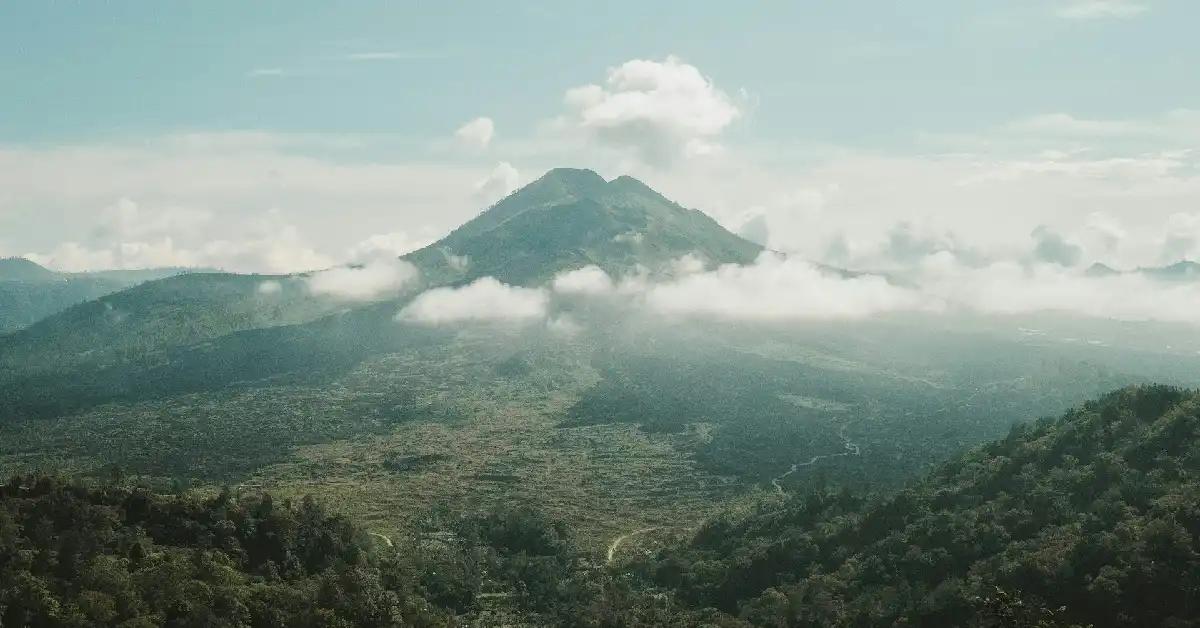
Standing at 1,717 meters above sea level, Mount Batur is one of Bali's most active volcanoes and one of the island's most popular sunrise trekking destinations.
The hike is considered beginner-friendly compared to many volcanic climbs in Indonesia, making it suitable for most travelers with a reasonable level of fitness.
Most tours begin between 2:00 and 3:00 AM, allowing hikers to reach the summit before sunrise.
On clear mornings, you'll be rewarded with breathtaking views of Lake Batur, Mount Agung, and the surrounding volcanic caldera as the first light spreads across the landscape.
Depending on the route and your pace, the trek typically takes around two hours to reach the summit.
It's worth bringing:
Because Mount Batur remains an active volcano and local hiking access is managed by community organizations, visitors are generally expected to hike with an authorized local guide.
This not only helps support the local community but also improves safety, especially during early morning climbs.
Over the past few years, the Mount Batur Jeep Tour has become one of the fastest-growing experiences in Kintamani. Instead of trekking uphill before dawn, you'll ride in a 4WD jeep across the dramatic Black Lava and Black Sand landscape created by previous volcanic eruptions.
The journey itself is part of the adventure. As your jeep climbs across rugged volcanic terrain, you'll reach scenic viewpoints just in time for sunrise, often with fewer physical demands than hiking.
This option is ideal for:
Many jeep tours also include stops at the ancient lava fields, giving visitors a closer look at the unique volcanic landscape that makes Kintamani so different from the rest of Bali.
Lake Batur is the peaceful heart of Kintamani and one of the most beautiful volcanic lakes in Indonesia.
Formed inside the massive Batur Caldera, the lake stretches beneath Mount Batur, creating one of Bali's most recognizable landscapes.
While many visitors only admire it from the viewpoints above, spending time near the lakeshore offers a completely different experience.
The calm atmosphere makes it a great place to slow down after an early morning trek.
You can enjoy breakfast at a lakeside café, watch local fishermen head out onto the water, or simply take in the quiet surroundings while the morning mist slowly disappears.
The lake also plays an important role in local agriculture, supplying water to nearby farming communities throughout Bangli Regency.
For photographers, early morning usually offers the calmest reflections and the softest natural light.
After a chilly sunrise or an early morning hike, soaking in Kintamani's natural hot springs feels incredibly rewarding.
Fed by geothermal activity beneath Mount Batur, these mineral-rich pools stay comfortably warm throughout the year while offering beautiful views of Lake Batur and the surrounding mountains.
Several hot spring resorts are available around Toya Bungkah, each offering slightly different facilities, from infinity pools overlooking the lake to private soaking areas for couples and families.
Many visitors choose to combine a Mount Batur sunrise trek with a visit to the hot springs afterward, making it one of the most popular day itineraries in Kintamani.
Besides being relaxing, warm mineral water is also commonly believed to help ease tired muscles after hiking, although individual experiences naturally vary.
If you're not planning to hike Mount Batur, don't worry—you can still enjoy some of the most spectacular views in Bali.
One of the best places to do that is Penelokan Viewpoint, the area's most famous scenic overlook.
From here, you'll get an uninterrupted view of Mount Batur, Lake Batur, and the vast volcanic caldera, all from the comfort of a roadside viewpoint.
The name Penelokan comes from the Balinese word meaning "place to look," and it's easy to see why.
On a clear day, the combination of the volcano, lake, and surrounding highlands creates one of Bali's most iconic panoramas.
Early morning is generally the best time to visit, as the skies tend to be clearer before clouds begin rolling in during the afternoon.
If you're driving through Kintamani, this viewpoint is an easy stop and one you definitely shouldn't miss.
Kintamani has quietly become one of Bali's favorite café destinations.
Thanks to its cool climate and incredible scenery, dozens of cafés have opened across the highlands over the last few years.
Many feature large glass windows, outdoor terraces, and panoramic views overlooking Mount Batur and Lake Batur, making them perfect places to relax after exploring.
Some of the most popular cafés include:
Paperhills is known for its minimalist architecture, floor-to-ceiling windows, and uninterrupted views of Mount Batur. Whether you're stopping by for breakfast or coffee, it's hard to find a bad seat here.
If you enjoy specialty coffee, AKASA is worth adding to your itinerary. The café serves locally sourced Balinese coffee alongside light meals, with a peaceful atmosphere that's ideal for slowing down and enjoying the mountain scenery.
El Lago has become one of Kintamani's most photographed cafés thanks to its stylish design and spacious outdoor seating area. It's especially popular around sunset when the changing light transforms the surrounding landscape.
One of the pioneers of Kintamani's café scene, Montana Del Café continues to attract visitors looking for great coffee paired with sweeping volcano views. The combination of cool weather and fresh mountain air makes it an enjoyable stop almost any time of day.
While each café has its own atmosphere, they all share one thing in common: incredible scenery that makes lingering a little longer feel completely worthwhile.
The Black Lava field is one of Kintamani's most unique landscapes and offers a fascinating reminder that Mount Batur is still an active volcano.
The area was formed by past eruptions, leaving behind vast fields of solidified lava that now create an almost otherworldly environment. Jagged black rocks stretch across the landscape, contrasting beautifully with the surrounding greenery and the blue waters of Lake Batur.
Many visitors explore the lava field as part of a Mount Batur Jeep Tour, although it's also possible to visit with local guides.
Photographers often describe this as one of the most dramatic locations in Bali, particularly during sunrise or late afternoon when the low-angle sunlight highlights the textures of the volcanic rock.
If you're planning to walk around the lava field, sturdy shoes are highly recommended since the terrain can be uneven.
Not every attraction in Kintamani revolves around nature.
Across Lake Batur lies Trunyan Village, one of Bali's oldest traditional villages and home to the indigenous Bali Aga community, whose customs predate much of modern Balinese Hindu culture.
The village is best known for its distinctive burial tradition. Instead of cremating or burying the deceased, the community places bodies beneath a sacred Taru Menyan tree.
Remarkably, the tree naturally neutralizes odors, which is where the village gets its name.
Because Trunyan is considered a sacred place, visitors should dress respectfully, follow local guidance, and avoid disturbing religious or cultural sites.
Reaching the village usually involves a short boat ride across Lake Batur, adding another memorable experience to your visit.
Absolutely, especially if you're interested in Balinese culture and history.
Although many travelers are familiar with Ulun Danu Beratan Temple in Bedugul, fewer realize that Ulun Danu Batur Temple is one of Bali's most important temples.
Dedicated to Dewi Danu, the goddess of lakes and water, the temple plays a significant role in Bali's traditional irrigation system known as Subak, which has been recognized as a UNESCO World Heritage cultural landscape.
The temple complex features beautiful traditional architecture, peaceful courtyards, and mountain views that make it well worth visiting.
As with all Balinese temples, visitors should wear modest clothing and use a sarong if entering the temple grounds. It's also important to respect any ceremonies taking place during your visit.
If you'd like to understand why Kintamani looks the way it does, the Batur Geopark Museum is an excellent place to start.
Rather than focusing solely on tourism, the museum explains how volcanic activity shaped the region over thousands of years. Interactive exhibits cover everything from tectonic movement and volcanic eruptions to local biodiversity and the area's cultural heritage.
You'll also learn why the Batur UNESCO Global Geopark is internationally recognized for both its geological significance and its close relationship with the local community.
A visit here adds valuable context before exploring Mount Batur, the lava fields, or Lake Batur.
Definitely, and some of them are surprisingly easy to reach.
While Mount Batur attracts most visitors, taking a little extra time to explore beyond the main attractions can reveal a quieter side of Kintamani.
Often described as one of Bali's best sunrise viewpoints, Pinggan Village offers panoramic views of Mount Batur rising above a sea of morning clouds. Photographers especially love visiting before dawn when the mist blankets the valley below.
Kintamani is famous for producing high-quality Arabica coffee, thanks to its fertile volcanic soil and cool climate.
Several small plantations welcome visitors for coffee tastings, where you can learn about the growing process while sampling freshly roasted coffee overlooking the mountains.
Some of Kintamani's most memorable moments happen between destinations.
Driving through quiet villages, vegetable farms, and winding mountain roads gives you a chance to experience everyday life in Bali's highlands.
Along the way, you'll often come across roadside viewpoints that aren't marked on tourist maps but offer incredible photo opportunities.
Yes—you can experience many of Kintamani's highlights in a single day with a well-planned itinerary.
Start your journey before sunrise if you're planning to hike Mount Batur or take a jeep tour. Leaving early also helps you avoid traffic from southern Bali.
Choose between hiking Mount Batur or joining a Mount Batur Jeep Tour, depending on your travel style and fitness level.
After sunrise, unwind in the natural hot springs around Toya Bungkah before continuing your day.
Stop at one of Kintamani's scenic cafés overlooking Mount Batur and Lake Batur.
Spend the afternoon exploring Penelokan Viewpoint, Ulun Danu Batur Temple, or the Batur Geopark Museum before heading back to your accommodation.
The best time to visit Kintamani is during Bali's dry season, which typically runs from April to October.
During these months, you're more likely to enjoy clear skies, comfortable temperatures, and excellent visibility of Mount Batur and Lake Batur.
If you're planning a sunrise hike or a jeep tour, dry-season mornings usually offer the best conditions for watching the sun rise above the volcanic landscape.
Here's a quick overview to help you plan your trip.
| Season/Time | What to Expect |
| April–October | Clear skies, cooler mornings, ideal for hiking and sightseeing |
| November–March | More rainfall, greener landscapes, occasional morning fog |
| Sunrise (5:30–7:00 AM) | Best lighting for photography and mountain views |
| Afternoon | Clouds often begin covering parts of the volcano |
Since temperatures in Kintamani are much cooler than coastal Bali, bringing a light jacket is always a good idea, even during the dry season.
A little preparation goes a long way when exploring Bali's volcanic highlands.
Here are a few practical tips that can make your trip smoother.
If you're riding a scooter, remember that mountain roads include long uphill and downhill sections. Ride at a comfortable speed, keep a safe distance from other vehicles, and avoid overtaking on blind corners.
For many travelers, renting a scooter offers the freedom to experience Kintamani beyond the main tourist stops.
Instead of following a fixed tour schedule, you can stop whenever you discover a scenic viewpoint, enjoy coffee with a volcano view, or take a detour through quiet farming villages. It's a much more flexible way to experience Bali's highlands.
Because the journey to Kintamani involves long distances and winding mountain roads, comfort matters just as much as fuel efficiency.
That's why many travelers prefer Comfort scooters in Cinchy, including the Yamaha NMAX and Honda PCX, which are well suited for longer rides across Bali.
Every scooter is routinely serviced before it's handed over, giving you extra confidence for a full day of exploring.
Booking is also simple, whether you're planning ahead or arranging your rental shortly after arriving in Bali.
To rent a scooter with Cinchy, you'll only need:
You can reserve directly through the Cinchy website by selecting your travel dates, choosing your preferred scooter category, selecting your pickup and return locations, and completing your payment securely.
Every rental already includes useful essentials like a helmet, hair net, phone holder, and raincoat. You can also choose optional extras such as a new helmet, a new visor, or a full tank of fuel before your trip begins.
For additional peace of mind, Cinchy also offers two insurance options:
Please note that neither option covers damage caused by negligence, riding off public roads, flat tires, drained batteries due to improper use, personal injuries, or third-party liability. Taking proper care of your scooter remains your responsibility throughout the rental period.
Another advantage is the convenient delivery service. Scooter pickup at the Cinchy Shop in Seminyak is free, while deliveries are available across Bali for a small additional fee, including Ngurah Rai Airport, Canggu, Sanur, and Nusa Dua.
That means your scooter can be ready shortly after you arrive, making it easy to head toward destinations like Kintamani without unnecessary delays.
👉 Rent a scooter in Cinchy now, book early and save 5% with code EARLY5!
Yes. A full-day trip is enough to visit Mount Batur, Lake Batur, Penelokan Viewpoint, a scenic café, and the natural hot springs. However, staying overnight lets you enjoy the cooler atmosphere and sunrise without rushing.
Yes. Mount Batur is considered one of Indonesia's more beginner-friendly volcano hikes, although a reasonable level of fitness is still recommended.
Absolutely. Many visitors come for the cafés, viewpoints, hot springs, jeep tours, cultural attractions, and beautiful scenery without hiking the volcano.
Yes. The roads are generally in good condition, making Kintamani accessible by scooter. Just make sure you're comfortable riding on winding mountain roads and always carry a valid driving license.
Light clothing works well during the day, but mornings and evenings can feel surprisingly cool. Bringing a jacket and comfortable walking shoes is highly recommended.
 travel tips
 hidden gems
 scooter guides
 riding tips
 bali guides
 cultural insight