1


Stay in Touch
Get the latest updates, special offers, and exclusive Cinchy perks straight to your inbox.


Jl. Plawa No.50, Seminyak, Kec. Kuta, Kabupaten Badung, Bali 80361

CALL US 24/7
(+62-851-7424-6249)
Copied!

We’re Here
Everyday
8:30 AM-9 PM WITA


Payment Partners


© 2026 CINCHY. ALL RIGHTS RESERVED.
Cinchy Blog / 10 Spots Where to See Turtles in Bali and How to Enjoy It
Published: 30 Oct 2026

By Syahrial Maulana Sudarto
Travel Enthusiast
Quick Answer
“Where can you see turtles in Bali?”
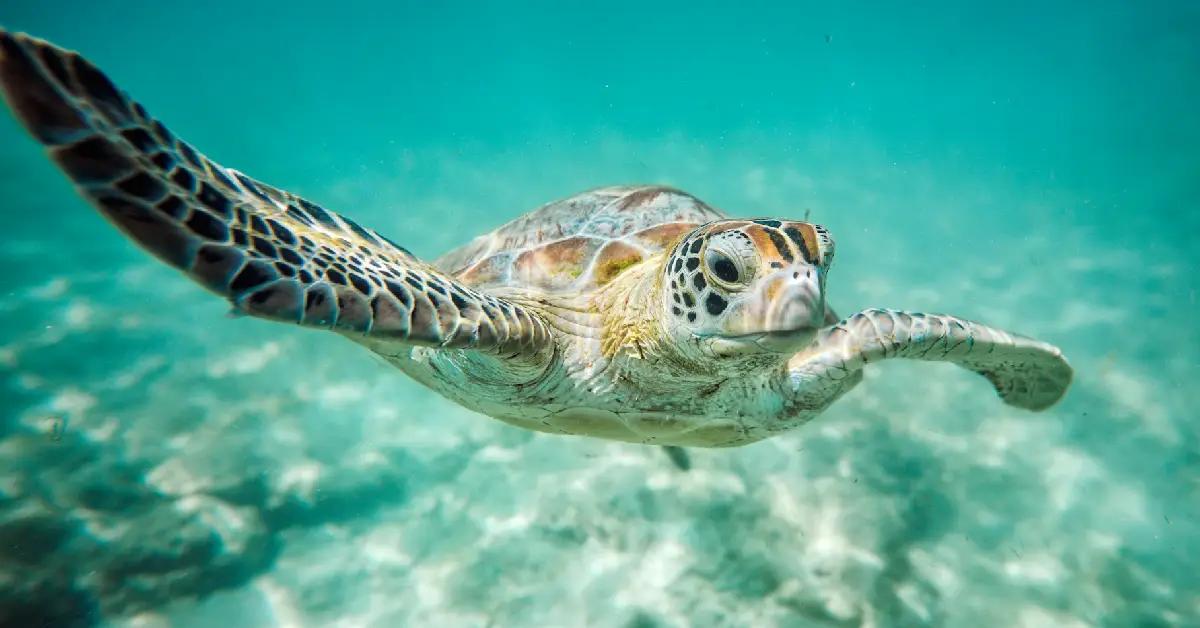
You can look for wild sea turtles around suitable snorkeling and diving areas, including Nusa Penida and Pemuteran, or visit conservation facilities in Serangan and Tanjung Benoa. Other coastal locations support turtle conservation and nesting activities. Sightings depend on natural conditions, so choose responsible operators and confirm conservation programs before visiting.
Key Takeaways:
Bali offers different ways to learn about sea turtles, from exploring underwater habitats to visiting conservation facilities and protected coastal areas. The ten destinations below cover several regions of the island, but their suitability varies depending on whether you want to see turtles in the wild or learn about conservation.
Sindhu Beach is a convenient coastal destination for visitors staying in Sanur.
The surrounding area has been associated with community-based turtle conservation, making it a potential starting point for learning about local efforts to protect sea turtles.
Before visiting, check whether a conservation group or educational facility is currently accepting guests.
A conservation visit does not necessarily mean you will see turtles swimming in the sea, and access to hatchlings or other activities may be restricted.
Sanur is also a practical base for exploring southern Bali. If you plan to visit several coastal destinations, arranging transportation in advance can make your itinerary easier.
Located in northwestern Bali, Pemuteran is known for its marine environment, coral reefs, and snorkeling opportunities.
These underwater habitats make the area worth considering for travelers interested in marine wildlife, including the possibility of encountering wild sea turtles.
However, a healthy marine ecosystem does not guarantee turtle sightings. Ask local snorkeling or diving operators about recent observations and choose guides who respect wildlife.
Pemuteran is also a useful destination for travelers seeking a quieter coastal experience away from southern Bali.
Allow enough time to reach the area, especially if you are traveling from Seminyak or the airport.
Penimbangan Beach is a coastal stop in northern Bali that can add a different perspective to a turtle-focused itinerary.
The area is suitable for discussing coastal habitats and the importance of protecting marine environments, although reliable turtle sightings should not be assumed without recent local evidence.
If seeing turtles is your main priority, ask local conservation groups or knowledgeable guides whether there have been recent sightings or documented nesting activities in the area.
Treat this destination as a coastal exploration opportunity rather than a guaranteed turtle-watching site. This distinction helps set realistic expectations and encourages responsible travel.
Nusa Penida is one of the destinations to consider if you hope to encounter wild sea turtles while snorkeling or diving.
Its marine environment attracts visitors interested in coral reefs, underwater landscapes, and marine biodiversity.
Your chances of seeing turtles depend on the specific site, current conditions, and natural animal behavior.
Choose an experienced operator who does not chase turtles, feed them, or encourage visitors to touch them for photographs.
Sea conditions around Nusa Penida can be challenging, with currents and waves varying by location.
Follow your guide's instructions and choose an activity appropriate for your swimming ability.
For travelers staying in southern Bali, remember to account for boat transfers and the time needed to reach the departure harbor.
Perancak Beach in western Bali is relevant to the island's community-based turtle conservation efforts.
Documented conservation activities in the area include hatchling releases, illustrating how local communities can contribute to protecting sea turtles.
These activities are not necessarily available every day.
If you want to participate in an educational visit or observe a release, contact the relevant conservation group in advance and follow its instructions.
A responsible visit should focus on learning about nest protection, hatchling survival, and coastal conservation rather than expecting a guaranteed wildlife encounter.
Perancak can be especially interesting for travelers who want to understand the community's role in protecting marine wildlife beyond Bali's more established tourism areas.
Serangan Island is an important option for travelers interested in structured sea turtle education.
The Turtle Conservation and Education Center (TCEC) is associated with turtle conservation, public education, and efforts to protect turtles and their habitats.
A visit can help you understand why sea turtles need protection, how conservation teams work, and why hatchling survival is influenced by environmental conditions and human activity.
The experience differs from snorkeling with wild turtles. Access to individual animals and conservation activities depends on the center's current operations and animal welfare policies.
Check opening hours and available programs before traveling.
If you are staying in Sanur, Kuta, or Seminyak, Serangan may be easier to incorporate into a southern Bali itinerary than destinations in the island's far north or west.
Saba Beach is relevant to turtle conservation because the area has been associated with local sea turtle protection initiatives.
Sandy coastal environments can provide nesting habitat for sea turtles, although the suitability of a particular beach and the presence of active nests vary over time.
If you visit during a nesting period, prioritize protecting the beach rather than searching independently for nesting turtles.
Nighttime activity, bright lights, and close approaches can disturb nesting females.
Ask local conservation groups whether educational activities are available and whether any beach sections have access restrictions.
Even when turtles are not visible, a visit can help travelers appreciate the importance of keeping coastal habitats clean and minimizing disturbance.
Yeh Gangga Beach offers another opportunity to explore Bali's coastal environment.
Its inclusion in this guide is intended to broaden the geographical range of destinations, but current evidence of consistent turtle sightings at this specific beach should be verified before planning a dedicated wildlife trip.
If you want to visit, look for recent information from local conservation groups or authorities about turtle nesting, rescue activities, or documented sightings.
Avoid disturbing wildlife or entering restricted nesting areas.
If no turtle-related activity is available during your visit, you can still enjoy the coastline while respecting local conditions and keeping the beach free of rubbish.
For travelers building a broader Bali itinerary, Yeh Gangga can be considered a coastal stop rather than a place where turtles are guaranteed to appear.
Tegal Besar Beach adds another coastal destination to a turtle-focused exploration of Bali.
Before visiting specifically to see turtles, however, check for reliable evidence of recent sightings, nesting activity, or a conservation program operating at the location.
This verification matters because a beach's natural environment alone does not establish that turtles regularly nest there or that visitors can observe them.
If you find a local conservation group working in the area, ask whether visits are permitted and whether there are guidelines for protecting sensitive coastal habitats.
Approaching the destination with realistic expectations allows you to appreciate Bali's coastline without creating pressure to disturb wildlife simply to secure a sighting.
Tanjung Benoa offers opportunities to explore turtle conservation and environmental education.
Baruna Balarama Fantasi is one facility associated with turtle-related educational and conservation activities in the area.
Depending on its current program, a visit may help you learn about turtle nesting, hatchling development, rehabilitation, and the challenges involved in protecting these animals.
Hatchling releases and other special activities depend on conservation schedules and should not be assumed to be available on demand.
Be sure to distinguish a conservation and education visit from commercial excursions marketed as Turtle Island trips. The activities, animal-handling practices, and conservation standards may differ.
Contact the facility before visiting to confirm its current operations and ask how it prioritizes turtle welfare.
Read Also:
Recommended Snorkeling Spots in Bali You Must Visit
Indonesia is home to six of the world's seven recognized sea turtle species.
Their presence and frequency around Bali vary by species and location, so the national species list should not be interpreted as a guarantee that every species can be seen at the destinations above.
When choosing a turtle-watching destination, focus on documented local sightings and responsible conservation programs rather than the total number of species recorded nationally.
There is no single season that guarantees sea turtle sightings throughout Bali. The best time depends on whether you want to snorkel, observe nesting activity, or visit a conservation center.
Keep your plans flexible. A responsible wildlife trip prioritizes animal welfare and safety over securing a photograph or guaranteed sighting.
Sea turtle conservation involves more than releasing hatchlings into the ocean.
Depending on the location and program, conservation work can include monitoring nesting beaches, protecting eggs, recording turtle activity, treating injured animals, educating communities, and restoring coastal habitats.
Local conservation groups also help raise awareness of threats such as plastic pollution, fishing gear, habitat degradation, and disturbance from human activity.
Visitors can support these efforts by following access rules, avoiding unverified wildlife attractions, reducing waste, and choosing programs that explain how they protect turtles.
A responsible conservation visit should emphasize education and animal welfare.
Be cautious of experiences that encourage touching, holding, feeding, or taking close-up photographs with turtles without a clear conservation justification.
Follow these practical guidelines whenever you encounter sea turtles or visit a conservation facility.
Responsible turtle watching means accepting that a sighting may not happen. Protecting the animal and its habitat is more important than getting a photograph.
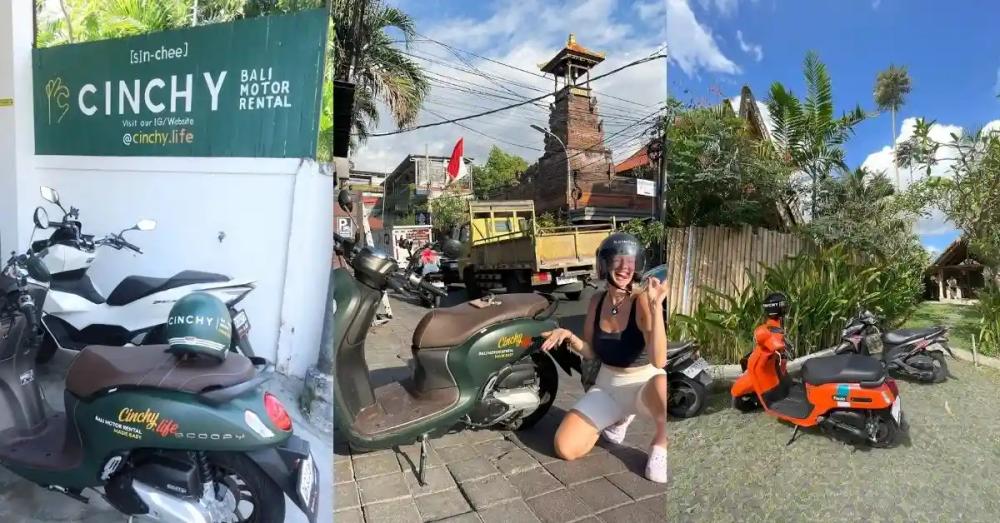
Cinchy makes exploring Bali more convenient with well-maintained scooters, flexible rental periods, and an easy online booking process.
You can check real-time scooter availability on the website before your trip, helping you plan transportation during both peak and low seasons.
With 24/7 customer support and delivery options to selected locations, you can spend less time arranging transport and more time enjoying Bali's beaches, marine wildlife, and conservation destinations.
Check availability, choose your scooter, and arrange delivery to your preferred location before your trip.
👉 Rent a scooter in Cinchy now, book early and save 5% with code EARLY5!
If you're still uncertain about your next steps, don't worry, as we're here to address all your queries and concerns.
Nusa Penida and Pemuteran are worth considering for marine wildlife experiences, while Serangan and Tanjung Benoa offer conservation-focused visits. The best choice depends on whether you want to observe wild turtles or learn about conservation.
You may encounter wild sea turtles while snorkeling or diving in suitable locations. Sightings are not guaranteed, and visitors should never chase, touch, feed, or obstruct turtles.
Nesting and hatching periods vary by location and species. Contact local conservation groups for current information rather than assuming the same season applies across the entire island.
Yes, some conservation programs offer opportunities to learn about hatchlings or observe scheduled releases. Availability depends on nesting outcomes, conservation protocols, and the facility's program.
Green, hawksbill, olive ridley, leatherback, flatback, and loggerhead turtles are among the six species recorded in Indonesian waters. Their presence and frequency around Bali differ, and not all are commonly observed locally.
Keep a respectful distance, avoid touching or feeding turtles, follow your guide's instructions, and choose conservation programs that prioritize animal welfare.
 travel tips
 hidden gems
 scooter guides
 riding tips
 bali guides
 cultural insight