1


Stay in Touch
Get the latest updates, special offers, and exclusive Cinchy perks straight to your inbox.


Jl. Plawa No.50, Seminyak, Kec. Kuta, Kabupaten Badung, Bali 80361

CALL US 24/7
(+62-851-7424-6249)
Copied!

We’ll be Back
at
8:30 AM-9 PM WITA


Payment Partners


© 2026 CINCHY. ALL RIGHTS RESERVED.
Cinchy Blog / Motorcycles Won’t Start After Rain? Quick Fixes to Get Back on the Road
Published: 13 Nov 2026

By Syahrial Maulana Sudarto
Travel Enthusiast
Quick Answer
“Why won't your scooter start after rain? ”
A scooter may not start after rain because moisture has reached its spark plug cap, ignition coil, electrical connectors, or air intake. Start by checking the starter response, switches, and accessible components. If the scooter was submerged in floodwater, do not attempt to start it before a mechanic inspects the engine.
Key Takeaways:
Rainwater can affect several components responsible for starting a scooter.
Although most modern scooters are designed to handle normal wet-weather conditions, prolonged exposure to heavy rain, standing water, or flooding can create problems.
Here are some common reasons your scooter won't start after rain.
The spark plug produces the electrical spark needed to ignite the air-fuel mixture inside the engine.
When moisture collects around the spark plug or its cap, the electrical connection may become unreliable.
This can prevent the engine from starting, even when the starter motor still works.
A wet spark plug cap may also cause intermittent ignition, making the engine difficult to start or causing it to stall shortly after starting.
The ignition coil supplies high voltage to the spark plug. If water reaches its connections or surrounding electrical components, the ignition system may not deliver a consistent spark.
This issue can become more noticeable after riding through heavy rain or leaving the scooter exposed outdoors for an extended period.
Electrical connectors distribute power and signals throughout the scooter. Moisture entering exposed or poorly sealed connectors can interfere with electrical connections.
In some cases, water exposure may also accelerate corrosion, especially when connectors already have damaged insulation or loose connections.
This can affect the starter system, ignition, sensors, or other electrical components.
The engine needs a suitable mixture of air and fuel to operate. If water enters the air intake or saturates the air filter, airflow may become restricted.
A wet air filter can make the engine difficult to start, cause rough running, or reduce performance.
If the scooter has been exposed to deep water or flooding, the problem may be more serious than a damp air filter. Water could have entered the engine through the intake system.
Rain does not automatically damage a healthy battery. However, a weak battery, loose terminal, or existing electrical problem may become more noticeable when the scooter is exposed to wet conditions.
If the dashboard lights appear dim, the starter turns slowly, or you hear clicking sounds when pressing the starter button, the battery or starting system may need inspection.
Some scooters have safety switches and sensors that prevent the engine from starting under certain conditions.
Depending on the model, these may include the side-stand switch, brake switch, or other electronic sensors.
If moisture interferes with their connections or signals, the scooter may not respond when you press the starter button.
Read Also:
Water Hammer in Motorcycle: Bali Rider's Guide
Riding Motorcycle in Bali's Flood: Post-Flood Care Guide
Can I Leave Motorcycle in the Rain in Bali? What You Must Know
How to Stay Safe When Riding a Motorcycle in Bali's Extreme Season
Before inspecting anything, move your scooter to a dry, sheltered location.
Avoid repeatedly pressing the starter button because doing so may drain the battery or worsen an existing electrical problem.
Follow these troubleshooting steps to identify and address minor moisture-related issues.
First, determine what happens when you try to start the scooter.
There are two common situations:
Understanding the difference helps narrow down the possible cause before you inspect other components.
Make sure the engine stop switch is set to the correct position. Depending on your scooter model, you may also need to pull a brake lever or raise the side stand before starting.
Check the following:
These checks are simple, but they can help rule out starting conditions unrelated to rainwater.
If you suspect moisture around the ignition system, inspect the accessible exterior area around the spark plug cap and ignition components.
Use a clean, dry cloth to remove visible moisture. You can also allow the area to air-dry in a sheltered location.
Avoid pouring water, applying excessive heat, or using an open flame near electrical components.
Do not remove or handle ignition components if you are unfamiliar with the scooter's electrical system. If the spark plug needs to be removed, cleaned, or replaced, have a qualified mechanic perform the work.
Look for visible moisture around accessible electrical connectors, wiring, and battery terminals.
If you notice water around an exposed connector, avoid disconnecting or reconnecting it while the electrical system is powered.
Look for signs such as:
If a connector appears damaged or corroded, have it inspected by a mechanic rather than attempting an electrical repair yourself.
If the scooter has been exposed to heavy rain, inspect the accessible air intake area for signs of water.
A damp or saturated air filter may restrict airflow and affect engine performance.
Do not attempt to start the scooter if you suspect water has entered the intake or engine. A mechanic should inspect the air filter, intake system, and engine before you try again.
If the scooter does not crank or only produces a clicking sound, the battery or starter system may be responsible.
Check whether the battery terminals appear loose or visibly corroded. Also observe whether the dashboard lights become unusually dim when you press the starter button.
Do not touch exposed wiring or attempt electrical repairs if you are unsure how to do them safely.
A mechanic can test the battery voltage, charging system, starter relay, and related electrical components to identify the actual problem.
Read Also:
Engine Damage on a Rental Scooter: Up to IDR 2.5 Million
Motorcycle Services in Bali: Types, Costs & Duration Guide
Not every rain-related starting problem can be fixed by drying the exterior components.
If your scooter has been submerged in floodwater, do not attempt to start it, crank the starter, or kick-start the engine.
Water may have entered the air intake or combustion chamber. Attempting to start the engine in this condition can cause hydrolock, which may result in serious internal engine damage.
You should also stop troubleshooting and seek professional assistance if:
A mechanic can inspect the ignition system, electrical connections, fuel system, and engine before attempting to restart the scooter.
Although you cannot completely eliminate the risk of moisture-related issues, regular maintenance and a few precautions can help keep your scooter in good condition.
Whenever possible, park your scooter in a garage, covered parking area, or sheltered location.
If you must park outdoors, use a suitable scooter cover. Make sure the cover is designed for outdoor use and does not trap excessive moisture around the vehicle.
Check the battery terminals, wiring, and accessible electrical connectors during routine maintenance.
Damaged insulation, loose connections, and corrosion can make electrical components more vulnerable to moisture.
Ask a mechanic to inspect these components if you notice signs of wear.
A clean air filter helps maintain proper airflow to the engine.
Follow the manufacturer's maintenance schedule and replace the air filter when it becomes dirty, damaged, or excessively wet.
Avoid riding through deep standing water because it increases the risk of water entering the air intake.
Routine servicing helps identify potential problems before they affect daily use.
Have the battery, ignition system, electrical connections, air filter, and other essential components checked according to the manufacturer's maintenance recommendations.
Regular inspections are particularly useful if you frequently ride in Bali, where sudden rain showers can occur.
If you notice that your Cinchy scooter will not start after rain when it is first handed over, contact the Cinchy team immediately.
Do not attempt to repair the scooter independently.
Cinchy regularly services its scooters to help maintain their condition.
If a starting issue is present when you receive the unit and is not caused by your use, you can request a replacement scooter in good condition.
The team will assist you so you can continue exploring Bali comfortably.
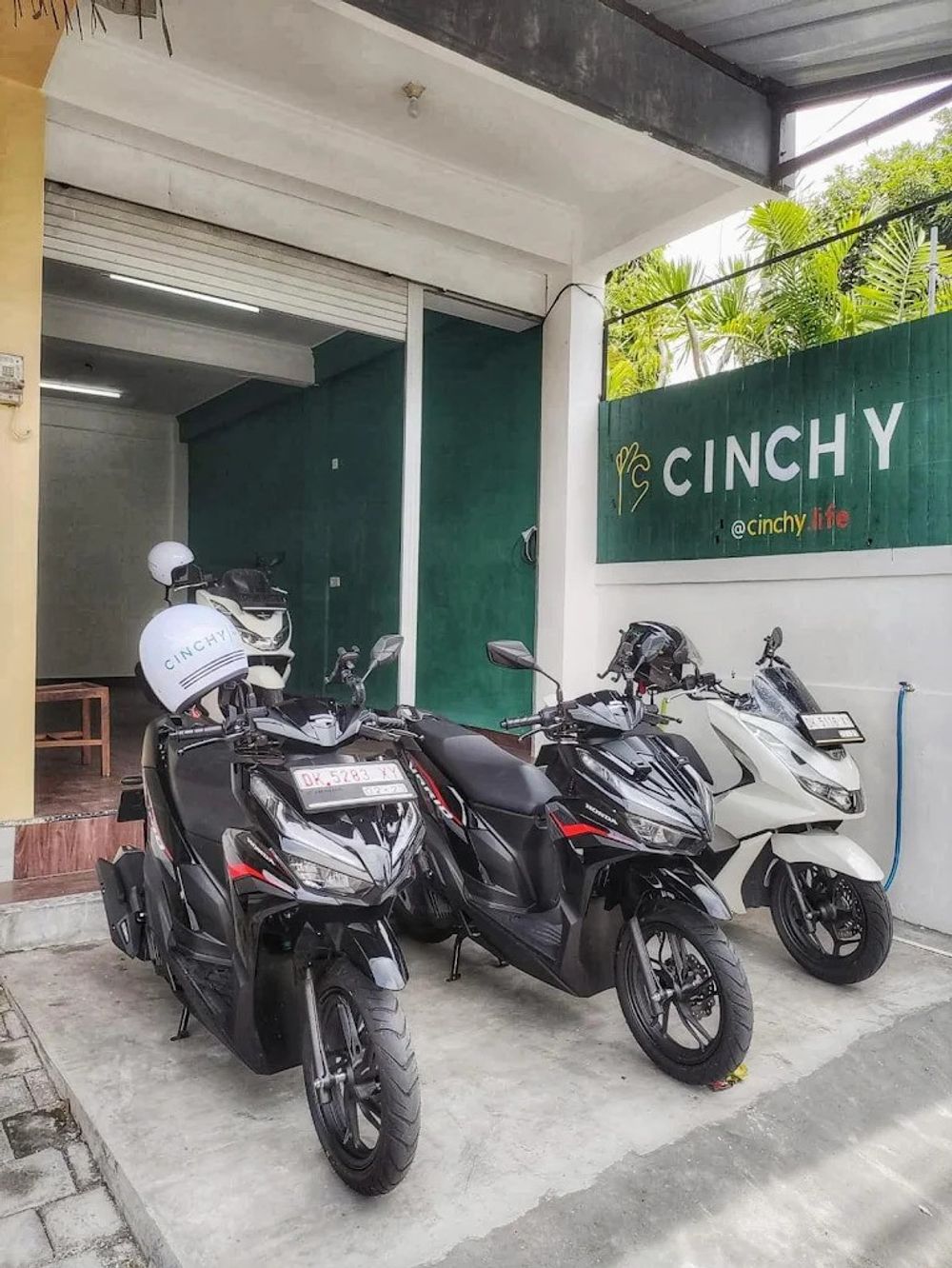
Planning to explore Bali?
Choose a well-maintained scooter from Cinchy, with Compact options starting at IDR 95K/day and Comfort options starting at IDR 155K/day.
Enjoy convenient booking, delivery options, and 24/7 support.
👉 Rent a scooter in Cinchy now, book early and save 5% with code EARLY5!
If you're still uncertain about your next steps, don't worry, as we're here to address all your queries and concerns.
Your scooter may not start after heavy rain because moisture has reached the spark plug cap, ignition coil, electrical connectors, or air intake. A weak battery or existing electrical issue may also contribute to the problem.
Yes. Moisture around the spark plug or its cap can interfere with the ignition process and prevent the engine from starting properly. However, a wet exterior does not necessarily mean the spark plug itself is damaged.
There is no fixed waiting time because it depends on how much water has reached the scooter and which components are affected.For minor exterior moisture, allow accessible components to dry completely in a sheltered area. However, do not attempt to start a scooter that has been submerged or may have water inside its engine.
If the starter motor turns the engine but it does not start, possible causes include a wet spark plug cap, ignition coil problem, restricted air intake, or fuel system issue.Check accessible components for visible moisture, but seek professional assistance if the problem continues.
Generally, a scooter can be ridden after normal exposure to rain if its essential components are functioning properly. However, check the brakes, tires, lights, and electrical functions before continuing your journey. Avoid riding through deep floodwater or using a scooter that shows signs of engine or electrical problems.
 travel tips
 hidden gems
 scooter guides
 riding tips
 bali guides
 cultural insight