1


Stay in Touch
Get the latest updates, special offers, and exclusive Cinchy perks straight to your inbox.


Jl. Plawa No.50, Seminyak, Kec. Kuta, Kabupaten Badung, Bali 80361

CALL US 24/7
(+62-851-7424-6249)
Copied!

We’re Here
Everyday
8:30 AM-9 PM WITA


Payment Partners


© 2026 CINCHY. ALL RIGHTS RESERVED.
Cinchy Blog / How to Inspect a Motorcycle Before Renting in Bali: A Complete Checklist
Published: 31 Oct 2026

By Anggita Hutami Ratnaningsih
Travel Writer
Quick Answer
“If you're riding a scooter in Bali as a tourist…”
Police checkpoints are a normal part of traffic enforcement. Officers typically check your driving license, International Driving Permit (IDP), scooter registration (STNK), and basic road safety compliance. Having the correct documents and understanding the process can help you pass a checkpoint quickly and continue your journey with confidence.
Key Takeaways:
You have booked your motorcycle rental in Bali, picked your preferred scooter, and are ready to explore the island. Maybe your first destination is Canggu, Uluwatu, or the beautiful beaches around Jimbaran. You just need to collect the keys and start your adventure.
But wait! Before riding away, there is one important thing you should never skip: checking the motorcycle's physical condition.
It may take only 5 to 10 minutes, but a quick inspection can save you from unexpected problems on the road. It can also help prevent disagreements with the rental provider when you return the motorcycle.
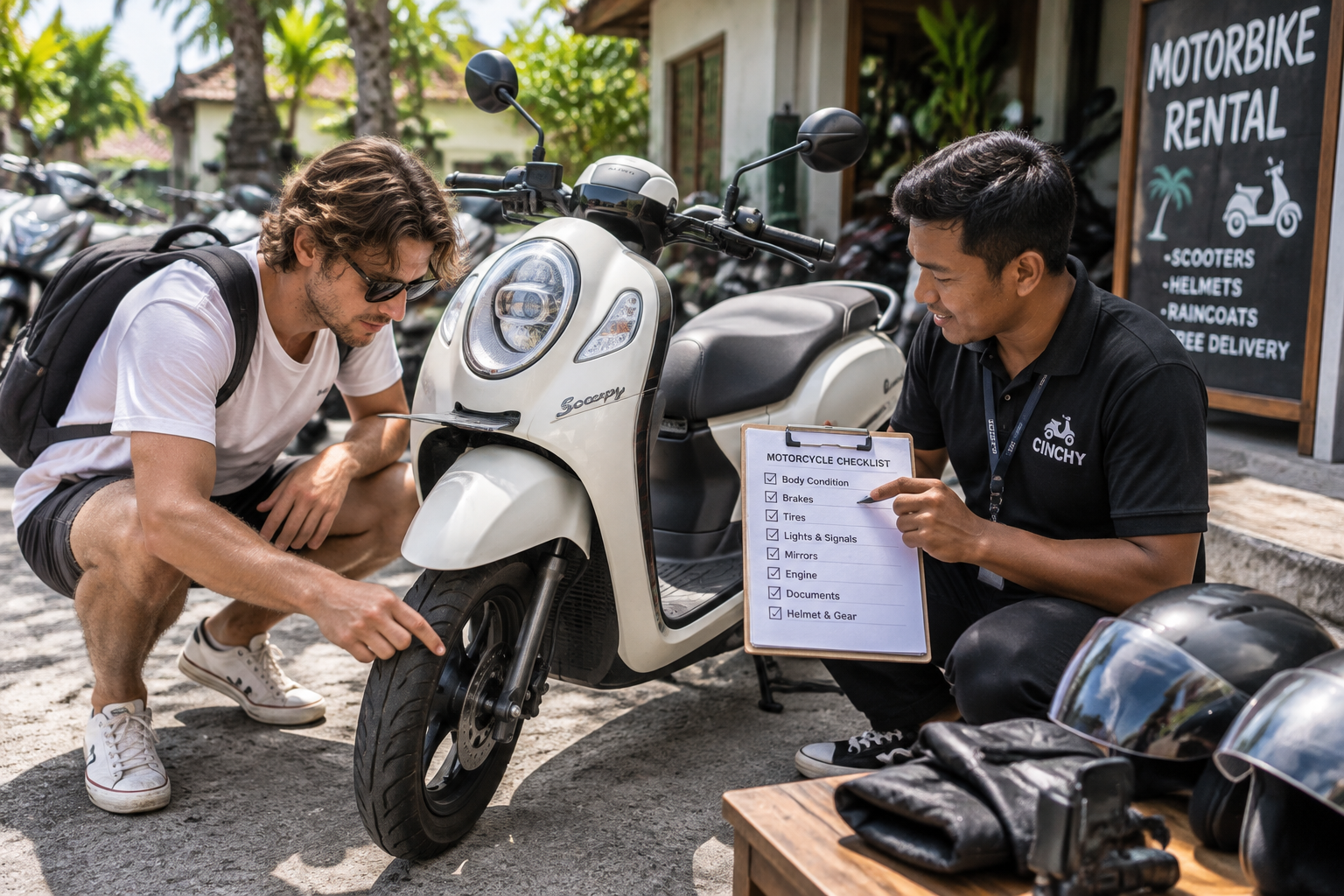
Whether you are renting a Honda Scoopy, Yamaha Fazzio, or another scooter, here is a practical checklist to help you inspect your rental motorcycle before starting your Bali adventure.
A motorcycle may look clean and attractive from the outside, but that does not automatically mean every component works properly.
Imagine returning your rental motorcycle after several days of exploring Bali. The rental staff points out a scratch on the body and asks you about it. You do not remember causing the damage, but you have no photos or videos to prove its previous condition.
This situation can become an unnecessary disagreement.
An initial inspection protects both you and the rental provider. It creates a clear record of the motorcycle's condition before you use it.
More importantly, checking the motorcycle helps identify potential safety problems before they become serious issues on the road.
Here are three main reasons why an inspection matters:
The best time to perform this inspection is before signing the handover confirmation or leaving the rental location.
Start by walking around the motorcycle and examining its physical appearance. Do not rush this process, even if the rental staff is waiting.
Use your smartphone to record a complete video of the motorcycle.
Start from the front, then move around the left side, rear, and right side. Do not forget to capture the seat, dashboard, wheels, mirrors, and visible body panels.
Pay special attention to:
Take close-up photos of any visible damage.
Make sure your pictures are clear enough to show the condition of each affected area.
If you notice scratches, cracks, or dents, show them to the rental staff immediately.
Ask them to record the damage on the handover checklist or rental documentation.
Do not assume that small scratches are unimportant. Even minor damage should be recorded to avoid confusion when returning the motorcycle.
A professional rental provider should be willing to document the motorcycle's condition transparently.
The next step is to inspect the components that directly affect your safety while riding.
Brakes are among the most important motorcycle components.
Squeeze the front brake lever and press the rear brake pedal or operate the rear brake lever, depending on the motorcycle model.
Both brakes should respond consistently. Watch out for warning signs such as:
You can also walk the motorcycle slowly in a safe area and test whether the brakes hold the wheels properly.
Never ride away if the brakes feel abnormal. Ask the rental provider to inspect or replace the motorcycle.
Tires affect grip, stability, and braking performance.
Look at the front and rear tires carefully. Check whether the tread is still visible and whether the rubber shows cracks, cuts, or unusual wear.
Pay attention to the following conditions:
Do not rely only on pressing the tire with your fingers to judge its pressure. Ask the rental provider to check the pressure using an appropriate gauge if you are unsure.
Proper tire pressure helps the motorcycle handle more predictably, especially when riding through Bali's winding roads.
Good visibility is essential, particularly when riding at night or during rainy weather.
Turn on the motorcycle and test the following:
Ask someone to stand behind the motorcycle while you operate the brake so you can confirm that the brake light works.
Make sure the turn signals blink properly and are not covered by damaged plastic.
Both mirrors should be securely attached and adjustable.
Sit on the motorcycle and adjust the mirrors to your riding position.
You should be able to see the road behind you without having to move your body excessively.
If a mirror is cracked, loose, or cannot maintain its position, report it before accepting the motorcycle.
Mirrors are especially useful in Bali, where traffic can be busy and motorcycles frequently share narrow roads with cars and other vehicles.
Once the exterior and safety components look good, move on to the engine and electrical system.
Turn on the ignition and start the motorcycle.
Listen to the engine while it is running. A motorcycle in good operating condition should generally have a consistent engine sound.
Pay attention to unusual symptoms such as:
If you notice something unusual, ask the rental provider to inspect the motorcycle before you leave.
Do not assume that every unusual sound is normal, especially if you are unfamiliar with the model.
Look at the dashboard after switching on the ignition.
Check the fuel indicator, odometer, and warning lights.
Warning indicators may briefly illuminate during the initial ignition process. However, warning lights that remain on after the engine starts may indicate a problem that requires inspection.
Make sure you understand the fuel level before leaving.
This also helps you avoid misunderstandings about the fuel condition when returning the motorcycle.
Press the electric starter and observe how the engine responds.
The motorcycle should start without unusual difficulty.
Warning signs include:
These symptoms may indicate a weak battery or another electrical issue.
If the motorcycle struggles to start, ask for another unit rather than risking a breakdown during your holiday.
After completing the visual inspection, ask the rental provider whether you can perform a short test ride in a safe area.
This is an opportunity to understand how the motorcycle handles.
Ride slowly and notice whether the motorcycle moves straight.
The handlebar should feel stable and should not pull noticeably to one side.
If you experience unusual vibration or steering resistance, stop and report the issue.
Ride slowly over a small, safe road imperfection.
The suspension should absorb normal road bumps without excessive bouncing or unusual noises.
If the motorcycle feels unstable, excessively hard, or unusually soft, ask for an inspection.
Open the throttle gently and check whether the engine responds smoothly.
Avoid aggressive acceleration during the test.
The motorcycle should not hesitate excessively, jerk unexpectedly, or produce unusual mechanical noises.
Make sure you can sit comfortably and reach the handlebars, brakes, and footrests.
If the motorcycle feels too large, too heavy, or unfamiliar, ask whether another model is available.
Comfort matters because you may spend several hours riding around Bali.
A motorcycle rental is not only about the vehicle itself. You should also understand what equipment and documents come with your booking.
Check whether the helmet fits your head properly.
Inspect the shell for visible cracks and make sure the chin strap and fastening mechanism work correctly.
The helmet should fit securely without being excessively loose.
If the rental package includes a raincoat, phone holder, or other equipment, check its condition before leaving.
Remember that a helmet should meet applicable safety standards and should not have structural damage.
Ask the rental provider where the motorcycle's STNK is kept and how you can access the required vehicle documents during a traffic inspection.
Make sure you know the relevant procedures before leaving the rental location.
You should also prepare your own valid motorcycle driving license and identification.
Confirm how many keys you receive and ask what to do if a key gets lost.
Save the rental provider's contact number on your phone.
Ask whether assistance is available if the motorcycle experiences a flat tire, mechanical problem, or other emergency during the rental period.
Having a clear contact procedure can make a big difference when you are travelling in an unfamiliar area.
Before accepting the motorcycle, take a few minutes to read the rental conditions.
Pay attention to the following details:
Do not hesitate to ask questions if something is unclear.
For example, ask whether you should contact the rental provider first if the motorcycle develops a mechanical problem.
Understanding these conditions from the beginning can help you avoid unexpected expenses.
If you are in a hurry, use this simple checklist before leaving the rental location.
A few minutes of preparation can prevent unnecessary problems throughout your trip.
Ready to explore Bali on two wheels?
Choosing a rental provider that maintains its motorcycle fleet can make your trip more comfortable and enjoyable.
Cinchy offers motorcycle rental options such as the Honda Scoopy and Yamaha Fazzio, starting from Rp95,000 per day according to the promotional information provided.
The rental package includes a helmet and raincoat. Cinchy also offers free delivery and pick-up in selected urban areas, subject to service coverage.
The rental requirements include KTP, SIM C, and flight and hotel booking details covering the rental period.
Want to save more on your motorcycle rental?
Book one month in advance and use the EARLY5 promo code to get 5% off, subject to the applicable promotional terms.
Check motorcycle availability at Cinchy now, inspect your ride, and get ready to explore Bali with confidence!
If you're still uncertain about your next steps, don't worry, as we're here to address all your queries and concerns.
Yes. Police checkpoints are a routine part of traffic enforcement in Bali, and both locals and tourists may be stopped. If your documents are complete and you're following traffic rules, the inspection is usually quick.
In most cases, foreign tourists should carry both a valid driving license from their home country and an International Driving Permit (IDP) when riding a scooter in Indonesia.
If your documents are complete and there are no traffic violations, many inspections are finished within just a few minutes.
Not usually. Officers generally focus on your driving documents and the scooter's registration. Many travelers keep their passport safely at their accommodation and carry another form of identification if appropriate.
Yes. Renting from a reputable provider helps ensure you receive a legally registered scooter that's regularly maintained and comes with the necessary rental documentation.

What Tourists Should Know When Pulled Over by Police in Bali
Essential Documents to Carry When Riding in Bali
A Comprehensive Guide About Traffic Fines in Bali

International Driving Permit in Bali - A Complete Guide for Tourists
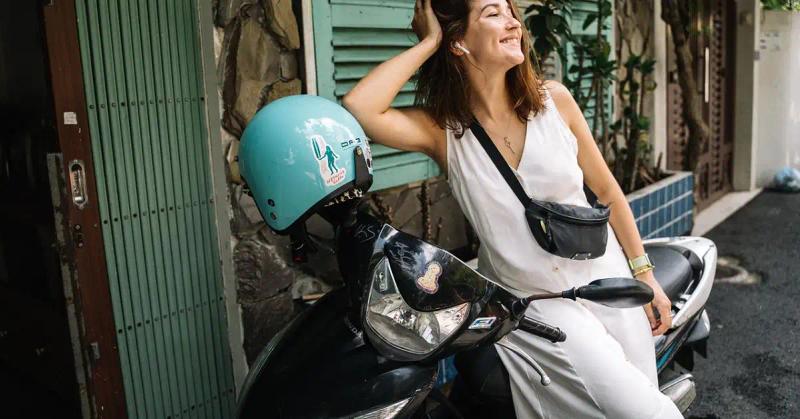
Cinchy Bali: Scooter Hire for Beginners – Automatic Only!
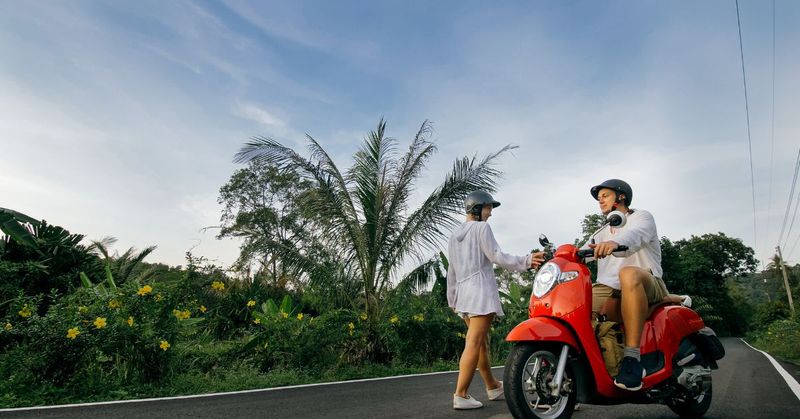
Cinchy Bali Scooter Rental Provides Various Payment Options
 travel tips
 hidden gems
 scooter guides
 riding tips
 bali guides
 cultural insight