1


Stay in Touch
Get the latest updates, special offers, and exclusive Cinchy perks straight to your inbox.


Jl. Plawa No.50, Seminyak, Kec. Kuta, Kabupaten Badung, Bali 80361

CALL US 24/7
(+62-851-7424-6249)
Copied!

We’ll be Back
at
8:30 AM-9 PM WITA




Payment Partners


© 2026 CINCHY. ALL RIGHTS RESERVED.
Cinchy Blog / Halal Tourism in Bali - Guide for Muslims
Published: 05 Oct 2026

By Syahrial Maulana Sudarto
Travel Enthusiast
Quick Answer
“Is Bali Muslim-friendly for Muslim travelers?”
Bali is a Muslim-friendly destination rather than an entirely halal destination. Muslim travelers can find halal food, mosques, prayer rooms, and Muslim-friendly accommodation across the island. However, pork and alcohol are also common in some tourist areas, so planning where to eat, pray, stay, and explore can make a Bali trip much easier.
Free Cancellation
24/7 Support
Insurance
Start Date - End Date
Start Time
End Time
Duration
0 Day(s)
Key Takeaways:
Halal tourism generally refers to travel services and experiences designed to accommodate Muslim travelers, including access to halal food, prayer facilities, ablution areas, and other services that support Islamic practices.
Indonesia's official Muslim-friendly travel guidance similarly describes Muslim-friendly tourism as travel that provides facilities and services supporting Muslim travelers, including halal food and beverages, prayer spaces, and appropriate ablution facilities.
This distinction matters in Bali. The island is predominantly Hindu, so Muslim-friendly Bali does not mean that every aspect of tourism follows halal standards.
Instead, Bali offers an increasingly developed halal tourism ecosystem alongside its Hindu cultural identity.
Yes. Muslims can travel comfortably in Bali, provided they plan around their specific dietary and religious needs.
Bali has an established Muslim community as well as halal restaurants, mosques, musholla, prayer rooms, and Muslim-friendly accommodation.
According to Bali's latest official population registration data, the island had 452,232 Muslim residents in 2025, with Denpasar recording the largest Muslim population among Bali's regencies and municipalities.
The availability of Muslim-friendly facilities is also becoming more visible within Bali's tourism industry.
In August 2026, Indonesia's Halal Product Assurance Agency, or BPJPH, conducted halal guidance and supervision activities in Bali to support halal assurance for tourism-related businesses.
If you're still uncertain about your next steps, don't worry, as we're here to address all your queries and concerns.
Bali is Muslim-friendly rather than entirely halal. Halal food, mosques, prayer facilities, and Muslim-friendly hotels are available, but pork and alcohol are also common.
Yes, particularly in major tourist areas and places with established Muslim communities. However, travelers who require formal halal certification should verify individual restaurants.
Mosques and prayer rooms are available throughout Bali, with many options in Denpasar and major tourist areas. Some hotels and public facilities also provide prayer spaces.
Kuta, Denpasar, and Nusa Dua are practical choices because they combine accommodation, restaurants, transportation, and access to Muslim-friendly facilities.
Yes, Muslim travelers can visit appropriate Hindu cultural attractions while respecting dress codes, restricted areas, religious ceremonies, and local customs.
Yes. Families can enjoy Bali's beaches, nature, cultural attractions, and resorts while planning ahead for halal meals, prayer facilities, and suitable accommodation.
However, Muslim travelers should not assume that every Indonesian restaurant is halal. Pork, including dishes such as babi guling, is an established part of Balinese cuisine, while alcohol is widely available in many tourist areas.
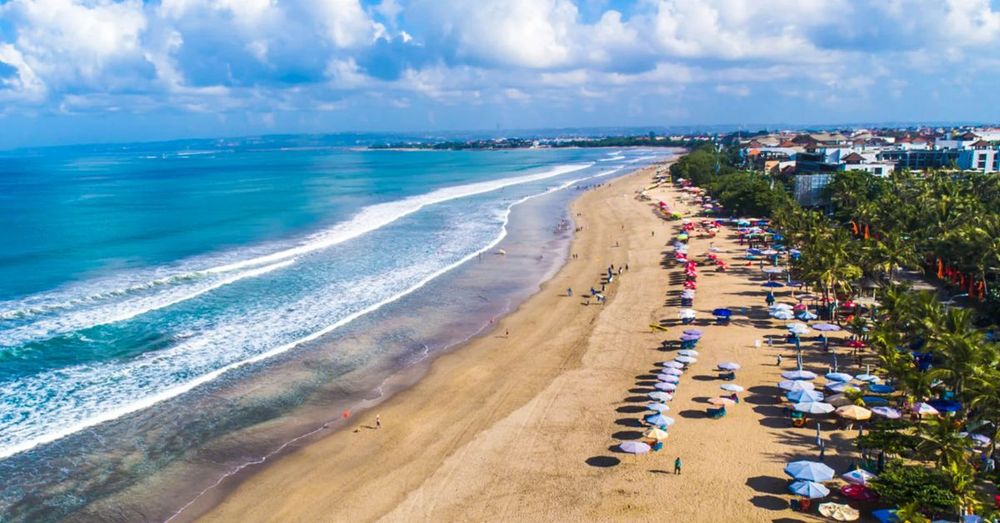
Kuta and Legian are practical choices for first-time Muslim travelers because of their concentration of hotels, restaurants, shopping areas, transportation options, and tourist facilities.
The areas also provide relatively easy access to halal dining and prayer facilities compared with more remote parts of the island.
Denpasar is particularly relevant for travelers who prioritize access to the local Muslim community, mosques, and Indonesian food.
It can also be a convenient base for exploring southern Bali while staying closer to everyday local life than some resort areas.
Nusa Dua is well suited to families and travelers looking for resort accommodation. The area also offers access to Muslim-friendly facilities, including the Puja Mandala complex.
Puja Mandala is particularly interesting for Muslim visitors because it brings several houses of worship together in one complex, including Masjid Agung Ibnu Batutah, and is promoted as an example of religious harmony in Bali.
Sanur and Jimbaran are useful alternatives for travelers who prefer a quieter atmosphere. Both areas provide accommodation, restaurants, beaches, and transportation connections without the same nightlife focus found in some parts of South Bali.
Ubud is ideal for travelers interested in culture, nature, wellness, and traditional Balinese experiences. Muslim travelers can visit comfortably, but halal food and prayer facilities may require more advance planning than in areas with larger concentrations of tourist services.
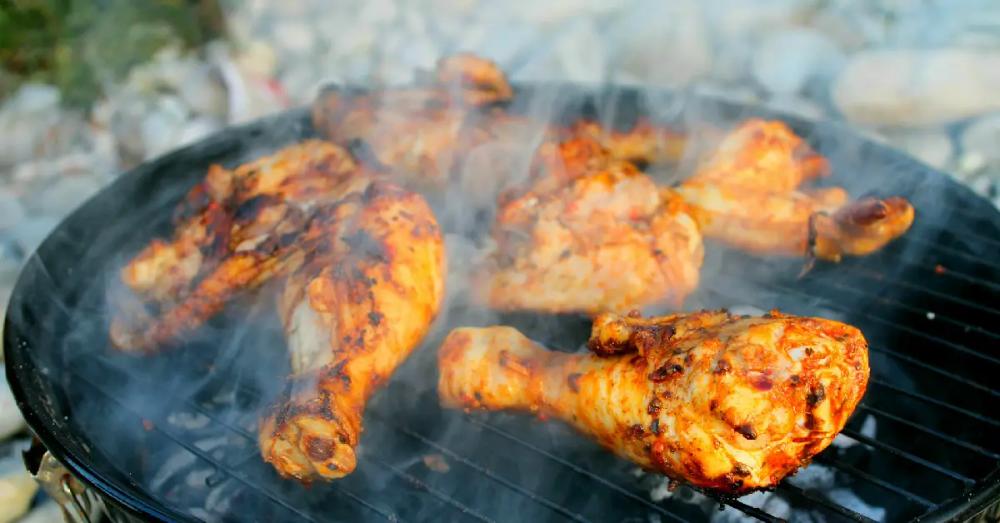
Halal food is available in Bali, particularly around major tourist areas and communities with established Muslim populations.
You can find halal Indonesian food such as nasi Padang, nasi goreng, satay, seafood, and other dishes.
However, the safest approach is to check the halal status of an individual restaurant rather than assuming a dish is halal because it is Indonesian.
Look for a current halal certification or halal label where applicable. Indonesia's BPJPH provides an official system for checking halal certificates, giving travelers and consumers a way to verify certified products and businesses.
If formal certification is important to you, ask whether the restaurant has halal certification and whether the ingredients and preparation methods meet your requirements.
A useful distinction is:
BPJPH has also emphasized the importance of clear halal labeling and transparent information for certified businesses.
Muslim travelers should pay particular attention to pork, lard, meat ingredients, cooking sauces, and alcohol-based ingredients.
Traditional Balinese cuisine includes pork-based dishes, so checking individual dishes is more reliable than assuming that all local cuisine is halal.
If you want to find some restaurants with halal food in Bali, please check these out:
Mosques and prayer facilities are available across Bali, especially in areas with larger Muslim communities.
Major tourist zones can also have prayer rooms in hotels, shopping centers, and other facilities. Indonesia's official Muslim-friendly travel platform provides information about prayer facilities and halal dining as part of its travel guidance.
For a smoother trip, save the locations of nearby mosques before leaving your hotel each morning.
You can then build your sightseeing route around prayer times rather than searching for a prayer facility after arriving at an attraction.
When booking accommodation, also check whether the property provides a prayer room, prayer mat, qibla direction, or nearby mosque.
Here are several mosques in Bali you can go to:
A Muslim-friendly hotel does not necessarily mean a fully halal hotel.
Before booking, check whether the property offers:
Some hotels actively provide Muslim-friendly facilities. Indonesia Travel, for example, highlights accommodation in Bali with dedicated prayer facilities and amenities for Muslim guests.
If halal food is your priority, contact the hotel before booking rather than relying only on the phrase “Muslim-friendly.”

Being Muslim-friendly does not mean an attraction has to be Islamic.
Bali's beaches, rice terraces, waterfalls, cultural attractions, and natural landscapes can all be enjoyed by Muslim travelers.
Nusa Dua, Sanur, Jimbaran, and other coastal areas offer opportunities for swimming, relaxing, and enjoying Bali's scenery.
For nature-focused trips, Ubud and surrounding areas provide rice terraces, waterfalls, forests, and cultural experiences.
Muslim visitors can experience Balinese culture while respecting local religious practices.
If you visit a Hindu temple, follow the site's dress code and instructions. Some temples may require a sarong or appropriate covering, and certain areas may be restricted to worshippers.
Avoid stepping on religious offerings, interrupting ceremonies, or photographing sacred rituals without permission.
One of the most important parts of halal tourism in Bali is understanding that Muslim-friendly travel does not mean changing Bali's cultural identity.
Bali's Hindu traditions are visible throughout daily life, from temple ceremonies and offerings to traditional architecture and religious festivals.
Muslim travelers can enjoy these experiences while maintaining their own religious practices. The key is mutual respect.
Nyepi is Bali's Day of Silence, during which normal activity across the island is heavily restricted.
The airport also closes during Nyepi, while visitors generally need to remain inside their accommodation. If your Bali trip coincides with Nyepi, check the dates and hotel arrangements before finalizing your itinerary.
This is particularly important for Muslim travelers who need to plan meals, prayer, transportation, and other daily activities in advance.
Alcohol is widely available in Bali, particularly in tourist areas such as Seminyak, Canggu, Kuta, and other nightlife destinations.
Muslim travelers who avoid alcohol can simply choose restaurants, hotels, and activities that match their preferences.
Pork is also common in Balinese cuisine. This is why checking ingredients and halal status is important, especially when trying traditional local dishes.
Bali can accommodate Muslim travelers without being an alcohol-free or pork-free destination.
Bali can be visited throughout the year, but your preferred travel period may depend on weather, crowds, religious dates, and your itinerary.
The dry season is generally popular for outdoor activities, while the rainy season can bring heavier showers but also quieter periods.
Muslim travelers should also check the dates of Ramadan, Eid al-Fitr, and Nyepi before booking flights and hotels. During Ramadan, access to halal food and mosques can make fasting easier, while Eid may increase travel demand.
If your trip falls during Nyepi, plan carefully because transportation and outdoor activities are restricted.
Before leaving for Bali, save nearby mosques and halal restaurants on your phone.
When booking a hotel, ask specifically about halal breakfast, prayer facilities, qibla direction, and nearby mosques instead of relying solely on a “Muslim-friendly” label.
For restaurants, distinguish between halal-certified, Muslim-owned, and halal-friendly businesses. This gives you a clearer idea of what has actually been verified.
Finally, remember that Bali is a culturally diverse destination. Respecting Hindu ceremonies, temple rules, local offerings, and Nyepi is just as important as maintaining your own religious practices.
A practical Bali itinerary should combine attractions with food, prayer, and transportation.
For example, a day in South Bali could combine a morning attraction, a halal lunch, a nearby mosque for prayer, an afternoon beach visit, and dinner at a verified halal restaurant.
For longer trips, consider combining South Bali with Ubud or another destination. Planning accommodation around your preferred halal dining and prayer facilities can reduce unnecessary travel time.
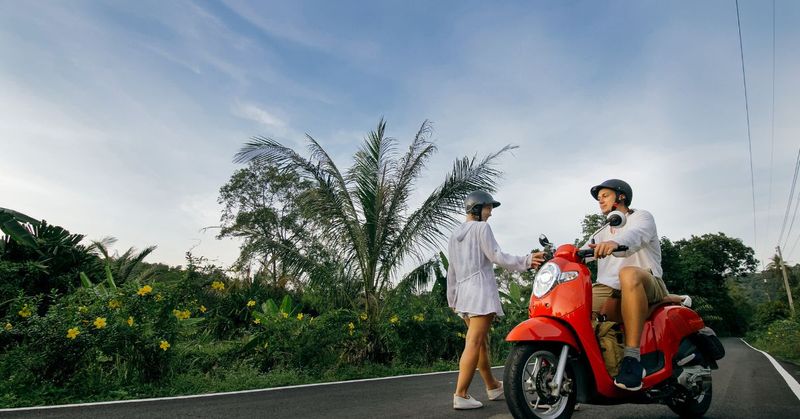
A scooter can also make this easier when your chosen restaurants, mosques, hotels, and attractions are spread across different neighborhoods.
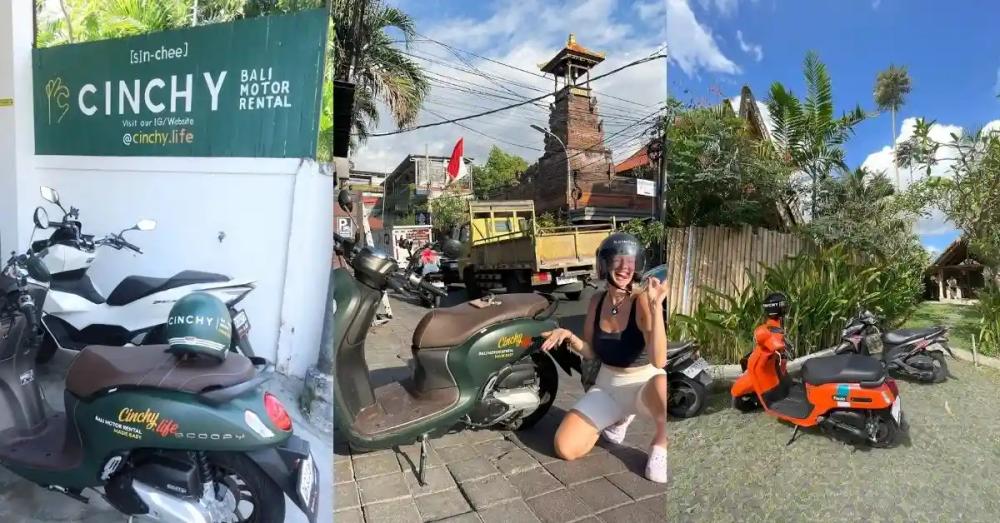
Exploring Bali becomes easier when your transportation is flexible.
Cinchy provides well-maintained scooters that can be booked online, with real-time availability so you can check which scooters are available for your travel dates before making a reservation.
Cinchy's Compact category includes the Honda Scoopy, Yamaha Fazzio, and Honda Vario.
Rates start from IDR 95K per day, IDR 80K per day for weekly rentals, and IDR 50K per day for monthly rentals.
For travelers who prefer more space and comfort, the Comfort category includes the Yamaha NMAX and Honda PCX.
Rates start from IDR 155K per day, IDR 125K per day for weekly rentals, and IDR 80K per day for monthly rentals.
The booking process is designed for convenience, with 24/7 customer support and delivery options to locations including Bali Airport, Seminyak, Kuta, Legian, Canggu, Sanur, and Nusa Dua.
This can be useful when your itinerary includes several halal restaurants, prayer facilities, and attractions across different areas.
For Muslim travelers, having your own scooter can also make it easier to plan around prayer times instead of depending entirely on fixed tours or public transportation.
Delivery and pickup are available for selected locations, including Bali Airport, Seminyak, Kuta, Legian, Canggu, Sanur, and Nusa Dua, with fees depending on the location.
 travel tips
 hidden gems
 scooter guides
 riding tips
 bali guides
 cultural insight