1


Stay in Touch
Get the latest updates, special offers, and exclusive Cinchy perks straight to your inbox.


Jl. Plawa No.50, Seminyak, Kec. Kuta, Kabupaten Badung, Bali 80361

CALL US 24/7
(+62-851-7424-6249)
Copied!

We’re Here
Everyday
8:30 AM-9 PM WITA




Payment Partners


© 2026 CINCHY. ALL RIGHTS RESERVED.
Cinchy Blog / Full Tank Gas Motorcycle, Is It Really Necessary?
Published: 13 Sep 2026

By Syahrial Maulana Sudarto
Travel Enthusiast
Quick Answer
“Should I have a full tank of gas on my motorcycle if I want to ride it?”
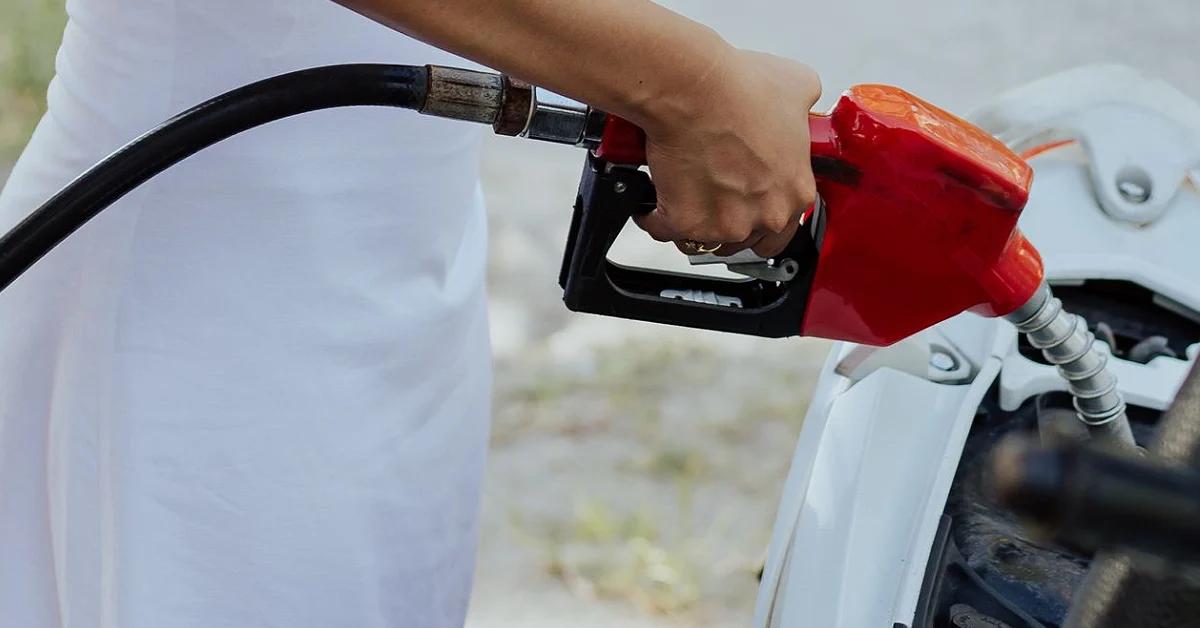
A motorcycle does not need to have a full gas tank all the time. For everyday riding, a full tank is mainly useful for convenience and longer range, while consistently running nearly empty is best avoided. If you are taking a long trip or storing your scooter for an extended period, filling the tank can be more practical, but never overfill it.
Free Cancellation
24/7 Support
Insurance
Start Date - End Date
Start Time
End Time
Duration
0 Day(s)
Key Takeaways:
No. You do not need to keep your scooter's gas tank completely full every day.
For short trips around town, a half-full tank can be perfectly practical if fuel stations are easy to find.
The main benefit of filling the tank is having more fuel available when you need it, rather than making the scooter more fuel-efficient.
A full tank becomes more useful when you are planning a long-distance ride, traveling through areas with fewer fuel stations, or want to minimize stops during your journey.
The same principle applies when renting a scooter in Bali.
If you are exploring areas such as Seminyak, Canggu, Ubud, or other parts of the island, your ideal fuel level depends more on your route than on a rule that says every scooter must always be full.
No. Having a full tank does not automatically make a scooter use less fuel.
Motorcycle fuel economy depends on several factors, including:
If you're still uncertain about your next steps, don't worry, as we're here to address all your queries and concerns.
Not necessarily. A full tank is useful for long rides, remote routes, or extended storage, but it is not required for everyday riding. What matters most is avoiding routinely running the tank nearly empty and never overfilling it.
No. A full tank does not directly improve fuel economy. Motorcycle fuel consumption is influenced more by riding speed, acceleration, traffic, tire pressure, load, road conditions, and overall scooter maintenance.
Occasionally riding with a low fuel level does not automatically damage the scooter. However, routinely riding until the tank is nearly empty increases the risk of running out of fuel and is generally better avoided.
It depends on the fuel tank capacity and the scooter's real-world fuel economy. You can estimate the range by multiplying tank capacity by average km/L. Actual range can vary depending on traffic, speed, terrain, rider weight, and riding habits.
Yes, as long as you fill it only to the manufacturer's recommended level. Do not continue filling into the filler neck or deliberately overfill the tank, because gasoline can expand with heat and potentially spill.
Yes. Starting a long trip with a full tank gives you more usable range and reduces the need to stop for fuel. If you will travel through an area with few fuel stations, refueling before entering that area is especially advisable.
How to Find Gas Station Near You in Bali Easily
How Long Does 3 Bars of Gas Last in a Scooter When Riding in Bali?
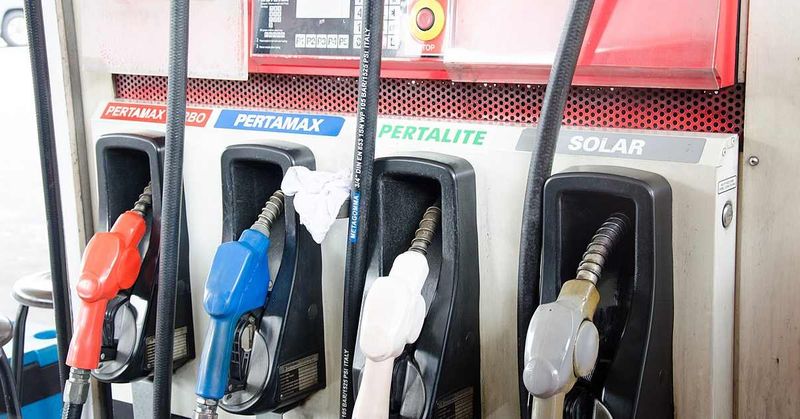
The Difference Between Pertamax and Pertalite for Scooter
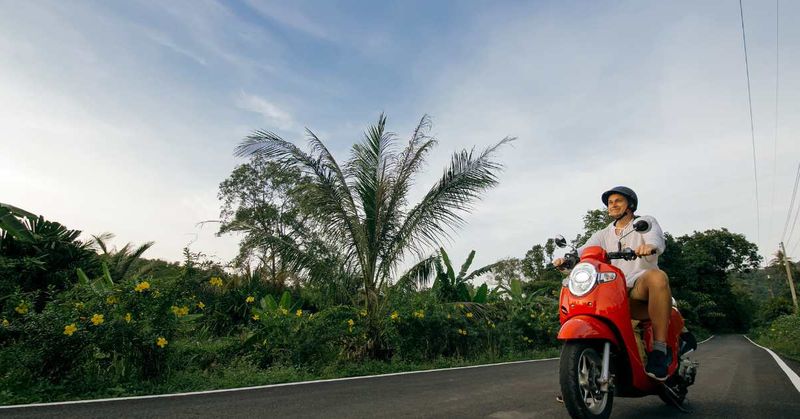
Cinchy Scooter Rental: Is There Any Gasoline Policy for Motorcycle Rent?
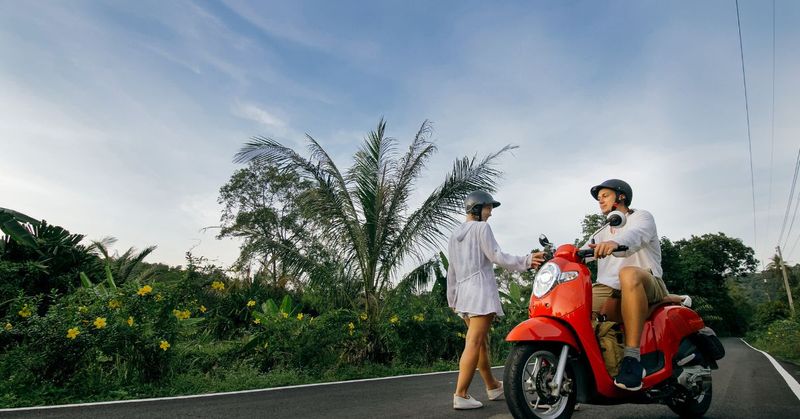
Cinchy Bali Scooter Rental Provides Various Payment Options

Cinchy Bali: Scooter Hire for Beginners – Automatic Only!
A full tank simply means you have more fuel available. It does not change the amount of energy your engine gets from each liter of gasoline.
In fact, a completely full tank adds some additional weight compared with a nearly empty tank.
The difference is generally not large enough to make a full tank a meaningful fuel-saving strategy for everyday riding.
Running nearly empty once does not automatically mean your scooter will be damaged. However, making a habit of riding until the tank is almost dry is not ideal.
The most obvious problem is range. You may suddenly run out of fuel before reaching the next gas station, particularly when riding in an unfamiliar area.
There is also the fuel system to consider. Many modern scooters use an electric fuel pump located inside or around the fuel tank. Maintaining an adequate fuel level helps keep the system operating as designed.
You should therefore think of a low fuel warning as a reminder to refuel, rather than a challenge to see how many more kilometers you can squeeze out of the tank.
A partially empty fuel tank contains more air space above the fuel. Under changing temperature and humidity conditions, moisture in that air can potentially condense inside the tank.
Over time, water contamination and repeated exposure to moisture can contribute to corrosion, particularly in tanks or components susceptible to rust.
This is one reason keeping an appropriate fuel level can be useful when a scooter will not be used for an extended period.
However, it does not mean that a half-full tank will immediately develop rust. The actual risk depends on factors such as the tank material, fuel condition, storage environment, humidity, and how long the scooter remains unused.
Yes, filling a scooter's fuel tank to its normal recommended level is generally fine.
The important distinction is between a full tank and an overfilled tank.
When refueling, follow the manufacturer's instructions and stop at the recommended fill level. Do not continue adding gasoline simply to squeeze in a few extra drops.
Gasoline can expand when exposed to heat. Overfilling can therefore increase the possibility of fuel reaching areas where it should not be, spilling, or creating unnecessary fuel vapor.
Think of it this way:
The first is normal. The second should be avoided.
There is no universal answer because motorcycle fuel range varies significantly between models and riding conditions.
You can estimate your scooter's range using this simple formula:
Estimated range = fuel tank capacity × real-world fuel economy
For example, if a scooter has a 5-liter tank and achieves 40 km/L under your actual riding conditions:
5 L × 40 km/L = 200 km
That does not necessarily mean you should plan a 200-kilometer journey without refueling.
Traffic, hills, acceleration, passenger weight, luggage, weather, tire pressure, and other conditions can change fuel consumption. Your fuel gauge may also indicate a reserve rather than an exact measurement of remaining fuel.
For practical trip planning, leave yourself a safety margin instead of treating the theoretical maximum as your guaranteed range.
The most useful fuel economy figure is the one you obtain from your own scooter under normal riding conditions.
Refuel to the standard recommended level. Do not overfill the tank.
Reset your trip meter to zero so you can measure the distance covered.
Use the scooter as you normally would rather than deliberately changing your riding style to achieve the best possible fuel economy.
When you refuel, note how many kilometers you have traveled.
Check how many liters you need to refill the tank.
Use:
Fuel economy = distance traveled ÷ liters of fuel added
For example, traveling 160 km and adding 4 liters gives:
160 ÷ 4 = 40 km/L
You can then use this real-world number to estimate your scooter's range more accurately.
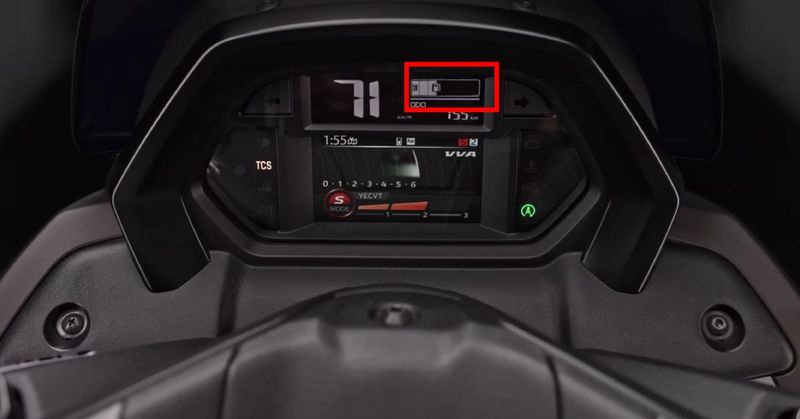
If you want to know how to calculate if you have 3 bars of gas can go for a ride in Bali, please check this out: How Long Does 3 Bars of Gas Last in a Scooter When Riding in Bali?
There is no single fuel level that every rider must follow.
Instead, consider your destination and access to fuel.
Starting with a full tank gives you the maximum practical range and reduces unnecessary stops.
If you know fuel stations will be limited, do not wait until the tank is nearly empty.
Avoid making a habit of riding until the scooter is almost out of fuel.
If you are riding short distances and can easily find fuel, there is no need to refill every time the fuel level drops slightly.
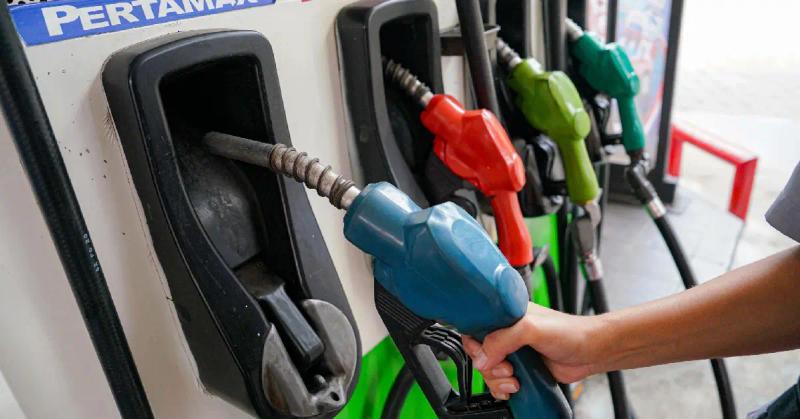
If you want to know where to find a gas station in Bali, please check this out: How to Find Gas Station Near You in Bali Easily.
For short periods, such as a few days, there is usually no need to obsess over having a completely full tank.
Long-term storage is different.
If a scooter will sit unused for an extended period, fuel preparation becomes more important. Fresh fuel, appropriate storage procedures, and—where recommended—fuel stabilizer can help reduce problems associated with old or degraded gasoline.
A full tank can also reduce the amount of air space inside the tank, which can help minimize conditions that contribute to condensation and corrosion.
Always follow the scooter manufacturer's storage recommendations because fuel systems and storage requirements can differ between models.
Yes. Gasoline can degrade over time, particularly when a scooter remains unused for an extended period.
Old fuel can lose quality and potentially contribute to deposits or fuel-system problems.
This is why simply filling a scooter with gasoline and leaving it untouched for a very long time is not a complete storage strategy.
For extended storage, the condition and age of the fuel matter just as much as the fuel level.
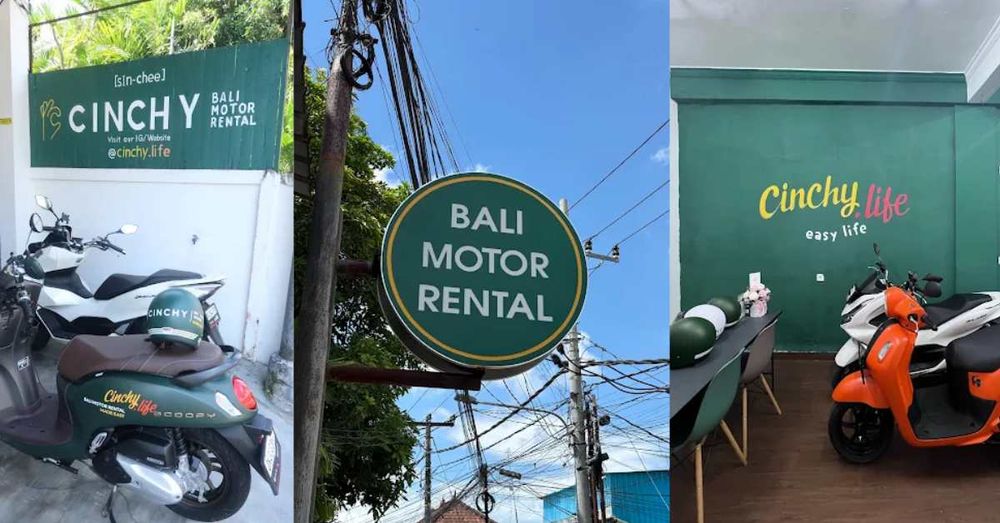
If you are renting a scooter for a Bali holiday, fuel planning is one less thing to worry about when you choose a rental service that prepares the scooter properly.
At Cinchy, every scooter comes with fuel when you pick it up.
If you prefer maximum convenience and do not want to stop for fuel after starting your trip, you can also add a full-tank petrol option for IDR 180,000 during booking.
Cinchy focuses on making the rental process straightforward, with scooters that are regularly maintained and prepared for customers.
You can also check scooter availability in real time through the website, so you can see which options are available for your selected rental period, even when planning around Bali's peak or low seasons.
Cinchy offers two main scooter categories, making it easier to choose based on your comfort, luggage, and travel plans.
The Compact category includes Honda Scoopy, Yamaha Fazzio, and Honda Vario. These scooters are suitable for travelers who want an easy-to-handle option for getting around Bali.
Rates start from:
For riders who prefer a larger scooter and additional comfort, the Comfort category includes Yamaha NMAX and Honda PCX.
Rates start from:
Whether you choose Compact or Comfort, you can check availability for your exact dates before booking instead of guessing whether your preferred scooter will still be available.
Delivery and pickup are also available across several popular locations:
| Location | Delivery & Pickup |
| I Gusti Ngurah Rai Airport | FREE |
| Seminyak | FREE |
| Kuta & Legian | FREE |
| Canggu | IDR 20,000 |
| Sanur | IDR 40,000 |
| Nusa Dua | IDR 65,000 |
The standard rental setup also includes practical essentials such as a helmet, hair nets, a phone holder, and a raincoat.
For additional peace of mind, Cinchy offers different coverage options. Basic Coverage includes repair protection above IDR 2 million, while Full Coverage provides zero deductible for repairs resulting from scratches or accident damage. VIP coverage also includes theft protection when the mandatory theft protocol is followed.
If you are visiting Bali, you can make fuel planning even simpler with Cinchy.
Every rental comes with fuel, and you can add a full-tank petrol option during booking if you want to start your trip without stopping at a fuel station.
Ready to explore Bali by scooter?
 travel tips
 hidden gems
 scooter guides
 riding tips
 bali guides
 cultural insight