1


Stay in Touch
Get the latest updates, special offers, and exclusive Cinchy perks straight to your inbox.


Jl. Plawa No.50, Seminyak, Kec. Kuta, Kabupaten Badung, Bali 80361

CALL US 24/7
(+62-851-7424-6249)
Copied!

We’ll be Back
at
8:30 AM-9 PM WITA




Payment Partners


© 2026 CINCHY. ALL RIGHTS RESERVED.
Cinchy Blog / Fuel Tank Indicator Not Working? How to Handle Gauge Issues on a Scooter
Published: 11 Oct 2026

By Syahrial Maulana Sudarto
Travel Enthusiast
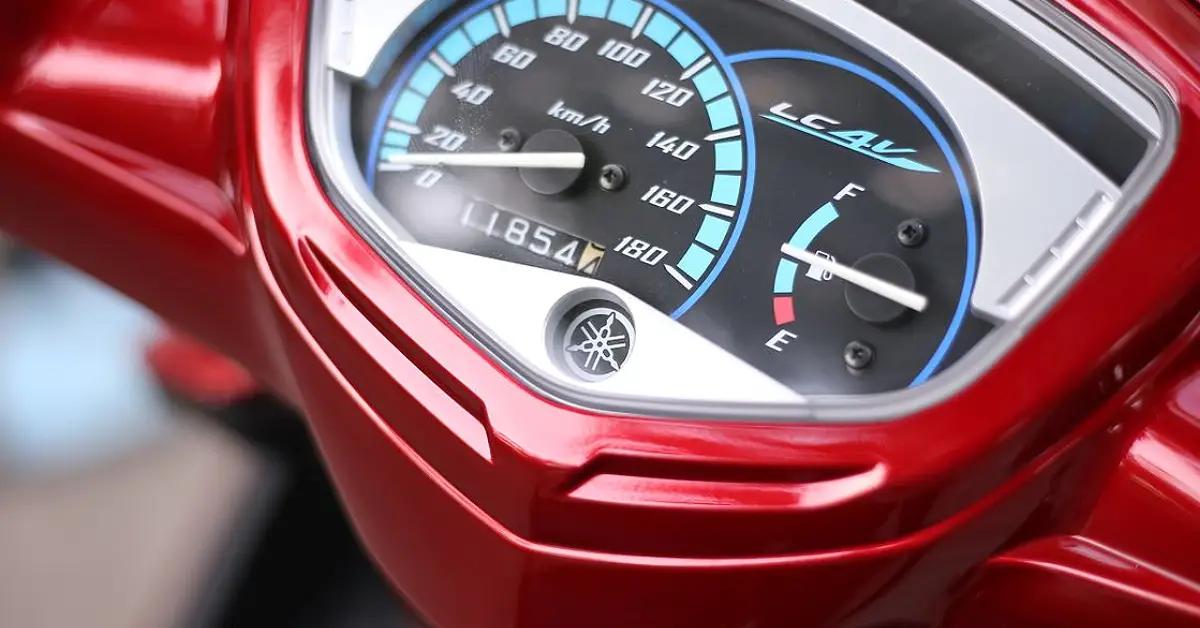
Quick Answer
“Is your scooter's fuel tank indicator not working?”
If your scooter's fuel tank indicator is not working, the problem may come from the fuel level sensor, float, wiring, ground connection, fuse, or instrument cluster. Check whether the gauge is stuck on empty, stuck on full, fluctuating, or completely unresponsive, as each symptom can point to a different cause.
Free Cancellation
24/7 Support
Insurance
Start Date - End Date
Start Time
End Time
Duration
0 Day(s)
Key Takeaways:
A scooter fuel gauge is designed to show the approximate amount of fuel remaining in the tank. When the reading stops working correctly, several components can be responsible rather than the dashboard gauge itself.
The most common causes include a faulty fuel level sensor, a stuck fuel float, loose or damaged wiring, a poor ground connection, a blown fuse, or a problem with the instrument cluster.
The first step is therefore to identify what the gauge is doing, rather than immediately replacing a component.
The fuel level sensor, also called a fuel sender or sending unit, measures the fuel level inside the tank. It normally works together with a float that moves according to the amount of fuel.
If the sensor develops a fault, the fuel indicator may remain on empty, stay on full, provide an inaccurate reading, or fail to respond to changes in fuel level.
The float moves as the fuel level changes. If it becomes stuck, damaged, or unable to move through its normal range, the fuel gauge may display an incorrect level.
This can make the gauge appear broken even though the problem is actually inside the fuel tank's sending mechanism.
The fuel level sensor needs an electrical connection to send its signal to the gauge. A loose connector, damaged wire, corrosion, or poor contact can interrupt that signal.
If you're still uncertain about your next steps, don't worry, as we're here to address all your queries and concerns.
A scooter fuel gauge may stop working because of a faulty fuel level sensor, stuck float, damaged wiring, poor ground connection, blown fuse, or defective instrument cluster. Check the symptoms first to narrow down the possible cause.
A fuel gauge stuck on empty may indicate a faulty fuel sender, disconnected wiring, a damaged sensor, or a stuck float. Do not assume the tank is empty based on the gauge alone; refuel if you are unsure about the remaining fuel.
A fuel gauge that stays on full may have a stuck float, faulty fuel level sensor, wiring issue, or instrument cluster problem. A technician can test the sender circuit to identify the actual cause.
You may be able to ride if the scooter operates normally and has no fuel leaks or other safety issues. However, do not rely on the faulty gauge to estimate your remaining fuel. Use the trip meter as a temporary reference and refuel earlier than usual.
Possible signs include a gauge stuck on empty or full, inconsistent readings, or a fuel indicator that does not respond after refueling. However, similar symptoms can result from wiring or gauge problems, so further testing may be necessary.
Small changes during acceleration, braking, or cornering can be normal because fuel moves inside the tank. However, sudden or repeated jumps between empty and full may indicate a faulty sender, damaged float, loose connector, or electrical issue.
If the problem appears intermittently, especially after riding over bumps, checking the wiring and connector is particularly useful.
Electrical problems can also affect a fuel gauge. A poor ground connection can cause abnormal readings, while a blown fuse may interrupt power to the gauge or other dashboard components.
If several electrical features stop working at the same time, investigate the scooter's electrical system before assuming the fuel sensor has failed.
If the fuel sensor and wiring are working correctly but the display remains incorrect, the problem may be inside the instrument cluster or fuel gauge itself.
Because diagnosing the cluster can require electrical testing, this is generally better handled by a qualified technician.
The basic system is relatively simple:
Fuel level → Float → Fuel level sensor → Electrical signal → Wiring → Fuel gauge
As the fuel level changes, the float moves. The fuel level sensor converts that movement into an electrical signal, which the scooter's instrument system uses to display an approximate fuel level.
This is why a problem anywhere between the sensor and the dashboard can result in a fuel indicator that does not work properly.
It is also important to remember that fuel gauges are not always perfectly linear. The shape of the tank, sensor position, and gauge calibration can affect how quickly the displayed level changes.
If your fuel gauge stays on empty after you have refueled, do not immediately assume that the fuel gauge itself is broken.
A disconnected fuel sender wire, faulty fuel level sensor, stuck float, or electrical connection problem can prevent the gauge from receiving the correct signal.
First, check whether the rest of the dashboard operates normally. If the scooter starts and other electrical functions work, the problem may be isolated to the fuel gauge circuit.
If the gauge remains on empty consistently, the fuel sender and its wiring should be inspected.
A fuel gauge that stays on full can also indicate a sensor or circuit problem.
The float may be stuck in a raised position, or the fuel sender may be providing an incorrect signal. Wiring faults can also cause the gauge to receive an abnormal signal.
If the gauge stays on full regardless of how much fuel is in the tank, avoid relying on the indicator until the problem has been diagnosed.
Some movement is normal when a scooter accelerates, brakes, turns, or travels on uneven roads because fuel moves inside the tank.
However, repeated or extreme changes are different. If the indicator suddenly jumps between full and empty without a corresponding change in fuel level, the fuel sender, float, wiring, connector, or ground connection may need inspection.
A slightly non-linear reading is not necessarily a fault. The gauge may also be designed to move more slowly through certain parts of its range.
Read Also:
Start with the simplest checks before attempting anything that requires access to the fuel tank.
Switch the ignition on and observe the fuel indicator.
Check whether the gauge responds at all and whether any other dashboard warning lights or indicators behave unusually.
Test simple functions such as the horn, turn signals, headlights, and dashboard.
If several electrical components are not working, the problem may involve the scooter's main electrical system rather than the fuel level sensor alone.
A blown fuse can interrupt power to electrical components.
If you find a blown fuse, replace it only with the correct specification for your scooter. If the replacement fuse fails again, have the electrical system inspected rather than repeatedly replacing the fuse.
Look for obvious signs of:
Do not pull or disconnect fuel-system components unnecessarily, particularly if you are unfamiliar with the scooter's electrical system.
A poor ground can create intermittent or inaccurate electrical readings.
If you are comfortable performing basic electrical checks, inspect the relevant ground connection according to the scooter manufacturer's service information.
The fuel float and sender are located inside or around the fuel tank area on many scooters. Access procedures vary by model.
Because fuel is highly flammable, avoid opening the fuel system unless you understand the correct procedure and have the appropriate tools and safety precautions.
A multimeter can be used to check the electrical characteristics of some fuel level sensors.
However, do not assume there is one universal resistance value for every scooter. The correct specification varies between manufacturers and models.
Always use the service manual for your specific scooter when determining whether a sensor's resistance is within specification.
A fuel gauge problem does not always require extensive repairs, but some situations are better left to a technician.
Stop DIY troubleshooting if you need to open the fuel tank, remove the fuel pump assembly, work around exposed fuel, investigate damaged electrical wiring, or perform electrical tests that you are not comfortable with.
You should also stop if you notice a fuel leak, strong gasoline smell, melted wiring, or other unusual signs around the fuel system.
The goal is not simply to make the indicator work again. The fuel system and electrical system also need to remain safe.
A scooter may still operate normally even when its fuel gauge is not working. However, you should not rely on the faulty indicator to determine how much fuel remains.
As a temporary solution, use the trip meter. Reset it after refueling and keep track of how far you normally travel before your next refueling stop.
This method is only an estimate because actual fuel consumption can change with traffic, riding conditions, passenger weight, road elevation, and riding style.
If you are unsure about your remaining fuel, refuel earlier rather than attempting to maximize the scooter's range.
Not necessarily.
A fuel gauge does not always decrease at a perfectly consistent rate. The fuel tank's shape and the position of the fuel level sensor can cause the gauge to remain near one level for a while and then move more quickly through another section.
For example, a gauge staying near “Full” after a short distance does not automatically indicate a faulty fuel sensor.
The important question is whether the reading is reasonably consistent with the actual fuel level and whether it behaves normally for that particular scooter.
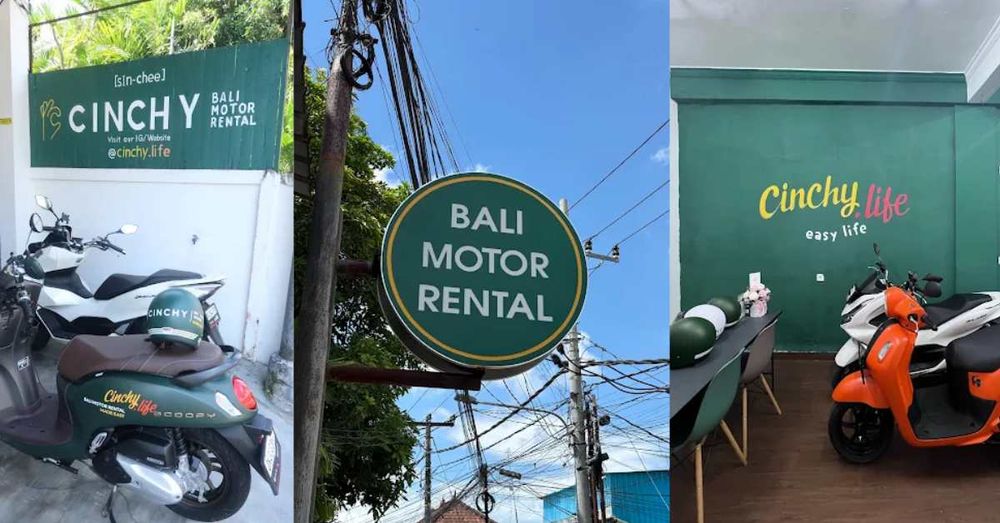
If you are renting a scooter in Bali, a fuel gauge problem can be particularly inconvenient because you may not know the scooter's actual fuel level while travelling around the island.
Cinchy provides well-maintained, regularly serviced scooters, with newer model-year units designed to keep your trip simple.
Cinchy's Compact category includes Honda Scoopy, Yamaha Fazzio, and Honda Vario, starting from IDR 95K/day, while the Comfort category includes Yamaha NMAX and Honda PCX, starting from IDR 155K/day.
Every rental includes a helmet, with a “Brand New Helmet - Be the First to Use” upgrade available for IDR 100,000.
You can also check real-time scooter availability through the website before booking, whether you are travelling during Bali's peak season or a quieter period.
If you experience a scooter issue during your rental, contact the Cinchy admin team instead of attempting a repair yourself, and assistance with the unit can be arranged without unnecessary hassle.
 travel tips
 hidden gems
 scooter guides
 riding tips
 bali guides
 cultural insight