1


Stay in Touch
Get the latest updates, special offers, and exclusive Cinchy perks straight to your inbox.


Jl. Plawa No.50, Seminyak, Kec. Kuta, Kabupaten Badung, Bali 80361

CALL US 24/7
(+62-851-7424-6249)
Copied!

We’ll be Back
at
8:30 AM-9 PM WITA




Payment Partners


© 2026 CINCHY. ALL RIGHTS RESERVED.
Cinchy Blog / Bali Traditional Dances: 15 Dances You Must Watch & Where to Watch Them Live
Published: 11 Feb 2026

By Ulfah Alifah
Travel Enthusiast
Free Cancellation
24/7 Support
Insurance
Start Date - End Date
Start Time
End Time
Duration
0 Day(s)
Bali is often called the "Island of the Gods." But beyond its beautiful beaches and green rice terraces, Bali has a soul that beats to the rhythm of the gamelan. Traditional dance here is not just a show for tourists. It is a way of life, a form of prayer, and a deep connection to history.
If you visit Bali, watching a traditional dance is something you cannot miss. The costumes are bright and colorful. The movements are sharp and full of energy. The eyes of the dancers tell a story without saying a single word.
Whether you are a first-time visitor or a local wanting to know more about your culture, this guide is for you. We will explore the types of dances and the 15 best dances you must see. We also tell you exactly where to go, how much it costs, and when to watch them.
Balinese dance is not all the same. In 2015, UNESCO recognized three genres of traditional Balinese dance. These categories help us understand the purpose of each performance.
These are the most holy dances. You will usually see them inside the inner sanctum of a temple (jeroan). They are performed for the gods, not for an audience.
These dances are semi-sacred. They are usually performed in the middle courtyard of a temple (jaba tengah). They accompany rituals but also entertain the worshipers.
These are the dances you will most likely see on a stage. They are performed in the outer courtyard (jaba sisi) or special theaters. They are made for entertainment but still keep the high skill and spirit of Balinese art.
Here is your ultimate list of dances. We have included the best places to see them so you can plan your Bali itinerary 4 days 3 nights.
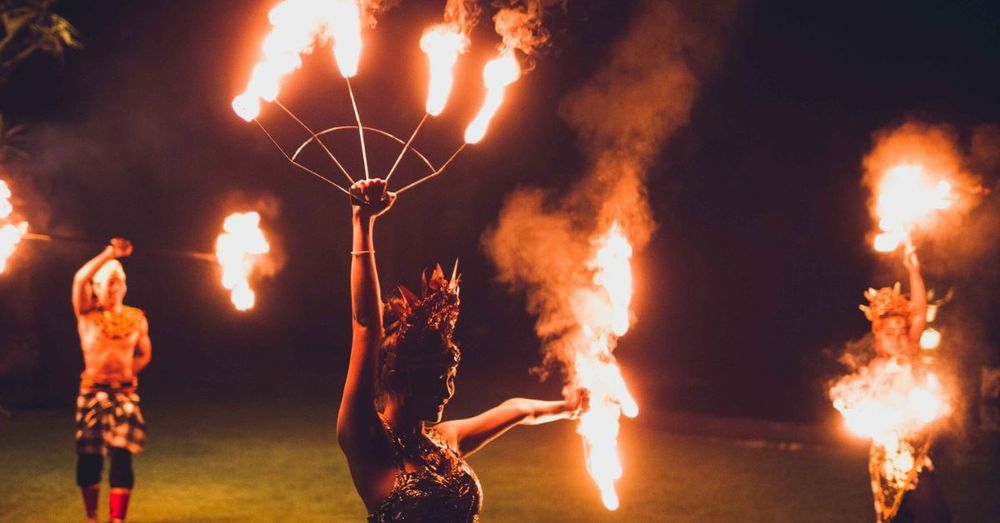
This is the most famous dance in Bali. There are no musical instruments. Instead, a choir of 50 to 100 men chants "Cak-cak-cak" in a trance-like rhythm. The dance tells the story of the Ramayana, where Prince Rama tries to save his wife Sita from the giant king Rahwana. The highlight is the fire scene at the end.
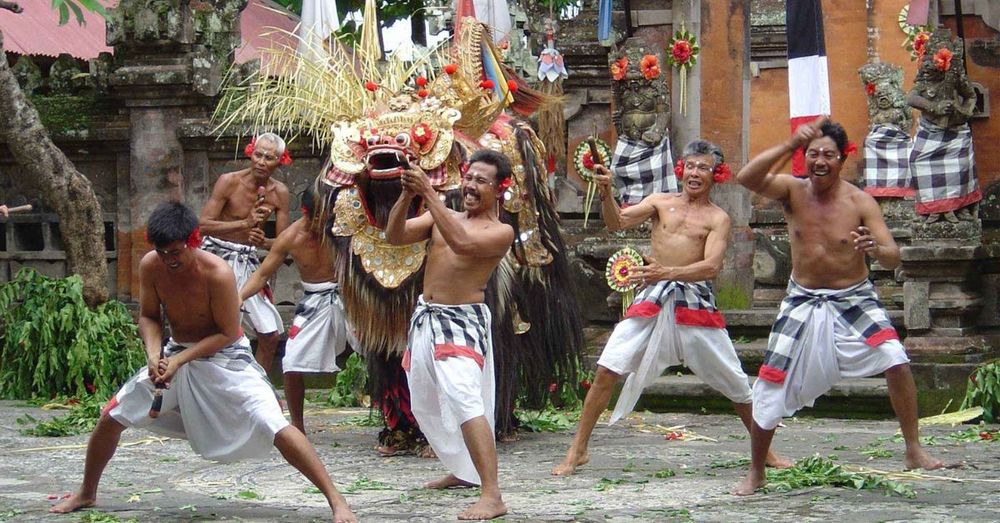
The Barong is a lion-like creature that represents good spirits. He fights against Rangda, the demon queen who represents evil. This dance shows the eternal battle between good and bad. The "Keris" part involves dancers in a trance who pretend to stab themselves with daggers but are protected by the Barong’s magic.
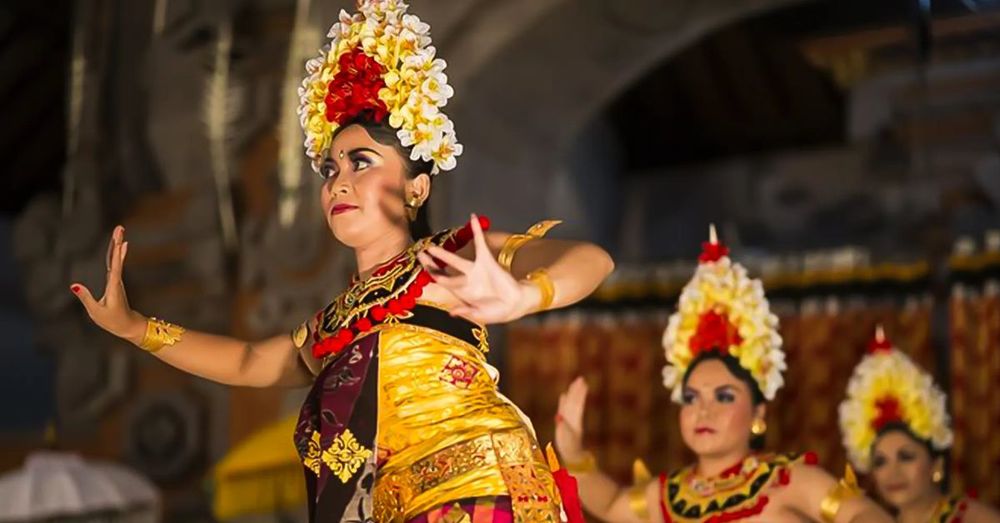
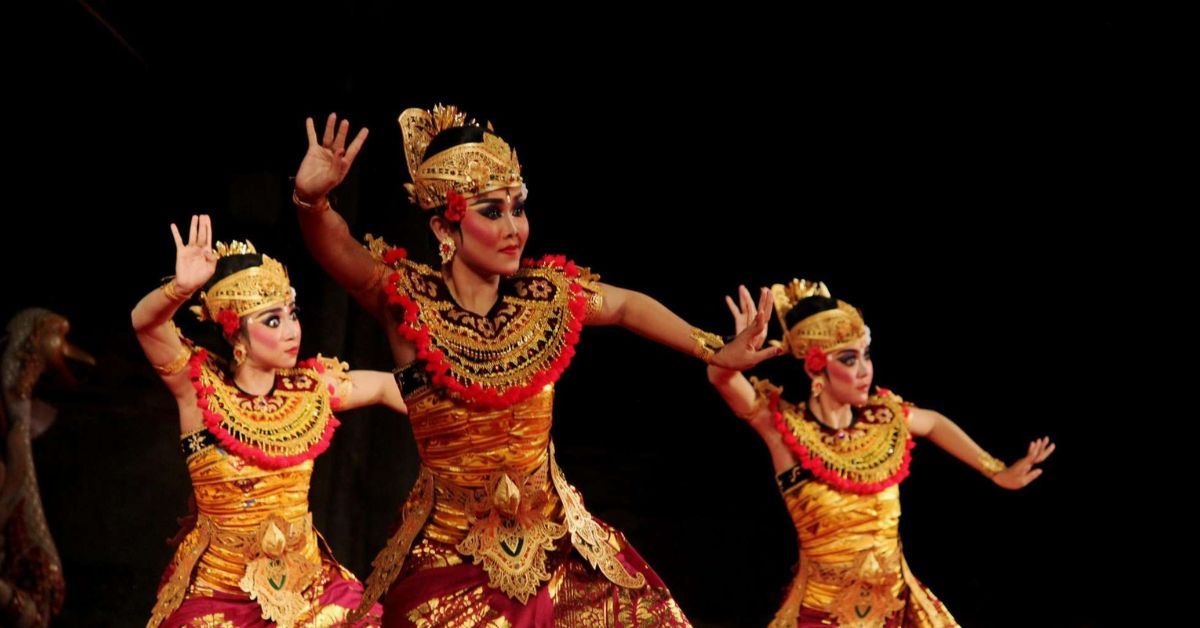
Legong is known for its intricate finger movements, complicated footwork, and expressive eyes. It was once a royal entertainment. The dancers are usually young girls dressed in gold and silk. The movements are very fast and require years of training.
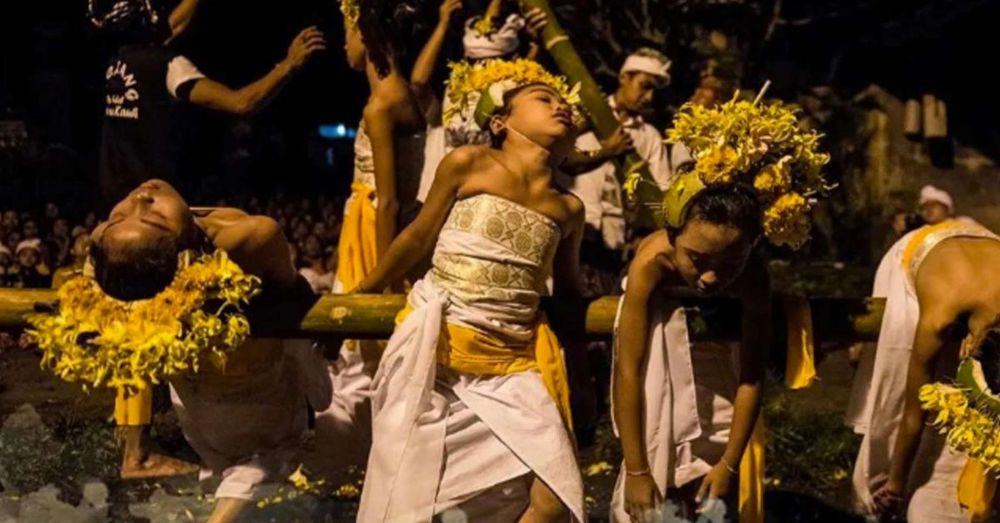
This is a rare and mystical dance. Two young girls, who have never been trained in dance, enter a trance state. They dance in perfect unison with their eyes closed. Locals believe they are possessed by celestial spirits (Dedari). It is traditionally performed to chase away illness or bad spirits.
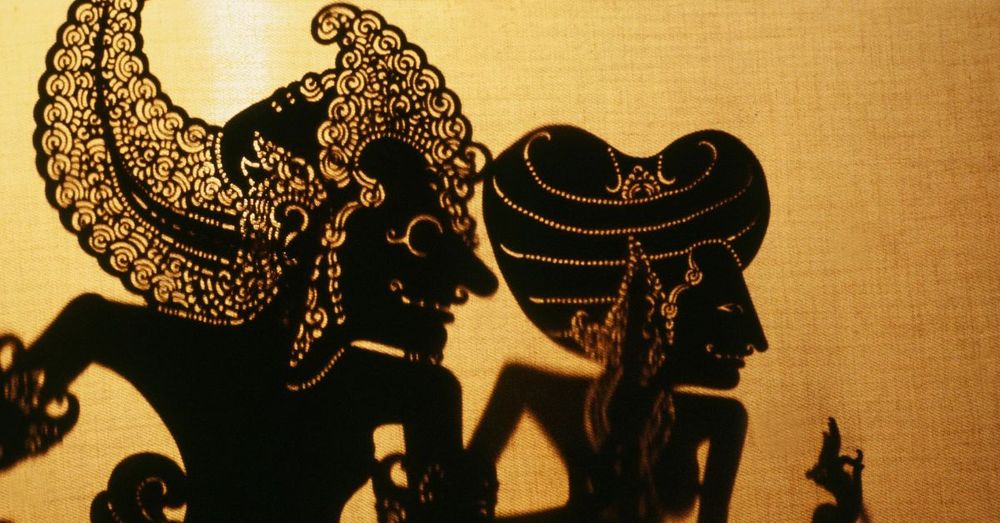
While not a "dance" with human bodies, this is a crucial part of Balinese performance art. The Dalang (puppet master) manipulates leather puppets behind a white screen with a lamp. He tells ancient Hindu epics and does all the voices himself.
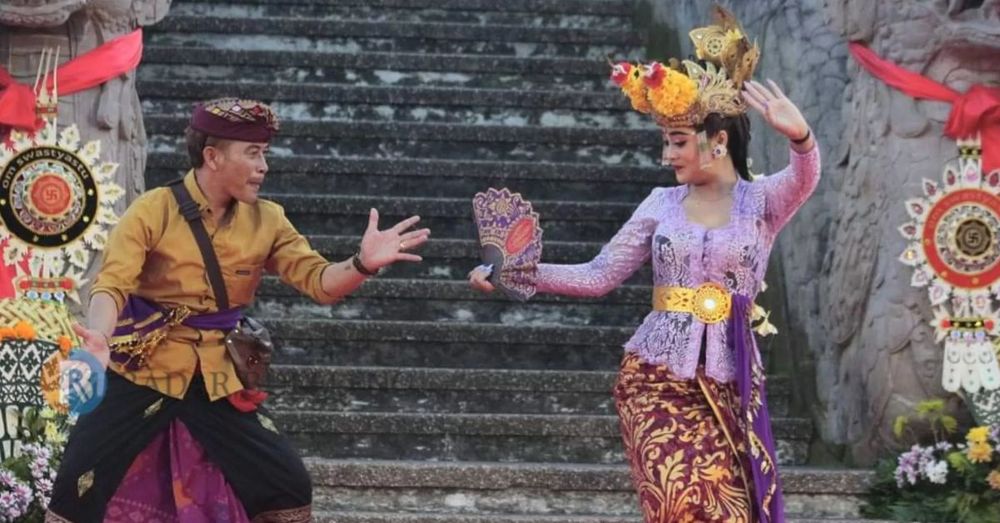
This is a social dance meant for fun and flirtation. A female dancer performs and then invites a male from the audience to join her. It is accompanied by bamboo instruments called "Gamelan Joged Bumbung." It is lighthearted and often funny.
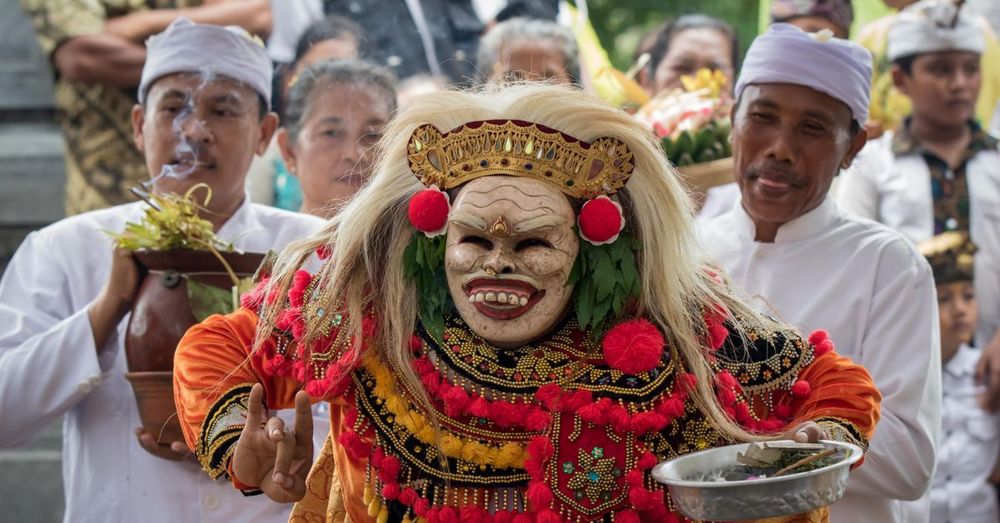
"Topeng" means mask. In this dance, the performer wears different masks to play different characters—kings, ministers, or clowns. The "Topeng Sidakarya" is a sacred version performed at ceremonies. For entertainment, the "Topeng Tua" (Old Man Dance) is very famous. The dancer perfectly mimics the movements of an old man.
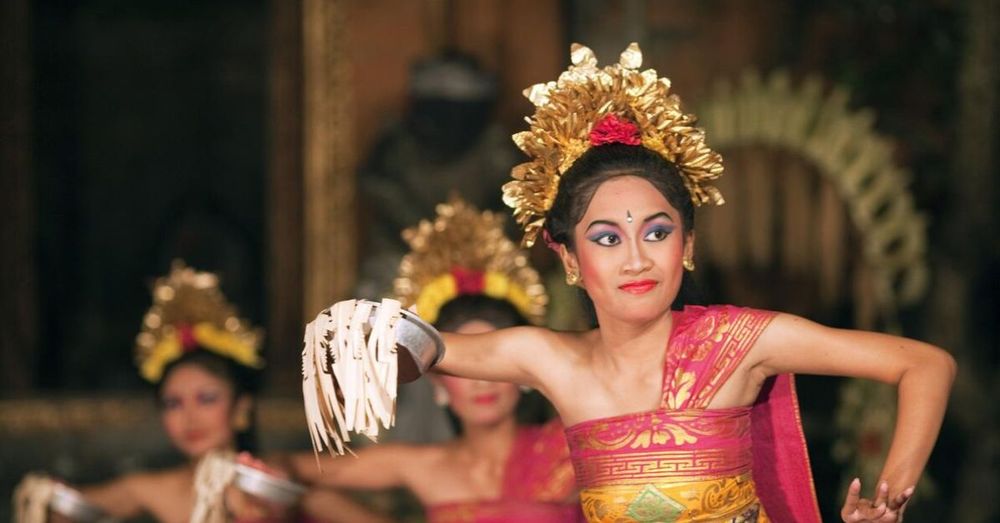
Originally, Pendet was a sacred dance performed by women to welcome the gods at a temple. Today, it has evolved into a "Welcome Dance" for guests. Dancers carry bowls of flower petals and scatter them into the audience as a symbol of blessing.
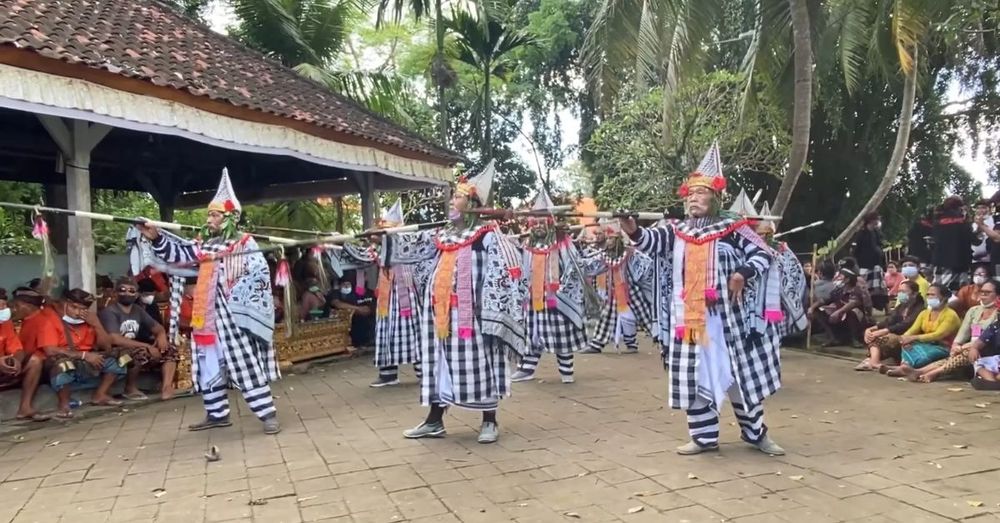
Baris means "line" or "formation." It is a warrior dance performed by men. The dancer moves with strong, rigid shoulders but very dynamic hands. His eyes must be wide open and fierce, looking for enemies. The "Baris Tunggal" is a solo performance depicting a young warrior preparing for battle.
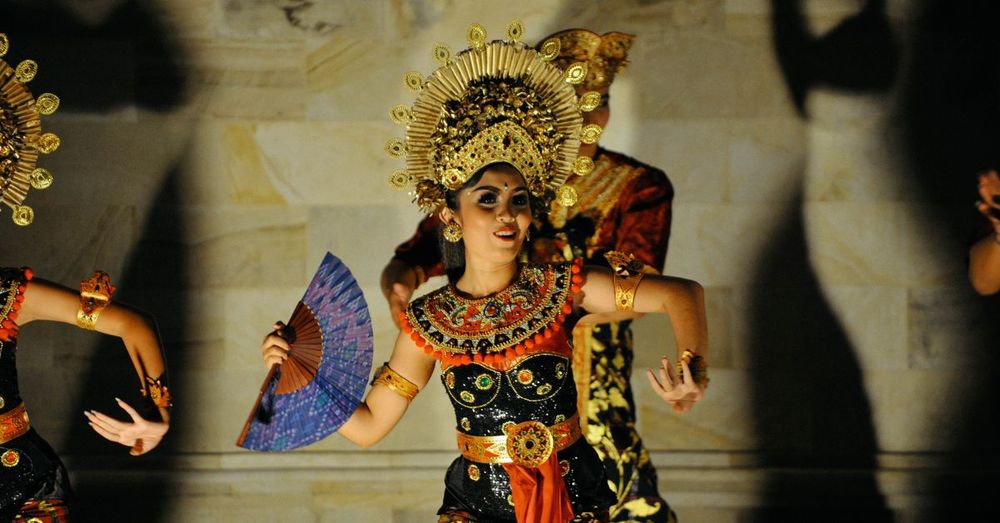
This is a "friendship" dance performed by a group of young men (Kecak) and women (Janger). They sit in two rows facing each other. They sing folk songs and move in harmony. It started in the 1930s and reflects the joy of youth.
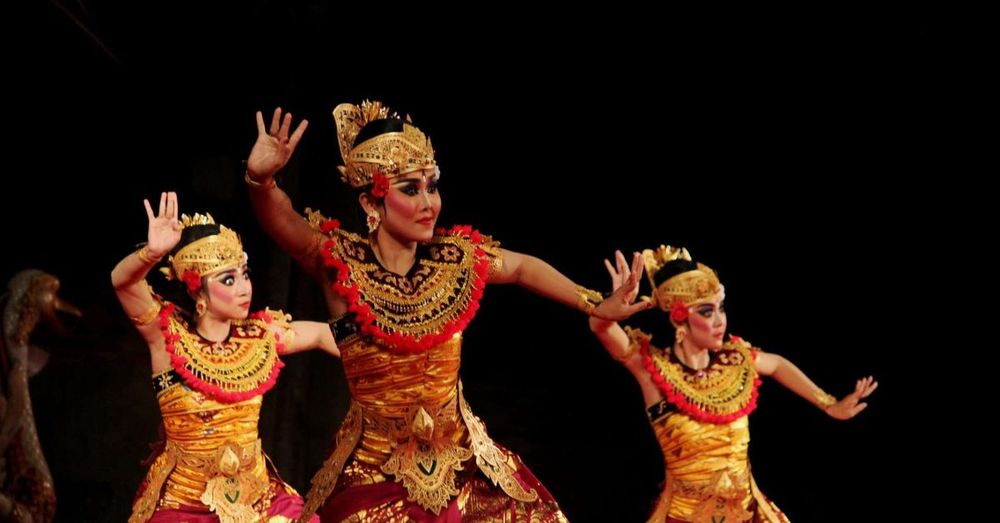
Gambuh is one of the oldest forms of Balinese dance-drama. It is very formal and classical. The movements are slow and graceful. The music uses long bamboo flutes that create a haunting sound. It is the root of many other Balinese dances. At Pura Samuan Tiga, the performances are held during Piodalan (temple holy days) or Usaba Sambah at Pura Samuan Tiga. The schedule follows the Balinese calendar and varies weekly.
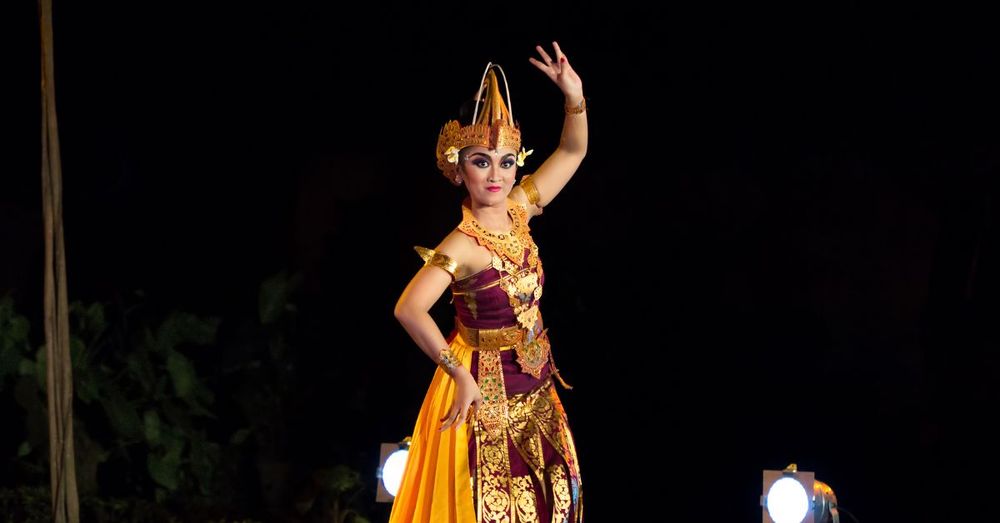
This is known as the "Bird of Paradise" dance. It is a modern creation but deeply rooted in tradition. Two female dancers enact the mating rituals of the Cendrawasih bird. Their costumes have long tails that they manipulate like wings.
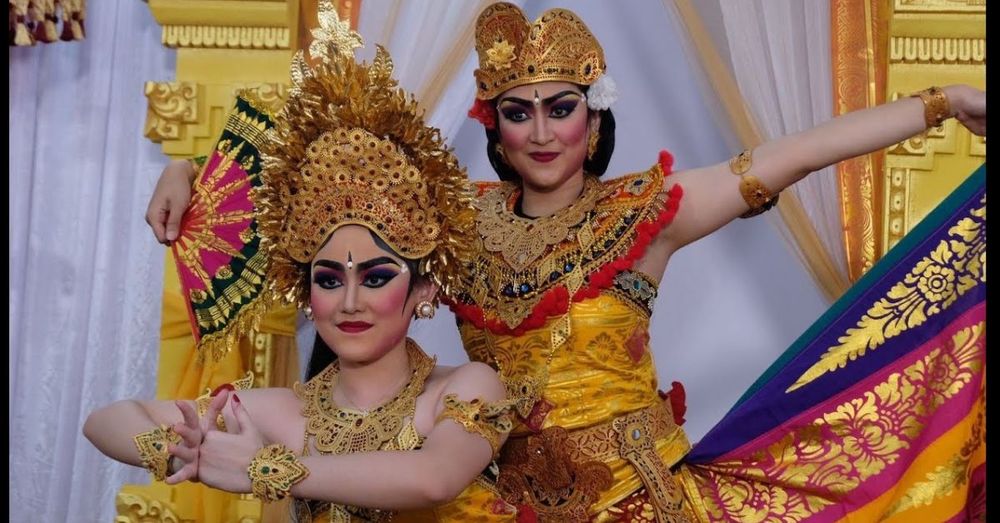
This is the "Bumblebee Dance." It is a duet between a male and a female dancer. They act out a love story between two bumblebees in a garden. It is romantic, flirtatious, and very elegant.
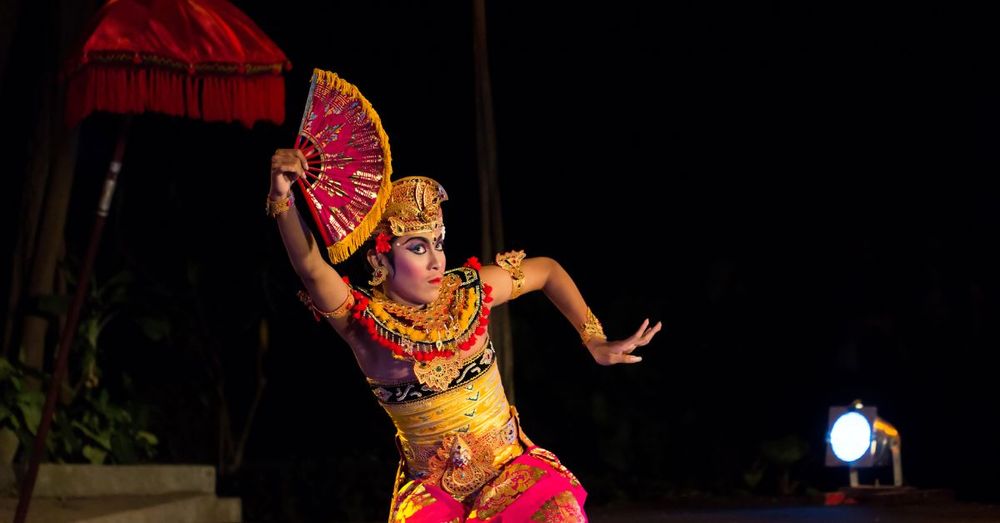
This dance is unique because the dancer performs mostly in a sitting or squatting position. "Duduk" means to sit. The dancer uses his upper body, arms, and face to express the music. It requires incredible core strength and balance.
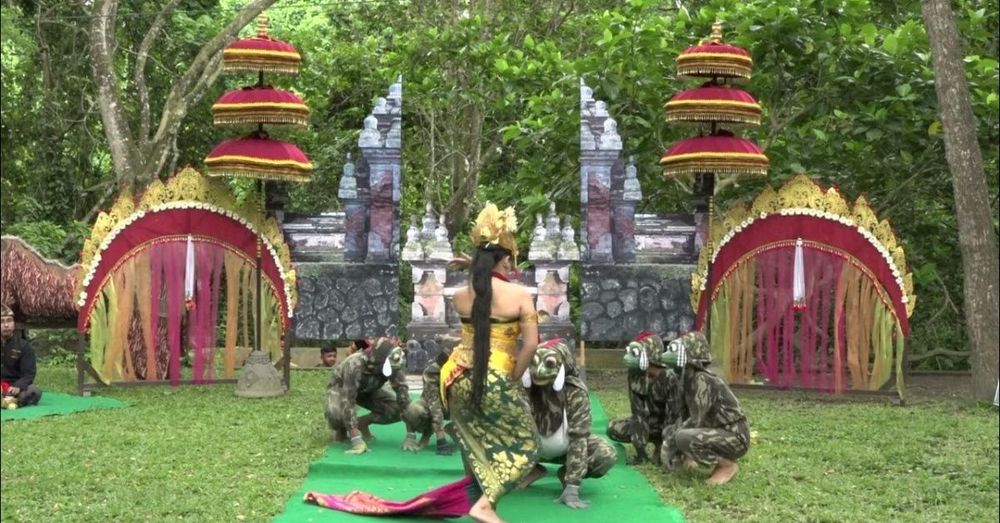
This is a fun and unique performance. The music is made by "Genggong," a traditional jaw harp made of palm wood. The dancers dress as frogs and mimic their movements. It tells the story of a frog who wants to marry a princess.
To make sure you have the best experience, keep these tips in mind.
If the dance is inside a temple like Uluwatu or Batuan, you must wear a sarong and sash. Usually, these are provided with your ticket. If the dance is on a public stage like Ubud Palace, casual clothes are fine, but modest dress is always respectful. Read more about Bali temple etiquette before you go.
Popular shows like the Kecak in Uluwatu get very crowded. If the show starts at 6:00 PM, try to arrive by 4:30 PM or 5:00 PM to get a good seat facing the sunset.
Don't use flash photography, as it can distract the performers. Also, never walk onto the stage area while they are dancing. For more on how to behave, check our guide on local laws and cultural norms in Bali.
Most dance locations are spread out. Uluwatu is in the south, while Ubud is in the center. Public transport is rare. The best way to get around is to rent a scooter. It gives you the freedom to go from a breakfast in Canggu to a sunset dance in Uluwatu.
If you are new to riding, you might wonder about the manual motorcycle vs automatic scooter choice. For most tourists, an automatic scooter like a Honda Vario or NMAX is the easiest and safest option.
Bali is a big island with so much to see. From the hidden waterfalls in the north to the busy streets of Legian, you need reliable transport.
Don't let transport issues stop you from seeing these amazing dances. Whether you are going to the temples in Seminyak or driving all the way to a waterfall in Ubud, having your own bike is the best way to travel.
If you are a solo traveler, make sure to read our solo travel safety tips. And always remember to wear a helmet! We also have a guide on how to start a keyless scooter if you rent a modern bike.
Ready to start your cultural adventure?
 travel tips
 hidden gems
 scooter guides
 riding tips
 bali guides
 cultural insight