1


Stay in Touch
Get the latest updates, special offers, and exclusive Cinchy perks straight to your inbox.


Jl. Plawa No.50, Seminyak, Kec. Kuta, Kabupaten Badung, Bali 80361

CALL US 24/7
(+62-851-7424-6249)
Copied!

We’ll be Back
at
8:30 AM-9 PM WITA




Payment Partners


© 2026 CINCHY. ALL RIGHTS RESERVED.
Cinchy Blog / Tap Water in Bali - Is It Safe to Drink?
Published: 10 Aug 2026
By Syahrial Maulana Sudarto
Travel Enthusiast
Quick Answer
“Is it safe to drink tap water in Bali?”
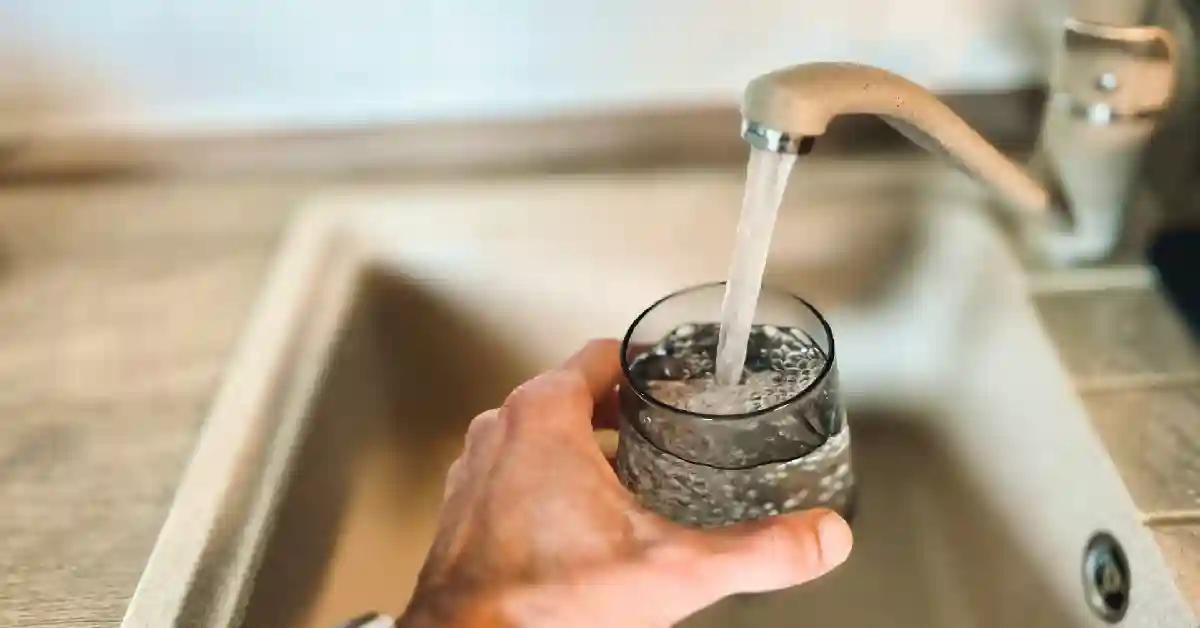
Untreated tap water in Bali is not recommended for drinking. Instead, choose factory-sealed bottled water, properly filtered water, or adequately treated water. Tap water quality can vary depending on its source, treatment, distribution system, and building plumbing, so travelers should not assume that every tap provides potable water.
Free Cancellation
24/7 Support
Insurance
Start Date - End Date
Start Time
End Time
Duration
0 Day(s)
Key Takeaways:
For most visitors, the safest answer is no, avoid drinking untreated tap water in Bali.
The UK Foreign, Commonwealth & Development Office (FCDO) specifically advises that tap water is not safe to drink in Indonesia.
The CDC also recommends taking precautions with tap water when traveling in destinations where water quality may be uncertain.
This does not mean every tap in Bali contains harmful contaminants. Water quality can differ depending on the water source, treatment process, storage tanks, distribution pipes, and plumbing at your accommodation.
Indonesia also has formal regulations covering environmental health and drinking-water requirements.
Permenkes No. 2 of 2023 provides the current regulatory framework for environmental health, showing that drinking-water safety is not simply a matter of whether water comes from a tap.
The main concern is potential contamination.
Water that looks clean and clear can still contain bacteria, viruses, parasites, or other contaminants.
According to the CDC, contaminated water can cause illnesses such as diarrhea, vomiting, and stomach pain, and it can become a problem when used for drinking, cooking, preparing drinks, making ice, or brushing your teeth.
Indonesia's household water-quality data also illustrates why "available water" and "safe drinking water" should not be treated as the same thing.
If you're still uncertain about your next steps, don't worry, as we're here to address all your queries and concerns.
For most travelers, drinking untreated tap water in Bali is not recommended. Choose factory-sealed bottled water, properly filtered water, or adequately treated water instead.
It depends on the hotel's water source and treatment system. Unless the hotel confirms that its tap water is treated and suitable for drinking, use bottled or verified filtered water.
If you are unsure about the water quality, use bottled or properly treated water when brushing your teeth. This reduces the risk of accidentally swallowing untreated tap water.
Properly boiling tap water can kill many harmful microorganisms, making it safer from a microbial perspective. However, boiling does not remove many chemical contaminants, so water from an uncertain source may still require additional treatment.
Ice from reputable restaurants, hotels, and cafes is generally a lower-risk option when it is made using treated drinking water. Avoid ice when you cannot verify its source or how it was produced.
It can be one possible source, but Bali Belly is not caused by tap water alone. Contaminated food, ice, drinks, poor food handling, and inadequate hygiene can also contribute to gastrointestinal illness.
A 2020 Ministry of Health study found that 93% of households had access to improved drinking-water sources, while access to safe drinking water was 11.9% under the study's safety definition.
The study also found E. coli contamination in 68.9% of sampled water sources.
These are national figures, not Bali-specific statistics, but they demonstrate why water safety should be assessed separately from water availability.
It depends on the property's water source and treatment system.
A hotel or villa may receive water from a regional water utility, groundwater, a private well, or another source.
Some properties also use filtration or purification systems before providing water for drinking.
However, you should not assume that hotel tap water is automatically potable simply because the property is modern or expensive.
If your accommodation says its tap water is safe to drink, ask whether it is filtered or otherwise treated for drinking.
For an unknown villa or private water supply, using bottled or verified treated water is the safer option.
Only properly treated and maintained filtered water can be suitable for drinking.
However, not every water filter removes every type of contaminant. Sediment filters, activated carbon, UV purification, ultrafiltration, and reverse osmosis systems work differently.
If your hotel, villa, coworking space, or refill station provides filtered water, check what treatment system is used and whether it is intended to produce drinking water.
This distinction is important: "filtered" does not automatically mean "safe to drink."
The source water, filtration technology, maintenance, and replacement schedule all matter.
Boiling can make water safer by killing many disease-causing organisms.
The CDC recommends bringing water to a full rolling boil for one minute when treating water for travel.
However, boiling is not a universal solution because it does not remove many chemical contaminants.
If you are uncertain about the water source, using factory-sealed bottled water or properly treated drinking water is usually the simplest option for travelers.
If you want to minimize your risk, use bottled or properly treated water when brushing your teeth, particularly if you do not know whether your accommodation's tap water is potable.
The concern is not the toothbrush itself. It is the possibility of accidentally swallowing contaminated water while brushing or rinsing your mouth.
The CDC specifically recommends using bottled or disinfected water for brushing teeth when traveling in areas where water quality is uncertain.
You generally do not need to avoid tap water completely.
Showering, washing your hands, and washing dishes are different from drinking water because the main concern for travelers is ingesting contaminated water.
Still, avoid swallowing shower water, especially if you have reason to believe the local water supply may be contaminated. Washing your hands thoroughly with soap and water remains an important part of preventing food- and water-related illness.
Ice can be safe when it comes from a reputable establishment using treated water and hygienic production practices.
The bigger issue is where the ice came from. If you are unsure whether ice was made from safe drinking water, it is better to skip it.
The CDC advises travelers to avoid ice in destinations where there are concerns about contaminated drinking water because ice may have been made using unsafe tap water.
This applies particularly when buying drinks from unfamiliar vendors or places where water-handling practices are unclear.
For a simple rule, choose water based on how confidently you can verify its safety:
| Water source | Recommended for drinking? |
| Untreated tap water | No |
| Factory-sealed bottled water | Yes |
| Properly treated water | Yes |
| Properly boiled water | Generally yes |
| Verified filtered water | Yes |
| Unknown well water | No |
| Ice from an unknown source | Avoid |
Factory-sealed bottled water is the easiest option for most short-term visitors. If you want to reduce plastic waste, a reusable bottle filled from a reputable drinking-water refill or filtration system is another practical choice.
Potentially, but tap water is only one possible source.
"Bali Belly" is a common travel term for gastrointestinal illness, and contaminated food, ice, drinks, poor food handling, and contaminated water can all contribute to stomach problems.
The CDC notes that contaminated water can cause diarrhea, vomiting, and stomach pain.
Its Indonesia travel guidance also emphasizes taking precautions with food and water because standards can vary by destination and activity.
So, avoiding untreated tap water is useful, but it should be part of a broader food and water safety routine.
Don't panic if you accidentally swallow a small amount of tap water.
Use factory-sealed bottled water or verified treated water for the rest of your trip.
Continue drinking safe water normally. Staying hydrated is particularly important if you develop diarrhea or vomiting.
Watch for symptoms such as persistent diarrhea, vomiting, severe abdominal pain, fever, or signs of dehydration.
If symptoms are severe, persistent, or concerning, contact a healthcare professional rather than assuming they are simply "Bali Belly."
Read Also:
If you are staying in Bali for several weeks or months, water quality deserves more attention than it does for a short vacation.
Before moving into a villa or long-term rental, ask where the water comes from, whether the property uses groundwater or a piped supply, whether drinking water is filtered, and how frequently the filtration system is maintained.
For long-term residents, a properly maintained water filtration or purification system can be more practical than relying exclusively on single-use bottled water.
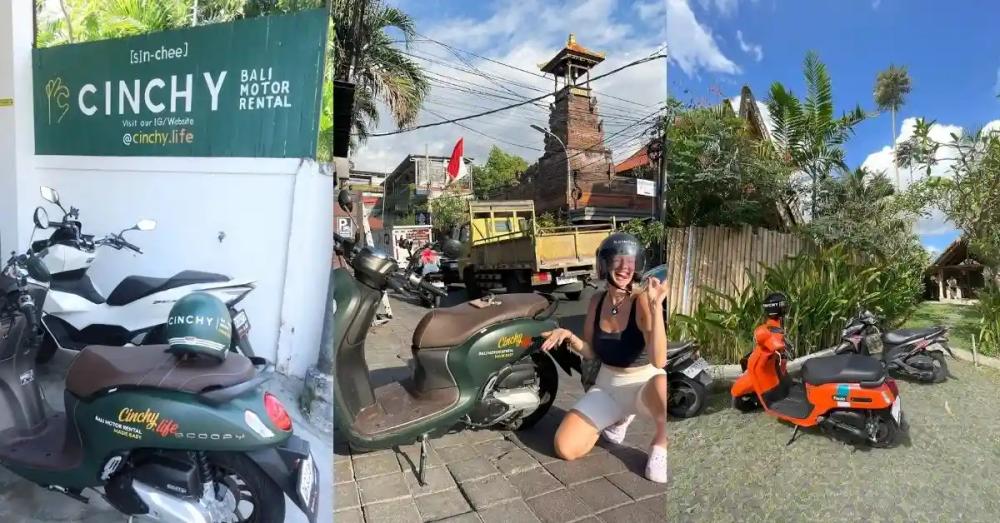
Once you have sorted out your drinking water, having reliable transportation can make exploring Bali much easier.
Cinchy offers well-maintained scooters with regular inspections, 24/7 support, flexible rental durations, and convenient delivery options.
You can arrange free delivery and pickup around Seminyak and at I Gusti Ngurah Rai International Airport, making it easier to start your trip as soon as you arrive.
For your scooter, Cinchy offers two main categories:
Rentals include essentials such as a helmet, hair net, phone holder, and raincoat, with Basic, Full Coverage, and VIP insurance options also available.
Choose your dates, check availability, select your Compact or Comfort scooter, choose your pickup or delivery location, add your preferred insurance, and complete your payment online.
 travel tips
 hidden gems
 scooter guides
 riding tips
 bali guides
 cultural insight