1


Stay in Touch
Get the latest updates, special offers, and exclusive Cinchy perks straight to your inbox.


Jl. Plawa No.50, Seminyak, Kec. Kuta, Kabupaten Badung, Bali 80361

CALL US 24/7
(+62-851-7424-6249)
Copied!

We’re Here
Everyday
8:30 AM-9 PM WITA




Payment Partners


© 2026 CINCHY. ALL RIGHTS RESERVED.
Cinchy Blog / Plugs and Socket Outlet Standard for Bali and Indonesia
Published: 18 Mar 2026

By Ulfah Alifah
Travel Enthusiast
Free Cancellation
24/7 Support
Insurance
Start Date - End Date
Start Time
End Time
Duration
0 Day(s)
If you are asking what type of plug is used in Bali, the short answer is simple: Bali uses Type C and Type F sockets, with a 230V supply and 50Hz frequency. That means the usual Bali plug type is close to much of continental Europe, while travellers from places such as the UK, Australia, the USA, Canada, Japan, and India usually need a Bali travel adaptor.
This guide explains the Bali Indonesia plug type in plain language, so you can charge your phone, laptop, camera, and other devices without stress. It also covers socket outlet safety, adaptor choices, country compatibility, and a few simple ways to avoid damage to your devices while travelling in Bali.
Before your trip, it also helps to plan the rest of your arrival day, especially if you need power for maps and transport, so these guides on how to get from Bali Airport to Canggu and the Bali Airport to Seminyak route fit naturally with this topic.
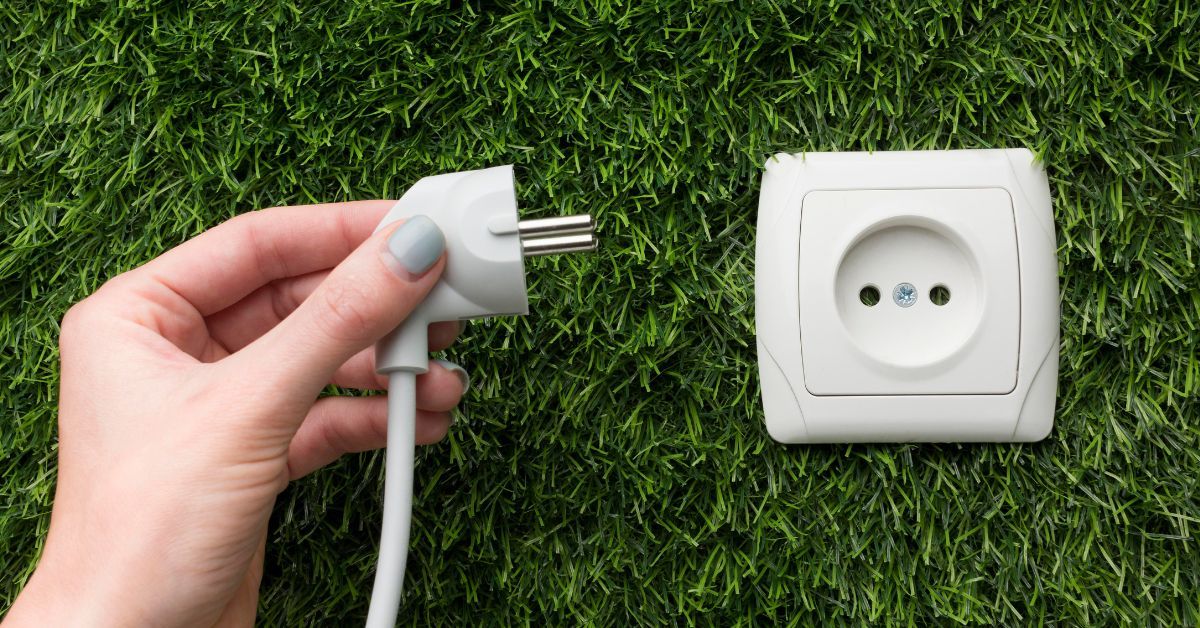
Bali follows Indonesia’s mains standard, which uses Type C and Type F sockets. These are the two plug styles you should expect to see in hotels, villas, cafés, and many public spaces around the island.
| Plug type | Prong shape | Grounded or not? | Voltage support | Common usage in Bali | Common in which country |
| Type C | Two round pins | Not grounded | Used on Bali’s 230V system | Phone chargers, cameras, laptops, and small gadgets | Widely used across most of Europe outside the UK and Ireland |
| Type F | Two round pins with side earth clips | Grounded | Used on Bali’s 230V system | Hotels, villas, and some higher-power devices such as hair dryers and shavers | Common in Germany, Spain, Portugal, the Netherlands, and many other European countries |
Type C is the lighter, simpler two-pin plug with round prongs. In Bali, it is commonly used for everyday electronics such as chargers, cameras, and laptops.
If your plug already has two round pins and no earth connection, it may fit Bali sockets without an adaptor. This is one reason many European travellers do not need extra plug gear for Bali.
Type F looks similar to Type C, but it includes earth clips on the side for grounding. In Bali, Type F sockets are also common and may appear in newer buildings, hotels, villas, and places that use higher-power appliances.
A useful detail is that Type C and Type F plugs are often interchangeable in Bali, though Type F adds grounding for extra safety. If you are bringing a grounded European plug, Type F is the standard that matters most.
Bali uses the same electrical standard as Indonesia: 230 volts, 50Hz, with Type C and Type F plug types. So if you have been searching for “what plug type does Bali use” or “what type of power plug is used in Bali”, this is the key answer.
If you are still building your trip plan, our guides on the best time to visit Bali, Bali health tips, and 18 essential apps to download in Bali for foreigners work well beside this article, because staying connected often starts with a charged phone and the right plug kit.
The safe part is simple: Bali runs on 230V, which matches much of Europe and many other regions, so many travellers from those places will have no voltage issue. The main risk is for travellers from countries such as the USA or Japan, where the home system differs, so device labels should be checked before use.
A plug adaptor only solves the shape of the plug. A voltage converter or transformer is a separate item for devices that cannot safely handle Indonesia’s 230V supply. In practice, many phone chargers and laptop chargers are dual-voltage, but some older hair tools and small appliances are not, so the label matters more than the plug shape.
Bali uses a 50Hz electrical frequency. Most chargers do not care much about frequency, but some clocks, grooming tools, and small motor devices can behave differently when moving between 50Hz and 60Hz systems.
That is why plug compatibility and power compatibility are not always the same thing. A device may fit the socket with an adaptor but still be the wrong match for the local power system if its voltage or frequency range is too narrow.
If you already use Type C or Type F plugs at home, you usually will not need a Bali travel adapter. If you are coming from Australia, the UK, Ireland, Cyprus, Malta, the USA, Canada, Japan, or India, you usually will need one.
This is also why the term Indonesia plug matters when you pack. It is not enough to know your destination is in Asia, because Asia uses several plug systems, and Bali specifically follows Type C and Type F.
This table assumes you are bringing the most common household plug from your home country. Countries that already use Type C or Type F usually do not need an adaptor in Bali, while users of Type G, Type I, Type A/B, or Type D usually do.
| Country | Plug Type | Adaptor Needed or Not in Bali |
| Indonesia | C, F | No |
| Germany | C, F | No |
| Netherlands | C, F | No |
| Spain | C, F | No |
| Portugal | C, F | No |
| Austria | C, F | No |
| Sweden | C, F | No |
| Norway | C, F | No |
| Finland | C, F | No |
| Iceland | C, F | No |
| Greece | F | No |
| Croatia | F | No |
| Turkey | F | No |
| United Kingdom | G | Yes |
| Ireland | G | Yes |
| Cyprus | G | Yes |
| Malta | G | Yes |
| Australia | I | Yes |
| New Zealand | I | Yes |
| USA | A, B | Yes |
| Canada | A, B | Yes |
| Japan | A, B | Yes |
| India | D | Yes |
| Ecuador | A, B | Yes |
| Colombia | A, B | Yes |
Bali is much closer to continental Europe than to Australia or the USA when you compare plug shape. That is the fastest way to answer the question, “what type of plug do they use in Bali?”
| Region | Common plug style | Match with Bali sockets? | What travellers should expect |
| Bali / Indonesia | Type C and F, two round pins | Yes | Local standard is 230V and 50Hz |
| Continental Europe | Mostly Type C and F in many countries | Usually yes | Often the easiest match for Bali |
| Australia | Type I | No | Bring a plug adaptor |
| USA | Type A and B | No | Bring a plug adaptor and check voltage carefully |
The main bali plug type uses Type C and Type F sockets, so your bali travel adapter should clearly support both options before you pack. This is the safest way to avoid problems at hotels, villas, cafés, and other places where Bali socket outlets follow Indonesia’s standard two-round-pin setup.
If your device uses a grounded plug at home, do not buy the cheapest adapter without checking whether it supports grounding properly. Type F sockets in Bali include grounding support, which can matter for larger appliances and some electronics that need a more secure connection.
A universal adapter is a smart choice if Bali is only one part of your trip, especially if you will visit countries with different socket types. Just make sure the model you buy includes Bali Indonesia plug type compatibility, which means support for Type C and Type F outlets.
Travellers from Australia, the UK, the USA, Canada, Japan, and India usually need an adapter because their home plugs are different from the plug type used in Bali. Packing your adapter before departure is easier than trying to find one after landing, especially if you need to charge your phone as soon as you arrive.
If you are carrying a phone, laptop, camera, power bank, or smartwatch, one simple plug may not be enough for your whole trip. A better setup is one reliable Bali travel adapter plus a quality USB charger, so you can power several devices from one Bali socket outlet without hassle.
For trip planning around rides and routes, this article also pairs well with 20 Expert Tips for Scooter Rental in Bali, things to check before renting a scooter in Bali, and scooter safety, because a dead phone on the road is more than an inconvenience.
The first step is to read the small input label on your charger, power brick, or device before your trip. Bali uses 230V electricity at 50Hz, so your device should be checked against that local standard before you plug it into any Bali socket outlet.
If the label says something like 100–240V and 50/60Hz, your device will usually work in Bali without a voltage converter. In that case, you normally only need the correct Bali travel adapter to match the bali plug type, which is Type C or Type F.
A plug adapter only helps your charger fit the Indonesia plug shape used in Bali. It does not reduce or change Bali’s 230V power, so single-voltage devices may still be unsafe without a proper converter.
Hair dryers, straighteners, curling tools, and some electric shavers are more likely to have voltage problems than phones or laptops. If these items are made only for 110V or 120V use, they may overheat or get damaged in Bali unless you use a suitable voltage converter.
When you arrive, plug in one safe and low-risk device first, such as a phone charger or laptop charger that supports 100–240V. This gives you a simple way to confirm that your Bali travel adapter, charger, and wall socket are all working properly before you charge everything else.
If this is your first solo trip, our guides on solo travel safety tips in Bali and how to ride a scooter for beginners in Bali are useful follow-ups, because keeping your phone charged is part of staying safe and finding your way around.
If you forget your adapter in your checked bag or leave it at home, airport shops are one of the first places to check after landing in Bali. They are convenient on arrival, but prices are often higher than in regular shops around the island.
For a better range of travel adapters, charging accessories, and possible converter options, try larger electronics or hardware stores such as AZKO, formerly Ace Hardware, as well as Best Denki and Electronic City. These bigger stores are more reliable than tiny roadside shops when you want safer products or need more than a very basic plug adapter.
Mobile phone and gadget retailers can also be useful if you need a simple adaptor, charging cable, or USB plug. Shops and chains such as Erafone, iBox, and similar gadget counters in shopping centres may have suitable charging accessories, especially in busy tourist areas.
Some supermarkets and department-style stores in Bali may stock simple travel adapters near their household or electronics sections. Good places to check include Bintang Supermarket, Transmart Bali, Carrefour Bali, and larger shopping centres such as Beachwalk Mall or Mall Bali Galeria, where multiple retailers may carry adapters.
If you only need a simple adaptor quickly, convenience stores can be a practical backup option. Indomaret, Alfamart, Circle K, and Cocomart are common names in Bali, and some branches may carry basic power adapters or charging accessories, though selection is usually limited.
Hotels and villas sometimes keep spare adapters at reception for guests, although you should not depend on that as your main plan. If reception cannot help, ask for the nearest toko listrik, which is a local electrical supply shop that may carry adaptors, plugs, and other useful items.
Even though adapters are available in Bali, it is still smartest to buy your main adapter before your trip. That way, you can charge your phone, laptop, or other devices as soon as you arrive without wasting time looking for a shop on your first day.
Note:
Popular places to check include airport shops, AZKO, Best Denki, Electronic City, Bintang Supermarket, Transmart Bali, Mall Bali Galeria, Indomaret, Alfamart, and Circle K, but stock may vary by location.
On arrival day, it helps to know your route and timing, so our guides on why scooter rental is ideal for Bali airport visitors, how to get from Bali Airport to Canggu, and the Bali trip budget for 5 days can help you plan that first powered-up hour on the island.
Bali uses Type C and Type F sockets, so travellers should not assume every European plug will fit perfectly without checking first. Some European travellers will be fine, but plug shape and grounding still matter.
A plug adapter only changes the plug shape so it can fit a Bali socket outlet. It does not convert Bali’s 230V electricity into a lower voltage for devices from the USA, Canada, or other 110V to 120V markets.
Many travel problems happen because people check the plug shape but ignore the voltage label on the device. Bali uses 230V at 50Hz, so single-voltage devices may be damaged if they are not designed for that power standard.
Cheap adapters can be poorly made, overheat more easily, or give a loose connection in the wall socket. It is safer to choose a reliable adapter with proper safety features, especially if you charge expensive devices such as phones, cameras, or laptops.
Type F plugs and sockets include grounding clips, which add an extra level of safety for some devices. If your appliance uses a grounded plug at home, do not replace it with the smallest ungrounded travel adapter without checking suitability first.
Hair dryers, straighteners, curling tools, and some electric shavers are more likely to have trouble than phones or laptop chargers. If they are designed only for 100V to 120V use, they may overheat or fail in Bali without a proper voltage converter.
Adapters are available in Bali, but buying one before your trip is still the easier and safer option. It helps you avoid wasting time after landing and lets you charge your phone or laptop as soon as you arrive.
Before plugging anything in, read the label on your charger or device and make sure it can handle Bali’s 230V, 50Hz supply. Devices marked 100–240V usually work safely with the correct adapter.
The standard bali plug type is Type C or Type F, so your adapter should match those outlet types clearly. Using the correct adapter reduces the risk of a loose fit, poor contact, or damage to the socket.
Electrical items should be kept away from wet bathrooms, sinks, pool areas, and damp surfaces. This is a basic but important way to reduce the risk of electric shock.
Do not use a Bali socket outlet if it feels loose, looks cracked, or sparks when you connect a charger. A poor connection can create heat and may damage both the adapter and your device.
One cheap adapter should not be used to power too many high-draw devices at the same time. Overloading can increase heat and raise the chance of short circuits or charger failure.
Reliable, certified products are safer than no-name adapters made with poor materials. This matters even more if you are charging costly electronics or using a converter for heat-based appliances.
Adapters and converters should be unplugged when charging is finished or when you leave the room. This lowers unnecessary heat build-up and reduces wear on the charger over time.
When you arrive in Bali, try your setup with a simple device such as a phone charger before using more important electronics. This gives you an easy way to confirm that the adapter, charger, and socket are all working correctly.
Some travel sources recommend using a surge protector in Bali, especially for laptops, cameras, and other sensitive electronics. This can add extra protection where voltage fluctuations or power surges are a concern.
If the plug does not fit, stop and use the correct adapter instead of forcing it into the outlet. Forcing the wrong plug can damage the Bali socket outlet and create a real safety risk.
For practical travel prep beyond plugs, readers can continue with best time to visit Bali, Bali health tips, and essential apps to download in Bali for foreigners.
Bali and Indonesia use Type C and Type F electric sockets. Type C has two round pins, while Type F has two round pins plus grounding clips on the side.
The standard voltage is 230V and the standard frequency is 50Hz. This is the main power answer behind searches such as “what type of plug is used in Bali” and “what type of power plug is used in Bali”.
You will most likely need an adaptor if you are coming from places that commonly use Type G, Type I, Type A/B, or Type D plugs. In simple terms, that often means the UK and Ireland, Australia and New Zealand, the USA and Canada, Japan, India, and several other non-European plug systems.
The most useful way to prepare is not to guess about outage patterns, but to keep your phone charged, carry a small power bank, and ask your hotel or villa whether they have backup power. That matters even more if you work remotely, depend on maps, or arrive late at night.
Yes, travellers from Australia and New Zealand usually need a power point adapter for Bali because Bali uses Type C and Type F sockets, while Australia and New Zealand mainly use Type I plugs. The good news is that the voltage is broadly compatible, so most travellers only need a plug adapter rather than a voltage converter.
No, standard Australian plugs do not fit directly into Bali socket outlets because the pin shape is different. Australian plugs are Type I, while the usual bali plug type is Type C or Type F with two round pins.
The main Bali socket outlet type is Type C and Type F. These are common across Indonesia, so the bali indonesia plug type is the same whether you stay in Bali, Jakarta, Lombok, or other parts of the country.
Most Australian and New Zealand travellers do not need a power converter for Bali because both regions commonly use around 230V to 240V electricity. In most cases, a simple bali travel adapter is enough unless your device has unusual voltage limits on its label.
Yes, many 240V appliances from Australia and New Zealand can be used in Bali because Bali operates on 230V at 50Hz, which is very close to those home standards. You still need the correct adapter if the plug shape is Type I, and you should check the device label before using higher-power items.
Bali uses Type C and Type F power outlets, both of which have two round pins and are common in much of continental Europe. This is the answer to the common search, “what type of power plug is used in Bali”.
Yes, travellers from the USA and Canada usually need a power adapter for Bali because North America commonly uses Type A and Type B plugs, which do not fit Bali outlets. A plug adapter changes the shape of the plug, but it does not change the voltage.
If you are coming from the USA or Canada, you usually need a Type A/B to Type C/F adapter for Bali. If your device is not dual voltage, you may also need a separate voltage converter because Bali uses 230V electricity.
Many US electronics such as laptop chargers, phone chargers, and camera chargers work in Bali if they are marked 100–240V and 50/60Hz, because they are designed for multiple power systems. Older or single-voltage 120V appliances may not be safe without a proper converter.
Bali uses 230V electricity at 50Hz. That is much higher than the standard 120V used in the USA and Canada, which is why voltage checking matters for North American travellers.
The socket type used in Bali is Type C and Type F. If you are searching for what type of plug is used in Bali, these are the two plug types you need to know.
No, UK plugs do not work directly in Bali because the UK uses Type G plugs with three rectangular pins. Bali uses Type C and Type F sockets instead, so UK travellers need an adapter.
UK travellers usually need a Type G to Type C or Type F travel adapter for Bali. For many continental European travellers, an adapter is often not needed because their home plug types already match Bali sockets.
Bali power point compatibility is easiest for travellers from countries that already use Type C or Type F plugs. It is less direct for travellers from the UK, Ireland, Cyprus, Malta, Australia, the USA, Canada, Japan, and India because those places commonly use different plug shapes.
Many travellers from continental Europe do not need a European plug adapter for Bali because Bali uses the same basic Type C and Type F plug family. Still, it is smart to check whether your device uses a grounded Type F plug or a different local variation before travel.
The right adapter for Bali depends on the plug shape used in your home country, but Bali itself uses Type C and Type F outlets. If your home plug is not Type C or Type F, you will usually need a bali travel adapter.
Bali uses 230V electricity and a frequency of 50Hz. This standard matches much of Europe and differs from places like the USA, Canada, and Japan.
You can use your hair dryer or straightener in Bali only if its label supports Bali’s voltage, or if you use the correct converter when needed. Hair tools are among the devices most likely to have voltage issues, so they should be checked carefully before travel.
You need a voltage converter only if your device cannot handle 230V power. If your charger or appliance says 100–240V, you usually only need the correct plug adapter.
Yes, power adapters are available in Bali, and many travellers buy them after arrival in tourist areas or electronics shops. Even so, bringing one from home is easier and reduces stress on your first day.
You can bring common personal electronics such as phones, laptops, cameras, tablets, and power banks, but they should match Bali’s plug type or be used with an adapter. Devices with dual-voltage charging are usually the simplest to use in Bali.
You can usually buy a power adapter in airport shops, electronics stores, phone-accessory shops, and some convenience stores in busy tourist areas. It is still better to pack one before flying, especially if you need to charge devices as soon as you land.
Yes, it is generally safe to charge phones in Bali if you use a good-quality charger, a suitable adapter, and a socket that is in good condition. Most modern phone chargers are dual voltage, which makes them well suited for Bali’s 230V system.
You may need a power adapter as soon as you arrive if your phone, laptop, or travel gear uses a non-Bali plug type. This matters most for travellers from Australia, New Zealand, the UK, the USA, Canada, and Japan.
You can charge devices directly through USB ports when they are available, but USB availability depends on the hotel, airport lounge, café, charger, or power bank you use. For a more reliable setup, it is still smart to carry your own wall charger and Bali plug adapter.
It is sensible to be cautious with sensitive electronics and use trusted chargers, especially for laptops, cameras, and expensive gear. A good universal adaptor or surge-protected charging setup can add peace of mind, even though the main issue for most travellers is still plug fit and voltage compatibility.
The local electrical standard stays the same because Bali uses Type C and Type F sockets across the island. Some international hotels may offer universal sockets, but this is not common enough to rely on, so travellers should still bring their own adapter.
Most laptop chargers can be used without a voltage converter in Bali because many are labelled for 100–240V input. You may still need a plug adapter if your home plug shape does not match Bali sockets.
You generally will not need a different adapter for other parts of Indonesia because the country uses the same Type C and Type F plug system with 230V and 50Hz. That makes one Indonesia plug adapter suitable for Bali and many other Indonesian destinations.
Yes, you can use wireless charging pads in Bali if the power brick or USB charger connected to them supports Bali’s voltage and socket setup. In practice, the same rule applies as with other electronics: check the input label and use the right adapter.
Yes, fast chargers usually work in Bali if the charger itself is rated for 100–240V and you use the proper adapter for the wall socket. The key issue is not the charging speed but whether the charger is voltage compatible and physically fits the outlet.
You can often find simple power adapters in busy tourist areas because those places usually have convenience stores, phone shops, or travel-related retailers nearby. Still, selection may be limited compared with buying one before travel.
Yes, you will still need the correct adapter if a restaurant offers a standard wall outlet and your home plug type does not match Bali sockets. The outlet type does not change just because you are in a café, restaurant, or coworking space.
Yes, voltage converters can be found in Bali through some electronics sellers, though ordinary plug adapters are more common for travellers. If you depend on a single-voltage appliance, it is safer to arrange the right converter before you travel.
You can use your electric shaver without a converter only if it supports Bali’s 230V system, which many modern shavers do. If it is a fixed-voltage model from a 110V market, you should not use it without proper conversion.
Bali Type C socket compatibility is best for plugs with two round pins and no earth connection. This makes Type C convenient for many chargers, cameras, and small electronics used by travellers.
Type F plugs used in Bali have two round pins and grounding clips on the side. They are designed for grounded connections and are often compatible with Type C-style socket arrangements in everyday travel use.
Bali electronics run on a 230V, 50Hz electrical standard. Devices that support 100–240V and 50/60Hz are usually the easiest and safest to use there with the correct adapter.
A universal adapter is a travel adapter designed to accept several different plug types and connect them to local socket standards. It is useful for travellers who visit more than one country, but it still does not replace a voltage converter when a device is not dual voltage.
A universal adapter is compatible with Bali if it includes support for Type C and Type F outlets. This is often the easiest choice for travellers from Australia, the UK, the USA, Canada, and other countries with different home plug types.
Bali follows Indonesia’s electrical standards: 230V, 50Hz, with Type C and Type F plugs and sockets. So when readers ask what type of plug does Bali use, this is the full technical answer in one line.
Ready to explore Bali with less stress and more freedom?
 travel tips
 hidden gems
 scooter guides
 riding tips
 bali guides
 cultural insight