
1


Stay in Touch
Get the latest updates, special offers, and exclusive Cinchy perks straight to your inbox.


Jl. Plawa No.50, Seminyak, Kec. Kuta, Kabupaten Badung, Bali 80361

CALL US 24/7
(+62-851-7424-6249)
Copied!

We’re Here
Everyday
8:30 AM-9 PM WITA




Payment Partners


© 2026 CINCHY. ALL RIGHTS RESERVED.
Cinchy Blog / Eid Al Adha in Bali: Beauty of Tolerance with Unique Tradition
Published: 26 May 2026

By Syahrial Maulana Sudarto
Travel Enthusiast

Free Cancellation
24/7 Support
Insurance
Start Date - End Date
Start Time
End Time
Duration
0 Day(s)
While Bali is widely known as a Hindu-majority island filled with temples, beach clubs, and cultural ceremonies, many travelers are surprised to discover that Eid al Adha in Bali is also celebrated with warmth and harmony.
Across the island, Muslim communities gather for Eid prayers, perform qurban rituals, and share meals with neighbors of different faiths in a beautiful reflection of Balinese tolerance and togetherness.
What makes Eid celebrations in Bali unique is not only the religious observance itself, but also the spirit of interfaith harmony that surrounds it.
From the traditional Ngejot custom to local Hindu communities helping Muslim residents during Eid prayers, Bali offers a cultural experience that feels deeply human and meaningful.
Whether you are visiting Bali during the Eid holiday or simply curious about Balinese culture, here is everything you should know about Eid al Adha in Bali.
Eid al Adha, also known as the Festival of Sacrifice, is one of the most important Islamic holidays celebrated by Muslims around the world.
The celebration honors the devotion of Prophet Ibrahim, who was willing to sacrifice his son as an act of obedience to God before being stopped and provided with a ram instead.
To commemorate this story, Muslims perform qurban by sacrificing animals such as goats, sheep, or cows.
The meat is then distributed to family members, neighbors, and people in need.
In Indonesia, Eid al Adha is a national religious holiday, and Bali is no exception.
Even though the island is predominantly Hindu, Muslim communities across Bali continue to celebrate the occasion while maintaining strong relationships with surrounding communities.

Yes, Eid al Adha is celebrated throughout Bali, especially in areas with established Muslim communities.
Although Muslims are a minority on the island, Islam has been part of Bali’s cultural landscape for centuries.
You can find Muslim communities in places such as:
During Eid al Adha in Bali, mosques become lively gathering places for morning Eid prayers and qurban activities.
Families prepare food, neighbors visit one another, and communities come together in celebration.
Unlike some destinations where religious differences create separation, Bali is often praised for its peaceful coexistence between Hindus and Muslims.
Many local residents embrace the Balinese philosophy of “menyama braya,” which roughly means treating others like family regardless of background or religion.
This cultural mindset plays a major role in shaping the atmosphere of Eid celebrations in Bali.
If you want to find some mosques in Bali to do Eid prayer, check our articles here:
List of Mosques Near Seminyak, Bali
List of Mosques Near Bali Airport: Locations & Facilities
List of Mosques in Sanur for Congregational Prayer
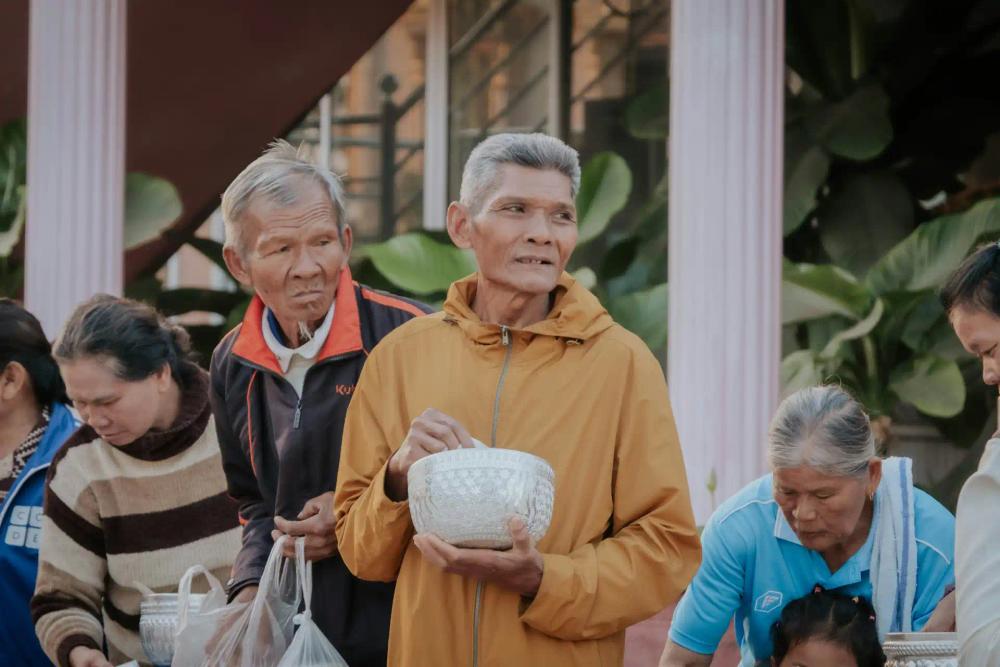
One of the most meaningful traditions connected to Eid al Adha in Bali is Ngejot, a long-standing Balinese custom centered around sharing food with neighbors and relatives.
Ngejot is practiced by both Hindu and Muslim communities in Bali as a symbol of mutual respect and social harmony.
During Eid al Adha, Muslim families often share qurban meat and homemade dishes with Hindu neighbors.
Likewise, during Hindu celebrations such as Galungan or Kuningan, Hindu families may send food to Muslim households.
This simple yet powerful tradition reflects the strong interfaith relationships that exist in many parts of Bali.
In several villages, Ngejot has been practiced for generations. It is not merely about giving food, but about maintaining connection, respect, and balance within the community.
The tradition also highlights how Balinese culture values togetherness above religious differences.
For many visitors, witnessing Ngejot offers a deeper understanding of Bali beyond tourism. It reveals a side of the island that is rooted in compassion, cultural tolerance, and genuine human connection.
What makes Eid al Adha in Bali stand out from celebrations in other places is the extraordinary level of cooperation between communities.
In some areas, local Hindu residents help organize parking and traffic during Eid prayers.
Traditional Balinese security officers known as Pecalang may also assist in maintaining order around mosques and prayer grounds.
Meanwhile, Muslim communities often participate respectfully in local village traditions throughout the year. This reciprocal relationship creates an environment where different faiths coexist peacefully rather than separately.
The atmosphere during Eid celebrations in Bali feels calm, welcoming, and deeply communal.
While the island continues to operate normally for tourists, many visitors notice an added sense of warmth during the holiday period.
Rather than creating division, religious celebrations in Bali often become opportunities for communities to strengthen social bonds.
This is one of the reasons why Bali is frequently recognized not only for its natural beauty, but also for its cultural harmony.
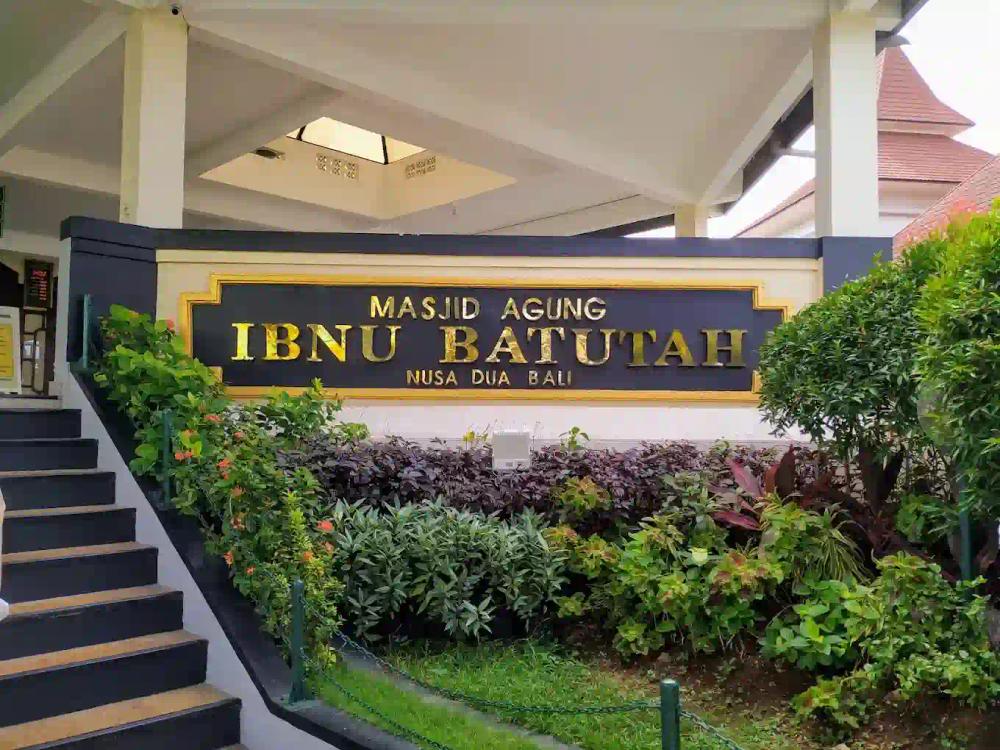
If you want to experience the atmosphere of Eid al Adha in Bali more closely, there are several places worth exploring.
As Bali’s capital city, Denpasar has one of the island’s largest Muslim populations.
Mosques become especially active during Eid prayers, and local neighborhoods often organize communal meals and qurban activities.
The area around Masjid Agung Sudirman is particularly lively during Eid celebrations.
Gelgel is known as one of Bali’s oldest Muslim communities. The village has historical connections dating back centuries and is often associated with cultural blending between Balinese and Islamic traditions.
Visiting Gelgel offers a unique glimpse into Bali’s multicultural identity.
Located in North Bali near Singaraja, Pegayaman is a Muslim-majority village with strong Balinese cultural influences.
Residents still use Balinese naming traditions while practicing Islam, creating a fascinating cultural combination rarely found elsewhere.
Eastern Bali is home to several Muslim communities with long historical roots. During Eid al Adha, local mosques and villages organize traditional celebrations that emphasize togetherness and community support.
For travelers planning to visit Bali during Eid al Adha, there is usually no need to worry about major disruptions.
Unlike Nyepi, Bali’s Day of Silence, Eid al Adha does not shut down the island. Tourist attractions, restaurants, beach clubs, and transportation services generally continue operating as usual.
However, there are still a few things visitors should keep in mind.
Because Eid holidays in Indonesia are often connected with family travel, some areas in Bali may become busier than usual, especially airports, shopping areas, and popular tourist destinations.
Booking accommodations and transportation early is recommended.
If you happen to pass by a mosque or qurban activity, showing basic respect is appreciated. Dress modestly when visiting Muslim communities and avoid interrupting prayer activities.
Many locals are welcoming toward tourists who are curious about the celebration as long as they remain respectful.
Food plays a major role during Eid celebrations in Bali.
Families gather after prayers to cook and share meals made from qurban meat, often combining Indonesian Muslim flavors with local Balinese influences.
One interesting aspect of Balinese Muslim cuisine is the adaptation of traditional dishes into halal versions.
Some communities prepare halal lawar, a Balinese mixed vegetable and coconut dish typically adjusted to avoid pork or non-halal ingredients.
In Muslim villages across Bali, communal cooking activities often become an important social event during Eid al Adha.
Neighbors help prepare food together before distributing portions to relatives and surrounding communities.
This culture of sharing strengthens the sense of unity that defines Eid celebrations on the island.
At its heart, Eid al Adha in Bali is about more than religious celebration. It is also about coexistence, respect, and community.
In a world where differences often create tension, Bali offers a different perspective. Hindu and Muslim communities continue to support one another through traditions like Ngejot, cooperative village activities, and everyday social interactions.
For travelers, witnessing this harmony can become one of the most memorable cultural experiences in Bali.
Beyond the beaches and resorts, Bali’s true beauty is often found in the relationships between its people.
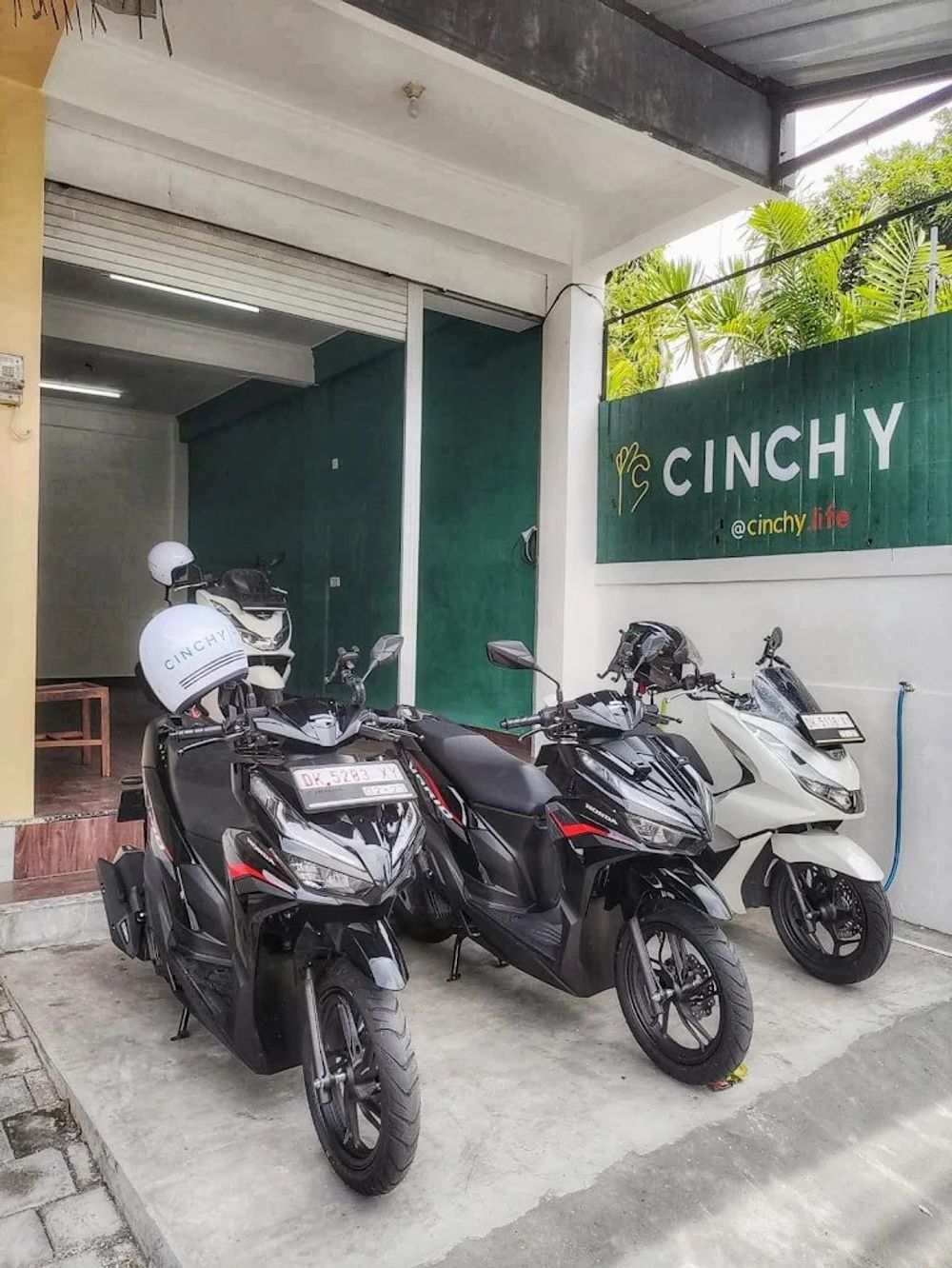
If you plan to explore different parts of the island during Eid al Adha in Bali, renting a scooter can make your trip far more convenient.
From visiting Muslim communities in Denpasar and Gelgel to discovering cultural areas in Karangasem or North Bali, having your own transportation gives you the freedom to explore Bali at your own pace.
One trusted option many travelers choose is Cinchy, a Bali scooter rental service known for its reliable service and well-maintained scooters.
Cinchy offers two main scooter categories for different travel needs:
Travelers also appreciate Cinchy for its easy rental requirements, 24/7 customer support, optional insurance coverage, and free scooter delivery & pickup for Bali Airport, Seminyak, and nearby areas.
To rent a scooter, you simply need a valid passport or KTP, a valid driving license (International Permit or SIM C), round-trip flight tickets, and hotel booking confirmation.
If you are planning your Bali trip during the Eid holiday season, you can check scooter availability and make your reservation directly through Cinchy’s booking page before arriving in Bali.
👉 Rent a scooter in Cinchy now, book early and save 5% with code EARLY5!
 travel tips
 hidden gems
 scooter guides
 riding tips
 bali guides
 cultural insight