1


Stay in Touch
Get the latest updates, special offers, and exclusive Cinchy perks straight to your inbox.


Jl. Plawa No.50, Seminyak, Kec. Kuta, Kabupaten Badung, Bali 80361

CALL US 24/7
(+62-851-7424-6249)
Copied!

We’re Here
Everyday
8:30 AM-9 PM WITA




Payment Partners


© 2026 CINCHY. ALL RIGHTS RESERVED.
Cinchy Blog / 5 Best Waterfalls in Every Indonesia Island in 2026 (Including Bali)
Published: 28 May 2026

By Ulfah Alifah
Travel Enthusiast
Free Cancellation
24/7 Support
Insurance
Start Date - End Date
Start Time
End Time
Duration
0 Day(s)
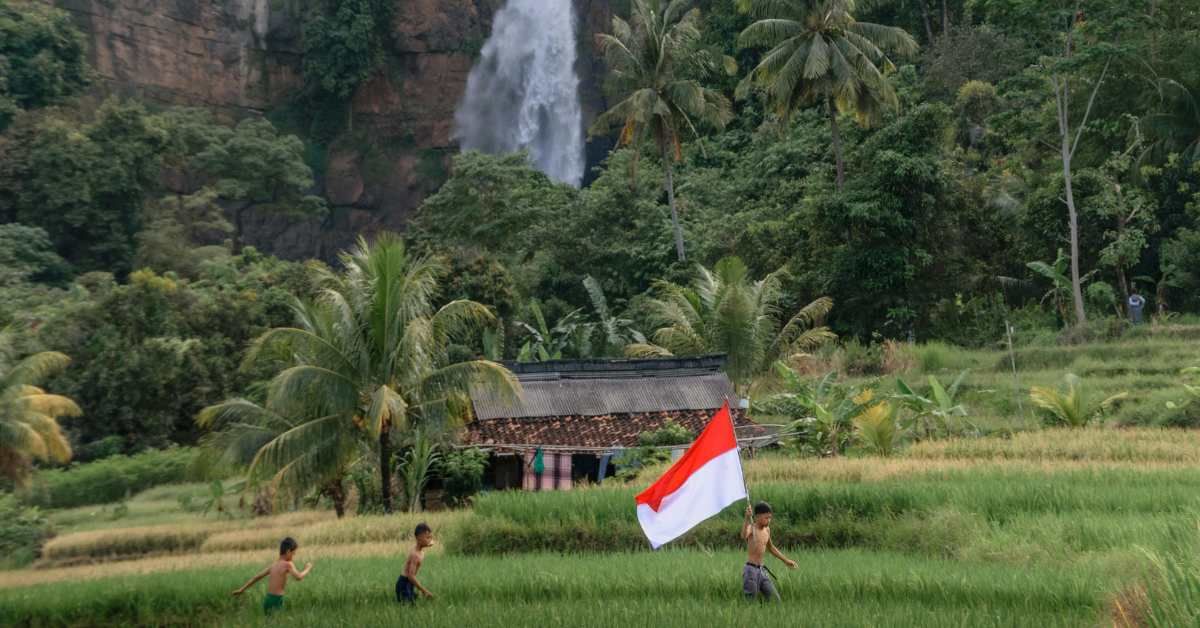
Indonesia is home to thousands of waterfalls — and most of them are still unknown to the outside world. Spread across more than 17,000 islands, this archipelago hides some of the most dramatic, most beautiful, and most accessible waterfalls on Earth. Whether you are a solo backpacker, a couple on a tropical escape, or a family looking for something memorable — chasing waterfalls in Indonesia is one of the best ways to experience the country beyond the usual tourist trail.
This guide breaks down the 5 best waterfalls for every major island in Indonesia in 2026, including Bali, Java, Sumatra, Lombok, Sulawesi, Borneo, and Papua. We cover what makes each one special, how to get there, and what to expect when you visit.
Indonesia sits at the meeting point of three major tectonic plates, which created the volcanic mountains and deep valleys that feed thousands of waterfalls across the archipelago. In local languages, waterfalls are known by different names — Air Terjun in most of Indonesia, Curug in West Java, and Grojogan in Central Java — but they all share one thing: pure, raw natural beauty.
Many of these falls carry deep spiritual meaning too. Waterfalls in Bali are often tied to the Hindu concept of Tri Hita Karana, the balance between humans, nature, and God — and sacred water sources have been part of Balinese ceremonies for centuries. In East Java, waterfalls like Madakaripura were used as meditation spots by ancient Majapahit kings.
Coming to Indonesia in 2026? Before you land, make sure you complete the All Indonesia Arrival Card — a mandatory digital entry process required for all international travelers since September 2025.
Bali is the most visited island in Indonesia, and its waterfalls are some of the most photographed in all of Southeast Asia. Most are tucked inside lush jungle valleys in the northern and central highlands — far from the beach clubs and busy streets of Seminyak.
Sekumpul is widely regarded as the most beautiful waterfall in Bali. Located in Buleleng Regency, northern Bali, it is actually a cluster of seven waterfalls spread across a green valley draped in clove and durian trees. The trek to reach them takes you through a steep jungle path — but the moment you see those multiple streams crashing down into a turquoise pool, every step feels worth it.
Height: Approximately 80 meters
Best for: Photography, trekking, swimming
Nearest town: Singaraja (about 25 km away)
Entrance fee: Around IDR 30,000–50,000
Getting here from Seminyak takes around 2 to 2.5 hours by scooter — a scenic north-bound ride through the mountains. If you are planning that trip, read this complete guide on riding from Seminyak to Bedugul by scooter — the same northern route passes through Bedugul before continuing toward Sekumpul.
Less crowded than Sekumpul but equally impressive, Nungnung sits at around 50 meters tall and is surrounded by thick jungle in the Petang district of Badung Regency. Reaching it requires a descent of roughly 500 steps — so be prepared for the climb back up. The water is cold and powerful, and the mist creates a constant cool mist around the whole area.
Height: ~50 meters
Best for: Adventurous hikers, cool-weather lovers
Tip: Wear hiking sandals or grip shoes — the steps can be slippery
One of the most accessible waterfalls in Bali, Gitgit is located right along the main road from Singaraja to Bedugul. It is a solid 35-meter drop into a shallow pool and is popular with both locals and travelers who want a quick, rewarding stop during a north Bali road trip.
Just 15 minutes from Ubud, Tegenungan is one of the most visited waterfalls in Bali — and for good reason. The drop is broad and powerful, especially during and just after the rainy season. The surrounding area has cafes, swings, and viewpoints, making it a full half-day experience. It is a great starting point if you have never chased waterfalls in Bali before.
Suwat is one of Bali's most beautiful hidden waterfalls, located about 30 minutes from the center of Ubud. Compared to Tegenungan, Suwat gets far fewer visitors, which makes it feel more peaceful and personal. The surrounding canyon walls are draped in green ferns and the pool below is perfect for a refreshing dip.
The easiest and most flexible way to reach any of these waterfalls is by scooter. Bali's winding roads connect every corner of the island — and having your own wheels means you can stop, explore, and go at your own pace. Book your scooter with Cinchy now and get it delivered straight to your hotel or villa — done in under a minute.
Java is home to some of the most dramatic waterfalls in all of Indonesia. The island's intense volcanic activity has carved deep valleys and steep cliffs that channel water into jaw-dropping drops.
Tumpak Sewu is the most iconic waterfall in Indonesia. Often called the "Niagara of Indonesia," it is not a single waterfall but a wide curtain of hundreds of streams cascading over a 120-meter cliff face into a deep valley below. The panoramic view from the rim is one of the most photographed landscapes in Southeast Asia — and if you are brave enough to descend into the canyon, the view from the bottom looking up is even more breathtaking.
Location: Lumajang, East Java
Height: ~120 meters wide curtain
Tip: Hire a local guide for the canyon descent — the path is steep and wet
According to local legend, Madakaripura was the final meditation site of Gajah Mada, the legendary prime minister of the Majapahit Kingdom. What makes it unique is its shape — a giant circular cliff chamber where water drips from every wall, creating the sensation of standing inside a permanent, gentle rain. It is the tallest waterfall on the island of Java, dropping around 200 meters.
Location: Probolinggo, within Bromo Tengger Semeru National Park
Tip: Bring a plastic raincoat — you will get wet from all angles
Located near Malang, Coban Rondo is one of the most accessible and family-friendly waterfalls in Java. It sits at around 84 meters high and is surrounded by a cool pine and eucalyptus forest at 1,100 meters above sea level. Facilities here are well-developed, making it ideal for travelers who want beauty without a challenging trek.
In the Geopark Ciletuh area of Sukabumi, West Java, Curug Cimarinjung drops dramatically into a wide valley within one of Indonesia's most ecologically important geological parks. The surrounding karst landscape and UNESCO Geopark status make this one of the most scientifically and visually unique waterfall destinations in Java.
Located in Kendal, Central Java, Curug Sewu is often overlooked but is actually one of the most visually striking waterfalls in Java. It features three distinct tiers of cascades dropping a total of around 70 meters — giving it the name "Sewu," which means "a thousand" in Javanese, referring to the countless streams that flow across it.
Sumatra is home to some of the most geologically dramatic landscapes in the world — and its waterfalls reflect that intensity.
Sipiso-piso is formed by an underground river in the Karo Highlands that suddenly emerges and plunges 120 meters directly into Lake Toba — the world's largest volcanic lake. The name means "knife" in the Karo Batak language, referring to the sharp, clean drop of the waterfall. Views from the ridge above offer a sweeping panorama of the lake and the Samosir Island within it — one of the most breathtaking natural vistas in Southeast Asia.
Location: Merek, Karo Regency, North Sumatra
Best time to visit: April–October (dry season)
In southern Sumatra, Lembah Pelangi (Rainbow Valley) is a stunning cluster of waterfalls in Tanggamus Regency, Lampung. The site features multiple falls and is surrounded by dense jungle — with the right conditions, you can actually see rainbows in the mist, which gives the valley its name.
The mountains of West Sumatra, particularly around Bukittinggi, hide numerous spectacular waterfalls fed by the volcanic peaks of the Barisan range. Air Terjun Lembah Anai near Padang Panjang is a classic — the water crashes across the main road, making it visible directly from your car window.
Sigura-Gura near Lake Toba is often cited as the tallest waterfall in Indonesia at around 250 meters. It plunges from a hydroelectric dam catchment area deep in the Asahan River valley. Access is challenging but the visual scale is unmatched in all of Sumatra.
Temam Waterfall in South Sumatra is a wide, picturesque cascade on the Kelingi River that has become increasingly popular with both local and regional travelers. The broad horizontal fall creates a natural swimming area that is safe, beautiful, and refreshing.
Lombok is Bali's quieter neighbor, and while it is famous for Mount Rinjani and its beaches, its waterfalls deserve far more attention than they currently get.
Located just outside the village of Senaru at the base of Mount Rinjani, Sendang Gile and Tiu Kelep are two consecutive waterfalls on the same trail. Sendang Gile is the first and more accessible of the two, dropping about 30 meters. Tiu Kelep, a further 30-minute trek upstream, is the more spectacular — and local legend says bathing in its waters will make you one year younger.
Best for: Rinjani trekkers, waterfall swimmers, nature lovers
Benang Kelambu is unlike any other waterfall in Indonesia. Located in Central Lombok, the water does not fall in a single stream — instead, it filters through dense climbing plants on the cliff face, creating the appearance of a soft, translucent curtain, like a giant mosquito net (kelambu). It is calm, beautiful, and perfect for a meditative soak.
For travelers who want something off the beaten path, Tiu Seje in West Lombok requires a bit more effort to reach but rewards you with a pristine pool and near-zero tourist crowds. It is best visited in the early dry season (March–May) when water flow is still strong.
Located in North Lombok, Tiu Pupus is easier to access and surrounded by soft green forest. The pool at the base is shallow and gentle enough for children to enjoy. Combine this with a visit to nearby Sendang Gile for a great waterfall day trip.
Jeruk Manis (Sweet Orange) Waterfall sits deep in the forests of the Sapit Hills in East Lombok, near the village of Sembalun — also the starting point for many Rinjani climbs. Few travelers make it here, which means the forest trail and pool are almost always empty.
Sulawesi's unique shape — four peninsulas extending from a central mountainous core — creates an extraordinary range of micro-ecosystems, each hiding different waterfalls.
Bantimurung Waterfall inside the Bantimurung-Bulusaraung National Park in Maros was famously described by naturalist Alfred Russel Wallace as "The Kingdom of Butterflies." The falls themselves are wide and dramatic, but the real experience is the entire park — limestone karst formations, crystal-clear rivers, and hundreds of rare butterfly species live alongside the waterfall.
Location: Maros Regency, South Sulawesi
Don't miss: The cave systems and karst pools nearby
Saluopa in the Lore Lindu National Park, Central Sulawesi, cascades over 12 tiers through a pristine forest inside one of Indonesia's most biodiverse UNESCO Biosphere Reserves. The Lore Lindu National Park around it is also home to ancient megalithic statues, adding cultural depth to a nature-first visit.
In Minahasa, North Sulawesi, Air Terjun Tunan near the town of Amurang is a popular weekend destination for locals. The area around it is rich in volcanic hot springs and hiking trails — a great combination for multi-day nature trips.
Moramo Waterfall in Konawe Selatan, Southeast Sulawesi, features seven tiers and dozens of natural pools — some small enough to feel like a jacuzzi. It sits inside a protected nature reserve, and the gentle cascades here are shallow enough to walk through, making it a uniquely interactive waterfall experience.
The Tamborasi Waterfall is remarkable because the river that feeds it — the Tamborasi River — is claimed to be the shortest river in the world, measuring just 20 meters from its source spring to where it drops directly into the sea. The waterfall itself is small but the surrounding coastal scenery makes it a visually stunning destination.
Borneo is the world's third-largest island and home to one of the oldest rainforests on the planet. Its waterfalls are wild, remote, and deeply connected to the indigenous cultures of the Dayak people.
Located in Sintang Regency, West Kalimantan, Kenawat Redak drops in multiple steps through ancient Bornean rainforest. The trek to reach it passes through Dayak village territory — a rare chance to connect with indigenous culture and pristine jungle simultaneously.
While technically in the Riau Islands rather than Kalimantan proper, Temburun in the Anambas Archipelago is one of the most visually stunning waterfalls in the Borneo/Sumatra region — a multi-tiered fall that drops almost directly into the sea.
In the forests of East Kalimantan near Berau, Riam Berasap (Smoky Rapids) is known for the constant mist that hovers above the fall, giving it an almost mystical appearance. It sits within orangutan habitat territory — making a guided wildlife and waterfall trek here one of the most extraordinary nature experiences in all of Indonesia.
North Kalimantan, Indonesia's youngest province, is one of the least explored areas in all of Southeast Asia. Batu Dinding Waterfall near Malinau offers an almost untouched natural environment — the kind of place where you can genuinely say you have gone somewhere most people have never been.
In the peat swamp forests of Central Kalimantan, seasonal waterfalls and rapids form along the tributaries that feed the great Kapuas River. Jankang is one of the most accessible for travelers based in Palangkaraya — and is best experienced as part of a multi-day river journey through the Bornean interior.
Eastern Indonesia is the final frontier of Indonesian adventure travel. The waterfalls here are among the least documented and most spectacular in the entire archipelago.
Kali Biru (Blue River) is not just a waterfall — it is an entire river system in the Raja Ampat area of West Papua where the water is a surreal, crystal-clear blue-green due to the mineral composition of the riverbed. The waterfalls along this river are small but breathtakingly beautiful.
Near the gateway city of Sorong — the departure point for Raja Ampat — the Klasow Valley waterfalls flow through a critically important bird habitat, home to rare Birds of Paradise. A visit here combines waterfall trekking with world-class birdwatching.
On Seram Island in Maluku, the Manusela National Park hides numerous unnamed and unmapped waterfalls. The park is one of Indonesia's most remote and biodiverse protected areas, and traveling here is for experienced, well-prepared adventurers only.
Waiselaka on Seram Island is one of the most documented waterfalls in Maluku. It feeds into a natural lagoon that locals use as a freshwater bathing area and is surrounded by centuries-old tropical trees.
In the Nabire Regency of Central Papua, rivers descending from the central highlands of the island create powerful falls through dense tropical rainforest. Access here requires serious planning — but for true waterfall adventurers, Papua offers what the rest of Indonesia has already lost: total wilderness.
Planning a waterfall trip across Indonesia takes some preparation. Here are the most important things to know before you go:
Best time to visit: The end of the rainy season and start of the dry season — roughly March through June — is the sweet spot. Water flow is still high and powerful, but flash flood risks are lower. Avoid peak rainy season (December–February) for safety.
What to pack:
Safety rules:
If you are planning a multi-island trip and only have a week, check out the top 5 places to go on a one-week trip to Indonesia in 2026 — a practical guide that helps you combine Bali, Lombok, Java, and beyond.
For most travelers, Bali is where an Indonesia waterfall adventure begins — and the best way to explore it is by scooter.
Waterfalls like Sekumpul and Gitgit are in the north, Tegenungan and Suwat are near Ubud, and Nungnung is in central Bali. None of these are easily reached by public transport — but all of them are extremely accessible on a scooter. You can stop at viewpoints, take breaks at roadside warungs, and follow your own pace through the island's mountain roads.
If you are a foreign traveler, make sure you understand the legal requirements before riding. Cinchy has a detailed guide on International Driving Permits and local license requirements for riding in Bali — this covers everything from IDPs to what documents police may ask for. Travelers from Australia should also check the dedicated article on riding a scooter in Bali with an Australian license.
New to renting scooters in Bali? Before you book, read about the most common mistakes tourists make when renting scooters in Bali — small things like skipping insurance or not checking the brakes can turn a great trip into a stressful one.
You can also use this comprehensive scooter rental guide for Seminyak if you are basing yourself in the south and want to know where to pick up, what to check, and how to plan your rides north toward the waterfalls.
Indonesia's waterfalls are not just destinations — they are experiences that stay with you long after you leave. From the thundering curtain of Tumpak Sewu in East Java to the impossibly gentle Benang Kelambu in Lombok, every island has its own version of paradise falling from the sky.
The best trips start with the right preparation — and in Bali, that means having reliable wheels from day one.
👉 Start planning your Indonesia adventure with Cinchy — your trusted travel companion on the Island of the Gods.
👉 Book your scooter in Bali now — free delivery to your hotel, villa, or the airport. Done in 1 minute.
 travel tips
 hidden gems
 scooter guides
 riding tips
 bali guides
 cultural insight