
1


Stay in Touch
Get the latest updates, special offers, and exclusive Cinchy perks straight to your inbox.


Jl. Plawa No.50, Seminyak, Kec. Kuta, Kabupaten Badung, Bali 80361

CALL US 24/7
(+62-851-7424-6249)
Copied!

We’re Here
Everyday
8:30 AM-9 PM WITA




Payment Partners


© 2026 CINCHY. ALL RIGHTS RESERVED.
Cinchy Blog / 12 Best Scuba Diving Locations in Indonesia 2026
Published: 27 May 2026

By Ulfah Alifah
Travel Enthusiast
Free Cancellation
24/7 Support
Insurance
Start Date - End Date
Start Time
End Time
Duration
0 Day(s)
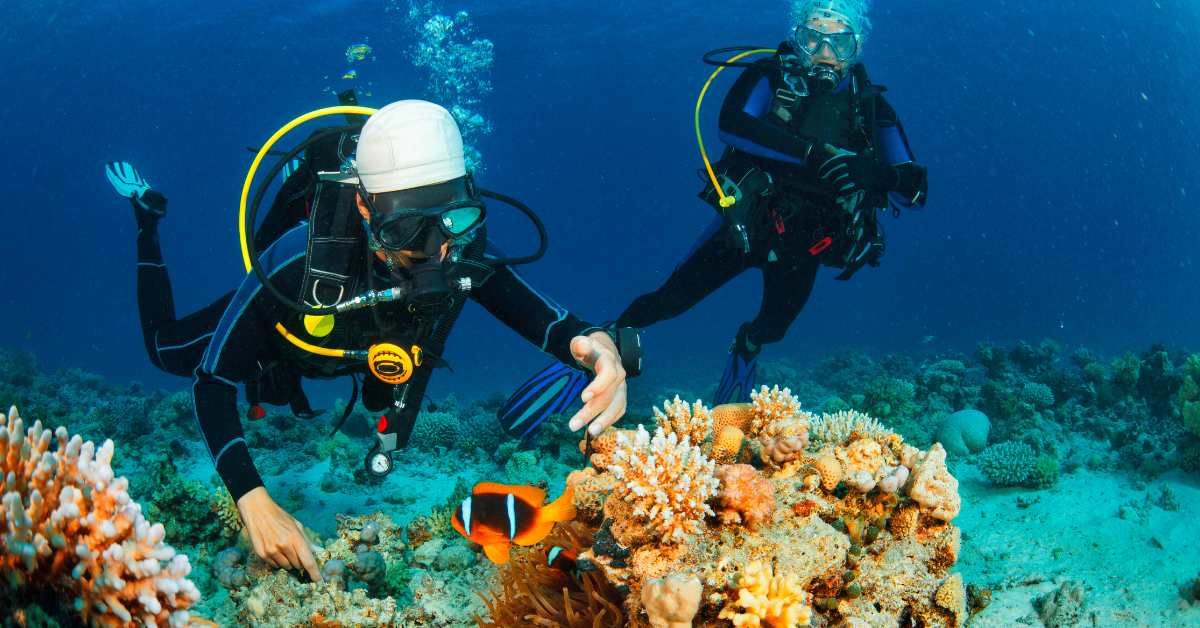
Indonesia is home to more than 17,000 islands, 600+ coral species, and nearly 3,000 fish species — making it the most biodiverse marine destination on Earth. Whether you are a first-time diver or a seasoned pro, the waters here offer something extraordinary at every depth.
This guide covers the 12 best scuba diving locations in Indonesia in 2026 — carefully picked for their marine life diversity, dive conditions, and accessibility for both foreign and local travelers.
Bali is where most international divers begin their underwater journey in Indonesia. The island offers a wide range of dive sites suited for all skill levels — from the famous USAT Liberty Wreck in Tulamben (5–30 meters depth) to the manta-filled waters of Manta Point in Nusa Penida. Water temperatures range between 23°C and 29°C, and the best diving season runs April through October.
Crystal Bay in Nusa Penida is a world-famous spot where you can encounter the elusive Mola Mola (ocean sunfish) from mid-June to early October. Padang Bai, on Bali's east coast, features crystal-clear waters with visibility often exceeding 25 meters.
Before you head to the dive sites, you'll need wheels to get around the island. Renting a scooter is the most popular and practical way to explore Bali, especially for reaching coastal departure points. Before you book one, check out our guide on common mistakes tourists make when renting a scooter in Bali so your dive trip starts on the right foot.
Located in West Papua, Raja Ampat holds the title of the most biologically diverse marine habitat ever recorded on the planet. Marine biologist Gerald R. Allen once counted 374 fish species on a single dive at Cape Kri — a world record. The region covers over 40,000 km² of land and sea and sits at the heart of the Coral Triangle.
Top dive sites include Manta Sandy (a manta ray cleaning station at just 18 meters depth), Blue Magic near Kri Island, and The Passage — a river-like channel between two islands filled with nudibranchs and mangroves. The best time to visit is September to June for the north; Misool in the south is accessible from September to June as well.
Wakatobi is an acronym for four main islands: Wangi-Wangi, Kaledupa, Tomia, and Binongko. It sits in the southeast corner of Sulawesi and is widely considered one of the most remote yet most rewarding dive destinations in Indonesia. The reefs here are largely undisturbed, offering some of the healthiest coral coverage in the entire country.
Wakatobi National Park protects over 3.5 million acres of marine area, including more than 750 coral reef species. The area is excellent for wall dives, drift dives, and encounters with rare critters. The best diving season runs April to November.
Komodo National Park is a UNESCO World Heritage Site located between Sumbawa and Flores. It is home to 1,000 species of fish and 260 species of reef-building corals. The area is best known for its powerful currents — which are challenging but bring enormous amounts of marine life to the surface, making it a dream destination for experienced divers.
Iconic dive sites include Manta Alley (a manta ray cleaning station at ~20 meters), Castle Rock with its dense fish life, and Batu Bolong, where Napoleon Wrasse and White Tip Sharks circle a reef that drops to 70 meters. The best season to dive here is April through October. Of course, outside the water, you can witness the world-famous Komodo Dragons on nearby Rinca Island.
Bunaken National Marine Park, located north of Manado in North Sulawesi, is one of the first officially protected marine areas in Indonesia. The park consists of five islands and is known globally for its spectacular vertical walls that plunge to depths of up to 600 meters. Visibility here often reaches 15 to 50 meters, making it a photographer's paradise.
You can expect to encounter green turtles, barracudas, napoleon wrasse, mandarin fish, and even whitetip sharks resting in underwater caves. Key dive sites include Lekuan 2 (famous for wide-angle photography), Ron's Point, and Mandolin (a superb drift dive along a vertical drop-off). The best time to dive in Bunaken is March through October.
Flores serves as the main gateway island to the Komodo National Park, with Labuan Bajo as its bustling dive hub. Beyond Komodo, Flores itself offers a variety of dive sites with excellent visibility and rich coral systems. Manta rays are frequently spotted in the shallow bays near Labuan Bajo, and local dive operators run daily trips to remote pinnacles and current-swept reefs.
The island is also connected to the iconic Pink Beach, one of only eight pink sand beaches in the world. From Flores, divers can access liveaboard routes that extend all the way east into the Banda Sea. Diving season aligns with Komodo — April to October is optimal.
Menjangan Island sits in the northwest corner of Bali, within the protected boundaries of West Bali National Park. It offers exceptional wall dives between 20 to 30 meters depth, with rich macro life and far fewer crowds than the island's more famous dive spots. The name "Menjangan" means "deer" in Balinese — and yes, wild deer can be spotted swimming across to the island.
Visibility here regularly exceeds 25 meters, and the walls are draped in giant sea fans, soft corals, and a diverse mix of tropical reef fish. Menjangan is accessible as a day trip from Bali's west coast or from accommodation in Pemuteran village. If you are planning a diving trip to Bali, getting to Menjangan is easy if you have your own transport — which is why knowing the rules around driving in Bali with an International Driving Permit matters before you hit the road.
The Togean Islands (also spelled Togian) are located in Tomini Bay, Central Sulawesi, and are truly one of Indonesia's best-kept secrets. What makes Togean unique is that it hosts all three reef types — fringing reefs, barrier reefs, and atolls — in a single small area. Divers can explore caves, canyons, drop-offs, and rocky formations, all teeming with life.
The islands are remote and difficult to reach, which keeps tourist numbers low and reefs in excellent condition. You might encounter dugongs, whale sharks, and unusual critters that are rarely found elsewhere in Indonesia. The best time to dive here is April to November.
Pulau Weh is located just off the northern tip of Sumatra, near the city of Sabang. This is one of the least visited dive destinations in Indonesia, which is precisely why its reefs remain in pristine condition. The island offers excellent drift diving, wreck diving, and shore diving, with the added chance of encountering Killer Whales, Mimic Octopus, and Whale Sharks.
The water here sits at the northernmost point of the Indian Ocean and is influenced by nutrient-rich currents from the Andaman Sea, which draws incredible pelagic life. Sabang's underwater life is complemented by lush jungle topside, making Pulau Weh a perfect destination for eco-conscious travelers.
The Banda Islands in the Maluku archipelago were once the world's only source of nutmeg and mace — and they remain largely forgotten by mainstream tourism today. That isolation is a gift for divers. The Banda Sea is known for deep, nutrient-rich upwellings that attract large pelagic species including Hammerhead Sharks, Manta Rays, and massive schools of tuna.
Dive sites here feature dramatic walls, underwater pinnacles, and some of the most diverse soft coral gardens in the Indo-Pacific. April–May and October–November are the ideal windows to visit, when weather in the Banda Sea is most stable. The Banda Islands are best explored via liveaboard, as the remote location makes resort-based diving challenging.
The Derawan Islands are located off the northeast coast of Borneo (Kalimantan) and rank second only behind Raja Ampat in terms of coral diversity, with over 460 coral species recorded. The archipelago is famous for its giant sea turtle nesting beaches, stingless jellyfish lakes (similar to those in Palau), and large manta ray populations.
Sangalaki Island is one of the world's most important green turtle nesting grounds, while Kakaban Island features a rare marine lake where you can swim freely among jellyfish that have lost their sting. The best time to dive is April to November, with peak turtle nesting season typically between July and October.
The Sangihe Islands sit in the Sulawesi Sea, north of Manado, close to the Philippine border. They are one of Indonesia's most adventurous and least explored diving destinations. The underwater landscape here is shaped by active volcanoes — divers can explore hydrothermal vents, dramatic black-sand slopes, and extraordinary fish life adapted to unique geological conditions.
The macro life in Sangihe is extraordinary, with rare pygmy seahorses, ghost pipefish, and exotic nudibranchs found on every dive. Because these islands are rarely visited, the reefs show very little human impact. Sangihe is best reached via a flight to Manado, followed by a ferry or charter boat.
Indonesia's vast size means diving conditions vary by region. Here's a quick breakdown:
If your Indonesia diving adventure starts — or ends — in Bali, getting around efficiently is key. Most dive operators are located along coastal routes that are best reached by scooter. Whether you are heading from Seminyak to Sanur, or from Kuta to Padang Bai, having your own ride gives you freedom and flexibility.
Before renting, make sure you understand the scooter rental guide for foreigners in Bali — from insurance and helmets to traffic rules. If you are flying into Bali for the first time since 2025, you also need to complete the All Indonesia Arrival Card before you land — this has replaced the old customs declaration form.
Australians heading to Bali should know that riding a scooter legally requires an International Driving Permit alongside your home license. Read our full breakdown on driving in Bali with an Australian license to avoid fines or issues with police. Similarly, Indian travelers should check out the guide on riding in Bali with an Indian driving license.
Not sure which scooter model to choose? Cinchy's comparison of the Honda Vario vs Yamaha Fazzio breaks down the pros and cons of Bali's two most popular rental models. And if you need a scooter delivered straight to your hotel in Sanur before heading to a dive boat, check out how scooter delivery to Sanur works.
If your flight arrives or departs from a domestic terminal, understanding Ubung Bus Station in Denpasar can also help you plan your land transfers more efficiently.
Whether you are planning to dive the walls of Bunaken, drift through Komodo, or discover the remote frontier of the Banda Islands, Indonesia is ready to take your breath away — above and below the water.
👉 Start planning your Indonesia trip today at Cinchy — your trusted travel companion for exploring this incredible archipelago.
🛵 Need a scooter for your Bali dive trip? Book your scooter with Cinchy and get it delivered straight to your hotel — no hassle, no stress.
 travel tips
 hidden gems
 scooter guides
 riding tips
 bali guides
 cultural insight