1


Stay in Touch
Get the latest updates, special offers, and exclusive Cinchy perks straight to your inbox.


Jl. Plawa No.50, Seminyak, Kec. Kuta, Kabupaten Badung, Bali 80361

CALL US 24/7
(+62-851-7424-6249)
Copied!

We’re Here
Everyday
8:30 AM-9 PM WITA




Payment Partners


© 2026 CINCHY. ALL RIGHTS RESERVED.
Cinchy Blog / The Complete Guide to Payment Methods for Foreign Visitors in Bali
Published: 11 Feb 2026

By Ulfah Alifah
Travel Enthusiast
Free Cancellation
24/7 Support
Insurance
Start Date - End Date
Start Time
End Time
Duration
0 Day(s)
Planning your dream trip to Bali? Understanding payment options will make your adventure smoother and safer. This guide covers the most popular payment methods for foreigners visiting the Island of Gods, helping you make smart money choices during your stay.
Bali offers many ways to pay for things, but not all methods work everywhere. Smart travelers mix different payment options to handle any situation. From street food vendors to luxury hotels, each place may prefer different payment types.
The Indonesian Rupiah (IDR) is Bali's official currency. While tourism areas accept various payment methods, rural areas and local markets often only take cash. Planning ahead helps you avoid payment problems during your trip.
Cash is still the most popular payment method in Bali. Over 80% of all transactions use cash, making it essential for foreign visitors. Cash works everywhere and helps you control spending better.
Cash gives you several advantages in Bali:
Keep small bills handy (5,000, 10,000, and 20,000 IDR notes). Many vendors struggle with change for large 100,000 IDR bills. Split your cash into different safe places like money belts or hotel safes.
Only carry what you need each day. Bali has plenty of ATMs in tourist areas, so you don't need to carry large amounts. This reduces theft risk while keeping you flexible.
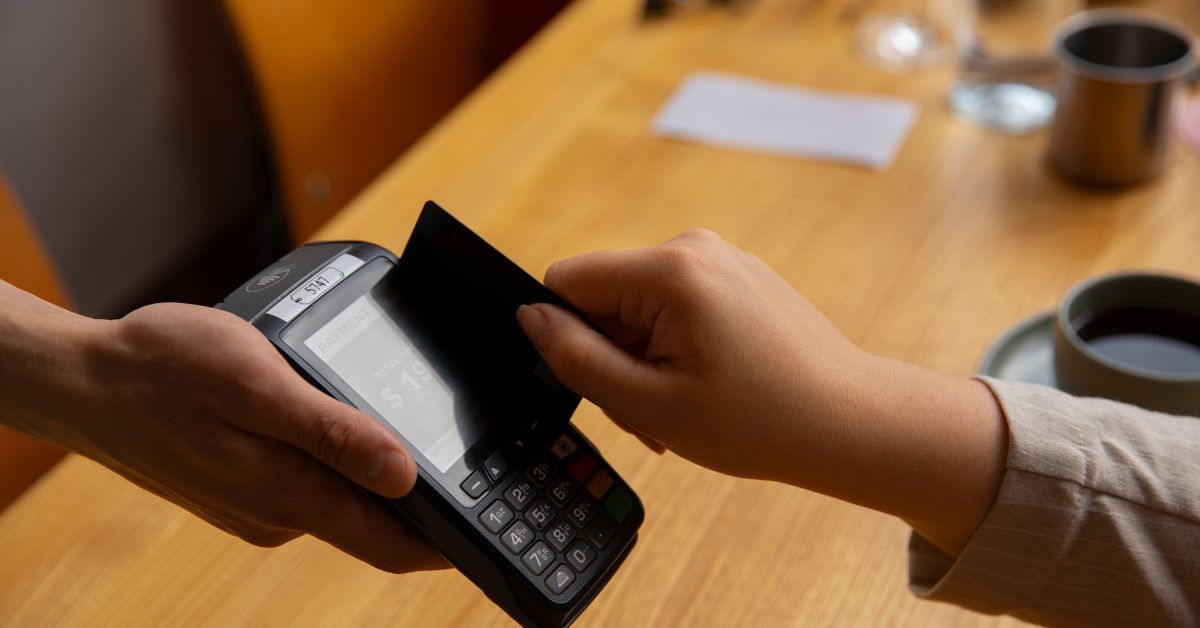
Credit and debit cards offer convenience for larger purchases and hotel bookings. Visa and Mastercard work best in Bali, with wide acceptance in tourist areas.
Cards are perfect for:
Many places add 2-3% surcharges for card payments. Small businesses, local markets, and street food stalls rarely accept cards. Always inform your bank about travel plans to avoid blocked transactions.
American Express has very limited acceptance. Stick with Visa or Mastercard for the best coverage across Bali.
ATMs provide easy access to Indonesian Rupiah using international cards. BCA and BNI banks offer the best ATM experiences with reliable machines and fair rates.
Use ATMs inside bank branches for maximum security. These locations have cameras and staff nearby if problems occur. Avoid standalone machines in isolated areas.
Most ATMs limit withdrawals to 1.25-3 million IDR per transaction (about $75-185 USD). Plan multiple withdrawals for larger amounts. Always wait for your card - some machines dispense money first, then return cards.
Popular banks like BCA and BNI typically don't charge withdrawal fees. Your home bank may still charge international fees, so check with them before traveling. Travel cards like Wise or Revolut often offer better rates than traditional bank cards.
Digital wallets like GoPay, OVO, and Dana are becoming popular in Bali. These apps use QR codes for quick payments at many businesses.
Foreign visitors can download apps like GoPay and connect credit cards or top up with cash at convenience stores. The QRIS system lets you pay by scanning QR codes at participating merchants.
E-wallets work well for:
Setting up requires Indonesian phone numbers for full access. Many traditional vendors don't accept digital payments yet. Cash backup remains necessary for complete coverage.
International travel cards like Wise, Revolut, or bank-issued forex cards offer excellent options for Bali visitors. These cards typically provide better exchange rates than traditional credit cards.
Wise cards offer mid-market exchange rates without hidden fees. Revolut provides excellent currency coverage and spending controls. Many banks also offer travel-specific cards with reduced foreign transaction fees.
Licensed money exchangers provide good rates for converting foreign currency to Indonesian Rupiah. Look for authorized changers with proper licenses and clear rate displays.
Avoid "too good to be true" rates from unlicensed operators. Stick to reputable exchanges in busy tourist areas with security cameras and professional staff.
Protecting your money requires smart habits throughout your Bali trip:
Cover your PIN when entering it at ATMs or payment terminals. Choose to pay in local currency (Indonesian Rupiah) when given the option - this avoids poor exchange rates from Dynamic Currency Conversion.
Monitor bank statements regularly during and after your trip. Set up mobile alerts for all transactions to catch unauthorized use quickly.
The smartest approach combines multiple payment methods. Here's a winning strategy for foreign visitors:
Primary method: Cash for daily expenses, small purchases, and local experiences
Secondary method: Credit/debit card for hotels, restaurants, and larger purchases
Backup method: Travel card or international card for emergencies
Modern option: E-wallet for ride-hailing and trendy businesses
Carry 200,000-500,000 IDR in cash for typical daily activities. This covers meals, transportation, small shopping, and temple donations. Keep cards for unexpected expenses or larger purchases.
Break large bills at hotels, banks, or supermarkets early in the day. Small vendors appreciate customers who help with exact change.
Different Bali experiences may require specific payment approaches:
Local taxis and motorbike taxis usually require cash payment. Pre-booked airport transfers through hotels or apps often accept card payments. Scooter rentals typically accept both cash and online payments for convenience.
Temple entry fees and donations require cash. Parking fees at beaches and attractions also need small bills. Bring plenty of 5,000 and 10,000 IDR notes for these expenses.
Warungs (local eateries) prefer cash payments. Upscale restaurants in tourist areas accept cards but may add surcharges. Markets and street vendors only take cash, while malls accept various payment methods.
Indonesian customs allow foreigners to bring up to 100 million IDR equivalent in foreign currency (about $6,500 USD) without declaration. Amounts above this limit require customs declaration upon entry.
Most visitors find $500-1000 USD in cash sufficient for initial needs, then use ATMs for additional Indonesian Rupiah as needed.
Always have multiple payment options available:
Consider informing trusted contacts at home about your payment methods and bank details in case emergency assistance becomes necessary.
The best payment strategy depends on your travel style and planned activities. Luxury resort guests might rely more on cards, while adventure travelers exploring local areas need more cash.
Budget travelers often prefer cash for better expense control and avoiding fees. Digital nomads might embrace e-wallets and travel cards for convenience and tracking.
Understanding payment options helps you focus on enjoying Bali's amazing experiences instead of worrying about money matters. With proper planning, you'll handle any payment situation confidently.
Ready to explore Bali with a reliable scooter? Book your scooter rental now for the ultimate island adventure. Our convenient booking system accepts multiple payment methods for your convenience.
For quick and easy scooter reservations, visit our booking page and secure your ride in just minutes. Experience Bali's beauty with the freedom and flexibility of your own transportation.
Enjoy your Bali adventure with confidence, knowing you're prepared for any payment situation the island presents!
 travel tips
 hidden gems
 scooter guides
 riding tips
 bali guides
 cultural insight