1


Stay in Touch
Get the latest updates, special offers, and exclusive Cinchy perks straight to your inbox.


Jl. Plawa No.50, Seminyak, Kec. Kuta, Kabupaten Badung, Bali 80361

CALL US 24/7
(+62-851-7424-6249)
Copied!

We’re Here
Everyday
8:30 AM-9 PM WITA




Payment Partners


© 2026 CINCHY. ALL RIGHTS RESERVED.
Cinchy Blog / Cash vs Card in Bali, What is The Best Option?
Published: 18 Apr 2026

By Syahrial Maulana Sudarto
Travel Enthusiast
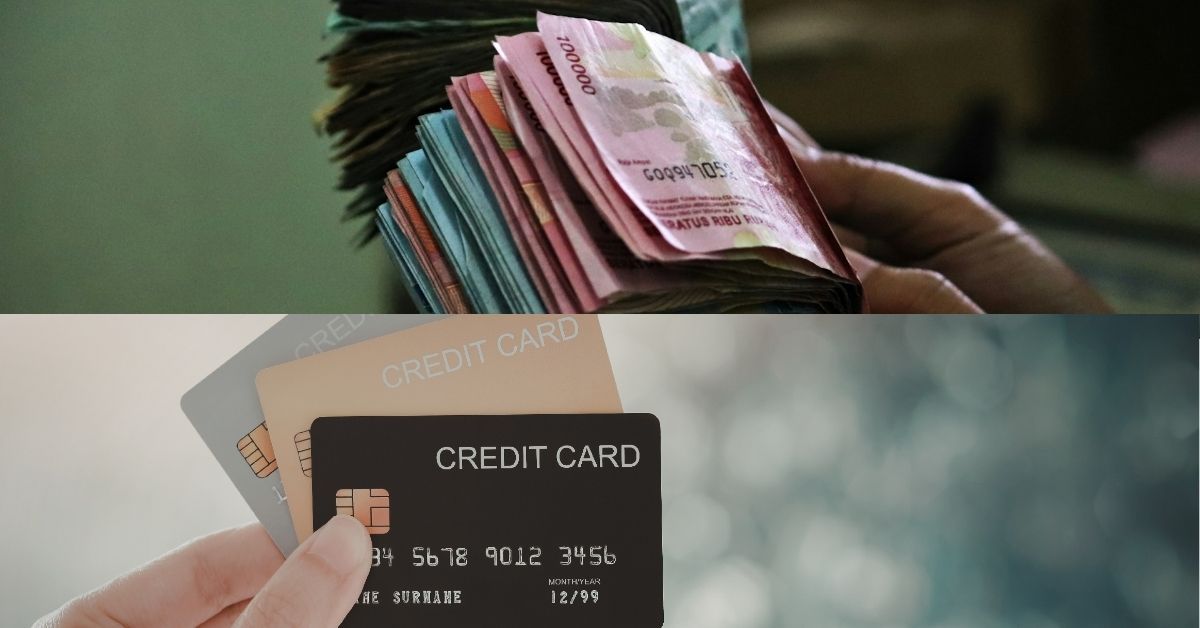
Planning a trip to Bali and wondering whether you should rely on cash vs cards? This is one of the most common questions travelers ask before visiting the island.
Bali’s payment ecosystem reflects a unique blend of traditional and modern systems.
While digital payments like cards and QR codes are expanding rapidly, many local businesses still operate primarily with cash.
This makes understanding when to use each method extremely important.
In this guide, you’ll learn exactly where cash is required, where cards are accepted, and how to avoid unnecessary fees.
We’ll also break down real data and practical tips so you can manage your money confidently during your trip.
Bali is still widely considered a cash-based destination, especially outside of major tourist hubs.
Across Indonesia, more than 80% of transactions are conducted using cash, which highlights how deeply ingrained cash usage remains in daily life.
However, the landscape is changing quickly thanks to government-backed digital payment systems.
QRIS (Indonesia’s national QR payment system) has seen rapid adoption, with millions of transactions processed monthly and a growing number of small businesses accepting it.
Despite this progress, cash demand remains extremely high.
During peak travel periods, Bank Indonesia distributes trillions of rupiah in physical cash to ensure smooth economic activity, which shows that cash is still critical for both locals and tourists.
Overall, Bali sits in a transitional phase.
You’ll find modern payment options in tourist-heavy areas, but cash is still the backbone of everyday transactions.
Understanding when to use cash or card can save you both time and money. Bali doesn’t operate like fully cashless destinations such as Singapore or South Korea, so flexibility is key.
| Situation | Cash | Card |
| Warungs (local eateries) | ✅ Always | ❌ Rare |
| Hotels & resorts | ❌ | ✅ Always |
| Beach clubs | ❌ | ✅ |
| Street markets | ✅ | ❌ |
| Transport (drivers, parking) | ✅ | ⚠️ Sometimes |
| Convenience stores | ✅ | ✅ |
This comparison highlights how fragmented the system is. Even within the same area, one shop may accept cards while the next only accepts cash.
Because of this, relying solely on one payment method can create inconvenience. A combination of cash and card ensures you’re prepared for any situation.
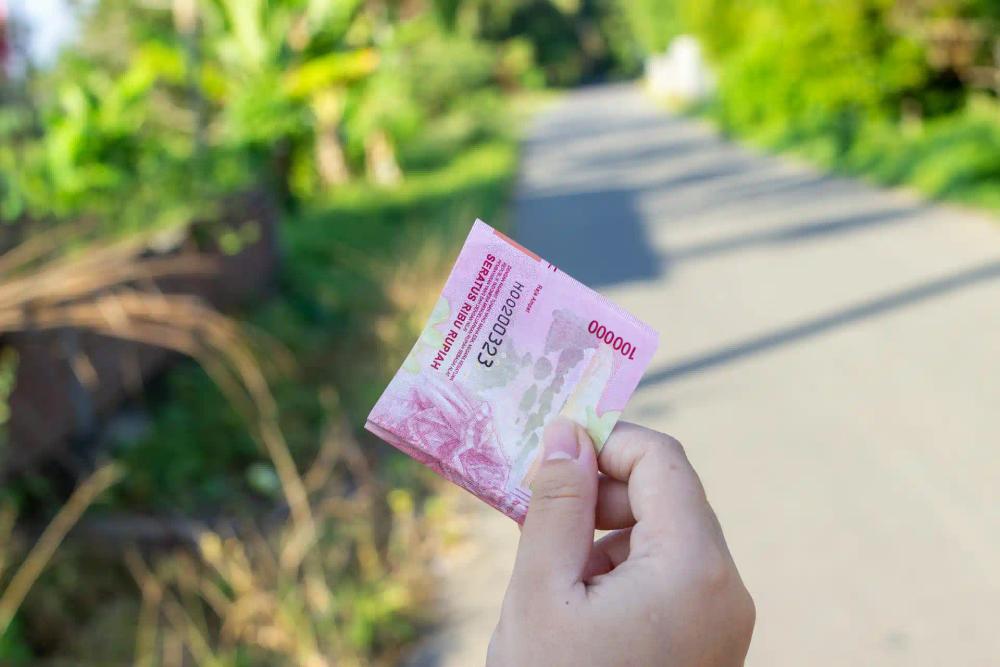
There are still many scenarios in Bali where cash is not just preferred, but required. These situations are especially common in local and traditional environments.
Local warungs and street food vendors almost always operate on a cash-only basis.
These small businesses often don’t have the infrastructure to accept card payments, yet they offer some of the most authentic and affordable food on the island.
Traditional markets and souvenir stalls are another area where cash dominates. Bargaining is common in these places, and transactions are typically handled quickly using physical money.
Temples, entrance tickets, and small cultural fees are also usually paid in cash. Even in popular tourist attractions, digital payment systems are not always available.
In addition, everyday small expenses like parking fees, tips, and local transport often require cash.
Without small bills, you may find yourself struggling to pay for basic services.

Card payments are widely accepted in more developed and tourist-oriented areas of Bali.
If you spend most of your time in places like Seminyak, Canggu, or Nusa Dua, you’ll likely use your card quite often.
Hotels, villas, and resorts almost always accept cards, making them ideal for larger transactions.
This includes not only accommodation but also additional services like spa treatments or dining within the property.
Upscale restaurants, cafés, and beach clubs also rely heavily on card payments. These businesses cater to international travelers and are equipped with modern payment systems.
Supermarkets, convenience stores, and branded retail shops typically accept both cash and card. This gives you flexibility, especially for mid-sized purchases.
However, it’s important to note that some businesses apply a surcharge for card payments. This fee usually ranges from 2% to 3%, so it’s worth checking before you pay.
To make sure what payment you need to prepare during your trip in Bali, you can check our article here: Popular Payment Methods for Foreigners in Bali.
Using cards in Bali is generally safe, especially in reputable establishments. However, like any travel destination, there are risks that you should be aware of.
One of the most common concerns is card skimming, which can occur at poorly maintained ATMs or in less secure locations. While this is not widespread, it’s still something to keep in mind.
Another issue is dynamic currency conversion, where merchants offer to charge your card in your home currency instead of Indonesian Rupiah. This may seem convenient, but it often comes with hidden fees and unfavorable exchange rates.
To stay safe, always use ATMs located inside banks or shopping centers. Avoid standalone machines in quiet areas, especially at night.
You should also ensure that your card remains in your sight during transactions. This reduces the risk of unauthorized copying or misuse.
ATMs are widely available across Bali, particularly in tourist areas. You’ll find them in shopping centers, near supermarkets, and along main roads.
Indonesia has a large ATM network, with over 100,000 machines nationwide. This makes it easy to withdraw cash whenever you need it.
However, withdrawal limits are typically lower than in many Western countries. Most ATMs allow withdrawals of around 2,500,000 to 3,000,000 IDR per transaction, which is roughly equivalent to $150–$200.
Fees can also add up if you withdraw frequently. Many banks charge international withdrawal fees, and local ATM operators may apply additional charges.
To minimize costs, it’s better to withdraw larger amounts less often. This reduces the number of transaction fees you incur.
Money changers are common in Bali, but not all of them are trustworthy.
While many are legitimate, there are also some that use deceptive practices to take advantage of tourists.
You need to know the rules of exchange money in Bali.
Authorized money changers are generally safe and offer competitive exchange rates. These establishments are usually clearly marked and operate in proper offices.
On the other hand, small roadside booths with unusually high exchange rates can be risky. These places often use tricks during the counting process to give you less money than expected.
One common scam involves distracting you while counting cash, then subtly removing some bills before handing it over. This can be difficult to notice if you’re not paying close attention.
To stay safe, always count your money carefully before leaving the counter. If something feels off, don’t hesitate to cancel the transaction.
We have compiled several spots for you to exchange your money in Bali, here: 20+ Best Places to Exchange Money in Bali.
Digital payments are becoming increasingly popular in Bali, thanks to the rise of QRIS. This system allows users to make payments by scanning a QR code, making transactions quick and convenient.
QRIS has been widely adopted across Indonesia, including in Bali. Even small vendors and local businesses are starting to accept QR payments, which is a major shift from previous years.
Local e-wallets like GoPay, OVO, and DANA are commonly used for QRIS transactions.
These platforms are deeply integrated into daily life, especially for transportation and food delivery services.
However, international travelers may face some limitations. Not all foreign banking apps or digital wallets are compatible with QRIS, which means you may not always be able to use this method.
Despite this, QRIS represents the future of payments in Bali. Its growing adoption makes it an important trend to be aware of.
The official currency used in Bali is the Indonesian Rupiah (IDR). All transactions, whether in cash vs card, are typically conducted in this currency.
While some businesses may accept foreign currencies like US dollars, this is not common and usually comes with unfavorable exchange rates. Paying in foreign currency can result in higher costs.
For this reason, it’s always better to use Indonesian Rupiah. This ensures that you’re getting the most accurate pricing and avoiding unnecessary markups.
If you bring foreign cash, it’s best to exchange it at authorized money changers or withdraw local currency from ATMs. This usually provides better value compared to exchanging at airports.
To know more in depth about Bali currency, make sure to check our info here: Bali Currency Guide 2025 | Money Tips for Foreigners.
So, what’s the best way to pay in Bali? The answer is not choosing between cash vs card, but using both strategically.
Cash is essential for small, everyday transactions and local experiences. Without it, you may find yourself limited in where you can eat, shop, or explore.
Cards, on the other hand, are ideal for larger purchases and offer convenience and security. They reduce the need to carry large amounts of cash.
The best approach is to combine these methods. Use cash for daily spending and cards for bigger payments, while taking advantage of digital options when available.
This balanced strategy ensures that you’re prepared for any situation and can enjoy your trip without financial stress.
Managing your money wisely can make a big difference during your trip. Small decisions can help you avoid unnecessary fees and maximize your budget.
Avoid exchanging money at the airport whenever possible. Airport rates are typically less favorable compared to those in the city.
Always choose to pay in Indonesian Rupiah when using your card. This helps you avoid hidden conversion fees and ensures better exchange rates.
Using a travel-friendly card with low foreign transaction fees can also save you money. These cards often offer better exchange rates compared to traditional banks.
It’s also a good idea to carry smaller denominations of cash. Many local vendors may not have change for large bills, which can make transactions more difficult.
If you want to stay for longer term in Bali, make sure to check our article about budgeting here:
Bali Holiday Budget for a Week Breakdown
Cost of Living in Bali for a Month: Detailed Breakdown
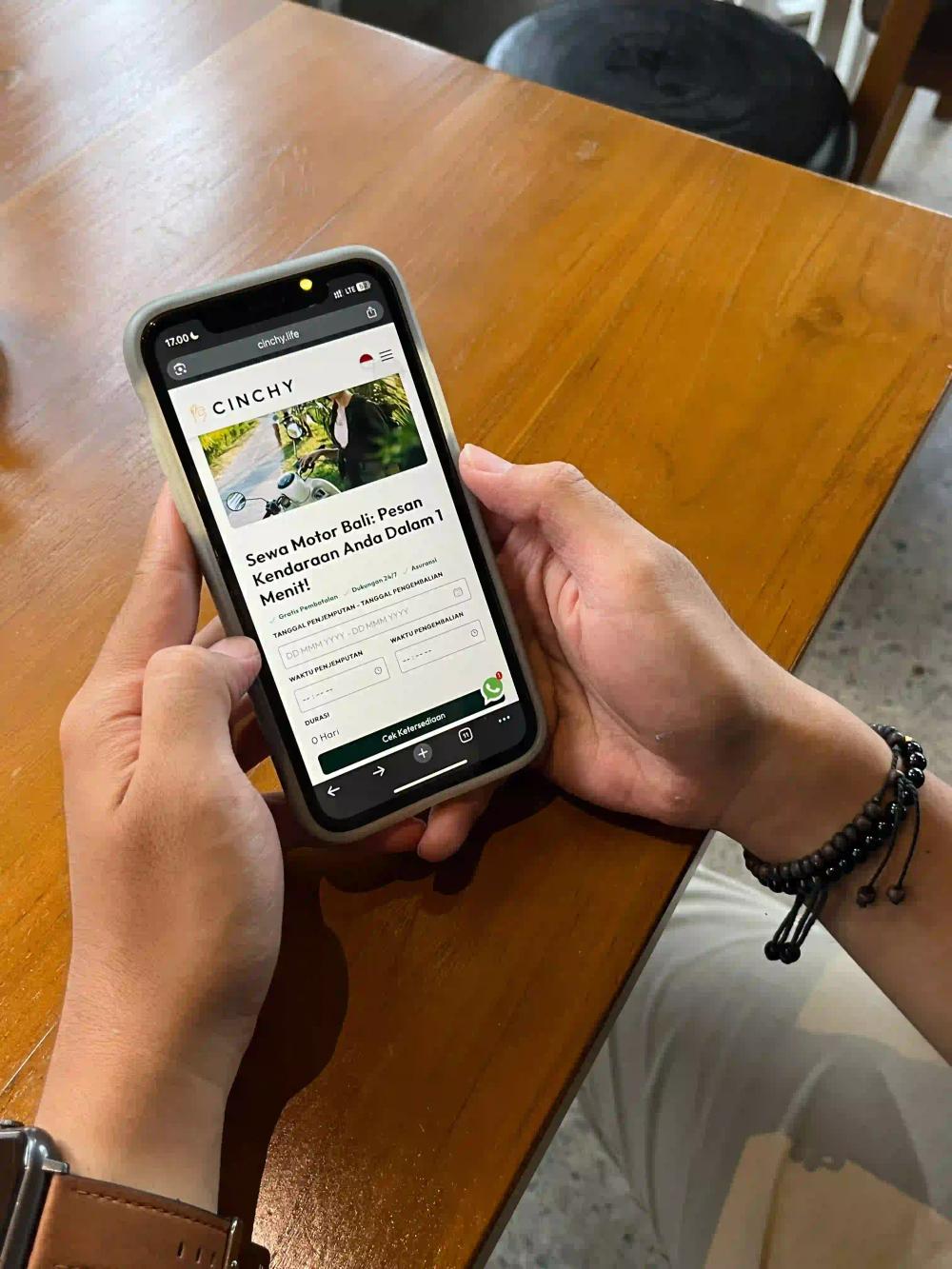
If you’re planning to get around Bali easily, using a reliable scooter rental service like Cinchy can make a big difference.
Not only does it give you full control over your travel schedule, but it also helps you avoid the limitations of cash-only transport options.
You can pay Cinchy’s scooter with cash, credit card, transfer via local bank, or even e-wallet. Simple!
Also, Cinchy provides a range of well-maintained scooters that are regularly serviced to ensure safety and comfort during your trip.
One of the biggest advantages of Cinchy is its flexible pricing.
You can choose from daily, weekly, or monthly rental packages depending on your travel duration, making it suitable for both short vacations and long stays.
The rental process is designed to be quick and hassle-free. You only need a valid ID, a driving license (international or SIM C), flight tickets, and hotel booking details to get started.
Another standout feature is the free delivery and pickup service. Your scooter can be delivered directly to areas like Seminyak or Bali airport, making your arrival in Bali much smoother.
So, with a much easier way to rent a scooter in Cinchy, what are you waiting for?
👉 Click Here to Rent a Scooter in Cinchy Now!
Do I need cash in Bali?
Yes, cash is still essential in Bali, especially for small businesses, local markets, and everyday expenses.
Can I use credit cards everywhere in Bali?
No, card acceptance is limited in local areas, although it is widely available in tourist locations.
Is Bali becoming cashless?
Bali is gradually moving toward digital payments, but cash remains the dominant method.
How much cash should I bring to Bali?
It depends on your travel style, but most travelers combine ATM withdrawals with card payments.
Can I use Apple Pay or Google Pay in Bali?
These options are not widely supported, so they should not be relied upon as your primary payment method.
 travel tips
 hidden gems
 scooter guides
 riding tips
 bali guides
 cultural insight