
1


Stay in Touch
Get the latest updates, special offers, and exclusive Cinchy perks straight to your inbox.


Jl. Plawa No.50, Seminyak, Kec. Kuta, Kabupaten Badung, Bali 80361

CALL US 24/7
(+62-851-7424-6249)
Copied!

We’re Here
Everyday
8:30 AM-9 PM WITA




Payment Partners


© 2026 CINCHY. ALL RIGHTS RESERVED.
Cinchy Blog / Bali vs Gili Islands: Should You Visit Bali or Gili Islands in 2026?
Published: 12 May 2026

By Ulfah Alifah
Travel Enthusiast
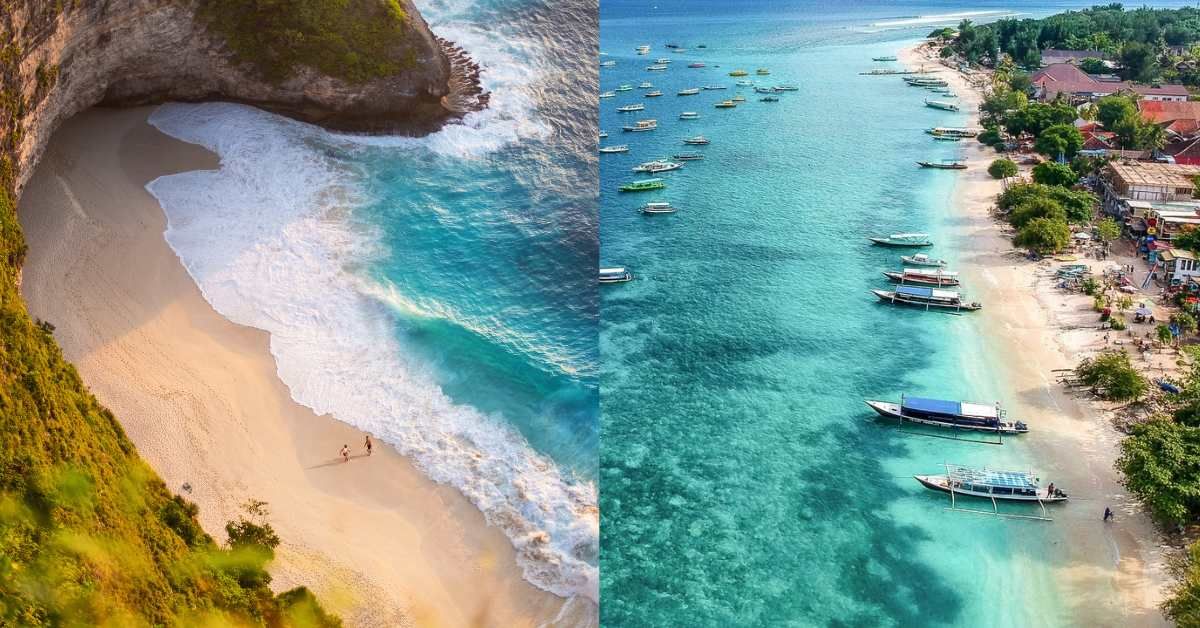
Two Indonesian destinations. One big decision. Bali is a world-famous island packed with temples, rice terraces, surf breaks, and buzzing nightlife. The Gili Islands — three tiny gems off the coast of Lombok — offer something far quieter: white sand, turquoise water, sea turtles, and almost no noise. Both are stunning. But they are not the same kind of trip.
This guide breaks down every major factor — beaches, food, costs, diving, romance, safety, and more — so you can decide which destination is right for your 2026 holiday.
Bali is one of the most visited islands on the planet. It sits in the westernmost part of the Lesser Sunda Islands chain, and it draws millions of travelers each year for good reason. The island blends deep Hindu culture with modern tourism infrastructure, which means you get ancient temples and world-class beach clubs sometimes within the same neighbourhood.
From the spiritual town of Ubud in the central highlands to the surf beaches of Canggu and the cliffside vistas of Uluwatu, Bali is massively varied. If you want to know the best area to stay in Bali for first-timers, check out the Cinchy guide covering Seminyak, Ubud, Canggu, and more. The island offers something for solo backpackers, honeymooners, families, expats, and digital nomads all at once. That versatility is Bali's greatest strength.
The Gili Islands are three small coral-fringed islands sitting just off the northwest tip of Lombok: Gili Trawangan, Gili Meno, and Gili Air. Each has its own distinct personality. Gili Trawangan (also called "Gili T") is the largest and the liveliest, with beachfront bars and a social backpacker vibe. Gili Meno is the quietest and most secluded, perfect for couples. Gili Air is the middle ground — relaxed, stylish, and community-driven.
One of the most distinctive features of the Gilis is the total absence of motorised vehicles. No cars, no motorbikes — just bicycles, horse-drawn carts called cidomos, and bare feet on sand. This makes the islands feel almost surreally peaceful compared to Bali's busy roads. The underwater world here is equally spectacular, with sea turtles, vibrant coral reefs, and famous underwater sculptures drawing divers and snorkellers from around the globe.
Bali is dramatically larger than the Gili Islands. Bali covers roughly 5,780 square kilometres, making it one of Indonesia's biggest tourist destinations. The Gili Islands combined are just a few square kilometres. Gili Trawangan, the biggest of the three, can be walked around on foot in under two hours. This size difference shapes almost every other aspect of the comparison. Bali offers endless variety and exploration. The Gilis offer simplicity and focus.
Both destinations share the same seasonal calendar. The dry season runs from approximately April to October for both Bali and the Gili Islands, and this is widely considered the best time to visit. For the Gilis specifically, the shoulder seasons of April to June and September to October offer great weather with fewer crowds and lower prices. Peak season falls in July and August and again in December and January. If you are planning a trip in May, read the Cinchy guide on visiting Bali in May for a full breakdown of conditions and tips.
During the dry season, temperatures in both locations hover between 27°C and 32°C, with plenty of sunshine and low humidity. The wet season, from October to March, brings tropical downpours, high humidity, and occasionally rough seas, which can make the boat crossing to the Gili Islands more challenging. The weather difference between Bali and the Gilis is minimal since they sit within the same regional climate zone. However, Bali's higher altitude areas like Ubud can feel noticeably cooler and wetter than the coast.
Bali wins this category easily. The island offers sunrise hikes up Mount Batur, cycling through Tegallalang rice terraces, ATV rides through jungle terrain, white-water rafting in Ayung River, and world-class surfing at dozens of breaks. The Gili Islands, by contrast, are flat and small, so outdoor activities beyond the water are very limited. For those who want maximum adventure on land, Bali is the clear choice. On the Gilis, the ocean is where all the action happens.
Bali's scenery is extraordinarily diverse. You get volcanic peaks, jungle-draped rice terraces, black sand beaches, dramatic sea cliffs, and lush river valleys all on one island. The Gili Islands offer a different kind of beauty — flat, minimalist, and entirely focused on the coast. Think powder-white beaches, palm trees, and shallow turquoise lagoons stretching in every direction. Both are visually stunning, but in completely different ways. If Instagram-worthy minimalism appeals to you, the Gilis will not disappoint. If you want dramatic and layered scenery, Bali is unmatched.
Bali has more beaches in total, with everything from black volcanic sands in the east to white-sand coves in Nusa Dua and powerful surf beaches in Canggu and Uluwatu. The Gili Islands may have fewer beaches, but every single one is white sand, calm, and far less crowded than anything you will find in Bali. For raw beach quality — clarity of water, colour of sand, peace and quiet — the Gili Islands have the edge. For variety and accessibility, Bali comes out ahead. One great way to explore Bali's beaches is by scooter. Rent a scooter with Cinchy and get delivered straight to your hotel or villa.
Bali offers a much wider hotel selection at every budget level — from basic guesthouses for under $15 per night to ultra-luxury resorts charging hundreds of dollars. The Gili Islands have far fewer options, but what is available is generally high quality. Boutique eco-resorts, beachfront bungalows, and small luxury hotels are typical on the Gilis. Competition is limited on the Gilis compared to Bali, which means prices can be higher relative to quality for mid-range and budget travellers.
Bali is famous for its private villa scene. You can rent a stunning pool villa with a garden, full kitchen, and daily housekeeping for surprisingly affordable rates — especially in Seminyak, Canggu, and Ubud. Gili Islands villas exist too, particularly on Gili Trawangan and Gili Meno, but they are fewer in number and harder to book in advance. For villa stays, Bali offers far more choice and better value. If a private villa with a pool is on your wishlist, Bali is the easier destination to make that happen.
Bali's dining scene is world-class. You will find everything from $1 warungs serving nasi goreng to upscale fine dining with Michelin-trained chefs. Seminyak alone has dozens of acclaimed restaurants. The Gili Islands also have a solid food scene — especially on Gili Trawangan — but the range is narrower and prices tend to be higher because everything is imported via boat. Fresh seafood is excellent on the Gilis, but overall, Bali wins on dining variety, quality, and cost.
Both destinations offer strong water sports options. In Bali, you can surf, kiteboard, paddleboard, parasail, jet ski, and take banana boat rides at beaches like Sanur, Tanjung Benoa, and Seminyak. The Gili Islands focus more on reef-based water sports — snorkelling, freediving, scuba diving, and kayaking. For high-energy water sports like surfing and kite surfing, Bali is better equipped. For relaxed reef experiences, the Gilis lead the way. If you are visiting Bali and heading to Sanur to catch a fast boat to the Gilis, check out the things to do in Sanur guide from Cinchy for tips on getting the most out of both stops.
This is where the Gili Islands truly shine. The shallow reefs around all three islands are teeming with marine life. Turtles are almost guaranteed at sites like Turtle Heaven near Gili Trawangan and Turtle City near Gili Air. The NEST and BASK underwater sculpture parks near Gili Meno are iconic dive and snorkel spots found nowhere else in Indonesia. Bali also has excellent diving — notably at Amed, Tulamben (the USAT Liberty wreck), and Nusa Penida — but the Gilis win for sheer reef accessibility. You can wade directly off the beach and be surrounded by coral and sea life within minutes.
Bali dominates this category. The island has an endless list of inland adventures: trek to the summit of Mount Batur for sunrise, explore the jungle interior around Ubud, visit sacred water temples like Tirta Empul, or cycle through paddy fields in Sidemen. The Gili Islands, being flat and tiny, have almost no inland area to speak of. A bicycle ride around the perimeter of Gili Trawangan takes about an hour. If you want land-based exploration, Bali is the only real choice between the two.
Both destinations are generally considered safe for tourists. Bali has a well-established tourism infrastructure with hospitals, police, and emergency services. The Gili Islands are peaceful by nature — no motorised vehicles removes a significant cause of tourist accidents. The main safety consideration on the Gilis is the boat crossing, which can become rough during the wet season. In Bali, scooter accidents are the most common tourist injury. If you rent a scooter, go through a trusted, insured provider. Rent a reliable scooter with Cinchy to stay safe on Bali's roads.
Bali's nightlife is on a completely different level. From the mega beach clubs of Seminyak to the cliffside sunset bars of Uluwatu, the party scene runs 24 hours a day across multiple neighbourhoods. Canggu is the go-to for live music and late-night bars, while Kuta is famous for its high-energy club scene. For a full breakdown of where to go after dark, check out the Cinchy nightlife guide for Bali in 2026. Gili Trawangan has a legitimate party scene of its own, with beachfront bars and weekly DJ nights, but it is far more limited compared to Bali's full range of options.
Bali supports virtually every lifestyle. You can live a wellness-focused morning of yoga and cold-pressed juice in Ubud, then head to a sunset beach club in the afternoon, and end the night at a rooftop bar in Seminyak. The lifestyle on the Gili Islands is inherently slower and more barefoot. Mornings start with coffee on the beach, days pass in or under the water, and evenings are spent watching sunsets and eating fresh seafood. Both are appealing depending on what you want from a trip. Bali gives you everything. The Gilis give you deep, focused relaxation.
Bali is one of the most culturally rich destinations in Southeast Asia. Its Hindu traditions permeate everyday life through daily offerings, temple ceremonies, traditional dance performances, and intricate art forms. The island has thousands of temples, and visiting places like Uluwatu Temple at sunset or the sacred springs of Tirta Empul is genuinely unlike anything else in Indonesia. The Gili Islands have a more relaxed local culture rooted in Sasak traditions from Lombok, but cultural tourism is minimal. If cultural immersion matters to you, Bali wins this category outright.
Bali's food scene ranges from traditional Balinese dishes like babi guling and lawar to modern international cuisine. Street food in Bali is cheap, accessible, and absolutely delicious — a proper warung meal costs less than $2. On the Gili Islands, fresh seafood grilled right on the beach is the standout experience, and Indonesian staples are widely available. However, since the Gilis import most ingredients by boat, prices are higher and menus are more limited. For food lovers and budget eaters alike, Bali is the stronger destination.
Bali is a shopper's paradise. From the artisan markets of Ubud and the boutique shops of Seminyak to the sprawling stalls of Kuta, there is no shortage of things to buy. You will find handmade textiles, silver jewellery, wood carvings, surf gear, designer knock-offs, and high-end fashion all on the same island. The Gili Islands have a handful of surf shops and souvenir stalls, mainly concentrated on Gili Trawangan, but shopping is nowhere near the draw that it is in Bali. If shopping is part of your holiday plan, Bali is the only real answer.
Bali is very family-friendly, with dedicated beach areas like Sanur offering calm, shallow water ideal for children, as well as water parks, elephant sanctuaries, and family-focused resorts. The Gili Islands can also work well for families — the beaches are safe, the pace is slow, and snorkelling is fun for older kids — but the limited medical facilities and the transport challenges (boat crossings) make it a less straightforward choice with young children. For families with small children, Bali is the safer and more convenient option.
Both destinations are popular for honeymoons, but they deliver different romantic experiences. Bali offers unbeatable variety: candlelit dinners in rice paddies, luxury clifftop resorts in Uluwatu, couples' spa retreats in Ubud, and private pool villas almost everywhere. The Gili Islands, specifically Gili Meno, are arguably Indonesia's most romantic micro-destination — isolated, serene, with barely any crowds and extraordinary underwater life. If you want luxury and variety, Bali is the safer honeymoon bet. If you want pure intimacy and island isolation, Gili Meno is in a class of its own.
Bali's romantic offerings are diverse and widely available at all budgets. Sunset cocktails at a clifftop bar, private cooking classes, traditional spa treatments for two, and thatched-roof villas with plunge pools are all accessible and affordable. The Gili Islands offer a simpler, more natural romance — watching bio-luminescent plankton light up the sea at night, lying in hammocks strung over the water, and sharing a freshly grilled lobster under a sky full of stars. Both are romantic, but in very different registers.
For raw aesthetic variety, Bali is extraordinary. The layered rice terrace photographs, the mist over volcanic peaks, the moss-covered temples, and the contrast of jungle and ocean make for some of the most visually diverse scenery in Asia. The Gili Islands offer a more editorial, magazine-cover kind of beauty — consistent, minimalist, and consistently stunning. Think perfect white sand, shallow aquamarine water, and palm trees reflected in flat-calm lagoons. Both are deeply photogenic. Bali is more dramatic; the Gilis are more pristine.
Bali is one of Asia's best value destinations. A budget traveller can get by comfortably on $25 to $45 per day, including accommodation, food, and transport. Renting a scooter through Cinchy costs as little as $5 to $9 per day — the most affordable and flexible way to get around the island. The Gili Islands tend to cost more because goods must be imported, accommodation options are fewer, and competition keeps prices higher. Expect to spend 20–30% more per day on the Gilis compared to similar comfort levels in Bali.
Bali offers better overall value for money, primarily because of its sheer scale. The range of accommodation, food options, and activities at every price point means you get more for every dollar spent. The Gili Islands offer excellent value for a specific type of trip — slow travel, snorkelling, and beach relaxation — but they cannot match Bali's breadth. For budget-conscious travellers who want variety, Bali wins. For travellers who want a focused island escape and are willing to pay a little more for that peace, the Gilis justify their price.
Bali wins shopping, and it is not close. The island has everything from local artisan markets in Ubud selling handmade batik and woodwork to high-end boutiques in Seminyak stocking international brands and designer pieces. The Gilis have minimal shopping — a few souvenir stalls, beachwear shops, and dive equipment stores on Gili Trawangan. If retail therapy is part of your holiday plan, plan to do it in Bali.
Bali is the clear winner for digital nomads. Canggu and Seminyak in particular have evolved into fully formed remote-work ecosystems with fast co-working spaces, reliable WiFi cafés, long-stay villas, and a large international community of location-independent workers. The Gili Islands have unreliable internet connectivity, limited co-working facilities, and no real digital nomad community to speak of. For anyone trying to work while travelling, Bali is the far better choice.
Again, Bali dominates for long-term expat living. The island has established expat communities in Seminyak, Canggu, Ubud, and Sanur, with international schools, hospitals, supermarkets, and a well-functioning social scene. Longer-term stays on the Gilis are possible — some expats do live on Gili Air — but infrastructure and services are limited compared to Bali. For expats looking to relocate or stay long-term, Bali offers far more practical support.
Indonesia uses the same visa rules for both Bali and the Gili Islands since they are all part of the Republic of Indonesia. Many nationalities can enter visa-free for 30 days. The Visa on Arrival (VoA) is available to most nationalities for around $35 USD and can be extended once for another 30 days. The Social-Cultural visa and the new longer-stay options remain popular among longer-term visitors. Before arriving, all international visitors must now complete the All Indonesia Arrival Card digital registration. Read the complete guide to the All Indonesia Arrival Card on the Cinchy blog to make sure your arrival goes smoothly.
Bali delivers better overall bang for buck simply because of what you get for your money across the full range of experience — beaches, food, culture, accommodation, activities, and transport. The Gili Islands deliver exceptional value within a narrow niche: if you want world-class snorkelling, white sand beaches, and total relaxation, the Gilis over-deliver. But if you want a full holiday experience, Bali wins the value equation. Explore Bali your way with Cinchy — browse scooter rentals and tours today.
Packing for both destinations shares a lot of overlap, but there are a few key differences:
If you are renting a scooter in Bali — which you absolutely should — make sure to pack a helmet, long trousers for longer rides, and closed-toe shoes. Check the Cinchy guide on common scooter rental mistakes in Bali before you book.
Getting to the Gili Islands from Bali requires a fast boat from either Sanur Harbour or Padangbai, with travel times ranging from 60 to 90 minutes. The dry season is the safest time for this crossing, as sea conditions are calmer. Book your boat in advance during peak season (July–August and December–January).
For Bali, the range of tours is enormous. You can book everything from full-day trips to Nusa Penida and Mount Batur to evening temple ceremonies and private cooking classes. For getting around independently — which many travellers prefer — a scooter is by far the best option. It is cheap, fast, and gives you complete freedom to explore at your own pace. Book your Bali scooter through Cinchy for guaranteed delivery to your hotel, insurance included, and 24/7 support. Whether you are tackling the cliffs of Uluwatu on a scooter or cruising up through the rice terraces, having your own wheels transforms the Bali experience.
Choosing between Bali and the Gili Islands comes down to what kind of trip you want.
Choose Bali if you want:
Choose the Gili Islands if you want:
For most travellers in 2026, the ideal answer is actually both. Spend the majority of your trip in Bali exploring everything the island has to offer, then take a fast boat to the Gilis for three to five days of nothing but snorkelling, sunsets, and white sand. You will leave Indonesia having experienced two completely different but equally beautiful worlds. Discover everything Cinchy has to offer for your Bali adventure here.
Not overall, but for specific types of trips, yes. The Gili Islands are better than Bali for snorkelling, scuba diving, quiet beach relaxation, and intimate romantic getaways. They have cleaner, calmer, and less crowded beaches than most of Bali's popular stretches. But Bali wins on culture, food, nightlife, variety, shopping, digital nomad infrastructure, and overall value. The Gilis are a specialised destination; Bali is a complete holiday in itself.
Absolutely, yes — if you have the time. The fast boat journey from Sanur to Gili Trawangan takes about 60 to 90 minutes and the transition from Bali's energy to the Gilis' barefoot calm is dramatic and deeply refreshing. Even three days on the Gili Islands can feel genuinely transformative. Most travellers who make the crossing say it is one of the highlights of their Indonesia trip. If you have at least 10 days in Indonesia, adding the Gilis is highly recommended.
For divers, snorkellers, and beach lovers, the Gili Islands are absolutely a must-see. The underwater life — particularly the sea turtles, vibrant coral, and iconic NEST and BASK sculpture parks — is among the best and most accessible in all of Southeast Asia. For travellers who do not swim or dive, or who are travelling on a very tight budget or short timeline, the Gilis might be better saved for a return trip. As a standalone destination, they punch well above their size.
Several things make the Gili Islands genuinely unique. First, there are no motorised vehicles of any kind — not a single car or motorbike exists on any of the three islands. This alone makes the atmosphere unlike almost anywhere else in Asia. Second, the snorkelling is exceptional straight off the beach with no boat required. Sea turtles are a near-daily sighting. Third, the underwater art installations at Gili Meno — including the famous 48-figure circle sculpture known as NEST — offer an otherworldly experience that has appeared in travel publications around the world. Finally, the three islands each have distinct personalities, meaning you can island-hop within the Gilis and get three different experiences in just a few days.
Ready to explore Indonesia in 2026? Browse Bali tours and activities on Cinchy or book your Bali scooter rental now for free delivery, insurance, and 24/7 support.
 travel tips
 hidden gems
 scooter guides
 riding tips
 bali guides
 cultural insight