
1


Stay in Touch
Get the latest updates, special offers, and exclusive Cinchy perks straight to your inbox.


Jl. Plawa No.50, Seminyak, Kec. Kuta, Kabupaten Badung, Bali 80361

CALL US 24/7
(+62-851-7424-6249)
Copied!

We’ll be Back
at
8:30 AM-9 PM WITA




Payment Partners


© 2026 CINCHY. ALL RIGHTS RESERVED.
Cinchy Blog / Bali vs Fiji: Two Tropical Islands, Which One Should I Visit?
Published: 15 Apr 2026

By Ulfah Alifah
Travel Enthusiast
Free Cancellation
24/7 Support
Insurance
Start Date - End Date
Start Time
End Time
Duration
0 Day(s)
Bali and Fiji are two of the most talked-about tropical destinations in the world. Both promise warm weather, turquoise water, and memories that last a lifetime. But they are very different places — and the right choice depends entirely on what matters most to you.
This guide breaks down every major category, from beaches and nightlife to costs and transportation. By the end, you will know exactly which island suits your travel style.
Bali is a small Indonesian island in Southeast Asia, sitting just east of Java. Despite covering just over 5,000 square kilometres, it packs an extraordinary amount into a compact space. You get volcanic mountains, ancient Hindu temples, emerald rice terraces, black and white sand beaches, dense jungle, and a buzzing urban lifestyle — all within a short drive of each other.
The island welcomed over 7.1 million international visitors in 2025, making it one of the most visited destinations on the planet. Travellers come for the surf, the culture, the food, the yoga retreats, the beach clubs, and some of the best hospitality in Asia.
From the lively streets of Seminyak and Canggu to the spiritual calm of Ubud, Bali offers something for nearly every type of traveller. To get a full picture of what is waiting for you there, check out our guide to the 25 best tourist attractions in Bali.
Fiji is an archipelago nation in the South Pacific Ocean, made up of more than 300 islands. Most are uninhabited, and the vast majority of tourists base themselves on or near the two main islands — Viti Levu and Vanua Levu. Fiji is far less developed than Bali, and that is a big part of its charm.
The country has a population of fewer than one million people, which means its natural spaces are largely uncrowded and unspoiled. Fiji is best known for its pristine white sand beaches, world-class diving, and warm, deeply hospitable people who greet every visitor with "Bula!" — a Fijian word meaning "life" and "welcome."
Fiji leans heavily into its identity as a luxury and beach-focused destination. Many of its most breathtaking locations are only reachable by boat or small aircraft, which adds to both its appeal and its overall cost.
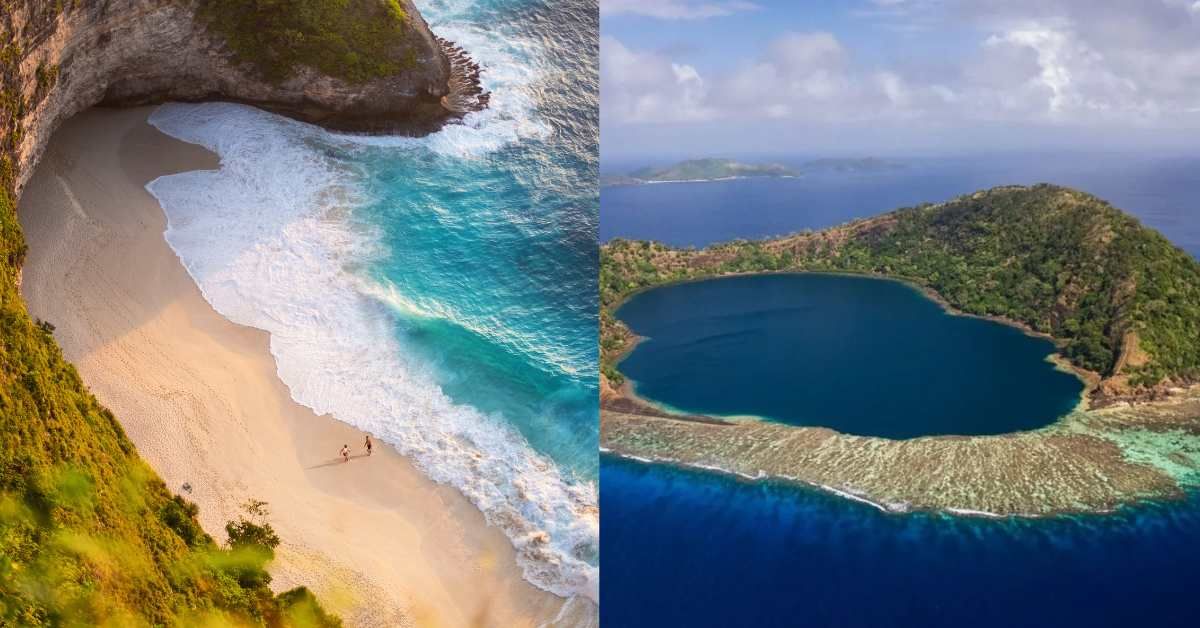
When it comes to raw beach quality, Fiji takes the crown. Its white sand shores are soft, clean, and often protected by coral reefs. The water is crystal clear, and many beaches see very few tourists. Fiji sits at the heart of the Coral Triangle — the soft coral capital of the South Pacific — making its underwater world as impressive as the shore above it.
Bali also has beautiful beaches. Seminyak, Kuta, and the Bukit Peninsula beaches like Padang Padang and Balangan are genuinely stunning. However, Bali's most popular beaches can get overcrowded, and some suffer from litter problems. Bali also features dramatic volcanic black sand beaches that are unique — just not quite the postcard-perfect white sand that most people picture.
Winner: Fiji for pristine natural beauty. Bali wins for beach clubs, atmosphere, and easy access.
Bali dominates the water sports category without question. The island is world-famous for surfing, with breaks at Uluwatu, Canggu, and Keramas drawing riders from across the globe year-round. Beyond surfing, Bali offers kitesurfing, wakeboarding, white water rafting, snorkelling, and diving with manta rays at Nusa Penida — all at some of the most affordable prices anywhere on Earth.
Fiji is excellent for diving and snorkelling, with coral reefs among the best in the world. But its overall water sports scene is far less developed. You often need a boat to reach a decent surf break, and the variety of activities on offer is much narrower.
Winner: Bali for variety, affordability, and sheer accessibility.
Both destinations are considered relatively safe for tourists. Bali has the slight edge, with a lower rate of petty crime and tourist areas that are well-policed and active throughout the day. That said, all travellers should stay alert and use common sense wherever they go.
In Fiji, petty crime — including bag snatching and muggings — is more commonly reported in busier areas like Suva and Nadi, particularly after dark. If you are heading to Bali solo, our solo travel safety guide for Bali has practical tips to help you stay safe throughout your trip.
Winner: Bali on overall tourist safety.
This is where the gap between the two islands becomes most obvious. Bali is a full-on tourism powerhouse. It has thousands of Hindu temples, jungle waterfalls, sacred monkey forests, rice terrace hikes, cooking classes, surf schools, yoga studios, cultural performances, island day trips, waterparks, and giant swings above jungle cliffs. Whether you have three days or three months, Bali will keep you busy.
Fiji, on the other hand, is a much more relaxed destination. You can visit the Fiji Museum, take part in a traditional Kava ceremony, trek to waterfalls with a local guide, or explore a Fijian village. But after those core experiences, the options thin out quickly. Fiji suits those who genuinely want to slow down and enjoy unspoiled nature.
For a closer look at what Bali has on offer day-to-day, our things to do in Canggu guide is a great starting point.
Winner: Bali — and it is not even close.
Bali's nightlife is legendary. Beach clubs, rooftop bars, underground clubs, and live music venues are spread across Seminyak, Canggu, and Kuta. The scene runs all year long and draws a large, young, international crowd.
Fiji has some good bars and clubs, particularly on islands popular with tourists, with fire dancers and live DJs at spots like Beachcomber Island. But it is nowhere near the scale, variety, or energy of what Bali offers. If nightlife is a priority for your trip, Bali is the clear choice.
Winner: Bali
Bali is one of the most culturally rich destinations in all of Asia. As a Hindu island within the world's largest Muslim-majority country, Bali has a deeply distinct identity. Daily offerings, temple ceremonies, Kecak fire dances, batik workshops, and a spiritual rhythm that shapes everyday life give Bali a cultural depth that is hard to find anywhere else.
Fiji also has a proud and fascinating culture. The Kava ceremony, traditional dance performances, and the legendary warmth of Fijian hospitality make it genuinely memorable. But in terms of variety, depth, and accessibility to tourists, Bali's culture is far more immersive and visible.
Winner: Bali
Bali is a food lover's paradise. From local warungs serving nasi goreng and babi guling to trendy vegan cafés and upscale international restaurants, the island covers every taste and budget. Food is cheap, diverse, and genuinely excellent.
Fiji's food scene is shaped by what is locally available — fresh fish, tropical fruit, and root vegetables like cassava and taro. International food exists but tends to be concentrated in resorts, and since most produce has to be imported, prices are significantly higher.
Winner: Bali for variety, quality, and value.
Both islands are breathtakingly beautiful — just in different ways. Fiji's coastlines, with their white sand, turquoise lagoons, and lush green interior, look like something out of a travel poster. The lack of development makes everything feel more natural and unspoiled.
Bali's landscape is diverse and dramatic. Terraced rice paddies, ancient temples perched on ocean cliffs, volcanic peaks, and jungle rivers all combine to create something truly unique. For photographers and content creators, Bali offers more variety and visual contrast.
Result: Tie — both islands are stunning in their own right.
Bali is one of the best shopping destinations in Southeast Asia. Seminyak and Canggu are lined with boutique stores, surf shops, art markets, and fashion retailers. You can find handmade crafts, clothing, jewellery, and homewares at very reasonable prices.
Fiji, by contrast, is not a strong shopping destination. Most goods need to be imported, which drives up prices sharply. Resort shops carry the basics, but serious shoppers will be quickly frustrated.
Winner: Bali by a wide margin.
Bali — specifically the neighbourhoods of Canggu and Ubud — is one of the world's top destinations for digital nomads. There are dozens of coworking spaces, coliving properties, and high-speed WiFi cafés, along with a large, active remote-working community. Indonesia's Digital Nomad Visa (E33G) also allows eligible remote workers to stay for up to 12 months.
Fiji has beautiful scenery and a relaxed pace of life, but it has not yet built the infrastructure that digital nomads need. Coworking spaces are rare, the cost of living is high, and community connections are limited.
Winner: Bali — it is purpose-built for remote work and long-term stays.
Bali is home to one of the largest and most established expat communities in Southeast Asia. Thousands of long-term residents from Australia, Europe, and North America live there, drawn by the warm climate, affordable cost of living, and genuinely high quality of life.
Fiji has some expat residents, many of whom work in the tourism industry, but the high cost of living and limited long-term visa options make it a less practical choice for most people looking to stay long-term.
Winner: Bali for expat lifestyle, community depth, and affordability.
Bali is one of the best-value tropical destinations in the world. You can stay in a private villa with a pool for $50–$100 USD per night. A local meal costs $1–$3 USD. A full-day scooter rental starts from around $6 USD. See our weekly Bali budget breakdown to know exactly how much a week in Bali will cost you.
Fiji, meanwhile, is significantly more expensive across the board. Almost everything is imported, which inflates prices in every category. A mid-range resort in Fiji can cost more per night than a five-star property in Bali. For budget-conscious travellers, this single factor often settles the debate.
Winner: Bali — it offers far more for far less.
In Bali, your options are enormous. Seminyak is popular for boutique hotels and beach bars. Ubud suits those seeking wellness and spiritual experiences. Canggu is the go-to neighbourhood for digital nomads and surfers. Nusa Dua is home to Bali's most luxurious five-star resorts. Nusa Penida and the Gili Islands offer a more remote feel for those who want to escape the crowds. If you prefer calm beaches and a relaxed local vibe, our guide to things to do in Sanur covers one of Bali's most underrated coastal neighbourhoods.
In Fiji, the most popular areas for tourists include Nadi and the Coral Coast on Viti Levu, the Mamanuca Islands home to many luxury overwater resorts, the Yasawa Islands for remote island-hopping, and Taveuni — known as the "Garden Island" for its waterfalls and rare tropical flowers. Private island resorts in Fiji are world-class, but priced accordingly.
Best for budget and variety: Bali. Best for luxury isolation: Fiji.
Getting around Bali is easy and affordable. Ride-hailing apps are widely available, private drivers can be hired for full days at low cost, and renting a scooter is by far the most popular and freeing way to explore. Read our complete guide on how to rent a scooter in Bali before you arrive, and browse the best scooter rentals in Bali to find the right fit for your budget and itinerary.
Transportation in Fiji is a much bigger challenge. The islands are spread far apart, meaning travel between key locations often requires boat rides, ferries, or domestic flights. Public buses on the main island run infrequently, and resort transfers are often the only convenient option — at resort prices.
Winner: Bali for ease, affordability, and convenience of getting around.
🛵 Ready to explore Bali on two wheels? Book your scooter with Cinchy and get fast, reliable delivery straight to your hotel or villa.
To put it plainly, Bali is significantly cheaper than Fiji across almost every spending category. Here is a rough snapshot:
The cost gap is substantial. For a two-week holiday, you could easily spend two to three times more in Fiji than in Bali for a similar — or lower — standard of experience.
Winner: Bali — one of the most affordable tropical destinations in the world.
Both Bali and Fiji are tropical destinations with two main seasons — a dry season and a wet season. Bali's dry season runs from May to September, when skies are clear and temperatures sit comfortably between 26–30°C (79–86°F). The wet season runs from October to April, with short but heavy afternoon rainfall.
Fiji's dry season runs from May to October, and the wet season from November to April. Temperatures in Fiji range from about 22–31°C (72–88°F) year-round, making it slightly cooler than Bali during the southern winter months. Both destinations are warm and tropical year-round, and both are at their best from May to September.
Best time to visit both: May to September for dry, sunny, and comfortable conditions.
Both Bali and Fiji are incredible places to visit. Fiji wins for pristine beaches and pure natural isolation. If your ideal holiday is lying on a flawless white sand beach with nothing but ocean around you and money is not a concern, Fiji will absolutely deliver.
But Bali wins nearly every other category — things to do, food, nightlife, culture, water sports, shopping, digital nomad infrastructure, expat lifestyle, transport, and above all, value for money. For the vast majority of travellers — whether you are a solo explorer, a couple, a family, or a remote worker — Bali simply offers more for less.
If you are still exploring your options, our Bali vs Boracay guide and Bali vs Phuket guide show how Bali compares to other popular tropical destinations in the region.
🌴 Planning your Bali trip? Start right here — explore Bali with Cinchy for local travel guides, insider tips, and the best scooter rentals on the island.
For most travellers, Bali is the better choice. It offers more things to do, better food, a livelier nightlife, richer culture, easier transportation, and far better value for money. Fiji is ideal if your main goal is pure beach relaxation in a luxury setting and budget is not a concern.
Yes, Fiji is significantly bigger than Bali. The Fiji archipelago covers over 18,000 square kilometres of land spread across its 300-plus islands, while Bali covers approximately 5,780 square kilometres. What makes Bali remarkable is how much it packs into a smaller area — with vastly more activities, cultural experiences, and travel infrastructure than Fiji.
Bali is closer to Australia for the majority of travellers. A direct flight from Sydney or Melbourne to Bali takes approximately 5–6 hours. A flight to Fiji from the same cities takes around 10 hours. That extra time in the air can be a significant factor for those with limited holidays — and it is one of the biggest reasons Bali remains such a popular choice for Australian travellers.
Both are tropical and warm all year round, but Bali is slightly hotter on average. Bali temperatures typically range from 26–33°C (79–91°F) depending on the season and location. Fiji sits a little further from the equator, with temperatures ranging from about 22–31°C (72–88°F), making it marginally cooler. For most visitors, the difference is barely noticeable — both feel warm and humid.
Bali is generally the better choice for families. It has a much wider range of activities for children of all ages — from waterparks and animal parks to surf lessons and temple visits. Accommodation options at every price point also make it far easier to plan a comfortable family trip. Fiji is lovely for families who want a quiet, beach-focused holiday, but the higher costs and narrower activity range can make it harder to keep kids engaged over a longer stay.
 travel tips
 hidden gems
 scooter guides
 riding tips
 bali guides
 cultural insight