
1


Stay in Touch
Get the latest updates, special offers, and exclusive Cinchy perks straight to your inbox.


Jl. Plawa No.50, Seminyak, Kec. Kuta, Kabupaten Badung, Bali 80361

CALL US 24/7
(+62-851-7424-6249)
Copied!

We’re Here
Everyday
8:30 AM-9 PM WITA




Payment Partners


© 2026 CINCHY. ALL RIGHTS RESERVED.
Cinchy Blog / Tumpek Kandang / Tumpek Uye: Unique Tradition in Bali
Published: 06 Sep 2026

By Syahrial Maulana Sudarto
Travel Enthusiast
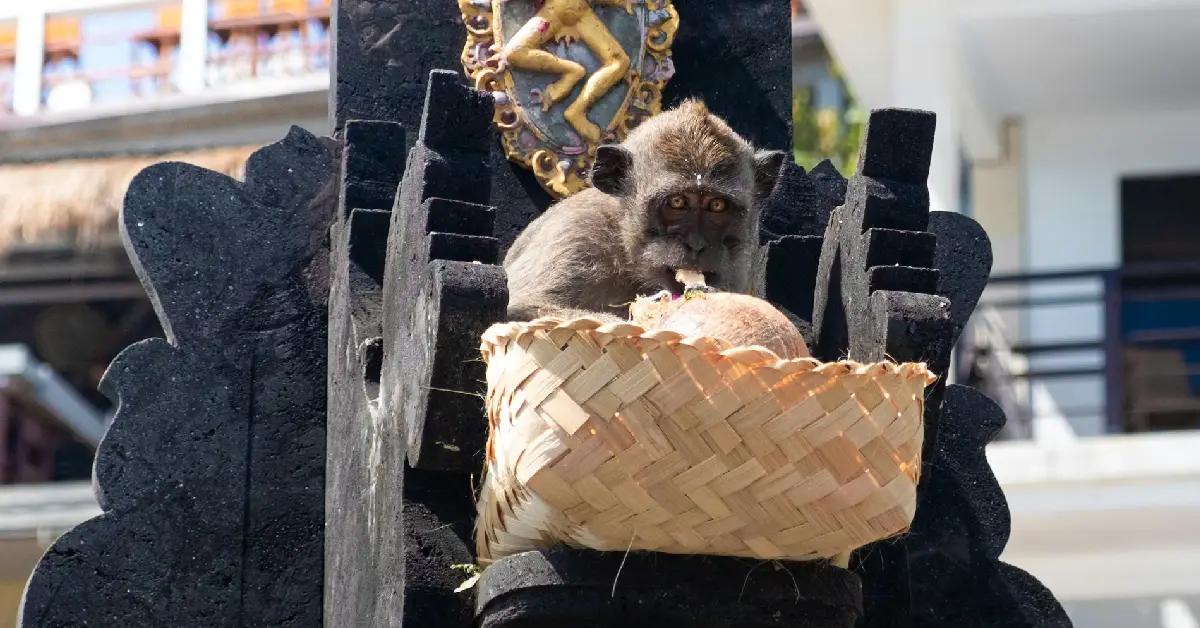
Quick Answer
“What is Tumpek Kandang or Tumpek Uye in Bali?”
Tumpek Kandang, also known as Tumpek Uye, is a Balinese Hindu holy day dedicated to honoring and blessing animals. Celebrated every 210 days on Saniscara Kliwon Wuku Uye, the tradition expresses gratitude for animals and reflects Bali’s philosophy of harmony between humans, nature, and the divine.
Key Takeaways:
Tumpek Kandang, or Tumpek Uye, is a Balinese Hindu tradition centered on honoring and caring for animals. It is one of the sacred Tumpek days observed according to Bali’s traditional calendar.
The day is particularly associated with sarwa wewalungan, a Balinese term referring broadly to animals or living creatures. During the ceremony, animals may be cleaned, blessed, given offerings, and prayed for.
The tradition recognizes that animals have an important relationship with human life. Livestock can provide food and livelihoods, while other animals form part of Bali’s wider natural ecosystem.
The Provincial Government of Bali has also connected Tumpek Uye with efforts to protect animals and their habitats, showing that the tradition can have both spiritual and practical dimensions.
Yes. Tumpek Kandang and Tumpek Uye are commonly used names for the same Balinese Hindu holy day.
“Tumpek Uye” refers to the day according to the Wuku Uye cycle of the Balinese calendar, while “Tumpek Kandang” highlights its association with animals and livestock.
You may therefore see the celebration described as either Tumpek Uye or Tumpek Kandang in Bali-related sources.
Tumpek Kandang is celebrated every 210 days, according to the Balinese Pawukon calendar.
It falls on Saniscara Kliwon Wuku Uye, meaning Saturday Kliwon during the Uye week of the Pawukon cycle. Unlike the Gregorian calendar, the Pawukon system follows a 210-day cycle, so the date changes from year to year.
For example, Tumpek Kandang was celebrated on September 5, 2026.
Current reporting from Bali again identifies the day as Saniscara Kliwon Wuku Uye and confirms its 210-day cycle.
This is why travelers planning to experience a Balinese Hindu ceremony should check the Balinese calendar rather than relying only on fixed annual dates.
At its heart, Tumpek Kandang is about gratitude, respect, and harmony between humans and animals.
Animals have historically played important roles in Balinese society. Cattle, pigs, chickens, ducks, horses, and other animals can support agriculture, transportation, food production, religious practices, and household livelihoods.
Tumpek Kandang provides an opportunity to recognize these contributions and express appreciation through religious ceremonies.
However, its meaning goes beyond simply thanking useful animals. The tradition also encourages people to recognize animals as living beings that share the world with humans.
This idea is reflected in the broader Balinese understanding that humans should maintain a harmonious relationship with nature rather than treating the natural world as something separate from human life.
The animals associated with Tumpek Kandang can include livestock, domestic animals, birds, and other creatures, depending on the local community and family tradition.
Common examples include:
The exact ceremony can differ between communities. Not every family performs an identical ritual, and offerings may vary depending on the type of animal and local customs.
This flexibility is important when understanding Balinese Hindu ceremonies: there is often a shared religious principle, while the practical form can differ according to local tradition.
The exact ritual varies between families, villages, and communities, but a typical celebration may involve preparing offerings, caring for the animals, praying, and giving blessings.
Animals may be cleaned or prepared before the ceremony. This can be a practical expression of care as well as part of the ritual preparation.
Families prepare banten, or Balinese Hindu offerings. The type and arrangement of offerings can vary according to the animal and local tradition.
Prayers and religious ceremonies are conducted as part of the observance. The spiritual focus is on the divine, including manifestations associated with the protection of animals.
Animals may receive holy water, known as tirta, and other ritual blessings.
The ceremony concludes the process of showing appreciation for animals and recognizing their place within human life and the natural environment.
Official examples of Tumpek Uye celebrations have included animal blessings alongside activities such as animal vaccination, releasing animals into their habitats, and environmental cleanups.
Offerings, or banten, are an important part of Balinese Hindu ceremonies.
For Tumpek Kandang, offerings can vary depending on the animal and the local tradition. Some traditional sources describe different offerings for livestock and poultry, rather than using exactly the same arrangement for every animal.
For this reason, it is better to understand Tumpek Kandang through its underlying purpose rather than assuming that every family uses an identical set of offerings.
The offerings symbolize devotion, gratitude, and respect within the religious ceremony.
Sang Hyang Rare Angon is a divine figure associated with the protection and guardianship of animals in the context of Tumpek Uye.
During the ceremony, worship is directed toward the divine rather than toward animals themselves.
Recent reporting on Tumpek Uye describes the worship of Ida Sang Hyang Widhi Wasa in manifestations including Sang Hyang Siwa Pasupati and Sang Hyang Rare Angon, associated with the protection of animals.
This distinction is important for visitors trying to understand Balinese Hinduism without reducing the ceremony to the idea of an “animal worship festival.”
No. Tumpek Kandang does not mean that Balinese Hindus worship animals as gods.
Instead, the ceremony expresses respect and gratitude toward animals while religious worship is directed toward the divine.
The tradition reflects the Hindu philosophical principle of Tat Twam Asi, commonly understood as “I am you, you are me.” In this context, showing compassion toward other living beings reflects a broader recognition of the interconnectedness of life.
Tumpek Uye is also connected with Tri Hita Karana, the Balinese philosophy of maintaining harmony between humans and God, humans and other people, and humans and nature.
“Kandang” literally relates to an animal enclosure or livestock pen, but the meaning of Tumpek Kandang can also be understood on a deeper philosophical level.
In Balinese interpretation, “kandang” can refer metaphorically to the idea of controlling the wild or animal-like tendencies within oneself.
Therefore, Tumpek Kandang is not only about caring for animals outside ourselves. It can also encourage people to reflect on their own thoughts, desires, and behavior.
Tri Hita Karana is one of the most important philosophical concepts for understanding Bali.
It describes three forms of harmony:
Tumpek Uye strongly relates to Palemahan because it encourages respect for animals and the natural environment.
However, its religious rituals also involve the relationship between humans and the divine, making the tradition a broader expression of balance rather than simply an environmental event.
Tat Twam Asi is a Hindu philosophical concept emphasizing the interconnectedness between oneself and others.
In the context of Tumpek Kandang, it helps explain why compassion toward animals matters.
If animals are recognized as fellow living beings rather than merely resources, caring for them becomes part of a broader ethical responsibility.
This makes Tumpek Uye particularly meaningful for understanding the Balinese approach to the relationship between humans, animals, and nature.
Tumpek Uye has increasingly been connected with animal conservation, environmental protection, and ecosystem awareness in modern Bali.
Government-led celebrations have included activities such as releasing turtles and birds, vaccinating animals, cleaning natural areas, and protecting habitats. In one official Tumpek Uye celebration, thousands of animals were released as part of broader environmental activities.
The tradition also fits into the broader Balinese concept of Sad Kerthi, which promotes the preservation and purification of different aspects of life and the environment.
This gives Tumpek Uye relevance beyond a single religious ceremony: it can also serve as a reminder of responsible relationships with nature.
Yes, visitors may encounter Tumpek Kandang while traveling around Bali, particularly when visiting local communities, villages, temples, or animal-related conservation sites during the celebration.
However, it is important to remember that Tumpek Uye is a religious ceremony, not a tourist performance.
If you encounter a ceremony, observe quietly, respect restricted areas, and ask permission before photographing people, offerings, or religious activities.
Visitors should also avoid touching offerings or interrupting prayers.
Please read this article first to make sure you know about Balinese etiquette well: Local Laws and Cultural Norms in Bali You Must Know.
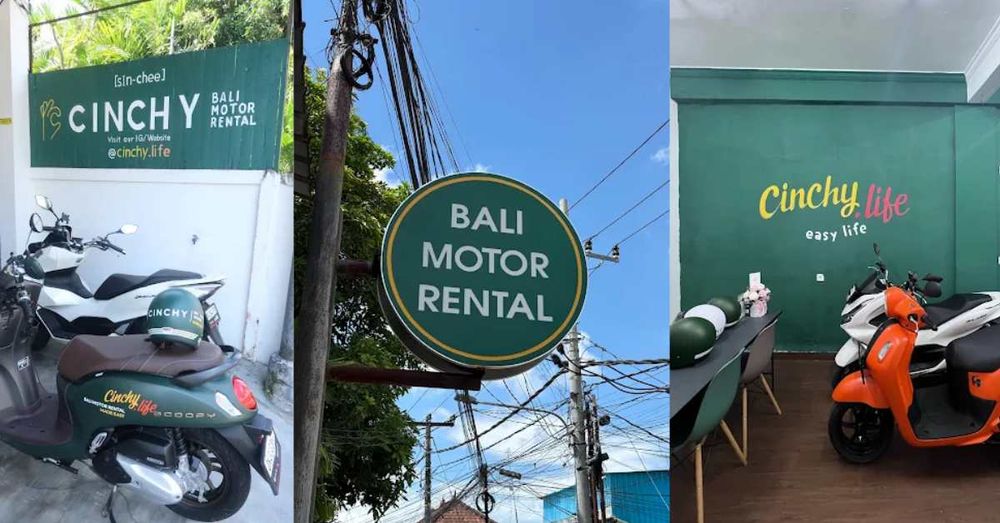
If you plan to explore Bali by scooter around cultural events such as Tumpek Kandang, Cinchy offers a straightforward way to arrange your transportation before you arrive.
You can check real-time scooter availability online, choose your dates, select a scooter category, and organize pickup or delivery in advance.
Cinchy focuses on well-maintained scooters that are regularly serviced, while its rental process is designed to be quick and convenient.
You can also choose from daily, weekly, or monthly rental periods and get customer support 24/7 during your rental.
Another practical advantage is the delivery and pickup network. Cinchy provides free delivery and pickup at I Gusti Ngurah Rai Airport, Seminyak, Kuta, and Legian, while Canggu, Sanur, and Nusa Dua are available for additional fees.
Cinchy offers two main scooter categories, making it easier to choose based on your preferred comfort level and budget.
The Compact category includes:
Rates start from IDR 95K/day, IDR 80K/day for weekly rentals, and IDR 50K/day for monthly rentals.
The Comfort category includes:
Rates start from IDR 155K/day, IDR 125K/day for weekly rentals, and IDR 80K/day for monthly rentals.
If you are visiting Bali during peak season, booking earlier is recommended because scooter availability can become more limited.
You can use the code EARLY5 to get 5% off when booking at least one month in advance.
You can choose between Basic Coverage, Full Coverage, and VIP insurance options.
Basic Coverage has a deductible for repair costs, while Full Coverage provides zero deductible for covered scratches and accident damage. VIP adds theft protection, subject to the mandatory theft protocol.
Cinchy also accepts several payment methods, including credit card, debit card, COD, QRIS, and card payments through a machine.
Required documents include a valid passport or KTP, a valid International Driving License or SIM C, round-trip flight tickets, and hotel booking details covering the rental period.
If you are planning to explore Bali around Tumpek Kandang, other cultural ceremonies, or simply want the flexibility to visit different parts of the island, you can check Cinchy’s real-time scooter availability, choose between Compact and Comfort, and reserve your scooter in advance. Book at least one month ahead and use EARLY5 to save 5%.
👉 Rent a scooter in Cinchy now, book early and save 5% with code EARLY5!
If you're still uncertain about your next steps, don't worry, as we're here to address all your queries and concerns.
Yes. Tumpek Kandang and Tumpek Uye are commonly used names for the same Balinese Hindu holy day associated with honoring animals.
It is celebrated every 210 days on Saniscara Kliwon Wuku Uye, according to the Balinese Pawukon calendar.
Animals can include livestock, poultry, birds, pets, and other creatures. The exact practice varies between families and communities.
No. The ceremony is an expression of gratitude and respect toward animals, while religious worship is directed toward the divine.
Animals have long supported Balinese communities through agriculture, livelihoods, food, religious practices, and their role in the wider ecosystem.
Yes, but visitors should treat it as a religious ceremony rather than a tourist attraction. Observe respectfully, follow local guidance, and ask permission before taking photographs.
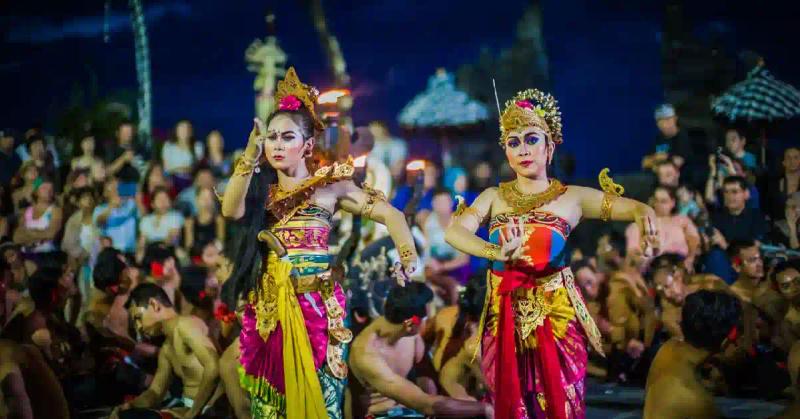
Bali Events in September 2026: What's New?
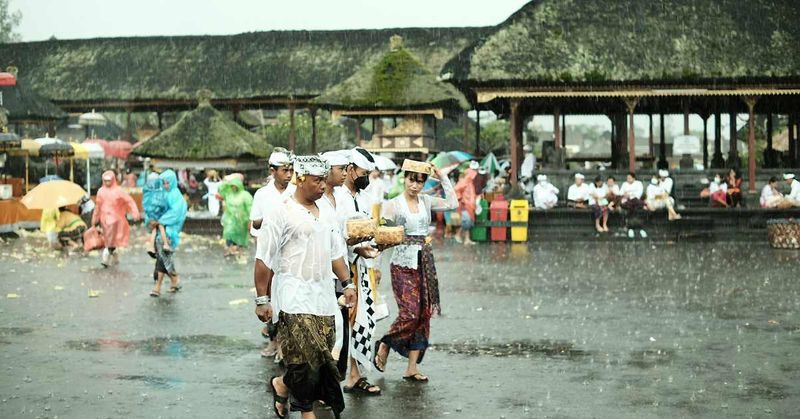
Local Laws and Cultural Norms in Bali You Must Know
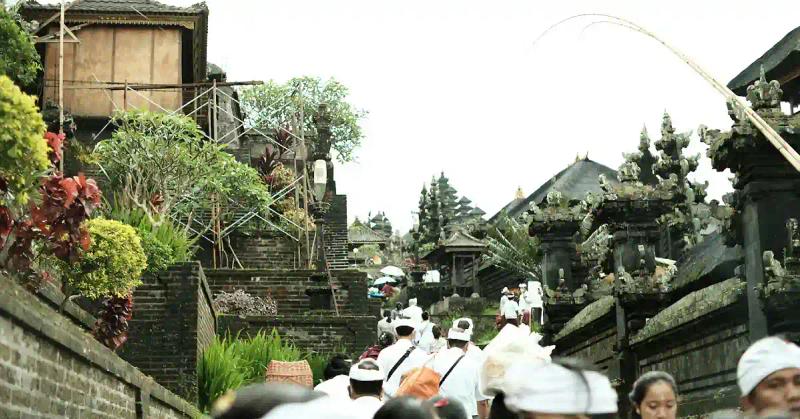
8 Things to Avoid in Bali for a Respectful and Trouble-Free Trip
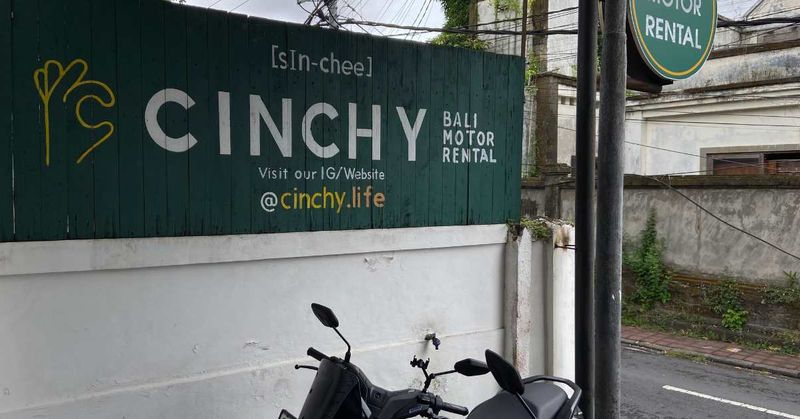
Where Can I Find Cinchy Bali Scooter Rental?

Scooter Rental Bali With Free Cancellation with Cinchy
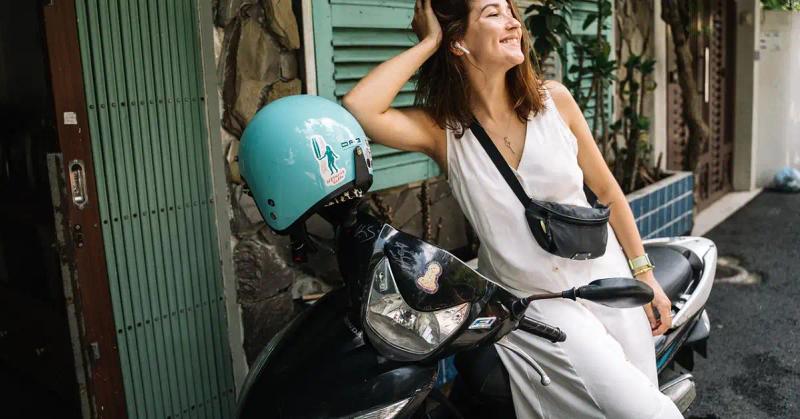
Cinchy Bali: Scooter Hire for Beginners – Automatic Only!
 travel tips
 hidden gems
 scooter guides
 riding tips
 bali guides
 cultural insight